Gutters play an essential role in protecting a home from water damage. They collect rainwater flowing off the roof and direct it through downspouts away from siding, landscaping, and the foundation. When gutters become damaged, clogged, or improperly positioned, water may overflow or drain in the wrong direction, potentially leading to costly exterior repairs. Understanding common gutter repair issues can help homeowners recognize early warning signs, maintain their drainage systems, and protect their properties throughout the year.
For homeowners in Arlington, VA, and the surrounding Northern Virginia communities, gutters must handle seasonal rainfall, falling leaves, wind-driven debris, and changing temperatures. These conditions can gradually weaken gutter components and expose existing installation problems. A small leak or loose bracket may seem minor at first, but ignoring it can lead to deteriorating fascia boards, damaged siding, soil erosion, and moisture near the foundation.
This guide explores the most common gutter repair issues, their causes, warning signs, repair options, and preventive maintenance practices. Homeowners in Arlington and nearby areas can use this information to recognize problems early and determine when professional assistance may be appropriate.
Why Properly Functioning Gutters Matter
A gutter system is designed to control rainwater as it leaves the roof. Without effective drainage, water can collect around the home’s exterior, soak the soil near the foundation, and repeatedly expose building materials to moisture.
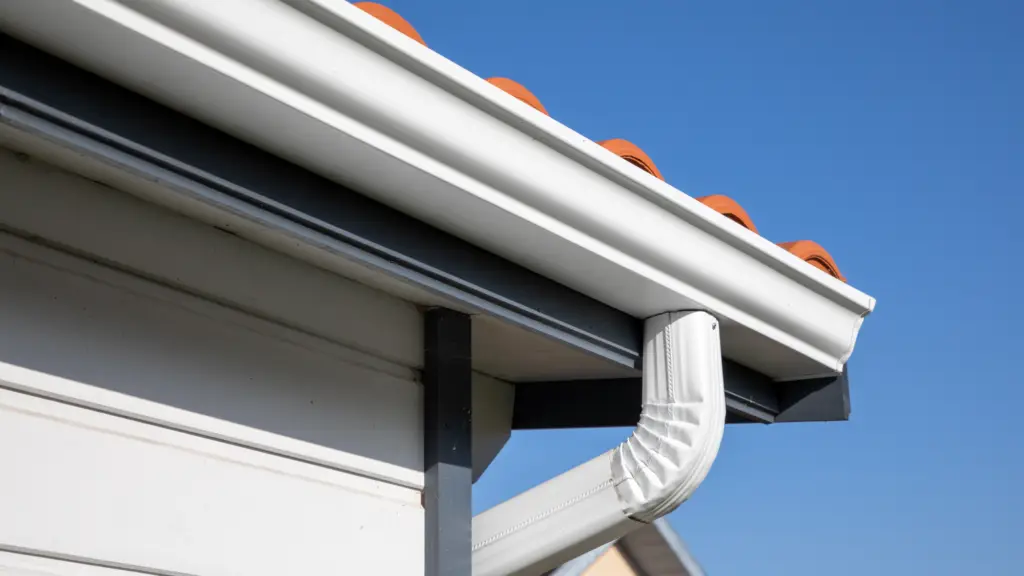
Gutters also help protect landscaping, walkways, exterior finishes, and entryways from uncontrolled runoff. Their performance depends on several connected components, including gutter channels, hangers, seams, end caps, downspouts, and drainage outlets.
When one component fails, the entire system may become less effective. For example, a blocked downspout can cause water to back up inside the gutter, while loose hangers can change the gutter’s slope and allow water to collect in low areas.
Addressing gutter repair issues promptly helps restore proper water flow and can prevent minor defects from developing into larger maintenance problems.
Protecting the Roof Edge and Fascia
Gutters are typically attached along the roof edge using hangers or other support systems. The fascia board behind the gutter provides a mounting surface and helps protect the roof’s edge.
When gutters leak or pull away from the building, water may repeatedly wet the fascia. Over time, this moisture can contribute to wood deterioration, peeling paint, and weakened attachment points.
If the fascia becomes damaged, simply tightening the gutter brackets may not solve the problem. The affected wood may need repair before the gutter can be securely reattached.
Reducing Water Accumulation Around the Foundation
Gutters and downspouts help move rainwater away from the building. If water spills directly beside the foundation, it may contribute to soil erosion, damp basement conditions, or other moisture-related concerns, depending on the property’s grading and drainage.
Not every foundation moisture problem originates with the gutters, but a malfunctioning drainage system can make existing conditions worse.
Recognizing gutter repair issues early helps homeowners determine whether repairs to the gutter system, downspout extensions, or surrounding drainage conditions are needed.
Preserving Siding and Exterior Finishes
Overflowing gutters can repeatedly soak siding, trim, doors, and windows. This may lead to staining, peeling paint, deteriorating sealants, or moisture entering vulnerable areas.
Keeping gutters clear and securely attached helps direct rainwater away from these surfaces. It also reduces the chance that routine rainfall will expose the home to unnecessary water damage.
Common Gutter Repair Issues Homeowners Should Recognize
Gutter problems can develop gradually or appear after a storm. Understanding the most frequent defects makes it easier to identify when maintenance or repair is necessary.
Leaking Gutter Seams and Joints
Leaks are among the most common gutter repair issues. Sectional gutter systems contain joints where individual pieces connect, and these connections may deteriorate over time.
Sealants can age, joints may loosen, and debris or standing water can contribute to wear. A leak may appear as dripping water beneath a seam, damp marks on the siding, or a persistent wet area below the gutter.
The appropriate repair depends on the cause and the condition of the surrounding materials. A professional may clean the joint, replace deteriorated sealant, reconnect loose sections, or recommend replacing a damaged component.
Before sealing a leak, the underlying cause should be identified. If the gutter is holding water because it is incorrectly sloped or blocked, applying new sealant alone may not provide a lasting solution.
Sagging Gutters
Gutters should remain securely supported along the roofline. Sagging can occur when hangers loosen, fasteners fail, the gutter becomes overloaded with debris, or the fascia deteriorates.
A sagging section may create a low point where water collects rather than flowing toward the downspout. The additional weight of standing water can put more stress on the support system and worsen the problem.
Repair may involve replacing damaged hangers, reinforcing attachment points, correcting the gutter’s slope, or repairing deteriorated fascia.
Homeowners should avoid simply pushing a sagging gutter back into place without determining why it moved. If the mounting surface is damaged, the problem may return quickly.
Clogged Gutters and Downspouts
Leaves, twigs, roof granules, seed pods, and other debris can accumulate inside gutters. Downspout openings may also become blocked, preventing water from leaving the system efficiently.
Clogging is one of the most preventable gutter repair issues, yet it can lead to substantial water overflow during heavy rainfall.
Signs of a blockage include water spilling over the front of the gutter, visible debris near the outlet, or a downspout that releases little or no water during rain.
Clearing the obstruction may restore drainage, but recurring blockages should prompt a review of the maintenance schedule and surrounding trees. Gutter guards may reduce some debris accumulation, although they do not eliminate the need for inspection and cleaning.
Incorrect Gutter Slope
Gutters are generally installed with a slight slope toward the drainage outlets. If the slope is inadequate or changes because of loose supports, water may remain in the channel.
Standing water can contribute to corrosion in susceptible materials, attract debris, and increase the load on the gutter system.
Homeowners may notice puddles inside the gutter after rainfall or dark staining beneath areas where water regularly remains. However, the problem may not be visible from the ground.
Correcting this issue usually requires checking the gutter’s alignment and adjusting the support system as needed. The proper slope depends on the gutter layout, length, and drainage design.
Loose or Missing Hangers
Hangers secure gutters to the fascia or roof edge. They can loosen because of repeated movement, deteriorated fasteners, excessive weight, or damage to the mounting surface.
Missing or loose hangers may cause the gutter to pull away from the house, vibrate during storms, or sag between support points.
A repair professional can determine whether the existing hangers can be tightened or whether replacement fasteners and additional supports are necessary. The repair should account for the condition of the fascia and the type of gutter being used.
Damaged End Caps
End caps close the ends of gutter sections and help prevent water from escaping where it should not. A loose, cracked, or poorly sealed end cap can allow water to leak near the roofline.
These leaks may be mistaken for problems elsewhere in the gutter because water can travel along the exterior surface before dripping.
Repair may involve resecuring the end cap, replacing it, or renewing the seal where appropriate. If the gutter edge itself is damaged, more extensive work may be needed.
Cracked, Corroded, or Punctured Gutters
Gutter materials can deteriorate due to age, weather exposure, physical impact, and prolonged moisture. Metal gutters may develop corrosion, while vinyl gutters can crack or become brittle.
Small holes or localized cracks may sometimes be repairable, depending on the material and the condition of the surrounding section. Widespread corrosion, repeated leaks, or extensive cracking may indicate that replacement is a better long-term option.
A professional assessment can help homeowners determine whether a repair is likely to last or whether the affected section has reached the end of its useful life.
Downspout Problems That Affect Gutter Performance
Downspouts are just as important as the gutter channels themselves. They carry collected rainwater from the roofline toward a suitable discharge location.
Even a well-maintained gutter can overflow if the downspout is blocked, damaged, undersized for the drainage demands, or positioned incorrectly.
Blocked Downspout Outlets
Debris can accumulate at the gutter outlet or become lodged farther down the downspout. Water may then back up into the gutter, particularly during heavy rain.
A blockage may cause overflow near the roof edge even when the gutter channel appears relatively clean.
The obstruction should be removed using an appropriate method that does not damage the downspout. If blockages happen repeatedly, the system may need additional maintenance or a review of the outlet design.
Disconnected or Leaking Downspouts
Downspout sections can separate at joints or become loose where they connect to the gutter. Water may then spill against siding or discharge near the foundation.
These gutter repair issues can often be addressed by reconnecting sections, replacing damaged fasteners, or repairing defective joints.
The discharge location should also be checked. A securely connected downspout may still create drainage problems if it releases water directly beside the building.
Poor Downspout Placement
Downspouts need to direct water toward an appropriate drainage area. If they terminate too close to the foundation, water may collect near the home’s base.
The best solution depends on the property’s grading, hardscape, underground drainage, and local requirements. Extensions or other drainage improvements may help direct runoff farther away, provided they do not create hazards or discharge water onto neighboring property.
Homeowners should address visible erosion, repeated pooling, and damp areas near downspout outlets instead of assuming that the gutter itself is the only problem.
How Weather Contributes to Gutter Damage in Northern Virginia
The local climate can influence gutter performance throughout the year. In Arlington and surrounding communities, seasonal rainfall, falling leaves, wind, and temperature changes can all contribute to maintenance needs.
Heavy Rainfall and Overflow
During intense rainfall, gutters must collect and move water quickly. If the system is clogged, incorrectly sloped, damaged, or insufficient for the roof area, water may spill over the edges.
Overflow can wet fascia boards, siding, landscaping, and soil around the foundation.
Repeated overflow should not automatically be treated as a cleaning problem. It may indicate that the gutter system needs repairs, additional outlets, or a more appropriate design for the building’s drainage demands.
Wind and Storm Damage
Strong winds can blow branches and debris into gutters, loosen exposed components, or damage gutters when falling limbs make contact with the roofline.
After severe weather, homeowners should check for visible sections that have pulled away from the building, downspouts that have separated, and debris blocking drainage paths.
If the gutter is hanging dangerously or appears unstable, keep people away from the area and arrange a professional inspection rather than attempting an immediate repair from a ladder.
Seasonal Temperature Changes
Temperature fluctuations can cause some gutter materials and connected components to expand and contract. Over time, movement may place stress on joints, fasteners, and sealants.
Cold weather can also complicate drainage when water freezes in the system. Ice accumulation may add weight and place additional strain on gutter supports.
Homeowners should address drainage and attachment problems before winter conditions make repairs more difficult.
Falling Leaves and Tree Debris
Autumn often brings increased debris accumulation, especially at properties surrounded by mature trees. Leaves can collect in gutter channels, cover outlet openings, and contribute to overflow.
Regular cleaning during heavy leaf-fall periods can reduce these risks. The appropriate schedule depends on the property’s tree coverage, roof design, and surrounding environment.
Warning Signs That Gutter Repairs Are Needed
Homeowners do not need to wait until a gutter becomes detached to recognize that something is wrong. Several visible symptoms may indicate developing gutter repair issues.
Water spilling over the gutter edges: Overflow during rainfall may indicate clogged channels, blocked downspouts, inadequate drainage capacity, or incorrect slope.
Water dripping from joints: Persistent leaks at seams or end caps may indicate deteriorated sealant or loose connections.
Gutters pulling away from the house: Visible gaps between the gutter and fascia can suggest failed fasteners, overloaded channels, or damaged mounting surfaces.
Peeling paint or staining near the roofline: Repeated exposure to moisture may affect fascia, trim, or siding.
Soil erosion below the roof edge: Concentrated runoff may be escaping from the gutter or falling from an area without adequate drainage.
Water pooling near the foundation: Poor downspout discharge or uncontrolled roof runoff may contribute to persistent wet areas.
Visible plant growth inside gutters: Vegetation can indicate accumulated debris and prolonged moisture retention.
Sagging or uneven gutter lines: Changes in alignment may point to loose supports, damaged fascia, or improper slope.
These signs do not always identify the precise cause of the problem. A professional inspection can help determine which components need attention and whether related exterior repairs are necessary.
Gutter Repair vs. Gutter Replacement
Not every damaged gutter needs to be replaced. In many cases, repairing a localized defect can restore the system’s performance. However, repeated repairs to an aging or extensively damaged system may cost more over time than replacement.
When Gutter Repair Is Appropriate
Repair may be suitable when the gutter is generally in good condition and the damage is limited to a specific area.
Examples include a loose hanger, a leaking joint, a disconnected downspout, or a small puncture in an otherwise serviceable section.
A repair professional should inspect the surrounding material to ensure that the problem has not weakened adjacent areas. Replacing only the damaged component may be effective when the rest of the system remains securely attached and drains correctly.
When Replacement Is More Practical
Replacement may be more appropriate when gutters have widespread corrosion, multiple cracks, extensive separation, severe distortion, or recurring leaks across several sections.
A system that repeatedly overflows despite cleaning and repairs may also require a review of its design, sizing, slope, and outlet placement.
During an evaluation, homeowners should consider the age of the system, the availability of compatible components, and the likelihood that additional defects will develop soon.
Considering Long-Term Value
The cheapest immediate repair may not provide the best overall value if the gutter is near the end of its service life.
When comparing repair and replacement, consider the condition of the entire system, the cost of correcting underlying problems, and the expected durability of the proposed solution.
Painter Roofing helps homeowners understand the importance of maintaining their roof and exterior components. Property owners should confirm the specific gutter repair and replacement services available when arranging an assessment.
Preventive Maintenance to Reduce Gutter Repair Issues
Preventive maintenance can help homeowners identify defects before they cause significant water damage. A consistent schedule also makes it easier to track recurring problems and determine whether a gutter system is nearing the end of its useful life.
Schedule Regular Gutter Cleaning
Gutters should be cleaned often enough to prevent debris from obstructing water flow. Properties surrounded by trees may require more frequent attention than homes with limited tree coverage.
Cleaning should include checking the downspout outlets and confirming that water can move through the system.
Avoid leaning ladders against unsupported gutters, as this can bend or detach the channel. Homeowners who are uncomfortable working at height should arrange professional cleaning.
Inspect Gutters After Severe Weather
After a significant storm, check the property from a safe location for visible debris, loose components, and signs of overflow or damage.
Do not climb onto the roof or attempt to handle unstable gutters during or immediately after hazardous weather. If damage is suspected, arrange an appropriate inspection.
Check the Fascia and Mounting Points
Look for peeling paint, soft or deteriorated wood, dark staining, and visible gaps behind the gutter. These symptoms may indicate that water is affecting the mounting surface.
Because the fascia supports the gutter, it should be repaired before damaged sections are reattached. Otherwise, the same problem may return.
Keep Downspouts Clear
Check that downspout outlets are free from leaves and other obstructions. Confirm that connections remain secure and that discharge points are not creating persistent pooling near the foundation.
If water repeatedly accumulates in the same location, review the surrounding grading and drainage conditions rather than relying solely on gutter repairs.
Maintain Written Records
Keep records of inspections, cleaning, repairs, and replacement work. Photographs and invoices can help track recurring leaks, repeated fastener failures, and areas that need further attention.
Maintenance records are also useful when planning home improvements or evaluating the condition of a property before a sale.
Why Professional Gutter Repairs Can Make a Difference
Some minor maintenance tasks may be manageable for homeowners, but gutter repairs can involve working at height, handling sharp metal edges, and identifying hidden damage.
A professional can evaluate the full drainage system and determine whether a visible defect is caused by a larger underlying issue.
Identifying the Root Cause
A leak may result from a failed seam, but it could also be caused by standing water, incorrect slope, or a blocked outlet. Similarly, a sagging gutter may need new hangers, but deteriorated fascia could be the real reason it cannot remain securely attached.
Addressing the root cause helps reduce repeat repairs and supports more reliable drainage.
Protecting Workers and Property
Ladder-related falls are a serious hazard, particularly when gutters are high, roofs are steep, or the ground is uneven. Attempting to reach a loose gutter while balancing on a ladder can also damage the gutter or siding.
Professional service helps homeowners avoid unnecessary exposure to these risks. The appropriate repair method depends on the property’s height, accessibility, and the condition of the affected components.
Coordinating Gutter and Roofing Maintenance
Gutters are connected to the roof’s drainage system, so some problems may overlap with roofing concerns. Damaged roof edges, deteriorated fascia, or improper water flow may require more than one type of repair.
Painter Roofing serves homeowners in Arlington, VA, and surrounding Northern Virginia areas with roofing and exterior services. When gutter problems occur alongside visible roofline damage, homeowners can seek guidance about the appropriate next steps and confirm which services are available.
Gutter Repair Issues That Should Not Be Ignored
Some defects require prompt attention because they can allow water to reach vulnerable parts of the home.
A gutter that has detached from the roofline may fall and create a safety hazard. A blocked gutter overflowing during heavy rainfall can repeatedly expose siding and fascia to moisture. Persistent pooling near the foundation may indicate that runoff is not being directed away from the building effectively.
Homeowners should also take recurring leaks seriously. Reapplying sealant without correcting the underlying cause may provide only temporary relief.
If water has entered the home, document the affected areas and arrange the appropriate assessment. The source of moisture should be identified before damaged interior finishes are repaired.
Prompt attention to gutter repair issues can help homeowners limit further deterioration and make better decisions about necessary repairs.
Gutter Repair for Arlington, VA, and Surrounding Communities
Homes throughout Arlington, Alexandria, Falls Church, Fairfax, McLean, and nearby Northern Virginia communities vary in age, roof design, gutter materials, and surrounding landscaping. These differences influence how often gutters need cleaning and which types of repairs are most likely to be necessary.
Homes beneath mature trees may experience frequent debris accumulation, while buildings exposed to strong winds may require closer attention to gutter attachments and downspouts. Older properties may also have deteriorated fascia or drainage systems that need more extensive maintenance.
A practical maintenance plan should account for the home’s design, local weather exposure, and history of drainage problems.
Painter Roofing encourages homeowners to pay attention to the roofline and exterior drainage system as part of regular property maintenance. Addressing gutter repair issues early can help maintain effective water management and reduce the risk of avoidable exterior damage.
Protect Your Home With Timely Gutter Repairs
Gutters are an important part of a home’s water-management system. When they function properly, they direct rainwater away from the roofline and help protect siding, fascia, landscaping, and the foundation. When they become clogged, loose, damaged, or incorrectly sloped, water can escape where it may cause deterioration.
Understanding common gutter repair issues helps homeowners recognize warning signs such as leaking seams, sagging channels, blocked downspouts, loose hangers, and recurring overflow. It also makes it easier to decide whether a localized repair or a complete replacement is the more practical solution.
For homeowners in Arlington, VA, and the surrounding Northern Virginia areas, regular inspections, appropriate cleaning, and prompt repairs can help maintain reliable drainage through changing seasons.