A durable roof does more than provide an attractive finish to a home. It protects the structure from rain, wind, moisture, and changing temperatures throughout the year. While shingles, metal panels, and other roofing materials receive most of the attention during a roofing project, an essential component beneath the visible roof covering often goes unnoticed: roof underlayment.
For homeowners in Arlington, VA, and the surrounding areas, understanding the role of underlayment can help them make better decisions when installing a new roof or replacing an aging roofing system. This protective layer contributes to the roof’s ability to manage moisture and provides an additional safeguard beneath the primary roofing material.
Proper roof underlayment installation is an important part of building a reliable roofing system. The right underlayment, combined with appropriate flashing, ventilation, drainage, and quality roofing materials, helps protect vulnerable areas of the roof and supports long-term performance.
Understanding Roof Underlayment
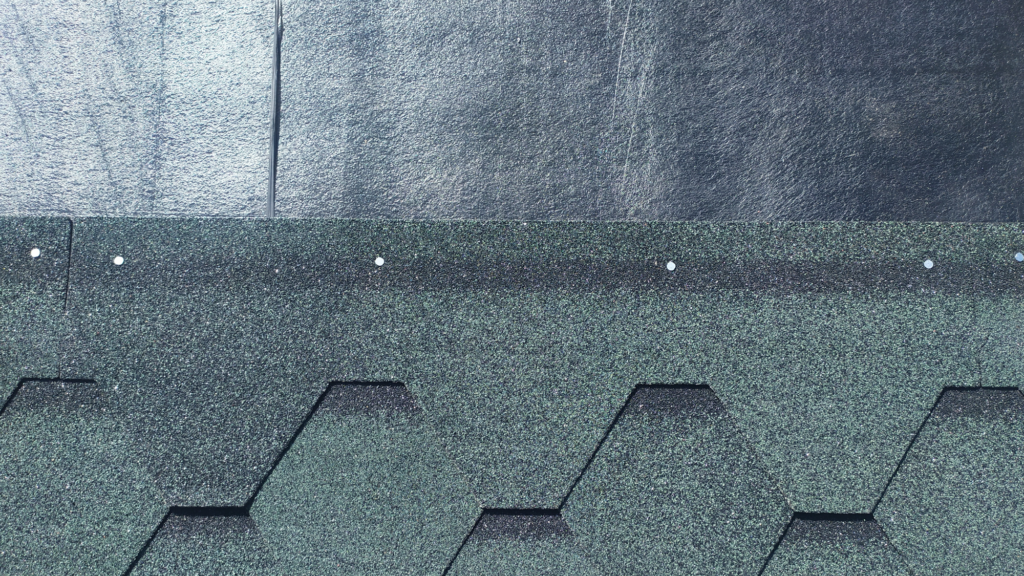
Roof underlayment is a protective material installed over the roof deck and beneath the primary roofing covering. Depending on the roofing system, it may be used beneath asphalt shingles, metal roofing, tile, or other materials.
The roof deck provides the structural surface that supports the roofing assembly. Underlayment sits above this deck and below the outer roofing material, creating an additional layer of protection against moisture.
Although shingles and other roof coverings are designed to shed water, they are not always completely impervious to water intrusion. Wind-driven rain, ice-related conditions, damaged shingles, and other issues can allow moisture to reach areas beneath the visible roof surface.
A properly selected and installed underlayment helps manage this risk by providing a secondary layer of protection.
The effectiveness of roof underlayment installation depends on several factors, including the type of material used, roof slope, local weather exposure, manufacturer specifications, and the quality of the installation. Underlayment must be incorporated into the complete roofing system rather than treated as a standalone solution.
Homeowners should also understand that underlayment does not replace the need for properly installed shingles or panels, flashing around roof penetrations, suitable ventilation, and effective drainage.
Why Roof Underlayment Is Important During Installation
Roof underlayment serves several purposes that contribute to the overall performance of a roofing system. Although it remains hidden after installation, its condition and placement can influence how well the roof handles moisture and protects the underlying structure.
Provides an Additional Layer of Moisture Protection
One of the primary purposes of underlayment is to provide a secondary protective layer beneath the main roof covering.
Roofing materials are designed to direct rainwater down the roof and into the drainage system. However, certain conditions can allow water to move beneath shingles or other roof coverings. Wind-driven rain, damaged materials, and vulnerable roof transitions can increase the risk of moisture reaching the roof deck.
Proper roof underlayment installation helps reduce the chance that this moisture will immediately reach the underlying wood decking.
The degree of protection depends on the underlayment material, the way it is installed, and the details of the surrounding roofing components. Overlaps, fastening methods, transitions, and integration with flashing all influence performance.
For homeowners in Arlington, VA, where seasonal rainfall and severe storms can expose roofs to challenging conditions, this additional protection is an important consideration during roof installation.
Helps Protect the Roof Deck
The roof deck supports the shingles, panels, or other roofing materials. When moisture repeatedly reaches the deck, it can contribute to wood deterioration, swelling, delamination, and other forms of damage.
Underlayment helps protect this surface by separating the roof deck from the primary roofing material and providing a secondary barrier against water intrusion.
However, underlayment cannot compensate for a deteriorated roof deck. Before new materials are installed, damaged or weakened decking should be evaluated and repaired or replaced as necessary.
A roofing contractor should inspect the roof surface during installation and address visible problems before covering them with underlayment and roofing materials.
Supports Overall Roofing System Performance
A roof functions as a coordinated system. Shingles, underlayment, flashing, roof decking, ventilation components, and drainage details each serve a specific purpose.
When these components work together, the roof is better equipped to manage rainwater and withstand normal environmental exposure.
Poor roof underlayment installation can undermine the performance of otherwise suitable roofing materials. Incorrect overlaps, exposed seams, damaged sections, or improperly detailed penetrations may create pathways for water to reach the deck.
Careful installation helps ensure that the underlayment works with the rest of the roofing assembly rather than introducing additional vulnerabilities.
Common Types of Roof Underlayment
Not all underlayment products are the same. Different materials offer different characteristics, installation requirements, and levels of protection. The appropriate choice depends on the roofing material, roof design, climate exposure, and manufacturer recommendations.
Asphalt-Saturated Felt Underlayment
Asphalt-saturated felt is a traditional roofing underlayment made from a fibrous base saturated with asphalt. It is commonly available in different weights and has been used beneath asphalt shingles for many years.
Felt underlayment can provide a useful secondary protective layer when properly selected and installed. However, it can be more vulnerable to tearing, wrinkling, and moisture-related changes during installation than some newer synthetic products.
Its weight, handling requirements, and suitability for the specific roof should be considered before selection.
Felt underlayment must be installed according to the product’s requirements, including the correct overlap and fastening methods. Wrinkles or uneven sections can affect the surface above and complicate shingle installation.
For homeowners evaluating roof underlayment installation, felt may be an option, but its suitability should be assessed against available alternatives and the roof’s particular needs.
Synthetic Roof Underlayment
Synthetic underlayment is manufactured from engineered materials designed for roofing applications. Many products are lightweight and offer resistance to tearing during handling and installation.
Depending on the product, synthetic underlayment may provide improved durability during installation and better resistance to certain forms of moisture exposure than traditional felt.
Some synthetic products also feature textured surfaces designed to improve traction for installers. However, slip resistance varies, and all roofing work requires appropriate fall protection and safety procedures.
Synthetic underlayment is available in different product grades and is not automatically interchangeable across every roofing application. Homeowners should confirm that the selected product is compatible with the roof covering and meets the applicable installation requirements.
Self-Adhering Underlayment
Self-adhering underlayment uses an adhesive backing to bond to the roof deck or an approved substrate. Certain products are designed to provide enhanced protection in areas particularly vulnerable to water intrusion.
These materials are often used as ice barriers or in locations such as eaves, valleys, and roof transitions, depending on local code requirements and the roofing system.
The adhesive backing can help seal around fasteners under specified conditions, but performance depends on the product, substrate preparation, temperature, and installation technique.
Self-adhering products must be applied to suitable surfaces and installed in accordance with manufacturer instructions. Improper placement or poor adhesion can reduce their effectiveness.
Homeowners should understand that self-adhering underlayment may be used selectively rather than across the entire roof, depending on the design and local requirements.
The Role of Underlayment in Arlington, VA Weather Conditions
Weather exposure is an important factor when planning a roofing project. Homes in Arlington and surrounding Northern Virginia communities experience seasonal temperature changes, rainfall, humidity, wind, and occasional winter weather.
These conditions can affect roofing materials and increase the importance of proper moisture management.
Protection During Heavy Rainfall
Heavy rain can challenge a roofing system, particularly when water is driven sideways by strong winds. Roof valleys, eaves, penetrations, and transitions are especially important areas to detail correctly.
Underlayment provides an additional layer beneath the roof covering, helping reduce the risk of water reaching the deck if moisture gets past the outer material.
However, water should still be directed away from the roof through properly installed shingles or panels, flashing, valleys, gutters, and downspouts.
Effective roof underlayment installation should account for how water moves across the entire roof rather than focusing only on the open roof surface.
Managing Winter Moisture and Ice-Related Risks
Cold weather can create additional roofing challenges. When conditions allow ice to form near roof edges, water may collect or move beneath portions of the roof covering.
Ice barriers are designed for specific vulnerable areas and may be required by applicable building codes or roofing-system instructions. They are commonly installed along eaves and in other locations where ice-related water intrusion is a concern.
The required placement depends on local code provisions, roof design, and the product being used. Homeowners should not assume that the same configuration applies to every property.
Underlayment and ice barriers are only part of the solution. Adequate attic insulation, ventilation where appropriate, and effective roof drainage also help manage winter roofing concerns.
Withstanding Wind-Driven Rain
Strong winds can push rain beneath roofing materials, especially around exposed edges and roof transitions. Roofing materials that are loose, damaged, or incorrectly installed may increase the likelihood of water intrusion.
A properly integrated underlayment layer can provide secondary protection beneath the roof covering.
The roof’s overall resistance to wind depends on more than underlayment alone. Correct shingle fastening, edge detailing, flashing, roof geometry, and compliance with product requirements all contribute to performance.
After a major storm, homeowners should arrange an inspection if they notice missing shingles, damaged flashing, water stains, or other signs of roof damage.
Why Proper Roof Underlayment Installation Matters
Even a high-quality underlayment product may fail to provide its intended protection if it is installed incorrectly. Installation details determine whether the material forms a continuous, appropriately layered protective surface beneath the roofing covering.
Correct Overlaps and Layering
Underlayment is typically installed in courses that overlap according to manufacturer specifications. The arrangement helps direct water downward across the roof rather than toward exposed seams.
If overlaps are insufficient or the material is installed in the wrong sequence, water may reach vulnerable areas of the roof deck.
The required overlap varies by product and application. Roof slope, material type, and local requirements may influence the installation method.
A professional roofing crew should follow the product’s instructions rather than using one universal overlap measurement for every roof.
Proper Fastening
Underlayment must be secured using approved fasteners and installation methods. The required fastening pattern depends on the product, roof conditions, and roofing-system specifications.
Insufficient fastening may allow material to shift or lift before the final roof covering is installed. Excessive or incorrectly placed fasteners may damage the material or compromise its intended performance.
Self-adhering products have different attachment requirements from mechanically fastened products, so the method must match the material.
Correct fastening is particularly important when underlayment is exposed temporarily during construction.
Careful Treatment of Valleys and Roof Penetrations
Roof valleys collect water from adjoining roof slopes, making them important areas for moisture management. Chimneys, skylights, plumbing vents, and other penetrations also create transitions where water must be directed away from openings.
Underlayment should be integrated with the appropriate flashing and valley details. Simply placing material around a penetration without correctly addressing the surrounding flashing does not provide a complete waterproofing solution.
These details require careful planning because mistakes can remain hidden after shingles are installed.
A thorough approach to roof underlayment installation includes attention to every transition rather than only the broad, open areas of the roof.
Keeping the Underlayment in Good Condition Before Roofing
Underlayment may be exposed to weather during the installation process. The length of time it can remain exposed depends on the product and its stated limitations.
Some materials are designed for temporary exposure, but that does not mean they can be left uncovered indefinitely. Extended exposure to sunlight, wind, rain, or foot traffic may affect performance.
Roofing crews should coordinate the installation schedule to limit unnecessary exposure and inspect the underlayment for damage before covering it.
If a section becomes torn, displaced, contaminated, or otherwise compromised, it should be repaired or replaced according to the manufacturer’s instructions.
The Roof Underlayment Installation Process
Understanding the general installation process can help homeowners recognize why preparation and workmanship are important. Although the exact sequence varies by roofing system, several steps are common to many projects.
Step 1: Inspect the Existing Roof and Deck
For a roof replacement, the old roofing materials are typically removed to expose the roof deck. The contractor then checks for signs of deterioration, water damage, loose fasteners, or other problems.
Any damaged decking should be addressed before new underlayment is installed.
For new construction, the deck should be checked to confirm that it is suitable for the roofing assembly and meets applicable requirements.
Installing new materials over an unsuitable surface can lead to problems that are difficult to correct once the roof is complete.
Step 2: Prepare the Roof Surface
The deck should be appropriately prepared before underlayment is applied. Loose debris, protruding fasteners, and other obstructions may interfere with proper placement.
The surface must meet the product’s requirements for installation. Self-adhering materials, in particular, may require specific conditions to achieve reliable adhesion.
Preparation also includes identifying areas where additional protection or special detailing is needed.
Step 3: Install Required Edge and Moisture-Protection Components
Depending on the roofing system and local requirements, the contractor may install drip edge, ice barriers, or other components in a specified sequence.
The order of installation can vary according to the roof design and manufacturer instructions. These components must work together to direct water away from the roof deck and vulnerable edges.
Homeowners should expect the contractor to account for the entire roof assembly rather than installing underlayment without considering the surrounding details.
Step 4: Apply the Underlayment
The underlayment is placed across the roof deck using the required orientation, overlap, and attachment method.
Installers should keep the material aligned and free from significant wrinkles, tears, and unintended openings. Valleys, edges, and penetrations require additional attention.
During roof underlayment installation, the crew should use the specific requirements for the selected product and roof configuration.
Step 5: Inspect the Installed Material
Before the final roof covering is installed, the contractor should check the underlayment for visible defects and confirm that important transitions have been handled correctly.
Any damaged areas should be corrected according to the manufacturer’s guidance.
This inspection helps identify problems while the underlayment remains visible and accessible.
Step 6: Install the Final Roofing Material
Once the underlayment and related components are ready, the contractor installs the primary roof covering, such as asphalt shingles or metal panels.
The roofing material must be installed according to its own fastening, spacing, and detailing requirements. The underlayment and roof covering should function as a coordinated system.
After completion, the contractor should inspect the finished roof and address any outstanding installation issues.
Common Roof Underlayment Installation Mistakes
Homeowners may not be able to see underlayment once the roofing project is complete. This makes it particularly important to understand the types of installation errors that can compromise performance.
Using the Wrong Underlayment
Not every underlayment product is appropriate for every roof. Certain roofing materials, slopes, and applications may require specific products or additional protective layers.
Choosing an unsuitable material may result in installation difficulties or inadequate performance.
A contractor should confirm that the product is compatible with the roof covering and meets applicable building requirements.
Incorrect Overlapping
Improper overlaps can create openings through which water may reach the roof deck. Incorrect layering can also direct moisture toward seams instead of toward the eaves.
Following the manufacturer’s overlap specifications and installation sequence helps reduce this risk.
Leaving Damaged Material in Place
Tears, punctures, displaced sections, and other damage may occur during installation. Covering these defects without appropriate repairs can leave vulnerable areas beneath the completed roof.
The material should be inspected and repaired or replaced as needed before the final roofing covering is applied.
Neglecting Roof Valleys and Penetrations
Valleys and roof penetrations require careful integration with flashing and other waterproofing components. Errors in these areas can cause leaks even when the broad roof surfaces appear correctly installed.
The contractor should evaluate these transitions as part of the complete roofing assembly.
Allowing Excessive Exposure
Underlayment is not necessarily intended to remain exposed for an unlimited period. Leaving it uncovered beyond the product’s stated exposure limits can compromise its condition.
Coordinating work and protecting the roof appropriately helps reduce unnecessary exposure.
Avoiding these common mistakes helps make roof underlayment installation a meaningful part of a durable roofing system rather than a hidden source of future problems.
How Roof Underlayment Helps Reduce the Risk of Leaks
Roof leaks can develop for many reasons, including damaged shingles, deteriorated flashing, improperly sealed penetrations, clogged drainage systems, and installation defects.
Underlayment provides a secondary layer of protection if water passes beneath the primary roof covering. It can help reduce the likelihood that moisture immediately reaches the roof deck, but it cannot prevent every leak.
For example, water entering around a poorly flashed chimney may travel beneath the visible roofing material and reach areas far from the original entry point. If the surrounding underlayment and flashing details are incorrect, the roof may remain vulnerable.
A properly installed system helps manage this risk by combining suitable underlayment with correctly installed roofing materials, flashing, and drainage components.
Homeowners should also recognize the early signs of potential leaks, including ceiling stains, damp attic insulation, musty odors, peeling interior paint, and visible moisture around roof penetrations.
Prompt assessment can help identify the cause before the problem affects more of the roof or interior.
Roof Underlayment and Different Roofing Materials
The type of roof covering influences which underlayment products and installation methods are appropriate.
Asphalt Shingle Roofs
Asphalt shingles are widely used on residential properties. Underlayment beneath shingles provides a secondary protective layer and creates a separation between the shingles and the roof deck.
The selected underlayment must be suitable for the shingle product, roof slope, and local requirements.
Correct installation is especially important around valleys, eaves, and penetrations, where additional protective details may be needed.
Metal Roofing
Metal roofing systems have specific underlayment requirements that depend on the panel design, roof deck, slope, and installation method.
Some systems use underlayment directly beneath the panels, while others may require additional components or specialized materials. Certain metal roofing products can also create different temperature and condensation considerations.
Homeowners should confirm that the underlayment is compatible with the metal roofing system and that the contractor follows the manufacturer’s instructions.
Tile and Other Specialized Roofing Systems
Tile and other specialized roofing materials may require underlayment products designed for their weight, installation configuration, and water-management needs.
The underlayment system can vary according to the roof’s slope, the tile or roofing product, and local building requirements.
Because these roofing systems may have different installation details from asphalt shingles, the contractor should use the appropriate product specifications and applicable standards.
Choosing a Roofing Contractor for Underlayment Installation
Selecting a qualified roofing contractor is an important part of protecting your home. Since underlayment becomes concealed after installation, homeowners should choose a contractor who understands its role and pays attention to the details that affect long-term performance.
Look for Clear Material Recommendations
A contractor should be able to explain why a particular underlayment is appropriate for the roof. Recommendations should reflect the roof’s design, roofing material, weather exposure, and applicable installation requirements.
Homeowners should receive clear information about the products being used rather than a vague description of the installation process.
Confirm the Scope of Work
A written proposal should identify the roofing materials, underlayment approach, removal and preparation work, flashing details, and other relevant components.
It should also explain how damaged decking or concealed problems will be handled if they are discovered during the project.
Understanding the scope can help homeowners compare estimates more effectively and reduce confusion during installation.
Review Warranty Information
Roofing warranties differ according to the product and the party providing the coverage. Some warranties address manufacturing defects, while workmanship warranties cover certain installation-related issues.
Homeowners should review the actual warranty documents, including exclusions, maintenance requirements, and conditions that could affect coverage.
Using the specified materials and following the manufacturer’s installation requirements may be important to maintaining applicable warranty protection.
Prioritize Installation Quality
The lowest estimate does not always provide the best long-term value. Material selection, preparation, flashing details, underlayment installation, and final inspection all influence the quality of the completed roof.
Homeowners should look for a contractor who explains the proposed work clearly, follows applicable requirements, and addresses questions about the roofing system.
Painter Roofing can help homeowners in Arlington, VA, and surrounding communities explore roofing options and understand the components involved in a roof installation or replacement.
Maintaining Your Roof After Installation
Although underlayment is concealed beneath the roofing material, regular roof maintenance can help preserve the complete system and reduce the risk of moisture intrusion.
Homeowners should arrange periodic roof inspections, particularly after severe weather or when the roof shows signs of damage.
An inspection can identify missing or damaged shingles, loose flashing, deteriorating sealant, clogged gutters, and other issues that may allow water to reach the underlayment.
Keeping gutters and downspouts clear also helps direct rainwater away from the roof edges and foundation. Trees should be managed to reduce damaging contact with roofing materials, while attic conditions should be monitored for unusual moisture or ventilation concerns.
If a roof leak develops, the source should be investigated promptly. Replacing a visible shingle or applying surface sealant may not resolve the underlying issue if the water entered through damaged flashing or another vulnerable transition.
Routine maintenance cannot eliminate every roofing problem, but it can help homeowners identify concerns before they lead to more extensive damage.
Conclusion
Roof underlayment is an essential component of a properly constructed roofing system. Installed beneath the visible roof covering, it provides an additional layer of moisture protection, helps protect the roof deck, and supports the performance of the complete assembly.
For homeowners in Arlington, VA, and the surrounding areas, understanding roof underlayment installation can make it easier to evaluate roofing proposals and recognize the importance of quality workmanship. The appropriate material depends on the roofing system, roof slope, weather exposure, and manufacturer requirements. Correct overlaps, fastening, flashing integration, and inspection are equally important.
Underlayment does not replace high-quality shingles or panels, proper flashing, or effective drainage. Instead, it works with these components to create a more complete roofing system.