A leaking roof is one of the most stressful problems a homeowner can face. Water spots on the ceiling, dripping in the attic, or moisture along the walls are all signs that your home’s protective barrier has been compromised. But where does the water come from, and how can you stop it from doing more damage? Understanding the most frequent roof leak causes is the first step in keeping your home dry, safe, and structurally sound.
At Painter Roofing, we’ve helped homeowners throughout Arlington and nearby communities identify and resolve roof leaks before they escalate into serious issues. This guide covers the most common causes of roof leaks, how to spot them early, and what you can do to prevent them from happening in the future.
Why Roof Leaks Are a Big Deal
Even a small leak can lead to major problems if ignored. Water doesn’t just drip through your ceiling—it can soak insulation, rot wood framing, grow mold, and damage electrical systems. That’s why it’s important to recognize the most likely roof leak causes and act fast.
Damaged or Missing Shingles
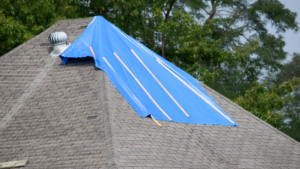
One of the most obvious and widespread causes of roof leaks is damaged or missing shingles. Shingles can crack, curl, or be blown away entirely due to age, wind, or hail. Without them, your roof’s underlayment is exposed to the elements and water can easily seep in.
This is especially common after strong summer storms in Arlington, where sudden wind gusts or falling debris can loosen or remove shingles in just minutes.
Compromised Flashing
Flashing is the thin metal material installed around roof features such as chimneys, skylights, valleys, and vents. It’s designed to direct water away from seams and joints. When flashing becomes rusted, cracked, or poorly installed, it no longer seals the gap—and water finds its way in. Improper flashing installation is one of the most overlooked causes of roof leaks, and often the first place our roofing specialists check during an inspection.
Clogged or Broken Gutters
Gutters are meant to channel water away from the roof and foundation. But when they become clogged with leaves, debris, or sediment, water can back up and pool on the roof’s edge. Over time, that moisture works its way under the shingles and causes leaks. Neglecting gutter maintenance is one of the most preventable roof leak causes, yet we see it regularly on homes across Arlington.
Skylight Leaks
Skylights bring natural light into your home—but they can also bring water if not properly sealed or maintained. Faulty installation, cracked panes, or old flashing around the frame can allow water to seep in during heavy rain. Skylight leaks are often misdiagnosed because the water enters around the frame and can appear far from the source. They remain a tricky but common roof leak cause in both older and newer homes.
Chimney Wear and Tear
Chimneys are another major entry point for leaks. Water can get in where the roof meets the brick or stonework, especially if flashing is loose or mortar has deteriorated. Cracked chimney crowns and missing caps can also allow water to enter from the top. Chimney-related issues are one of the more complex causes of roof leaks, and often require coordination between roofing and masonry professionals to resolve.
Improper Roof Vent Installation
Roof vents allow heat and moisture to escape your attic—but if they’re not installed correctly, they can also let water in. Loose seals, poor caulking, or cracked vent housings are all common roof leak causes after vent installations or repairs. This type of leak is common in Arlington homes that have been retrofitted with additional ventilation systems or attic fans.
Cracked or Improperly Sealed Valleys
A roof valley is where two roof planes meet, forming a channel for rainwater to run off. If the shingles or flashing in this area are damaged or poorly installed, the valley can become a direct pathway for water into your home. Valleys carry a lot of water, especially during heavy rainfall. That volume makes them one of the most vulnerable and frequent causes of roof leaks.
Ice Dams in Winter
While not as common as other regions, Arlington can still see winter storms that lead to ice dams. Ice dams form when snow melts on a warm roof, then refreezes at the colder eaves. The ice blocks proper drainage, and water backs up under the shingles.
When this happens, your roof materials may not be able to hold the water, making ice dams one of the seasonal roof leak causes that catch homeowners off guard.
Aging Roof Materials
Every roofing system has a lifespan. As shingles, underlayment, flashing, and sealants age, they lose their ability to protect your home. Materials can shrink, crack, or simply wear out after years of exposure to sun, wind, and rain.
An aging roof is one of the leading causes of roof leaks, particularly for homes in Arlington built more than 20 years ago. Regular inspections help catch these problems before they become major leaks.
Improperly Driven Nails or Poor Workmanship
If nails are overdriven, underdriven, or misplaced, they can puncture the roofing materials or leave gaps where water can sneak in. Similarly, poor workmanship—like misaligned shingles or rushed installations—can create vulnerabilities.
Improper installation is one of the more frustrating roof leak causes because it usually means paying twice—once for the original job and again for the repair.
Storm Damage
High winds, hail, and flying debris during storms can compromise your roof in many ways. Even if you don’t see obvious damage from the ground, a professional inspection may reveal missing granules, punctures, or torn flashing.
Storms remain one of the most unpredictable reasons for roof leaks, which is why post-storm inspections are highly recommended in Arlington and surrounding areas.
Roof Punctures from Debris or Foot Traffic
Falling branches, animal activity, or walking on your roof without proper care can create punctures in the shingles or underlayment. These small holes may go unnoticed until they cause water to enter during a storm.
Damage from roof traffic is one of the accidental but avoidable reasons for roof leaks we see, especially when homeowners attempt DIY roof repairs or installations.
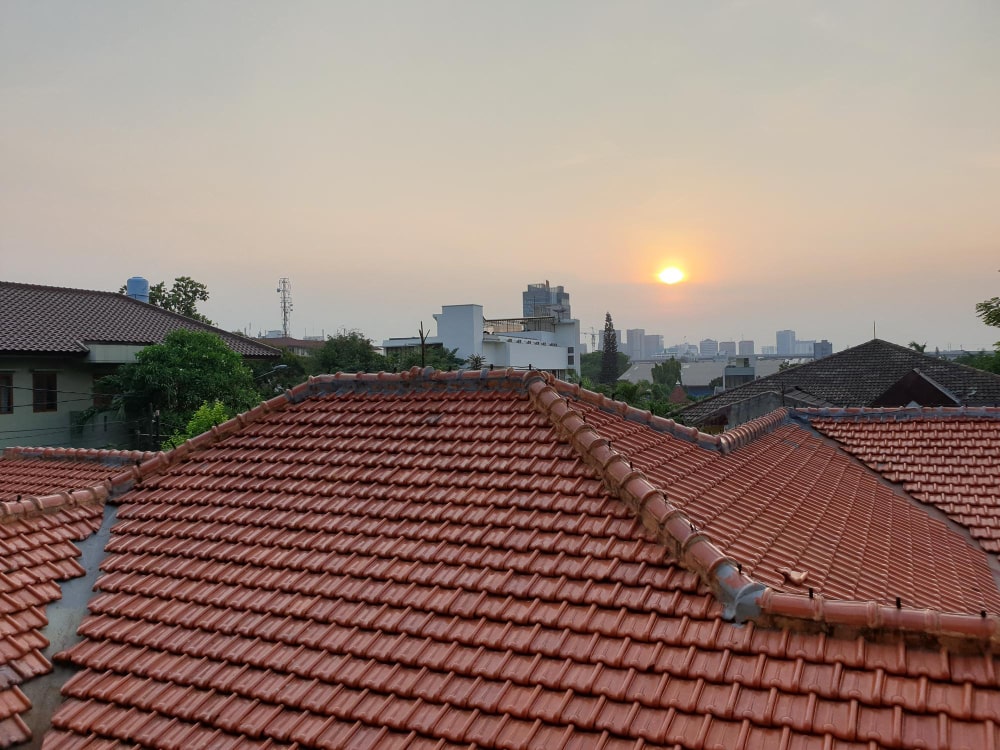
Early Warning Signs of a Roof Leak
Sometimes leaks don’t drip dramatically from the ceiling. There are subtle signs that point to possible reasons for roof leaks. These include water stains on ceilings or walls, peeling paint or bubbling drywall, musty odors in the attic, mold growth on upper floors, warped or discolored siding near the roofline, and a sudden spike in energy bills. Recognizing these signs early can help you catch the leak before major repairs are needed.
How We Identify Roof Leak Causes at Painter Roofing
At Painter Roofing, our team follows a step-by-step approach to identify the root cause of a roof leak. We begin with a visual inspection of shingles, flashing, and other roof features. We also check attic spaces for moisture and ventilation issues. If needed, we conduct water tests to trace leaks and use drones or thermal imaging in more complex cases. Additionally, we provide photo documentation for your records and insurance. Finding the true source—not just the symptom—is critical in resolving roof leak causes effectively.
Fixing the Problem vs. Replacing the Roof
Sometimes a simple repair can solve the leak, but other times, especially with aging roofs or widespread damage, replacement is the smarter choice. We help Arlington homeowners weigh the options based on roof age, extent of damage, the number of leaks or weak spots, budget, and long-term goals. Whether it’s a quick patch or a complete roof system replacement, our goal is always to eliminate reasons for roof leaks and protect your home.
Preventing Future Roof Leaks
While not all leaks are preventable, good roof maintenance goes a long way. We recommend cleaning gutters twice a year, trimming trees away from the roof, scheduling annual roof inspections, replacing missing or damaged shingles promptly, and sealing and checking roof penetrations regularly. Being proactive about maintenance helps reduce the chances of facing unexpected roof leak problems in the future.
Why Choose Painter Roofing in Arlington, VA
Homeowners throughout Arlington trust us for fast, accurate leak diagnostics, honest recommendations without upselling, high-quality repairs with lasting materials, and full transparency throughout the process. As licensed, insured, and local roofing pros, our team is experienced in identifying and resolving all types of roof leak problems, from minor fixes to complete replacements.
Final Thoughts on Reasons for Roof Leaks
Roof leaks are more than an inconvenience—they’re a threat to your home’s safety and stability. By understanding the most common reasons for roof leaks, you can take action early, prevent further damage, and protect your investment.
If you suspect a leak or just want peace of mind, Painter Roofing is here to help. We provide fast, reliable leak inspections and repairs for homes in Arlington and surrounding areas. Don’t Let Roof Leaks Damage Your Home. Get Expert Help Now!
FAQs
Is it normal for a roof to leak in heavy rain?
No, a properly maintained roof should not leak during heavy rain. Roof leaks often occur due to damaged shingles, compromised flashing, clogged gutters, or old roofing materials. Regular inspections and maintenance can help prevent leaks during heavy rain.
Where do most roof leaks occur?
Most roof leaks occur around common entry points like damaged shingles, compromised flashing (around chimneys, vents, and skylights), valleys, and clogged gutters. Attic ventilation and poorly sealed roof penetrations also contribute to leaks.
How much does it typically cost to fix a roof leak?
The cost to fix a roof leak depends on the extent of the damage and the location of the leak. On average, roof leak repairs can range from $150 to $1,000. However, more significant issues or full roof replacements can cost more. It’s important to address leaks early to minimize costly repairs.
Does homeowners insurance cover roof leaks from rain?
Homeowners insurance may cover roof leaks from rain if the damage is caused by a covered peril, such as a storm. However, if the leak results from neglect or lack of maintenance, it may not be covered. Always check with your insurance provider for specific coverage details.
How fast does mold grow after a roof leak?
Mold can begin to grow within 24 to 48 hours of a roof leak, especially in humid environments like attics. Early detection and repair of roof leaks are crucial to prevent mold growth and minimize damage to your home.