

Commercial Roof Inspection: A Complete Guide for Arlington, VA Property Owners
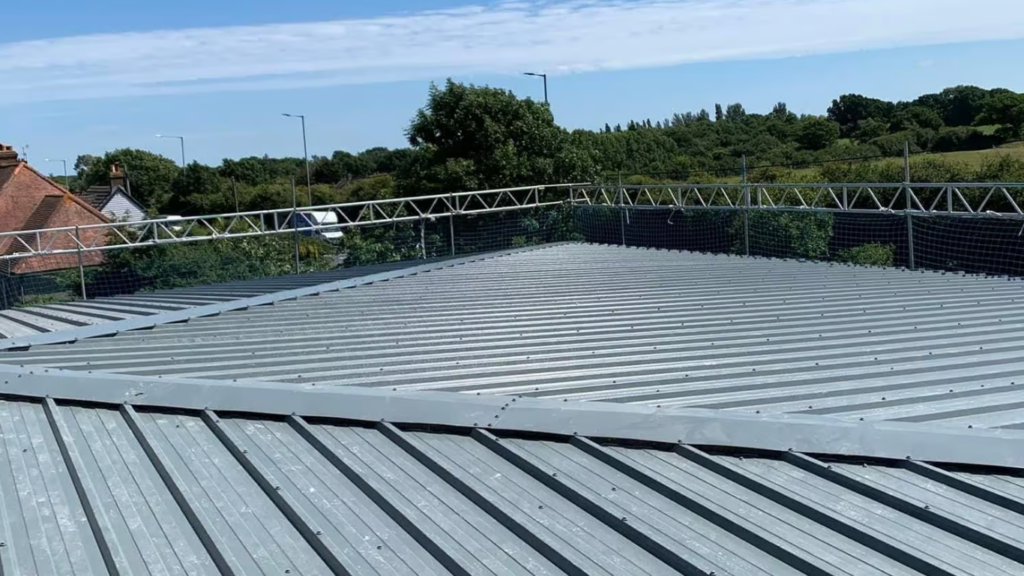
Protecting your property starts at the top—literally. Whether you own a mixed-use building, a multi-family property, or a home with a flat or low-slope roofing system, understanding the commercial roof inspection process is essential. While many homeowners assume inspections are only for large commercial buildings, the same systems and concerns often apply to residential properties in Arlington, VA and surrounding Northern Virginia communities. Flat and low-slope roofs require specialized care, and routine commercial roof inspection services help identify issues before they become costly repairs. From drainage problems to membrane damage, regular inspections are one of the most effective ways to extend roof lifespan and protect your investment. At Painter Roofing, we provide detailed inspection services designed to detect hidden issues, ensure code compliance, and maintain long-term performance. This guide explains the full commercial roof inspection process, what inspectors look for, and why it’s important for Arlington property owners. What Is a Commercial Roof Inspection? A commercial roof inspection is a comprehensive evaluation of a roofing system, typically used for flat or low-slope roofs. It involves examining all roofing components to identify damage, wear, drainage issues, and structural concerns. While commonly used for commercial buildings, many residential properties—especially townhomes, row houses, and homes with flat roofs—benefit from the same level of inspection. A professional commercial roof inspection evaluates: Roofing membrane condition Flashing and seals Drainage systems Roof penetrations Structural components Signs of water intrusion The goal is to detect problems early and recommend appropriate maintenance or repairs. Why Commercial Roof Inspection Matters in Arlington, VA Arlington properties face a variety of weather conditions that can impact roofing systems. These include: Heavy rainfall High humidity Summer heat Winter freeze-thaw cycles Storm damage Debris from surrounding trees Because flat roofs do not shed water as quickly as sloped roofs, they are more vulnerable to pooling and moisture damage. Regular commercial roof inspection services help ensure these systems remain watertight and functional. Who Needs a Commercial Roof Inspection? While the term suggests large buildings, a commercial roof inspection is valuable for many property types. In Arlington, this includes: Flat roof homes Townhouses and row homes Apartment buildings Mixed-use properties Commercial buildings Garages and additions Homeowners with flat or low-slope roofs should consider periodic inspections to maintain roof health. When Should You Schedule a Commercial Roof Inspection? Timing plays a key role in effective roof maintenance. Recommended times for a commercial roof inspection include: Twice per year (spring and fall) After major storms Before buying or selling property When leaks or water stains appear Before warranty expiration Routine inspections help identify issues early and reduce long-term repair costs. Step-by-Step Commercial Roof Inspection Process Understanding what happens during a commercial roof inspection helps homeowners know what to expect. Initial Assessment and Safety Preparation Before accessing the roof, inspectors evaluate safety conditions and gather basic information about the property. This includes: Roof type identification Age of roofing system Previous repair history Access points and safety hazards Proper preparation ensures a thorough and safe inspection process. Exterior Roof Surface Inspection The main portion of a commercial roof inspection involves examining the roof surface. Inspectors look for: Cracks or punctures in the membrane Blisters or bubbles Shrinkage or splitting Surface wear and aging Exposed insulation Surface damage can lead to leaks if not addressed promptly. Inspection of Seams and Flashing Seams and flashing are among the most vulnerable areas of a roofing system. During a commercial roof inspection, professionals carefully evaluate: Seam integrity Flashing around edges Seals around vents and equipment Transition areas between materials Damaged seams are a leading cause of water intrusion. Drainage System Evaluation Proper drainage is essential for flat roofs. Standing water can accelerate deterioration and lead to leaks. A commercial roof inspection includes checking: Roof drains Scuppers Gutters Downspouts Slope and water flow Inspectors look for signs of ponding water or blockages that may affect drainage performance. Roof Penetrations and Equipment Check Many roofs include penetrations such as vents, HVAC units, and skylights. During a commercial roof inspection, inspectors examine: Seals around penetrations Mounting points Protective flashing Equipment stability These areas are common sources of leaks. Structural Inspection Beyond the surface, inspectors may assess the structural components supporting the roof. Structural elements reviewed during a commercial roof inspection include: Roof decking Support beams Signs of sagging Water damage beneath the surface Structural integrity is essential for long-term roof performance. Interior Inspection In some cases, inspectors also check interior spaces such as attics or ceilings. Interior signs of roofing issues may include: Water stains Mold growth Insulation damage Ceiling discoloration Interior findings help confirm issues identified during the exterior commercial roof inspection. Documentation and Reporting After completing the inspection, professionals provide a detailed report. This report typically includes: Photos of problem areas Description of damage Maintenance recommendations Repair estimates Overall roof condition A thorough report allows homeowners to make informed decisions about repairs or replacement. Common Problems Found During Commercial Roof Inspections A professional commercial roof inspection often identifies issues that may not be visible from the ground. Common findings include: Membrane punctures Seam separation Water pooling Blocked drains Flashing damage UV deterioration Mold or mildew Structural weakening Addressing these issues early helps prevent major repairs. Benefits of Regular Commercial Roof Inspection Routine inspections provide significant advantages for property owners. Key benefits include: Early problem detection Extended roof lifespan Reduced repair costs Improved energy efficiency Protection against leaks Better property value Investing in regular commercial roof inspection services is one of the most cost-effective ways to maintain a roofing system. Preventative Maintenance After Inspection After a commercial roof inspection, maintenance may be recommended to keep the roof in good condition. Common maintenance tasks include: Cleaning debris from drains Sealing small cracks Reapplying coatings Tightening fasteners Repairing flashing Preventative care reduces the likelihood of major damage. Commercial Roof Inspection vs Residential Inspection While similar, a commercial roof inspection is typically more detailed than standard residential inspections due to the complexity of flat roofing systems. Key differences include: Focus on membrane systems Emphasis on drainage performance
Modified Bitumen Roofing: A Complete Guide for Arlington, VA Homeowners
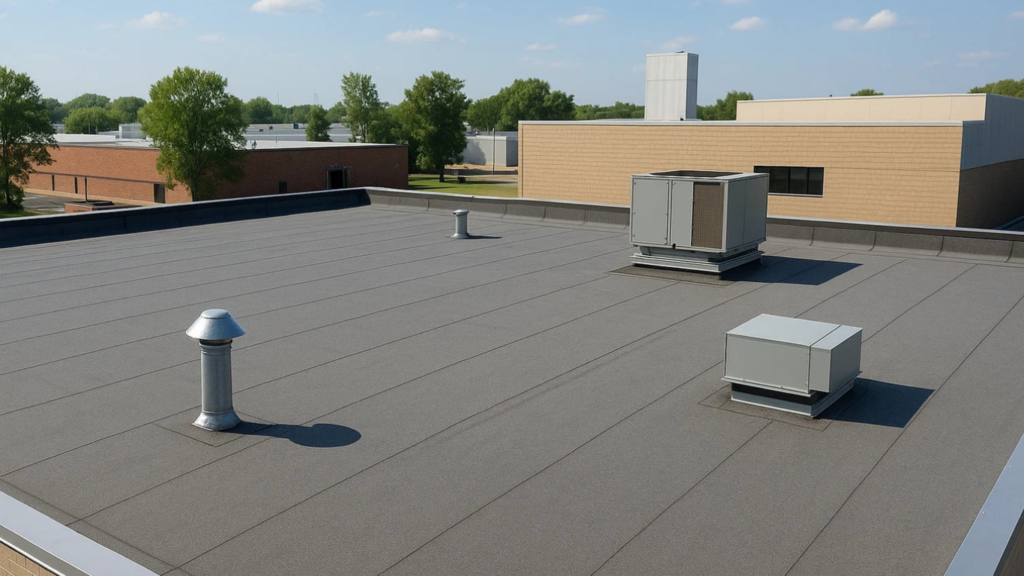
Flat and low-slope roofs require specialized roofing systems designed to handle water drainage, weather exposure, and long-term structural protection. For many homeowners in Arlington, VA and the surrounding Northern Virginia communities, modified bitumen roofing has become a trusted and reliable solution for flat roof protection. Originally developed as an improvement over traditional built-up roofing systems, modified bitumen roofing combines modern polymer technology with durable asphalt layers to create a strong, flexible, and weather-resistant roofing membrane. This roofing system is widely used across residential and commercial buildings due to its durability, waterproofing ability, and relatively affordable installation costs. At Painter Roofing, we frequently install and repair modified bitumen roofing systems for homes throughout Arlington. This comprehensive guide explains how the system works, its advantages, installation methods, lifespan expectations, and why it remains one of the most dependable flat roofing options available. What Is Modified Bitumen Roofing? Modified bitumen roofing is a multi-layer asphalt-based roofing system designed for flat or low-slope roofs. The material is created by combining traditional asphalt with polymer modifiers such as APP (atactic polypropylene) or SBS (styrene-butadiene-styrene). These modifiers improve flexibility, durability, and temperature resistance. The system is typically installed in layers that may include: Base sheets Reinforced membranes Cap sheets Protective coatings or granules The result is a strong waterproof surface that can handle environmental stress and long-term exposure. One of the major advantages of modified bitumen roofing is its layered construction, which provides excellent durability and leak protection for flat roofs. Why Modified Bitumen Roofing Is Popular in Arlington, VA Homes in Arlington experience a wide range of weather conditions throughout the year. Summers can be hot and humid, while winters bring freezing temperatures and occasional snow. Storms, wind, and heavy rainfall also occur regularly. These conditions can be challenging for flat roofs, which must manage water drainage differently from sloped roofs. Modified bitumen roofing performs well in these environments due to its waterproof design and strong weather resistance. For homeowners in Arlington and surrounding communities, modified bitumen roofing provides dependable protection against: Heavy rainstorms Temperature fluctuations UV exposure Snow and ice Wind uplift Tree debris These features make it an excellent option for homes with flat roof sections or low-slope structures. Key Features of Modified Bitumen Roofing One reason modified bitumen roofing remains popular is its combination of modern technology and proven durability. Important features include: Multi-Layer Protection The layered structure of modified bitumen roofing adds durability and redundancy. Multiple layers help prevent leaks and improve overall strength. Reinforced Membranes Most modified bitumen roofing membranes contain fiberglass or polyester reinforcement. This reinforcement improves tear resistance and structural stability. Flexible Polymer Additives Polymer modification allows the material to expand and contract with temperature changes without cracking or splitting. Granulated Surface Many modified bitumen roofing systems include mineral granules on the surface. These granules protect the membrane from UV radiation and improve durability. Types of Modified Bitumen Roofing Systems There are two primary types of modified bitumen roofing, each designed for specific performance characteristics. APP Modified Bitumen APP (atactic polypropylene) modified membranes are designed for heat-welded or torch-applied installation. This type provides strong waterproofing and UV resistance. APP modified bitumen roofing is known for: Excellent heat resistance Strong waterproof sealing Durable surface protection Long-lasting performance SBS Modified Bitumen SBS (styrene-butadiene-styrene) modified membranes are rubber-like in flexibility. They are often applied using adhesives or cold-applied systems. SBS modified bitumen roofing offers: Exceptional flexibility Crack resistance Cold weather durability Improved elasticity Painter Roofing helps homeowners choose the best type of modified bitumen roofing based on roof structure and environmental conditions. Advantages of Modified Bitumen Roofing There are many reasons homeowners choose modified bitumen roofing for flat or low-slope roofs. Excellent Waterproof Protection Waterproofing is one of the most important benefits of modified bitumen roofing. The layered membrane creates a strong barrier that prevents water infiltration. This is especially important in Arlington, where seasonal storms and heavy rainfall can put significant stress on roofing systems. Long Lifespan With proper installation and maintenance, modified bitumen roofing can last 20 to 30 years or longer. The durable membrane resists weather damage and environmental aging. Strong Resistance to Foot Traffic Flat roofs often require occasional access for maintenance or inspections. Modified bitumen roofing handles foot traffic better than many single-ply systems. This makes it ideal for roofs that require service access. Weather and Temperature Resistance Northern Virginia’s seasonal temperature changes can cause roofing materials to expand and contract. The flexible polymers used in modified bitumen roofing allow the membrane to move without cracking. Impact Resistance The reinforced layers of modified bitumen roofing provide strong resistance to impact from falling debris or hail. Homes located near trees benefit from this added protection. Affordable Installation Cost Compared to many other flat roofing systems, modified bitumen roofing offers excellent durability at a moderate price point. This balance between cost and performance makes it attractive to homeowners planning roof replacements. Installation Methods for Modified Bitumen Roofing Professional installation ensures the long-term success of modified bitumen roofing systems. Several installation techniques are commonly used. Torch-Applied Installation In this method, heat is used to bond the membrane directly to the roof surface. Torch application creates a strong waterproof seal. Torch-applied modified bitumen roofing provides excellent adhesion and durability. Cold Adhesive Installation Cold adhesives are sometimes used instead of heat. This method reduces fire risk and can be ideal for residential properties. Self-Adhered Systems Some modern modified bitumen roofing products include peel-and-stick backing. These systems simplify installation and improve safety. Painter Roofing selects the installation method that best suits each home’s design and safety requirements. Modified Bitumen Roofing vs Other Flat Roofing Systems Understanding how modified bitumen roofing compares to other systems helps homeowners choose the best option. Modified Bitumen vs TPO Roofing TPO is a single-ply membrane known for reflectivity, while modified bitumen roofing offers multi-layer protection and better impact resistance. Modified Bitumen vs EPDM Roofing EPDM is flexible rubber, while modified bitumen roofing provides thicker multi-layer construction and improved puncture resistance. Modified Bitumen vs Built-Up Roofing Traditional
EPDM Roofing Benefits: Why Arlington, VA Homeowners Choose EPDM for Flat Roof Protection
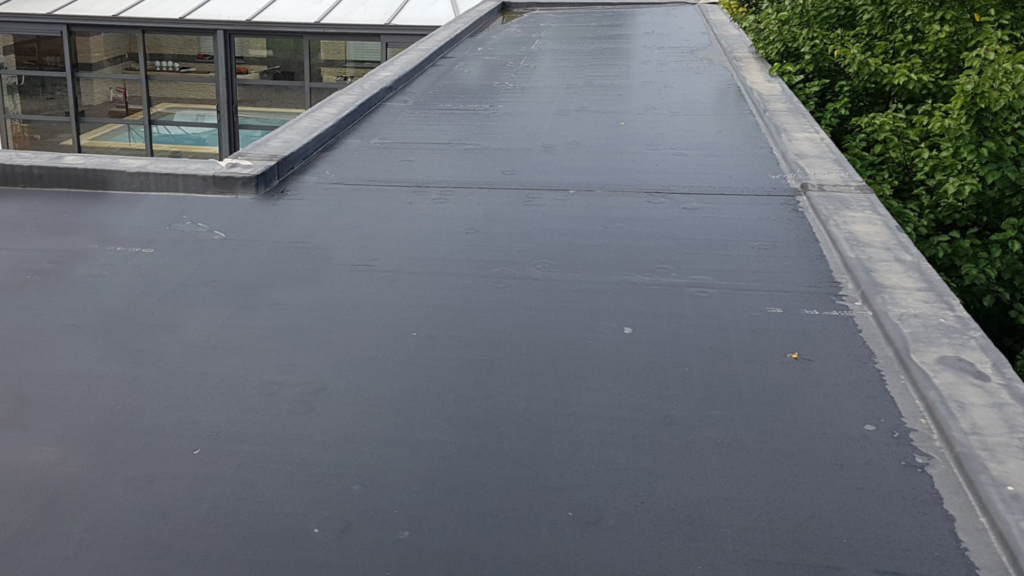
Flat and low-slope roofs require specialized materials designed to withstand standing water, temperature swings, and long-term exposure to the elements. For homeowners in Arlington, VA and surrounding Northern Virginia communities, EPDM roofing has become one of the most trusted and proven solutions for residential flat roofs. Understanding the full range of EPDM roofing benefits helps homeowners make informed decisions about roof replacement, durability, and long-term protection. EPDM (ethylene propylene diene monomer) is a synthetic rubber roofing membrane widely used across the United States for both commercial and residential applications. Known for flexibility, durability, and weather resistance, EPDM has delivered decades of reliable performance in climates similar to Northern Virginia. At Painter Roofing, we specialize in professional EPDM roof installation designed for Arlington homes with flat or low-slope roof systems. This comprehensive guide explains the most important EPDM roofing benefits, how the system works, and why it remains one of the best roofing choices for many homeowners in Arlington and surrounding areas. What Is EPDM Roofing? EPDM is a single-ply rubber roofing membrane installed in large sheets across flat or low-slope roof surfaces. It is typically black in color, though white EPDM options are also available. The material is composed of durable synthetic rubber reinforced for strength and flexibility. EPDM membranes are installed using adhesive bonding, mechanical fastening, or ballasted systems, depending on roof design. Seams are sealed with specialized tape or adhesive, creating a continuous waterproof barrier. One of the primary EPDM roofing benefits is its ability to remain flexible and watertight for decades despite environmental stress. Why EPDM Roofing Is Popular in Arlington, VA Arlington’s climate places significant stress on flat roofing systems. Homes in the region experience: Hot, humid summers Freeze-thaw winter cycles Heavy rainstorms UV exposure Tree debris Temperature fluctuations Occasional snow and ice Flat roofs are particularly vulnerable to standing water and membrane movement caused by thermal expansion. EPDM’s rubber composition allows it to stretch and contract without cracking, making the EPDM roofing benefits especially valuable for Northern Virginia conditions. Major EPDM Roofing Benefits for Homeowners Below are the most important EPDM roofing benefits for residential properties in Arlington. Exceptional Weather Resistance One of the most well-known EPDM roofing benefits is its ability to withstand harsh weather conditions. EPDM remains stable in both extreme heat and freezing temperatures. Weather-related advantages include: Freeze-thaw tolerance UV resistance Ozone resistance Thermal expansion flexibility Storm durability These properties allow EPDM roofs to perform reliably through Northern Virginia’s seasonal extremes. Outstanding Waterproofing Performance Flat roofs must maintain watertight integrity despite standing water and drainage challenges. EPDM membranes provide continuous waterproof protection. Waterproofing EPDM roofing benefits include: Ponding water resistance Seam sealing Leak prevention Penetration protection Moisture barrier performance Reliable waterproofing is critical for Arlington homes with low-slope roofs. Long Lifespan Potential EPDM roofing systems are known for longevity. Properly installed EPDM roofs can last 25–35 years or more. Longevity-related EPDM roofing benefits: UV stability Flexible material Chemical resistance Tear resistance Environmental durability A long lifespan reduces replacement frequency and lifetime roofing cost. Superior Flexibility and Movement Tolerance Roof structures expand and contract with temperature changes. EPDM’s rubber composition allows significant movement without cracking. Structural EPDM roofing benefits: Expansion tolerance Contraction flexibility Structural movement adaptation Crack resistance Aging durability This flexibility is especially important in climates with seasonal temperature swings like Arlington. Excellent Impact Resistance Tree-lined neighborhoods are common in Arlington. Falling branches and debris can damage roofing membranes. EPDM’s rubber structure absorbs impact energy. Impact-related EPDM roofing benefits: Branch impact tolerance Foot traffic resistance Hail resilience Installation durability Maintenance safety Impact resistance helps protect homes in wooded environments. Proven Track Record EPDM has been used in roofing for over 50 years. Its long-term performance history is one of the strongest EPDM roofing benefits. Homeowners benefit from: Decades of field testing Known lifespan expectations Established installation methods Predictable aging behavior Reliable warranty data Few roofing materials have such extensive real-world validation. Cost-Effective Roofing Solution EPDM offers strong durability at moderate cost. Compared to many flat roofing systems, it provides excellent value. Financial EPDM roofing benefits: Moderate material cost Long lifespan Low maintenance Repairability Retrofit compatibility For Arlington homeowners, EPDM balances affordability and performance. Easy Repair and Maintenance EPDM roofs are relatively simple to repair compared to some membranes. Damaged areas can be patched with compatible rubber materials. Maintenance EPDM roofing benefits: Patchable surface Seam resealing Accessible repairs Minimal disruption Low maintenance frequency This reduces lifetime roofing expenses. Lightweight Roofing System EPDM membranes are lightweight compared to multi-layer flat roofing systems. Structural EPDM roofing benefits: Reduced structural load Suitable for older homes Retrofit compatibility Easier installation Less reinforcement needed This makes EPDM ideal for many Arlington residential structures. Chemical and Environmental Resistance EPDM resists environmental degradation from ozone, pollution, and many chemicals. Environmental EPDM roofing benefits: Ozone stability Pollution resistance Acid rain tolerance UV durability Aging resistance These factors contribute to long-term roof performance. EPDM vs Other Flat Roofing Materials Understanding differences highlights key EPDM roofing benefits. EPDM vs TPO EPDM is more flexible; TPO is more reflective EPDM vs PVC EPDM costs less; PVC resists grease and chemicals EPDM vs Modified Bitumen EPDM has fewer seams and lighter weight For many residential applications, EPDM offers excellent durability at moderate cost. Ideal Homes for EPDM Roofing in Arlington EPDM is particularly suitable for: Flat-roof homes Low-slope additions Garage roofs Porch roofs Townhomes Row houses Contemporary architecture These structures benefit most from EPDM roofing benefits. Installation Methods for EPDM Roofing Proper installation ensures full EPDM roofing benefits. Common methods include: Fully adhered system Membrane bonded to substrate with adhesive Mechanically attached system Fastened with plates and screws Ballasted system Weighted with stone (less common residentially) Painter Roofing selects the best method based on home design. Insulation and Energy Performance EPDM systems typically include insulation boards beneath the membrane. This improves thermal performance. Energy-related EPDM roofing benefits: Insulation compatibility Heat retention in winter Reduced heat transfer Indoor comfort improvement White EPDM options also improve summer reflectivity. Drainage Compatibility Flat roof drainage is critical. EPDM
TPO Roofing Advantages: Why Arlington, VA Homeowners Are Choosing TPO Roof Systems
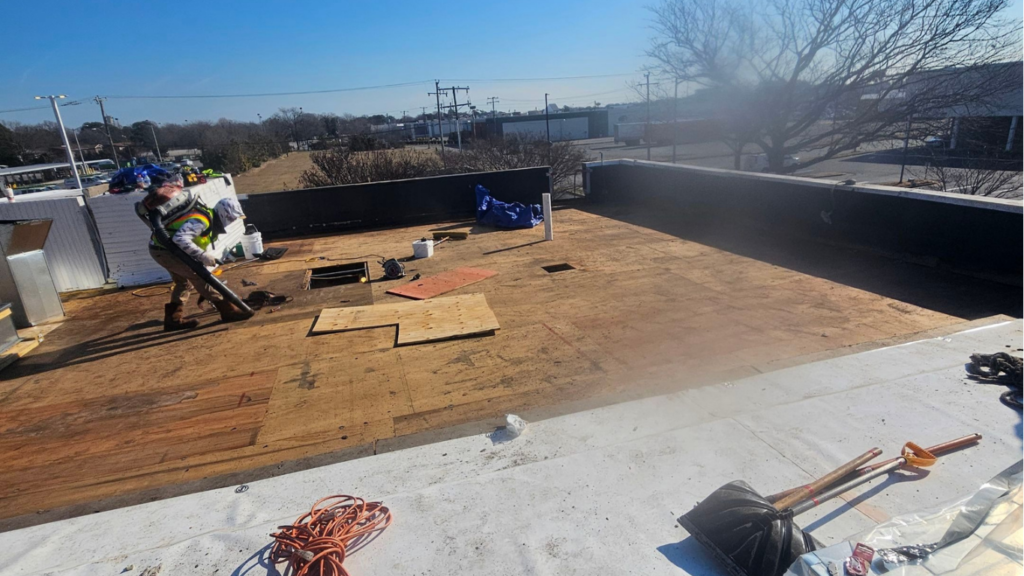
Choosing the right roofing system is one of the most important decisions a homeowner can make—especially for homes with flat or low-slope roof designs. In Arlington, VA and surrounding Northern Virginia communities, more homeowners are turning to thermoplastic polyolefin (TPO) roofing for its durability, efficiency, and long-term value. Understanding the full range of TPO roofing advantages helps homeowners make informed decisions about protecting their homes and managing long-term roofing costs. TPO has become one of the fastest-growing roofing materials in the United States due to its balance of performance and affordability. For Arlington homes exposed to seasonal storms, humidity, temperature swings, and UV exposure, TPO provides reliable protection with minimal maintenance. At Painter Roofing, we specialize in professional TPO roof installation tailored to local climate conditions and residential structures. This comprehensive guide explains the major TPO roofing advantages, how the system works, and why it is an excellent roofing solution for many Arlington homeowners. What Is TPO Roofing? TPO (thermoplastic polyolefin) is a single-ply roofing membrane designed primarily for flat and low-slope roofs. It is manufactured from a blend of polypropylene and ethylene-propylene rubber, reinforced with polyester fabric for strength and flexibility. TPO membranes are typically white or light-colored, heat-welded at seams, and installed in large sheets across the roof surface. The system creates a continuous waterproof barrier resistant to moisture, UV rays, and environmental stress. One of the key TPO roofing advantages is its ability to combine durability, flexibility, and energy efficiency in a single roofing system. Why TPO Roofing Is Popular in Arlington, VA Arlington’s climate presents unique roofing challenges. Homes experience: Hot, humid summers UV exposure Heavy rainstorms Freeze-thaw cycles Winter snow Debris from trees Temperature swings Flat and low-slope roofs are especially vulnerable to standing water and membrane stress. TPO membranes are designed to handle these conditions, making the TPO roofing advantages particularly valuable for Northern Virginia homeowners. Major TPO Roofing Advantages for Homeowners TPO offers a wide range of performance and financial benefits. Below are the most important TPO roofing advantages for residential properties in Arlington. Energy Efficiency and Reflectivity One of the most significant TPO roofing advantages is its high solar reflectivity. The white membrane reflects sunlight rather than absorbing heat, reducing roof surface temperature. Benefits include: Lower attic heat gain Reduced cooling costs Improved indoor comfort Less HVAC strain Lower energy bills In Arlington’s hot summers, reflective roofing can significantly improve home efficiency. Heat-Welded Seam Strength Unlike glued or taped membranes, TPO seams are heat-welded using hot air. This process fuses sheets into a continuous monolithic surface. This creates major TPO roofing advantages: Seam strength equal to membrane Superior leak resistance Long-term waterproofing Wind uplift resistance Reduced failure risk Seams are traditionally the weakest part of flat roofs, but TPO eliminates this vulnerability. Excellent Waterproofing Performance Flat roofs must handle water drainage differently than sloped roofs. TPO membranes create a seamless waterproof barrier across the roof surface. Key waterproofing TPO roofing advantages include: Resistance to ponding water Seamless coverage Penetration sealing Leak prevention Moisture resistance For Arlington homes with low-slope roofs, waterproofing reliability is critical. Durability Against Weather Extremes TPO membranes are engineered to withstand environmental stress. They remain flexible in cold weather and stable in heat. Weather-related TPO roofing advantages: Freeze-thaw resistance UV stability Ozone resistance Thermal expansion tolerance Wind durability Northern Virginia’s seasonal extremes make these properties especially valuable. Impact and Tear Resistance TPO membranes are reinforced with polyester fabric, improving resistance to punctures and tears. Structural TPO roofing advantages: Branch impact resistance Foot traffic durability Installation safety Maintenance access tolerance Storm debris protection Tree-lined Arlington neighborhoods benefit from impact-resistant roofing. Lightweight Roofing System Compared to traditional multi-layer flat roofing systems, TPO is lightweight. Structural TPO roofing advantages include: Reduced load on framing Suitable for older homes Easier installation Less structural reinforcement Retrofit compatibility This makes TPO ideal for both new construction and roof replacement projects. Cost-Effective Installation TPO balances performance and affordability. It provides advanced roofing technology at moderate cost. Financial TPO roofing advantages: Lower material cost than PVC Faster installation Reduced labor time Minimal maintenance Long service life For Arlington homeowners, TPO offers strong value compared to other flat roofing systems. Low Maintenance Requirements TPO roofs require minimal upkeep when installed properly. Maintenance TPO roofing advantages: Dirt-resistant surface Mold resistance Algae resistance Seam durability Easy inspection Homeowners save time and maintenance expenses over the roof lifespan. Eco-Friendly Roofing Option TPO is considered environmentally responsible roofing. Environmental TPO roofing advantages: Energy efficiency Recyclable material Reduced heat island effect Lower carbon impact Long lifespan Sustainable building practices are increasingly important in Arlington communities. Long Lifespan Potential Properly installed TPO roofs typically last 20–30 years. Longevity TPO roofing advantages: UV stability Seam integrity Chemical resistance Weather tolerance Structural flexibility Longevity reduces replacement frequency and lifetime cost. TPO vs Other Flat Roofing Systems Understanding comparative performance helps highlight TPO roofing advantages. TPO vs EPDM TPO reflects heat; EPDM absorbs heat TPO vs PVC TPO costs less; PVC has chemical resistance TPO vs Modified Bitumen TPO has fewer seams and lighter weight For many residential applications, TPO provides the best balance of cost and performance. Ideal Homes for TPO Roofing in Arlington TPO is especially suitable for: Modern flat-roof homes Low-slope additions Porch roofs Garage roofs Townhomes Row houses Contemporary architecture These structures benefit most from TPO roofing advantages. Professional Installation Matters Proper installation is essential to maximize TPO roofing advantages. Key steps include: Substrate preparation Insulation placement Membrane alignment Heat-welded seams Edge securement Flashing integration Painter Roofing specializes in certified TPO installation for Arlington homes. Insulation and Energy Performance TPO systems often include rigid insulation beneath the membrane. This enhances thermal performance. Energy-related TPO roofing advantages increase when combined with: Polyiso insulation Tapered drainage boards Ventilation planning Reflective surface Insulated TPO roofs improve year-round comfort. Drainage Performance on Low-Slope Roofs Drainage design is critical for flat roofs. TPO systems accommodate tapered insulation and internal drains. Drainage TPO roofing advantages: Positive water flow Ponding resistance Leak prevention Seam sealing Long-term durability Effective drainage
Roof Asset Management: A Smart Long-Term Strategy for Arlington Homeowners

For homeowners in Arlington, VA, and the surrounding areas, the roof is one of the most important and expensive parts of the home to maintain. Yet, many homeowners don’t have a clear plan for managing their roof’s condition over time. That’s where roof asset management comes in. At Painter Roofing, we believe that every homeowner should have a structured approach to extending the lifespan, efficiency, and value of their roofing system. Implementing a roof asset strategy ensures you always know your roof’s condition, what maintenance is needed, and when to plan for repairs or replacement. This guide will explain what roof asset management means, why it matters, and how it can help homeowners in Arlington protect their property investment for years to come. What Is Roof Asset Management? Roof asset is the process of systematically monitoring, maintaining, and planning for the long-term performance of your roof. Instead of waiting for leaks or damage to occur, it focuses on proactive care—regular inspections, preventive maintenance, and timely repairs. In simple terms, roof assets treat your roof like any other valuable asset. You track its condition, record maintenance activities, forecast its remaining life, and make informed financial decisions based on data, not guesswork. For homeowners, this means fewer surprises, better budget control, and a longer-lasting roof. Why Roof Asset Matters for Homeowners Homeowners often overlook the importance of routine roofing evaluations until a costly issue arises. A structured roof asset management program can save significant time and money by preventing major failures before they happen. Many homeowners neglect routine roof evaluations until a significant issue arises, often leading to costly repairs. However, implementing a structured roof asset management program can prevent these problems before they escalate, saving both time and money. Routine inspections and maintenance can significantly extend a roof’s lifespan—by as much as 25%. By addressing minor issues like cracked flashing or loose shingles early on, homeowners can avoid the need for premature roof replacements. This proactive approach not only saves money in the long run but also reduces the likelihood of emergency repairs, which tend to be far more expensive than planned maintenance. A well-maintained roof asset plan allows homeowners to budget for small repairs, ensuring that larger, more costly repairs don’t catch them off guard. Additionally, roofs that are regularly maintained provide better insulation and ventilation, improving energy efficiency. By ensuring attic spaces, vents, and roofing materials are functioning optimally, a roof asset management program helps lower energy bills throughout the year. A home with a well-documented roofing history also stands out to potential buyers. A thorough roof asset report not only adds credibility but also shows that the roof has been properly cared for, which can be a deciding factor during the home selling process. Finally, neglecting roof maintenance can lead to hidden structural issues that jeopardize the safety of your home. Regular roof assessments identify potential hazards like water damage or sagging, preventing these problems from compromising your home’s structural integrity. The Key Components of a Roof Asset Management System A successful roof asset program involves several interconnected parts. Each component works together to maintain your roof’s health and optimize long-term performance. 1. Roof Inventory and Documentation Every roof management plan starts with accurate records. This includes details about: Roof type and material. Installation date and warranty coverage. Contractor information. Repair and inspection history. Painter Roofing recommends keeping a digital logbook that tracks all roofing activities. This data becomes invaluable for future decisions and warranty claims. 2. Regular Roof Inspections Scheduled inspections are the foundation of roof asset management. These inspections help identify issues before they become emergencies. For residential homes in Arlington, VA, we suggest scheduling: Two inspections per year—one in spring and one in fall. Post-storm inspections after heavy rain, wind, or hail. Each inspection should include both exterior and attic evaluations, ensuring that water intrusion, ventilation problems, or material wear are detected early. 3. Preventive Maintenance Routine maintenance is what transforms roof assets from a simple inspection plan into a powerful preservation system. Tasks may include: Cleaning gutters and downspouts. Re-sealing flashing and vents. Removing debris or moss buildup. Repairing loose shingles. Checking attic insulation and ventilation. Painter Roofing’s team can perform these tasks as part of a scheduled maintenance plan to help your roof last as long as possible. 4. Condition Assessment and Grading A professional roofing company uses standardized criteria to rate your roof’s condition. These grades—ranging from “Excellent” to “Failing”—help track deterioration over time. A proper roof asset report will outline specific issues, photos, and recommended actions. This transparency allows you to prioritize repairs based on urgency and budget. 5. Budget Forecasting and Planning Roofing expenses can be unpredictable without a management system. A key benefit of roof assets is that it provides long-term financial clarity. By tracking performance data and expected lifespan, homeowners can: Anticipate repair or replacement costs years in advance. Avoid financial surprises from sudden leaks. Plan improvements during the most cost-effective seasons. This proactive approach ensures your roofing investment remains stable and predictable. 6. Digital Tracking and Reporting Modern roof assets often include digital dashboards that allow homeowners to access inspection results, maintenance records, and warranty details online. Painter Roofing provides digital documentation for every service visit, ensuring you always have accurate, easy-to-access records when needed. The Roof Asset Management Lifecycle A roof goes through several stages during its lifespan, and roof assets help guide it through each one with precision. Stage 1: Installation and Baseline Evaluation The first step in any management program starts right after installation. Establishing a baseline record ensures all future inspections can be compared to the original condition. Stage 2: Ongoing Maintenance During this phase, regular inspections and preventive maintenance preserve roof integrity. Any minor issues are addressed quickly to extend service life. Stage 3: Performance Tracking Over time, roofs naturally degrade. Performance tracking through roof management allows you to measure wear rates and identify patterns in weather-related damage or aging. Stage 4: Restoration or Repair When moderate damage occurs, targeted repairs
Commercial Roofing Safety Protocols
When it comes to roofing projects, safety should never be an afterthought. At Painter Roofing, we believe that every successful roofing job begins with a solid commitment to safety — especially when it involves large-scale or complex commercial properties. For businesses and property owners in Arlington, VA, and surrounding areas, understanding the principles of commercial roofing safety can make all the difference between a smooth project and a costly, dangerous mistake. Roofing work, by nature, involves significant risks — from working at heights to handling heavy materials and specialized tools. However, with the right planning, training, and protective measures, those risks can be minimized. This is why Industrial Roofing Safety is a cornerstone of our operations at Painter Roofing. Our goal is not only to deliver high-quality workmanship but to ensure the protection of our workers, clients, and properties every step of the way. The Importance of Commercial Roofing Safety Safety is more than compliance; it’s a culture. Commercial roofing safety goes beyond wearing helmets and harnesses. It’s about building habits, procedures, and standards that protect everyone on and around a job site. For property owners, a strong focus on safety provides peace of mind. You know that your contractor is taking every precaution to prevent accidents, property damage, and liability issues. For roofing crews, it ensures they can perform their work efficiently and confidently in a secure environment. At Painter Roofing, we consider Industrial Roofing Safety an investment — one that saves time, reduces risk, and reinforces our reputation for professionalism and reliability. Key Risks in Commercial Roofing Projects Commercial roofing safety is essential because several risks are present on every job site. Falls remain the leading cause of roofing-related injuries, especially on larger, higher commercial roofs. Weather conditions such as wind, rain, ice, and extreme heat increase the chances of slips, equipment failure, and heat-related issues. Handling heavy roofing materials can strain muscles or cause lifting injuries when proper techniques aren’t followed. Workers must also stay alert around electrical systems and power lines that pose electrocution hazards. Additionally, a deteriorated or weakened roof deck can lead to structural instability, making thorough inspections critical before beginning any work. Falls and Height Hazards Falls from elevated surfaces continue to be the most serious threat on roofing sites, particularly when working on expansive and elevated commercial buildings. Ensuring workers are protected with fall prevention systems and properly trained reduces accident risks significantly. Because the stakes are high at elevated heights, maintaining strict vigilance is crucial during every phase of the project. Weather Conditions Changing weather can quickly turn a safe job site into a hazardous one. Rain and ice create slippery conditions, wind can destabilize materials, and extreme heat may cause fatigue or dehydration. By monitoring conditions and pausing work when necessary, roofing crews stay protected from weather-related dangers. Material Handling and Lifting Injuries Commercial roofing materials are often heavy, bulky, and difficult to maneuver, which can result in strains or sudden injuries if not handled correctly. Proper lifting techniques, teamwork, and using mechanical hoisting tools help protect workers from avoidable physical harm. Electrical Hazards With commercial buildings featuring complex electrical systems and overhead power lines, caution is mandatory. Special safety measures must be followed throughout the project to prevent electrical shocks or accidental contact with energized components. Structural Weakness Before roofing work begins, the structure beneath must be assessed to ensure stability. A weakened or damaged deck can collapse under weight, posing serious danger. Identifying structural concerns early helps maintain a secure work environment. Pre-Job Safety Planning and Assessment Every successful roofing project starts with a comprehensive safety plan. At Painter Roofing, we conduct detailed pre-job evaluations to identify hazards like uneven surfaces, weak decking, and accessibility issues. Our safety planning also includes weather monitoring, establishing emergency procedures, and confirming that all tools and materials function properly. Crew members receive a thorough briefing before work begins, making sure everyone understands responsibilities and procedures to maintain a safe and coordinated workflow. Personal Protective Equipment (PPE) PPE is essential in commercial roofing safety, providing workers with protection from falls, impacts, and environmental conditions. Painter Roofing equips every team member with hard hats, safety harnesses, non-slip boots, protective eyewear, gloves, and high-visibility vests. We also provide continuous training on proper use, inspection, and replacement of PPE to ensure maximum protection throughout the project. Fall Protection Systems Because falls are the most common roofing hazard, Painter Roofing utilizes OSHA-approved fall protection systems on every job. Guardrails, warning lines, lifelines, and anchorage points help define safe zones and prevent edge-related accidents. When necessary, safety nets and properly assembled scaffolding provide an additional level of fall arrest protection, significantly reducing the likelihood of injuries. Training and Certification Safety equipment only works when workers know how to use it effectively. Painter Roofing prioritizes ongoing training, including OSHA certifications, first-aid and CPR instruction, fall prevention drills, and equipment operation courses. Our team is equipped to identify hazards immediately and maintain a professional, safety-first work environment for every commercial roofing project in Arlington, VA, and surrounding areas. Equipment Safety and Maintenance Well-maintained tools are key to preventing accidents. Painter Roofing follows strict commercial roofing safety protocols, with daily equipment checks on ladders, power tools, lifting devices, compressors, and nail guns. Detailed logs ensure timely repairs and servicing, so every piece of equipment remains safe and reliable on the job. Weather Safety Precautions Because Arlington weather can change quickly, roofing projects must be planned with conditions in mind. We observe forecasts closely and pause work during high winds, storms, or extreme temperatures. From enforcing hydration breaks in summer to using extra traction in winter, our weather-aware practices help maintain a safe and productive work environment. Communication and Coordination Clear communication prevents confusion and accidents on busy commercial sites. Painter Roofing uses daily safety meetings, visual markers, and radios to ensure smooth coordination among crews. Supervisors oversee operations to enforce compliance, while clients receive regular updates for transparency and peace of mind. Emergency Preparedness Even the safest job sites must be
Energy Efficient Commercial Roofing: A Smart Investment For Arlington, VA Businesses
In today’s world of rising energy costs and growing environmental awareness, energy efficient commercial roofing is more than just a trend — it’s a practical investment for building owners. Whether you manage an office building, retail center, or industrial facility in Arlington, VA, choosing the right roofing system can dramatically reduce energy consumption, lower utility bills, and extend the life of your property. This guide will explore what makes a roof energy efficient, the available material options, how installation and maintenance affect performance, and why commercial property owners across Arlington and surrounding areas are choosing to make the switch. Gaco Western roof coating provides superior energy efficiency by reflecting sunlight and reducing cooling costs. Discover more energy-efficient commercial roofing solutions that can dramatically lower your building’s operating expenses. What Makes A Roof Energy Efficient? The key to energy-efficient commercial roofing lies in how well it reflects heat, retains insulation, and maintains stable indoor temperatures throughout the year. Here are the primary characteristics that define an energy-efficient roof: High Reflectivity: The ability to reflect sunlight and reduce heat absorption. Strong Insulation: Materials that prevent heat transfer between the roof and the interior. Durability: Roofing systems are designed to withstand UV exposure and weather extremes without degrading. Proper Ventilation: Balanced air flow that reduces condensation and regulates temperature. In a city like Arlington, VA, where summer heat and humidity can strain HVAC systems, energy-efficient commercial roofing helps maintain a consistent indoor climate without overworking air conditioning units. The Benefits Of Energy Efficient Commercial Roofing Investing in energy-efficient commercial roofing provides both immediate and long-term benefits. From reduced operational costs to enhanced comfort and sustainability, the advantages are significant for business owners and property managers. Lower Energy Bills By reflecting sunlight and improving insulation, these roofing systems reduce the need for constant cooling during hot months. Businesses often experience up to 20–30% lower energy bills after installation. Improved Indoor Comfort A well-designed energy efficient commercial roofing system stabilizes indoor temperatures, keeping office spaces cooler in summer and warmer in winter. Employees, tenants, and customers all benefit from a more comfortable environment. Extended Roof Lifespan Energy-efficient materials minimize thermal expansion and contraction, reducing wear and tear. This helps your roof last longer and lowers maintenance costs over time. Environmental Impact Reducing your building’s energy demand directly decreases carbon emissions. For business owners in Arlington committed to sustainability, energy-efficient commercial roofing supports green initiatives and corporate responsibility goals. Tax Incentives And Rebates Many energy-efficient upgrades qualify for federal, state, or local incentives. These can include tax credits, utility rebates, or energy savings programs that make installation more affordable. Top Energy Efficient Commercial Roofing Options Choosing the right material is essential for maximizing energy savings and performance. Painter Roofing offers a variety of energy-efficient commercial roofing systems suited for Arlington’s climate and building types. TPO (Thermoplastic Polyolefin) Roofing TPO roofing is one of the most popular energy efficient commercial roofing solutions for flat or low-slope buildings. Its white reflective surface helps deflect UV rays and reduce rooftop heat buildup. Highly reflective and ENERGY STAR® rated Resistant to punctures, dirt, and microbial growth Cost-effective and low maintenance Perfect for office buildings, warehouses, and retail centers EPDM (Ethylene Propylene Diene Monomer) EPDM is a durable synthetic rubber roofing membrane that offers excellent insulation and longevity. Although typically black, lighter reflective coatings can be added for better energy performance. Proven performance in extreme temperatures Long lifespan (20–30 years) Excellent waterproofing and flexibility PVC Roofing PVC membranes are strong, flexible, and highly reflective, making them an excellent choice for businesses seeking durability and sustainability. They offer exceptional UV resistance and chemical protection, welded seams for waterproof reliability, and superior fire and wind resistance, ensuring long-lasting performance even under harsh conditions. Cool Roof Coatings Cool roof coatings are applied over existing roofs to enhance reflectivity and extend the life of roofing systems. These coatings can transform traditional dark surfaces into energy-saving, reflective systems that lower rooftop temperatures by up to 50°F, reduce the heat island effect, and prolong the lifespan of the existing roof. Metal Roofing Modern metal roofs are engineered with reflective coatings, making them one of the top-performing energy-efficient commercial roofing options. They provide excellent heat reflectivity and emissivity, have a long lifespan of 40–50 years, and are recyclable and environmentally friendly, making them ideal for both commercial and residential buildings. How Energy Efficient Roofing Works Energy efficient commercial roofing works through a combination of reflectivity, insulation, and ventilation. Together, these features minimize heat gain and energy waste. Reflectivity The roof’s ability to reflect solar radiation reduces the amount of heat absorbed by the building. Materials like TPO and PVC reflect up to 80% of sunlight, lowering surface temperatures dramatically. Insulation Insulation prevents heat transfer between the building interior and the roof, keeping indoor spaces cool in summer and warm in winter. The right insulation thickness depends on local climate and building design. Ventilation Proper ventilation prevents moisture buildup and allows trapped heat to escape. This not only enhances comfort but also prevents roof damage and mold growth. By combining these elements, energy-efficient commercial roofing creates a thermal barrier that keeps energy consumption low and building performance high. Why Energy Efficiency Matters In Arlington, VA Arlington’s climate includes humid summers and cold winters — both of which put pressure on heating and cooling systems. As utility costs continue to rise, commercial buildings need solutions that reduce energy waste year-round. Energy-efficient commercial roofing helps businesses in Arlington adapt to these conditions. By investing in advanced roofing technology, property owners can: Maintain comfortable temperatures with less HVAC usage Lower monthly operating costs Reduce strain on aging equipment Comply with evolving energy regulations and codes Painter Roofing specializes in solutions that meet local building standards while delivering measurable long-term value. Installation Process For Energy Efficient Commercial Roofing At Painter Roofing, we follow a detailed and transparent installation process designed to deliver lasting performance and maximize energy efficiency. The process begins with an initial consultation and roof assessment, where our experts inspect