

The Importance of Roof Underlayment During Installation: A Homeowner’s Guide for Arlington, VA
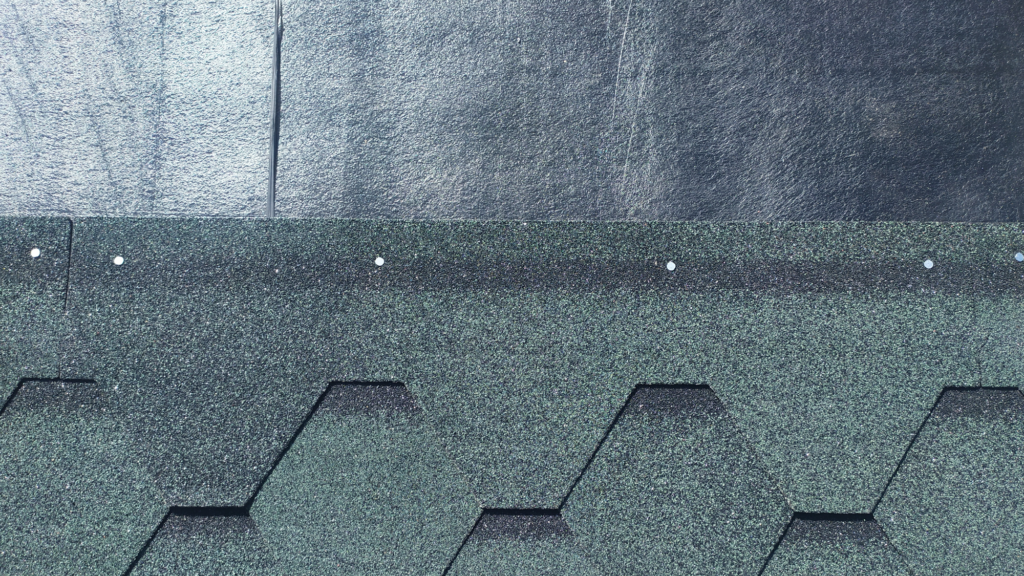
A durable roof does more than provide an attractive finish to a home. It protects the structure from rain, wind, moisture, and changing temperatures throughout the year. While shingles, metal panels, and other roofing materials receive most of the attention during a roofing project, an essential component beneath the visible roof covering often goes unnoticed: roof underlayment. For homeowners in Arlington, VA, and the surrounding areas, understanding the role of underlayment can help them make better decisions when installing a new roof or replacing an aging roofing system. This protective layer contributes to the roof’s ability to manage moisture and provides an additional safeguard beneath the primary roofing material. Proper roof underlayment installation is an important part of building a reliable roofing system. The right underlayment, combined with appropriate flashing, ventilation, drainage, and quality roofing materials, helps protect vulnerable areas of the roof and supports long-term performance. At Painter Roofing, homeowners can explore roofing solutions designed around their property’s needs. Learning how underlayment works and why installation quality matters can help homeowners understand what to look for when planning a roof replacement or new roof installation. Understanding Roof Underlayment Roof underlayment is a protective material installed over the roof deck and beneath the primary roofing covering. Depending on the roofing system, it may be used beneath asphalt shingles, metal roofing, tile, or other materials. The roof deck provides the structural surface that supports the roofing assembly. Underlayment sits above this deck and below the outer roofing material, creating an additional layer of protection against moisture. Although shingles and other roof coverings are designed to shed water, they are not always completely impervious to water intrusion. Wind-driven rain, ice-related conditions, damaged shingles, and other issues can allow moisture to reach areas beneath the visible roof surface. A properly selected and installed underlayment helps manage this risk by providing a secondary layer of protection. The effectiveness of roof underlayment installation depends on several factors, including the type of material used, roof slope, local weather exposure, manufacturer specifications, and the quality of the installation. Underlayment must be incorporated into the complete roofing system rather than treated as a standalone solution. Homeowners should also understand that underlayment does not replace the need for properly installed shingles or panels, flashing around roof penetrations, suitable ventilation, and effective drainage. Why Roof Underlayment Is Important During Installation Roof underlayment serves several purposes that contribute to the overall performance of a roofing system. Although it remains hidden after installation, its condition and placement can influence how well the roof handles moisture and protects the underlying structure. Provides an Additional Layer of Moisture Protection One of the primary purposes of underlayment is to provide a secondary protective layer beneath the main roof covering. Roofing materials are designed to direct rainwater down the roof and into the drainage system. However, certain conditions can allow water to move beneath shingles or other roof coverings. Wind-driven rain, damaged materials, and vulnerable roof transitions can increase the risk of moisture reaching the roof deck. Proper roof underlayment installation helps reduce the chance that this moisture will immediately reach the underlying wood decking. The degree of protection depends on the underlayment material, the way it is installed, and the details of the surrounding roofing components. Overlaps, fastening methods, transitions, and integration with flashing all influence performance. For homeowners in Arlington, VA, where seasonal rainfall and severe storms can expose roofs to challenging conditions, this additional protection is an important consideration during roof installation. Helps Protect the Roof Deck The roof deck supports the shingles, panels, or other roofing materials. When moisture repeatedly reaches the deck, it can contribute to wood deterioration, swelling, delamination, and other forms of damage. Underlayment helps protect this surface by separating the roof deck from the primary roofing material and providing a secondary barrier against water intrusion. However, underlayment cannot compensate for a deteriorated roof deck. Before new materials are installed, damaged or weakened decking should be evaluated and repaired or replaced as necessary. A roofing contractor should inspect the roof surface during installation and address visible problems before covering them with underlayment and roofing materials. Supports Overall Roofing System Performance A roof functions as a coordinated system. Shingles, underlayment, flashing, roof decking, ventilation components, and drainage details each serve a specific purpose. When these components work together, the roof is better equipped to manage rainwater and withstand normal environmental exposure. Poor roof underlayment installation can undermine the performance of otherwise suitable roofing materials. Incorrect overlaps, exposed seams, damaged sections, or improperly detailed penetrations may create pathways for water to reach the deck. Careful installation helps ensure that the underlayment works with the rest of the roofing assembly rather than introducing additional vulnerabilities. Common Types of Roof Underlayment Not all underlayment products are the same. Different materials offer different characteristics, installation requirements, and levels of protection. The appropriate choice depends on the roofing material, roof design, climate exposure, and manufacturer recommendations. Asphalt-Saturated Felt Underlayment Asphalt-saturated felt is a traditional roofing underlayment made from a fibrous base saturated with asphalt. It is commonly available in different weights and has been used beneath asphalt shingles for many years. Felt underlayment can provide a useful secondary protective layer when properly selected and installed. However, it can be more vulnerable to tearing, wrinkling, and moisture-related changes during installation than some newer synthetic products. Its weight, handling requirements, and suitability for the specific roof should be considered before selection. Felt underlayment must be installed according to the product’s requirements, including the correct overlap and fastening methods. Wrinkles or uneven sections can affect the surface above and complicate shingle installation. For homeowners evaluating roof underlayment installation, felt may be an option, but its suitability should be assessed against available alternatives and the roof’s particular needs. Synthetic Roof Underlayment Synthetic underlayment is manufactured from engineered materials designed for roofing applications. Many products are lightweight and offer resistance to tearing during handling and installation. Depending on the product, synthetic underlayment may provide improved durability during installation and
Commercial Roof Repair Costs: What Property Owners Should Know
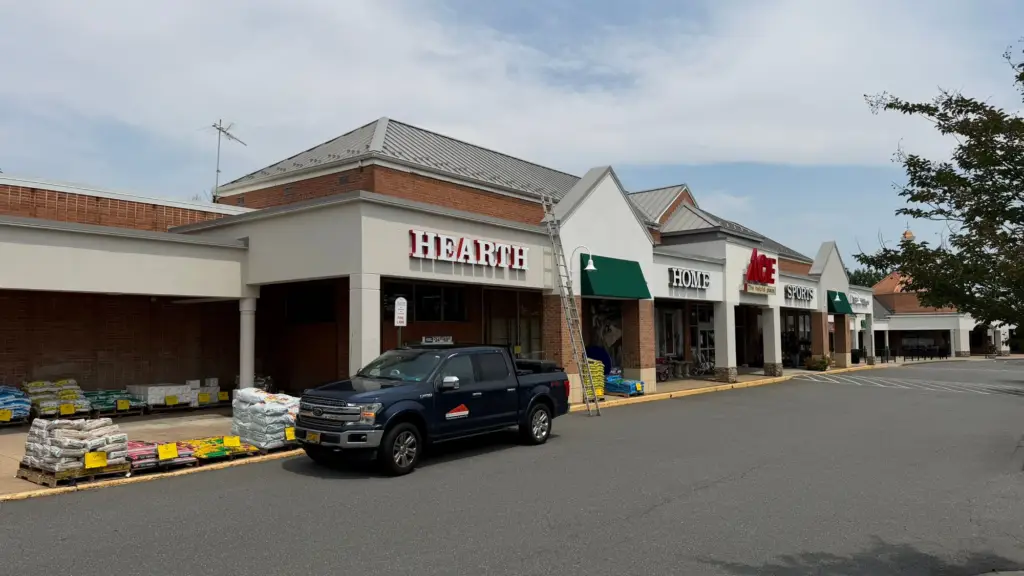
Understanding commercial roof repair cost is important for any property owner responsible for maintaining a commercial building. A damaged roof can affect more than the appearance of a property. Leaks, damaged roofing materials, poor drainage, and neglected maintenance can lead to interior damage, business interruptions, and more expensive repairs if problems are allowed to continue. For property owners, managers, and business operators, knowing what influences commercial roof repair cost can make it easier to plan maintenance, evaluate repair options, and make informed decisions when roofing problems arise. Unlike residential roofing, commercial roofing systems can vary significantly in size, design, materials, and installation methods. A small repair on a low-slope roof may have a very different price from a major repair involving insulation, membrane replacement, flashing, or structural components. At Painter Roofing, we understand that every commercial property is different. Our goal is to help property owners understand their roofing problems, identify practical solutions, and receive professional recommendations based on the actual condition of their roofing system. What Is the Average Commercial Roof Repair Cost? There is no single price that applies to every commercial roofing repair. The final commercial roof repair cost depends on numerous factors, including the size of the damaged area, roofing material, accessibility, labor requirements, extent of water damage, and whether additional components need to be repaired. Minor repairs may involve replacing a small number of damaged components, sealing a localized problem, or correcting flashing issues. More extensive repairs can involve removing damaged materials, repairing insulation or decking, replacing sections of a membrane, or addressing drainage problems. Because commercial roofing systems are often larger and more complex than residential roofs, a professional inspection is the best way to determine the scope of work. Homeowners researching commercial roofing costs may also find it useful to understand that commercial roofing is primarily associated with businesses, offices, retail buildings, warehouses, apartment complexes, and other larger structures. If you own or manage a property with a commercial roofing system, getting an accurate assessment is more useful than relying on a generic price estimate. What Factors Affect Commercial Roof Repair Cost? Several factors can influence the final commercial roof repair cost. Understanding these factors can help property owners recognize why one repair may cost significantly more than another. 1. Size of the Damaged Area The size of the repair is one of the most obvious factors. A small leak affecting a limited portion of the roofing system may require relatively little material and labor. However, damage extending across a large section of the roof may require extensive material removal and replacement. Larger repair areas generally require more materials, labor, equipment, and time. As a result, the overall commercial roof repair cost can increase substantially as the scope of the project grows. 2. Roofing Material Commercial roofs can be constructed using a variety of materials and systems. Common commercial roofing systems include: TPO membrane roofing PVC membrane roofing EPDM roofing Modified bitumen Built-up roofing Metal roofing Roof coatings Other specialized low-slope roofing systems Each system has different installation methods, materials, and repair requirements. For example, repairing a membrane roof may involve patching or replacing a section of membrane, while repairing a metal roof may involve addressing fasteners, seams, corrosion, flashing, or damaged panels. Because material and labor requirements vary, the type of roofing system can have a direct impact on commercial roof repair cost. 3. Extent of the Damage A visible leak does not always represent the full extent of the problem. Water may travel beneath roofing materials before entering the interior of a building. By the time a leak becomes noticeable inside, moisture may already have affected insulation, decking, or other components. If additional materials need to be removed and replaced, the commercial roof repair cost can be higher than the initial appearance of the problem might suggest. This is why professional inspections are important. 4. Roof Accessibility Commercial roofs are not always easy to access. The building’s height, surrounding structures, equipment, roof layout, and access points can all affect how roofing professionals reach the work area. If specialized equipment is needed to safely access the roof, the additional labor and equipment requirements can affect the overall commercial roof repair cost. 5. Roof Design and Complexity A large, simple roof may be easier to repair than a smaller roof with numerous penetrations, rooftop equipment, multiple levels, complicated drainage, or unusual architectural features. Commercial roofs can contain: HVAC units Vents Skylights Pipes Drains Roof hatches Electrical equipment Curbs Multiple roof sections These features can make repairs more complicated. 6. Labor Requirements Labor is another major component of commercial roof repair cost. A straightforward repair may require only a small crew and limited working time. More complicated repairs may require additional workers, specialized skills, safety equipment, and more extensive preparation. Professional roofing work also requires attention to safety procedures, particularly on large commercial buildings. 7. Emergency Repairs A roof leak that occurs during severe weather or outside normal business hours may require emergency attention. Emergency repairs are often focused on minimizing immediate water intrusion and preventing further damage. Temporary measures may be used until permanent repairs can be completed. Emergency service can influence commercial roof repair cost because of additional labor, scheduling, materials, and urgency. Commercial Roof Repair vs. Roof Replacement One of the most important questions property owners face is whether they should repair the roof or replace it. Repairing an isolated problem can often make sense when the roofing system is otherwise in good condition. However, if a roof has widespread deterioration, repeated leaks, extensive moisture damage, or significant material failure, replacement may be worth considering. A professional roofing contractor can evaluate the condition of the existing system and explain whether repair or replacement appears more appropriate. A lower initial commercial roof repair cost does not always mean the repair is the best long-term choice. If the same roofing system continues to experience problems, repeated repairs can eventually become more expensive than addressing the underlying condition. On the other hand, replacing
New Roof Installation Cost: Complete Guide for Arlington, VA Homeowners
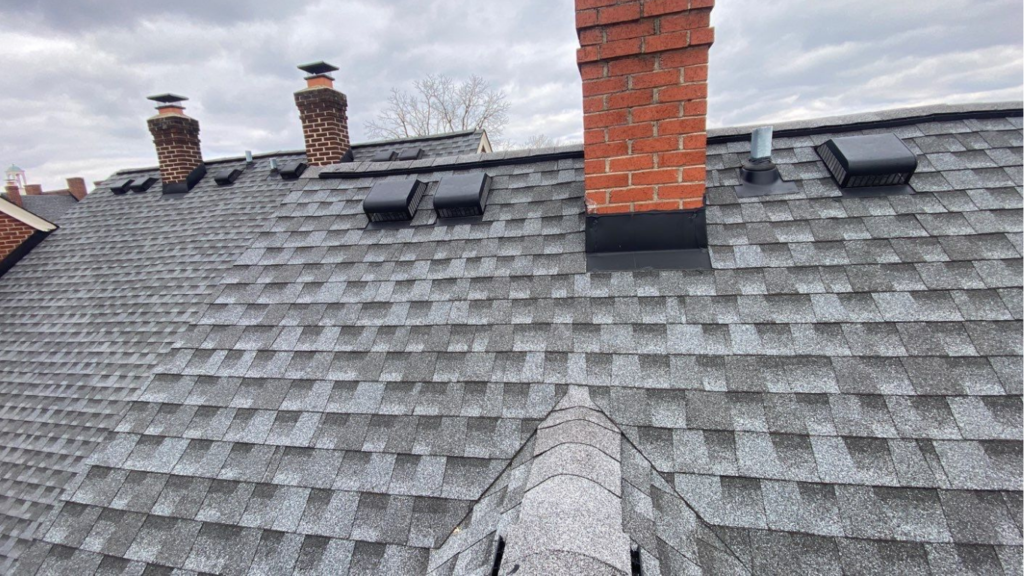
A new roof is one of the most important investments you can make in your home. It protects your property, improves energy efficiency, enhances curb appeal, and increases resale value. Yet for most homeowners in Arlington, VA, the biggest question remains: what determines the new roof installation cost? Understanding roofing costs helps homeowners plan budgets, compare estimates, and make informed decisions. The price of a roof replacement varies widely depending on materials, labor, home size, structural complexity, and regional conditions unique to Northern Virginia. At Painter Roofing, we specialize in transparent pricing and high-quality roof installations tailored to Arlington homes. This comprehensive guide explains every major factor affecting new roof installation cost, helping you understand what to expect and how to plan your project confidently. Why Understanding New Roof Installation Cost Matters Replacing a roof is a major home improvement project. Without understanding cost drivers, homeowners risk under-budgeting, choosing inadequate materials, or accepting inaccurate quotes. Knowing the components of new roof installation cost allows homeowners to: Budget accurately Compare contractor estimates Choose appropriate materials Avoid hidden costs Plan financing Evaluate long-term value Maximize return on investment In Arlington’s competitive housing market, a well-installed roof also increases property value and buyer confidence. How Roofing Estimates Are Calculated in Arlington, VA Professional roofing estimates are based on a detailed evaluation process rather than simple square-foot pricing. Contractors assess structural conditions, installation complexity, and system components to determine realistic project cost. Key elements included in professional cost calculations: Material quantity and waste factor Roof geometry determines how much material is required and how much cutting waste occurs. Labor hours and crew size Complex roofs require more time and skilled installers. Safety setup requirements Steep roofs or tight properties need staging, harnessing, and protective equipment. Removal and disposal logistics Old roofing material weight and landfill fees affect pricing. Flashing and waterproofing scope Transitions and penetrations increase installation time. Ventilation and code upgrades Modern standards may require system improvements. Decking repair allowance Potential wood replacement is often included as contingency. Because every home is unique, accurate evaluation is essential to determining true new roof installation cost rather than relying on rough averages. Roof Size and Square Footage The single largest factor in roofing price is size. Roofing contractors measure roofs in “squares,” where one square equals 100 square feet. Larger roofs require: More materials More labor hours More disposal More underlayment More fasteners Even modest size increases significantly affect new roof installation cost. Multi-story homes also increase labor complexity and safety requirements. Roofing Material Selection Material choice dramatically impacts price. Each material varies in durability, lifespan, installation complexity, and aesthetics. Asphalt shingles Most affordable and common option Architectural shingles Thicker, more durable, higher cost Metal roofing Long lifespan, higher upfront cost Slate roofing Premium, heavy, longest lifespan Wood shake Natural look, specialized installation Material upgrades raise new roof installation cost but often provide longer lifespan and higher home value. Roof Complexity and Design Simple gable roofs cost less than complex designs. Architectural features increase labor time and material waste. Complexity factors include: Multiple slopes Dormers Valleys Skylights Chimneys Intersections Steep pitch More complex roofs require detailed cutting, flashing, and waterproofing, increasing new roof installation cost. Roof Pitch and Accessibility Steeper roofs require additional safety measures and specialized installation techniques. High-pitch roofs increase: Labor time Safety equipment Installation difficulty Material handling effort Limited access—such as tight Arlington lots or urban positioning—also raises new roof installation cost due to staging challenges. Removal of Existing Roofing Before installing a new roof, old materials must be removed. Tear-off cost depends on: Number of layers Material type Disposal fees Deck condition Multiple shingle layers or heavy materials like slate significantly increase new roof installation cost due to labor and waste disposal. Roof Deck Repairs The roof deck (wood sheathing) supports roofing materials. If moisture or rot is discovered during replacement, repairs are required. Deck issues include: Rotting wood Delamination Mold damage Structural weakness Unexpected deck repair is one of the most common variables affecting new roof installation cost. Underlayment and Waterproofing Systems Underlayment protects against moisture penetration. Higher-quality waterproofing systems improve durability but increase cost. Options include: Synthetic underlayment Ice and water shield High-temperature membranes Enhanced barrier systems Upgraded waterproofing increases new roof installation cost but reduces leak risk and extends roof life. Flashing and Penetration Sealing Flashing protects roof transitions such as chimneys, vents, and valleys. Replacing or upgrading flashing is essential during new installation. Flashing work may include: Chimney flashing Step flashing Valley flashing Vent boots Skylight seals Quality flashing installation ensures leak prevention and contributes to overall new roof installation cost. Ventilation System Improvements Proper attic ventilation prevents moisture buildup and heat accumulation. Many Arlington homes have outdated ventilation systems. Ventilation upgrades include: Ridge vents Soffit vents Exhaust vents Baffles Intake systems Improved ventilation enhances energy efficiency and roof longevity while affecting new roof installation cost. Gutter and Drainage Integration Roof replacement often involves gutter adjustments or replacement to ensure proper drainage alignment. Additional costs may include: Gutter replacement Downspout relocation Drainage slope correction Fascia repairs Drainage integration is essential for performance and influences new roof installation cost. Labor Costs in Arlington, VA Local labor rates vary by region. Northern Virginia has higher skilled labor costs than national averages due to: Licensing requirements Insurance standards Safety regulations Cost of living Skilled workforce demand Professional installation quality is critical and represents a major portion of new roof installation cost. Building Codes and Permits Arlington County enforces strict building codes for roofing projects. Compliance may require: Permits Inspections Material standards Ventilation requirements Structural reinforcement Permit fees and compliance work affect overall new roof installation cost. Storm Resistance and Material Upgrades Arlington homes face storms, wind, and occasional hail. Many homeowners choose impact-resistant or wind-rated materials. Upgrades include: Class 4 shingles High-wind fasteners Reinforced underlayment Enhanced sealing systems These improvements increase durability and slightly raise new roof installation cost. Energy Efficiency Features Modern roofing systems improve home efficiency. Energy upgrades include: Reflective shingles Cool roofing materials Insulation upgrades Radiant
Metal Roofing Installation Benefits: Why Arlington, VA Homeowners Are Making the Switch
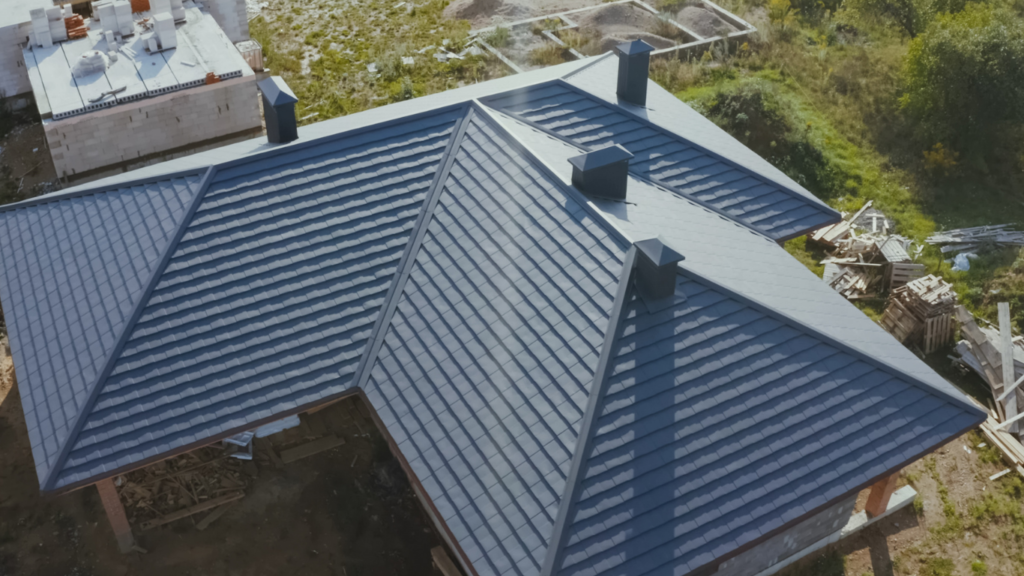
Choosing the right roofing material is one of the most important decisions a homeowner can make. Your roof protects your family, your belongings, and the structure of your home from the elements. For homeowners in Arlington, VA and the surrounding areas, where weather conditions range from hot, humid summers to cold winters and stormy spring and fall seasons, durability and performance matter. One roofing option growing rapidly in popularity is metal roofing installation. At Painter Roofing, we have seen more Arlington homeowners choose metal roofing for its longevity, energy efficiency, and modern appeal. This comprehensive guide explores the benefits of metal roofing installation, what to expect from the process, and why it may be the right choice for your home. What Is Metal Roofing Metal roofing refers to roofing systems made from metal materials such as steel, aluminum, copper, or zinc. These roofs come in a variety of styles, including standing seam panels, corrugated sheets, and metal shingles that mimic the look of traditional roofing materials. Metal roofing is no longer limited to commercial or industrial buildings. Today, it is a popular option for residential homes throughout Arlington and surrounding communities. Why Metal Roofing Installation Is Gaining Popularity Homeowners are increasingly drawn to metal roofing because it offers advantages that traditional asphalt shingles cannot match. These include superior durability, long lifespan, energy efficiency, low maintenance, and strong resistance to weather extremes. In Arlington’s climate, these benefits translate into long-term protection and peace of mind. Exceptional Durability One of the most significant benefits of metal roofing is durability. Metal roofs can withstand high winds, heavy rain, hail, snow, and falling debris. Unlike asphalt shingles, which can crack, curl, or lose granules over time, metal roofing maintains its integrity for decades. For Arlington homeowners who experience seasonal storms, metal roofing installation provides reliable protection year after year. Long Lifespan and Value Metal roofs are known for their longevity. While asphalt shingles typically last 15–25 years, metal roofing can last 40–70 years or more with proper maintenance. This extended lifespan means fewer replacements and lower long-term costs, making metal roofing a smart investment. Energy Efficiency and Cost Savings Energy efficiency is another major advantage of metal roofing installation. Metal roofs reflect solar heat, reducing cooling costs during hot summers. Some systems include special coatings that enhance reflectivity and insulation. For Arlington homeowners, this can lead to noticeable reductions in energy bills and improved indoor comfort. Resistance to Fire and Weather Metal roofing installation offers excellent fire resistance. Metal is non-combustible, providing added safety in case of external fire threats. It also resists wind uplift, making it ideal for areas prone to storms. These protective qualities make metal roofing a strong choice for safety-conscious homeowners. Lightweight and Structural Benefits Metal roofs are surprisingly lightweight. Despite their strength, metal roofing weighs less than many traditional materials, reducing stress on the home’s structure. This makes metal roofing suitable for a wide range of homes, including older Arlington properties. Low Maintenance Requirements Compared to other roofing materials, metal roofing requires minimal maintenance. Routine inspections and occasional cleaning are usually sufficient to keep the roof in excellent condition. Metal roofing installation reduces the need for frequent repairs, saving time and money. Environmentally Friendly Roofing Option Metal roofing is an environmentally responsible choice. Most metal roofs are made from recycled materials and are fully recyclable at the end of their lifespan. Additionally, their energy efficiency reduces overall environmental impact. Aesthetic Versatility Metal roofing is available in many styles and colors. Homeowners can choose from sleek modern panels, classic standing seam designs, or metal shingles that resemble slate, tile, or wood shake. Metal roofing installation enhances curb appeal and complements various architectural styles found in Arlington. Metal Roofing Installation Process The installation process is precise and requires professional expertise. It begins with evaluating the existing roof, preparing the deck, installing underlayment, placing metal panels or shingles, securing fasteners, and sealing seams and edges. At Painter Roofing, every metal roofing installation is completed to the highest standards for performance and durability. Noise Considerations Some homeowners worry that metal roofs are noisy during rain. Modern metal roofing installation includes solid decking, underlayment, and insulation that significantly reduce noise. In most cases, metal roofs are no louder than traditional roofs. Snow and Ice Management Metal roofs naturally shed snow and ice. This reduces the risk of ice dams and heavy snow buildup that can strain other roofing materials. For Arlington winters, metal roofing installation offers excellent performance. Metal Roofing and Home Value Upgrading to metal roofing installation can increase property value. Buyers are attracted to durable, energy-efficient roofs with long lifespans. A metal roof can make your home more appealing on the market. Compatibility with Solar Panels Metal roofs work well with solar panel systems. Their durability and long lifespan align with solar installations, avoiding the need for roof replacement during the life of the solar panels. Metal roofing installation supports sustainable home upgrades. Cost Considerations Metal roofing installation has a higher upfront cost than asphalt shingles. However, the long lifespan, energy savings, and reduced maintenance often result in lower total cost over time. Many homeowners view metal roofing as a long-term investment rather than an expense. Metal Roofing Types Several types of metal roofing are available. Options include steel, aluminum, copper, and zinc, each offering unique benefits. Choosing the right type depends on budget, aesthetics, and performance goals. Why Professional Installation Matters Metal roofing installation requires specialized tools, training, and experience. Improper installation can lead to leaks, poor performance, and voided warranties. Professional contractors ensure every component is installed correctly. Why Arlington Homeowners Choose Painter Roofing Homeowners in Arlington, VA and the surrounding areas trust Painter Roofing for expert roofing solutions. We bring local experience, quality materials, and skilled craftsmanship to every metal roofing installation. Our team focuses on long-term performance and customer satisfaction. Long-Term Benefits of Metal Roofing Installation The long-term benefits include durability, energy efficiency, safety, and low maintenance. For Arlington homeowners, metal roofing installation offers peace of mind
Commercial Roof Replacement Timeline: What Arlington, VA Property Owners Need to Know
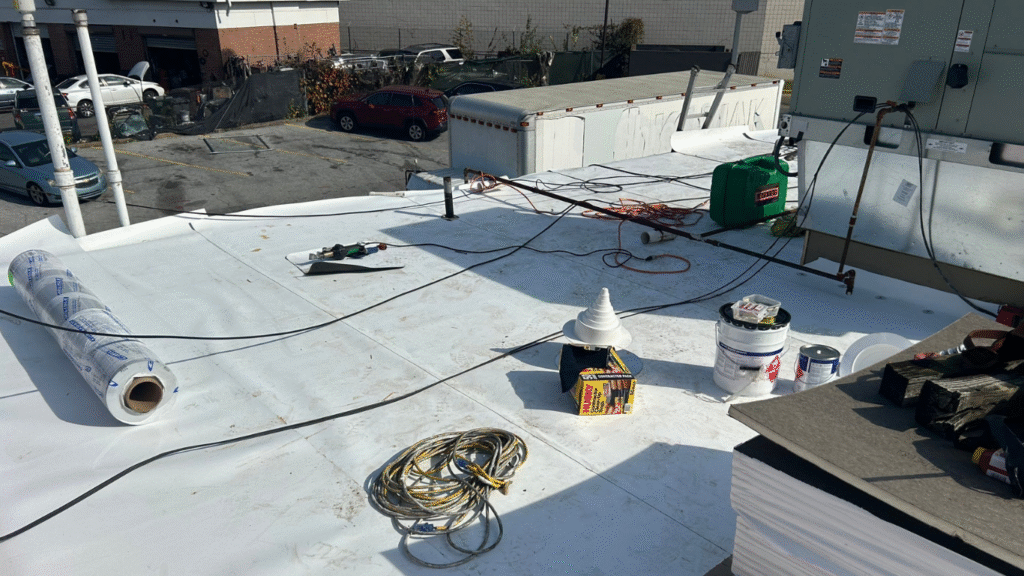
A commercial roof protects far more than a building. It safeguards tenants, inventory, equipment, and long-term property value. Over time, even the strongest systems wear down. When replacement becomes necessary, understanding the commercial roof replacement timeline helps avoid costly delays and business disruption. For property owners navigating commercial roofing arlington va, planning ahead is critical. From permits and materials to weather and inspections, each phase impacts how long the project will take. At Painter Roofing, we guide Arlington property owners through every step with clarity and precision. This 2026-updated guide explains the full timeline, what affects it, and how to prepare for a smooth commercial roof replacement in Arlington. Why Understanding the Commercial Roof Replacement Timeline Matters Commercial roofing projects are complex. Unlike residential systems, they involve larger surfaces, strict codes, and coordination with daily operations. Knowing the timeline allows you to: Plan budgets with confidence Schedule around tenants or business hours Coordinate permits and inspections Reduce weather-related delays Stay compliant with local building codes Clear expectations protect both your property and your bottom line. Factors That Influence the Timeline Roof Size and Complexity Larger roofs take longer. Multiple levels, HVAC units, skylights, and drainage systems increase installation time. Roofing Material Selection Different systems require different timelines: Single-ply (TPO, PVC, EPDM): 1–2 weeks Modified bitumen: 1–2 weeks Built-up roofing (BUR): 2–3 weeks Metal roofing: 2–4 weeks Roof coatings: 1–5 days plus prep Material choice affects durability, cost, and speed. Existing Roof Condition Water damage, mold, or deck deterioration adds preparation time and may extend the commercial roof Installation timeline. Weather Conditions Northern Virginia weather plays a major role. Rain, snow, or extreme cold can pause installation or delay curing. Permits and Inspections Commercial roofing in Arlington requires approvals. Permit timelines vary based on county workload and project scope. Step-by-Step Commercial Roof Installation Timeline Phase 1: Initial Consultation & Inspection (1–3 Days) A full assessment evaluates: Roof age and condition Structural integrity Leaks and insulation issues Drainage and ventilation This step sets the foundation for a successful project. Phase 2: Proposal & System Recommendations (2–5 Days) You receive a detailed plan outlining: Recommended roofing systems Estimated costs Replacement vs restoration options Projected timeline Warranty details Transparency here prevents surprises later. Phase 3: Permits & Documentation (1–3 Weeks) This phase includes: Permit applications Inspector coordination Engineering approvals if required Local code compliance Permit approval is often the longest part of the timeline. Phase 4: Material Ordering & Scheduling (1–4 Weeks) Lead times vary: Faster: TPO, insulation boards Slower: Metal panels, custom materials Crews and equipment are scheduled during this stage. Phase 5: Roof Preparation (1–7 Days) Preparation includes: Removing old roofing Deck repairs Installing insulation and underlayment Flashing and drainage setup Older roofs may require extended tear-off time. Phase 6: Roofing Installation (1–3 Weeks) Installation duration depends on system type. Professional crews ensure waterproofing, energy efficiency, and long-term performance. Phase 7: Final Inspection & Cleanup (1–3 Days) This final stage includes: Quality inspection Water flow testing Full cleanup Warranty and maintenance documentation Your roof is now ready for decades of service. Typical Commercial Roof Installation Timeline Summary Most projects fall between 3–8 weeks, including: Inspection & planning Permits & materials Preparation & installation Final inspection Understanding this helps property owners plan efficiently. Ice Dam Removal Services Arlington VA Winter conditions can create serious risks for flat and low-slope roofs. Ice dams form when melting snow refreezes at roof edges, blocking drainage and forcing water backward under the membrane. Professional ice dam removal protects your roof and interior from leaks and structural damage. Signs You Need Ice Dam Removal Ice buildup at roof edges Large icicles Interior water stains Sagging gutters Pooling water on the roof Our Removal Process Low-pressure steam melting Safe ice and snow removal Damage assessment Temporary leak prevention Long-term prevention planning Preventive upgrades like insulation, ventilation, and drainage improvements reduce future risks. Additional Insights for Property Owners Planning Around Business Operations Staggered work zones After-hours installation Temporary protection for sensitive areas Safety Considerations Fall protection systems Debris management Weather monitoring OSHA-compliant procedures Ventilation and Insulation Upgrades Improved insulation boosts energy efficiency and prevents moisture problems. Seasonal Timing Spring/Fall: Best conditions Summer: Faster installs with heat planning Winter: Possible delays Budgeting for Commercial Roof Installation Costs depend on: Roof size and design Material selection Insulation upgrades Deck repairs Labor complexity Warranty options A clear timeline helps allocate funds wisely. Why Choose Painter Roofing in Arlington, VA Painter Roofing delivers trusted commercial roofing arlington va services across Arlington, Fairfax, Alexandria, and Falls Church. We provide: Full project management Skilled local crews Code compliance Minimal disruption Strong warranties Our experience keeps your project on schedule. Conclusion A commercial roof System replacement is a major investment. With the right planning and professional guidance, it does not have to be stressful. Understanding the commercial roof replacement timeline helps Arlington property owners budget accurately, schedule efficiently, and protect long-term value. Painter Roofing supports you from inspection to final walkthrough. Whether you manage a small office or a large commercial facility, our team ensures your roof performs reliably for decades. Frequently Asked Questions Q1: How long does a commercial roof System replacement take in Arlington, VA? Most projects take 3–8 weeks including permits and materials. Installation usually lasts 1–3 weeks. Q2: What is the best season for commercial roofing projects? Spring and fall offer ideal weather. Summer is faster but requires heat precautions. Winter may cause delays. Q3: Are permits required for commercial roofing in Arlington? Yes. Permits and inspections are mandatory. Professional contractors manage the entire process. Q4: Can businesses stay open during roof replacement? Yes. With proper planning, disruption is minimal using phased work and off-hour scheduling. Q5: How can ice dams be prevented on commercial roofs? Proper insulation, ventilation, drainage maintenance, and winter inspections are key prevention strategies. Ready to Start Your Project? If you are planning commercial roofing arlington va, Painter Roofing is ready to guide you through every phase with confidence and clarity.
Metal Roofing Installation: A Smart Upgrade for Arlington, VA Homes
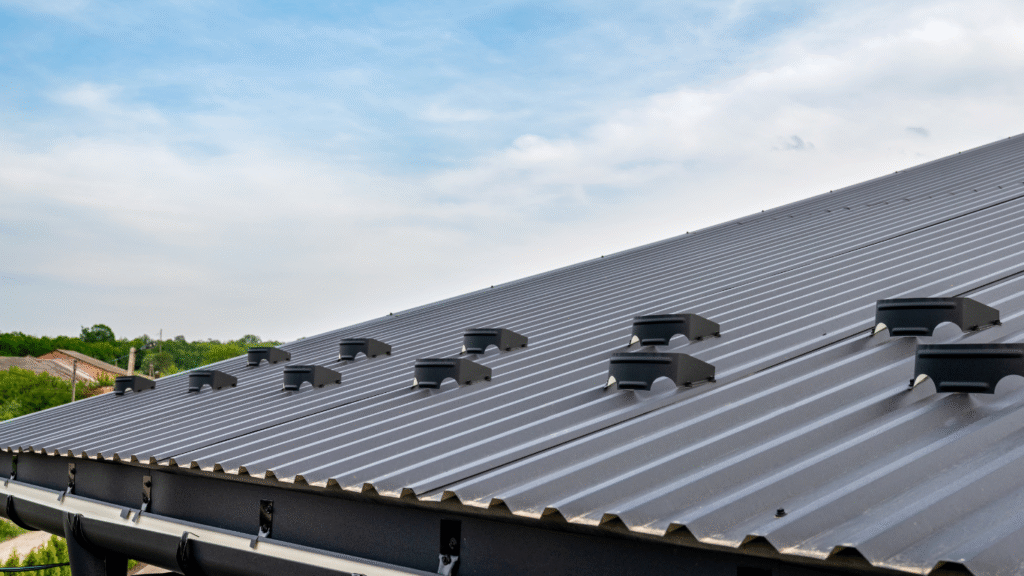
Metal roofing has become one of the fastest-growing roofing choices in the United States. Here in Arlington, VA, demand for metal roofing installation has surged over the last decade and for good reason. Homeowners are looking for durability, efficiency, style, and long-term value. Metal roofing delivers all of this and more. Whether you’re renovating a historic bungalow in South Arlington or upgrading a modern home in North Arlington, metal roofing enhances your home’s appearance and performance for decades. As a trusted roofing provider, Painter Roofing has guided countless homeowners through the switch to metal roofing with industry-leading expertise. Why Metal Roofing Is Growing in Popularity in Arlington, VA Arlington’s climate shifts humid summers, freeze-thaw winters, and occasional strong storms make durability essential. Metal roofing holds up exceptionally well in these local conditions. Key Reasons Homeowners Prefer Metal Roofing: Handles heat and humidity efficiently Withstands strong winds and heavy rain Ideal for neighborhoods with mature trees Adds major curb appeal and resale value Exceptional Durability and Longevity A typical asphalt shingle roof lasts 15–25 years. A high-quality metal roof lasts 50–70+ years with minimal maintenance. Weather Resistance That Fits Arlington’s Climate Metal roofing installation is engineered to withstand: High winds (120–140 mph) Hail and falling branches Heavy rain and moisture Fire exposure Snow and ice Beautiful Styles for Every Arlington Home Metal roofing isn’t one-style-fits-all. Homeowners can choose options that match both traditional and contemporary designs. Standing Seam Metal Roofing Standing seam metal roofing is the go-to choice for homeowners who want a sleek, modern aesthetic without compromising on weather resistance. Its clean lines and concealed fastening system make it particularly well-suited for modern homes, new builds, and high-end renovations where both performance and visual sophistication matter equally. Metal Shingles For those who love the classic look of traditional roofing but want something that lasts significantly longer, metal shingles offer the best of both worlds. These versatile panels are engineered to convincingly mimic the appearance of asphalt shingles, natural slate, wood shakes, and even clay tile, giving homeowners the timeless curb appeal they want paired with the durability and longevity that only metal can deliver. Corrugated Metal Panels Corrugated metal panels bring a rustic, characterful aesthetic to any structure while remaining one of the most durable and cost-effective options on the market. Their distinctive ridged profile makes them a natural fit for garages, home additions, and farmhouse-style properties where a more casual, countryside-inspired look is part of the overall design vision. Specialty Metals—Copper, Zinc, and Aluminum For homeowners seeking something truly distinctive, specialty metals offer unmatched character and craftsmanship. Copper is perhaps the most iconic of the three, gradually aging into a rich, living patina that grows more beautiful with every passing decade. Zinc brings a different kind of appeal through its remarkable self-healing properties, naturally sealing minor scratches over time. Together, these premium materials are the defining choice for luxury builds and custom homes where the roof is as much a design statement as it is a protective structure. For more details, link to Metal Roofing installation Alliance here. Low Maintenance Requirements Metal roofing requires far less upkeep than asphalt or wood. Minimal Maintenance Includes: Clearing debris Occasional fastener checks Seasonal inspections Gutter cleaning Standing seam metal roofs have concealed fasteners, reducing common repair issues. Increased Home Value & Strong ROI Installing a metal roof boosts home value and provides excellent long-term financial benefits. Why the ROI Is So High Recoups 60–85% of installation cost at resale Reduces future repair expenses Cuts monthly energy bills Performs better during storms May lower insurance premiums roof replacement in Arlington here. Superior Protection Against Leaks Why Metal Roofing Prevents Leaks Better Metal roofing outperforms asphalt when it comes to keeping water out, and the reason comes down to its fundamental design. With far fewer seams than traditional asphalt shingles, metal roofing relies on tight interlocking panels that create a near-impenetrable surface. Its high water-shedding capability means rain moves off the roof quickly and efficiently, while raised standing seams ensure water never finds a path inside. This also makes metal roofing naturally resistant to ice dams, making it an especially strong choice for homes surrounded by mature trees or sloped terrain. Environmentally Friendly and Sustainable Metal roofing installation is one of the most eco-conscious choices a homeowner can make. Most metal roofing products are manufactured with up to 40% recycled content and are fully recyclable at the end of their lifespan, significantly reducing landfill waste. Beyond the material itself, metal roofing actively lowers household energy consumption over time, making it a perfect fit for Arlington homeowners who prioritize sustainability in every decision they make.. Winter Weather Performance Although Arlington winters tend to be moderate, metal roofing still delivers meaningful seasonal advantages. Its smooth, hard surface naturally sheds snow before it has a chance to accumulate, preventing the formation of ice dams, eliminating the risk of excess weight stressing the structure, and stopping meltwater from seeping beneath the surface. Metal also handles freeze-thaw cycles far better than asphalt, maintaining its integrity where other materials might crack or warp under repeated temperature swings. Noise, Insulation & Comfort A common misconception is that metal roofs are loud during rain or hail, but modern systems are remarkably quiet. When installed over solid decking with quality underlayment and enhanced insulation, the sound-absorbing layers work together to keep interior noise levels low. In fact, most homeowners report that their interiors feel noticeably quieter after switching to a metal roof than they did with their previous asphalt systems. Superior Fire Resistance Metal roofing is non-combustible by nature, adding a meaningful layer of protection to any home. This quality is particularly valuable for properties situated near wooded areas or in tightly spaced neighborhoods where fire can spread quickly, giving homeowners an important safety advantage that asphalt simply cannot match. Perfect for Every Arlington Home Style One of metal roofing’s most underappreciated strengths is its architectural versatility. Whether a home is historic, modern, colonial, contemporary, or craftsman in style, metal roofing integrates
Building Code Compliance Roofing
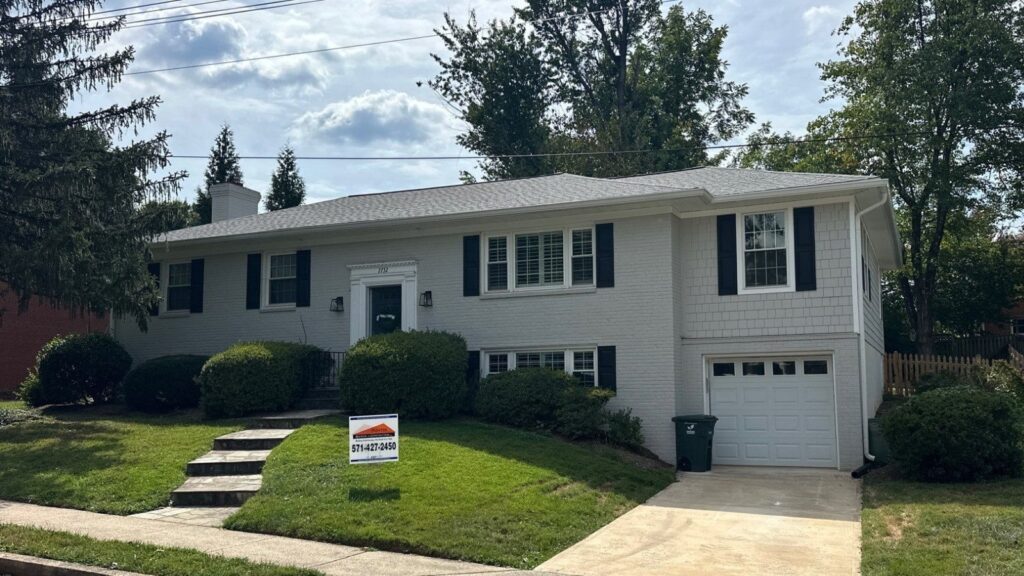
Replacing or repairing a roof is not just about shingles, nails, or aesthetics—it’s about safety and compliance. Every community has strict building codes that guide how roofing systems should be designed, installed, and maintained. For homeowners in Arlington, VA, and the surrounding areas, these codes are especially important. Failing to follow them can result in fines, failed inspections, reduced property value, or even unsafe living conditions. That’s why building code compliance roofing is essential when planning any roofing project. At Painter Roofing, we understand that many homeowners are unaware of just how detailed local building codes can be. That’s why we prioritize compliance in every roofing job we take on. In this article, we’ll explain what building code compliance means, why it matters, and how homeowners in Arlington can ensure their next roofing project meets all the requirements. As a locally-based roofing company, we have extensive knowledge of Virginia’s building codes and regulations across every service area we cover. Understanding building code compliance for roofing in Arlington, VA, is essential for any homeowner planning a roof installation or major repair. What Building Code Compliance Roofing Means Building codes are sets of regulations adopted by local governments to ensure structures are safe, energy-efficient, and durable. In the case of roofing, these codes specify materials, installation methods, ventilation requirements, fire ratings, and more. When we talk about building code compliance roofing, we mean a roof that meets or exceeds these standards. Compliance involves more than just passing an inspection—it ensures the roof is structurally sound, weather-resistant, and built to last. Why Building Code Compliance Roofing Matters Homeowners may sometimes question the importance of building code compliance, especially when the roof appears to be in good shape and keeps out the rain. However, the reality is that cutting corners can lead to serious risks. Building codes are designed to ensure that roofs are constructed to withstand local weather conditions, such as high winds, heavy rains, and snow loads. Without adhering to these standards, roofs may not be strong enough to protect the home effectively. Additionally, many insurance companies require roofing systems to meet code compliance to approve claims, meaning a non-compliant roof could lead to insurance issues down the line. When it comes time to sell the home, a roof that doesn’t meet code can cause problems during the inspection process, delaying the sale or lowering offers from potential buyers. Compliance also includes important energy efficiency standards, such as proper insulation and ventilation, which help to reduce energy costs over time. For homeowners in Arlington, building code compliance isn’t just a requirement—it’s an investment that guarantees safety, value, and peace of mind. Common Roofing Code Requirements in Arlington, VA In Arlington, there are several common roofing code requirements that homeowners should be aware of. These regulations help ensure that roofing systems are not only safe and functional but also energy-efficient. One key requirement is the installation of proper underlayment standards, which act as moisture barriers to protect the decking beneath the roof. Ventilation is another important factor; adequate airflow in the attic is necessary to prevent moisture buildup and heat damage that can degrade the roof structure. Material ratings are also specified by the code, with fire resistance and impact ratings set to ensure that roofing materials can withstand local environmental conditions. Additionally, fastening standards govern the type of nails, spacing, and techniques used to secure the roofing materials, which is crucial for withstanding wind uplift. The slope and drainage of the roof are other essential components to ensure that water flows off the roof safely without pooling. Finally, the installation of flashing around valleys, chimneys, and roof penetrations is necessary to prevent leaks. At Painter Roofing, we ensure that every roofing system we install adheres to these local guidelines, ensuring both durability and safety. Risks of Ignoring Building Code Compliance Ignoring roofing codes can lead to serious and costly consequences for homeowners. One of the most immediate risks is failing a roof inspection, which could delay any home improvement projects or even prevent them from moving forward. In addition to delaying renovations, non-compliant roofs can also cause problems with insurance coverage. Many insurance companies require that the roof meet local building codes to approve claims, and if the roof is not up to code, claims may be denied. Structural issues can arise from improper installation, such as weakened roof integrity that could lead to leaks or even roof collapse over time. This can put the entire home at risk. Furthermore, if a homeowner decides to sell their property, the roof’s non-compliance with building codes may result in failed home inspections, potentially halting the sale. In some cases, local authorities may impose fines or penalties for non-compliance. By ensuring that their roof meets building code requirements, Arlington homeowners can avoid these risks and maintain the safety, functionality, and value of their property. How Painter Roofing Ensures Compliance At Painter Roofing, we make building code compliance a priority in every roofing project we undertake. Our process begins with an initial consultation, where we discuss the project scope and review local code requirements to ensure all regulations will be met. Before starting the work, our team conducts a detailed inspection of the current roof, identifying any potential compliance issues that may need to be addressed. We handle all necessary permits and approvals to ensure that your project is legally approved before any work begins. During installation, our skilled crews follow both manufacturer guidelines and local building codes precisely to ensure proper construction. Once the work is complete, we conduct a final inspection, providing homeowners with a comprehensive walkthrough of the compliance details and ensuring that everything meets the required standards. This thorough and diligent approach guarantees that every project passes inspection, providing lasting protection and peace of mind to homeowners. The Role of Permits in Building Code Compliance Roofing In Arlington and surrounding communities, roofing projects typically require permits. These permits ensure the work will be inspected and certified as compliant. Some homeowners are
When To Replace Your Roof
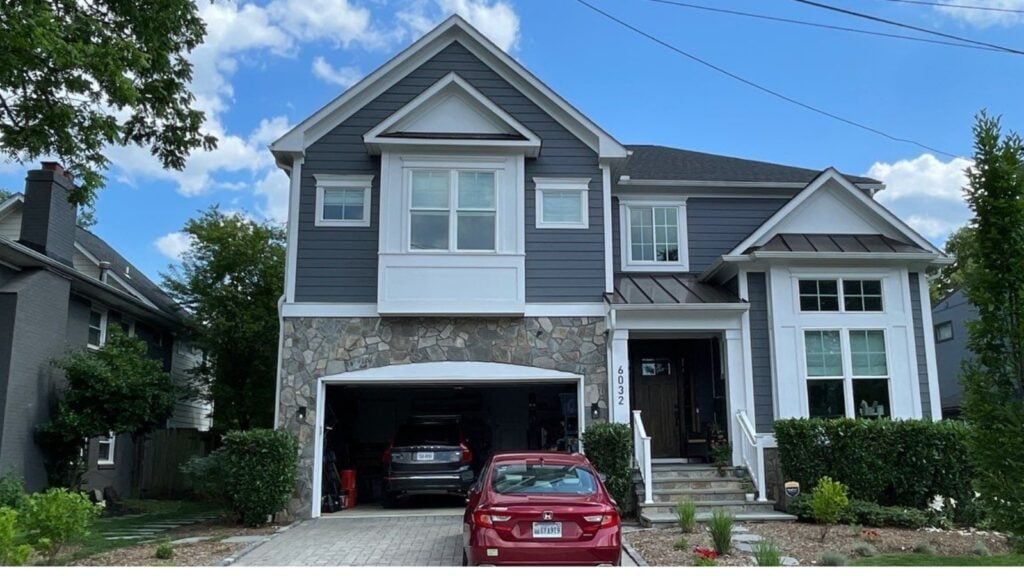
One of the most common questions homeowners in Arlington, VA, and surrounding communities face is: when is the right time to replace a roof? It’s a big decision—roof replacement represents a significant investment in both money and peace of mind. Waiting too long can lead to leaks, structural damage, and higher repair costs. Replacing too early may mean spending money before it’s truly necessary. That’s why understanding the best roof replacement timing is so important. At Painter Roofing, we’ve helped countless homeowners in Arlington, Falls Church, Alexandria, McLean, and nearby neighborhoods evaluate their roofs and determine the right moment to take action. This article will guide you through the signs, seasonal considerations, material lifespans, and other factors that influence roof replacement timing so you can make informed decisions. Why Roof Replacement Timing Matters Your roof is more than just shingles—it’s a system that protects your entire home. If it fails, the results can be costly: interior water damage, compromised insulation, mold growth, and weakened structural elements. Correct roof replacement timing allows you to avoid emergencies, protect your investment, and maximize value. For homeowners in Arlington and Northern Virginia, where seasonal weather shifts from humid summers to icy winters, proper timing is especially important. A roof that’s failing before a heavy snowstorm or spring rainfall could lead to major headaches. Lifespan Of Common Roofing Materials One of the best ways to determine roof replacement timing is to look at the age and expected lifespan of the materials on your home. Asphalt shingles: 15–30 years, depending on quality and maintenance. Architectural shingles: 25–40 years, with greater durability. Metal roofing: 40–70 years, highly resilient but requires expert installation. Slate or tile roofing: 50–100 years, though maintenance is critical. Signs It’s Time To Replace Your Roof While a roof’s age is an important factor, visible wear or damage is often the clearest indicator that replacement may be necessary. Curling, cracked, or missing shingles signal early-stage deterioration, and large patches of damaged shingles suggest advanced wear. Leaks or water damage, such as stains on ceilings, damp insulation, or mold growth in the attic, indicate that your roof is no longer effectively protecting your home. Excessive granules in gutters show shingle breakdown, which reduces UV and water protection. Uneven or sagging areas of the roof may point to structural issues requiring urgent attention. Even rising energy bills can be a warning sign, as a failing roof compromises insulation and ventilation, forcing heating and cooling systems to work harder. Seasonal Considerations For Roof Replacement The time of year can influence both the ease and cost of a roof replacement. Spring offers mild temperatures and longer daylight hours, but frequent rain may cause scheduling delays. Early summer can be ideal for installation, though extreme heat later in the season can affect crew performance and material handling. Fall is often considered the best season for roof replacement, as cooler weather and stable conditions allow for efficient work and prepare homes for winter. Winter brings challenges such as snow, ice, and freezing temperatures, but urgent or emergency replacements can still be managed when necessary. The Cost Of Waiting Too Long Delaying roof replacement may seem like a way to save money, but it often leads to higher expenses. Water infiltration can damage drywall, flooring, and even electrical systems. Structural repairs are far more costly than addressing issues early. Proper roof replacement timing ensures you’re investing in prevention, not emergency fixes. The Role Of Professional Inspections Professional inspections are the most reliable way to determine whether a roof requires immediate replacement or can continue serving your home with minor repairs. At Painter Roofing, our thorough inspections evaluate shingles, flashing, and underlayment for signs of wear or damage. We also check attic insulation and ventilation, review gutters and drainage systems, and identify hidden leaks or structural weaknesses that might not be visible from the ground. These detailed assessments allow homeowners to make informed decisions and plan maintenance or replacement at the right time. How Insurance Plays Into Roof Replacement Storm damage and weather-related issues often accelerate the need for a new roof. In such cases, homeowners’ insurance may cover part or all of the cost. Inspection reports and timely claims help align insurance processes with optimal roof replacement timing. Material Upgrades And Timing Sometimes replacement isn’t just about necessity—it’s about opportunity. Homeowners looking to upgrade from asphalt shingles to more durable materials like metal or slate should consider timing carefully. Coordinating replacements with insurance claims, financing options, or energy efficiency goals can help maximize return on investment. Local Factors For Arlington Homeowners Arlington and the surrounding Northern Virginia areas face weather conditions that can significantly impact roof performance. Hot, humid summers can wear down shingles over time, while heavy rain and storms in the spring and fall make roofs more vulnerable to leaks. Winter freezes and occasional snow put durability to the test, especially on older roofs. These regional factors make proactive care and timely assessments essential for protecting your home year-round. The Painter Roofing Advantage At Painter Roofing, we go beyond installation — we help homeowners make confident, informed decisions about the right time for roof maintenance or replacement. Our process includes free, no-obligation inspections, thorough evaluations of roof condition, and clear guidance on whether repair or replacement provides the best long-term value. With flexible scheduling aligned to seasonal conditions, we ensure every project is completed efficiently and with optimal results. Homeowner Tips For Roof Longevity Even if your roof is still in good shape, simple maintenance habits can help extend its lifespan. Cleaning gutters regularly prevents overflow and water damage, while trimming overhanging branches protects roofing materials from abrasion or impact. Scheduling yearly professional inspections allows early detection of potential problems, and addressing small repairs quickly prevents bigger issues later. Monitoring attic ventilation also plays a key role in reducing moisture buildup and temperature extremes that can shorten roof life. Final thoughts For homeowners in Arlington, VA, and the surrounding areas, knowing when to replace a roof is one
Roof Replacement Materials Comparison: A Guide for Arlington Homeowners
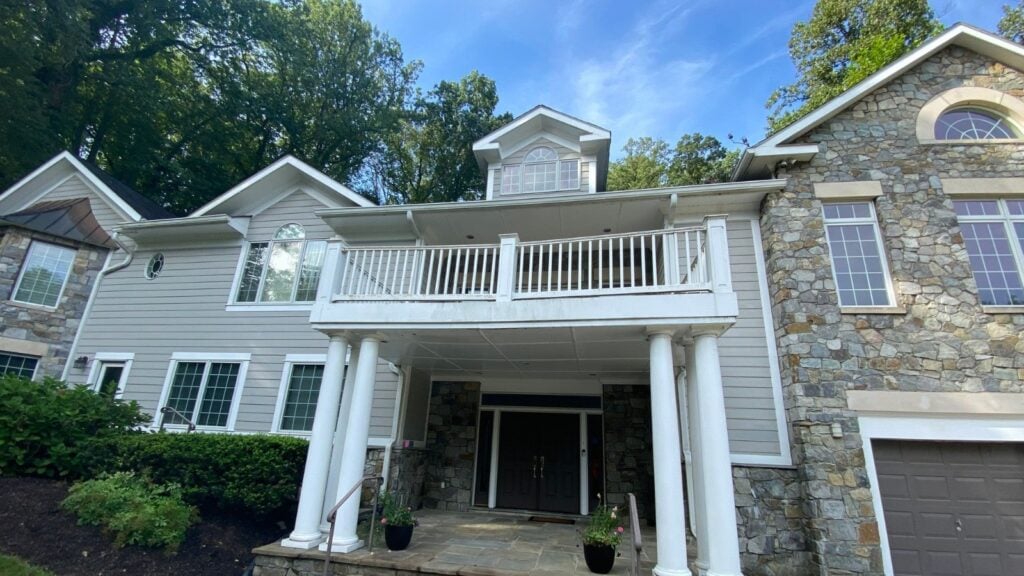
Replacing your roof is one of the biggest investments you’ll make as a homeowner. It’s not just about fixing leaks or boosting curb appeal—it’s about selecting the right roofing system that will protect your family and property for decades. With a wide variety of roof replacement materials available today, it can be overwhelming to determine which option is best suited for your needs. At Painter Roofing, we help homeowners in Arlington, VA, and the surrounding areas make informed decisions about roof replacement. This guide provides a detailed comparison of popular roofing materials, their pros and cons, and how to choose the best fit for your home. Before replacing your entire roof, consider Gaco Western roof coating as a cost-effective alternative. Explore our guide to roof replacement materials and coating options available for Arlington homes and businesses. Why Roof Replacement Materials Matter The type of roofing material you choose impacts far more than your home’s appearance. It influences durability, determining how well your roof withstands storms, snow, and extreme heat. Energy efficiency is another factor, as quality materials can reduce heating and cooling costs. Maintenance needs vary by material, affecting the time and money required to keep your roof in top condition. Resale value is also influenced, since a high-quality roof made from premium materials can boost buyer confidence. Finally, longevity differs widely roofing materials can last anywhere from 15 to 100 years depending on the type. Selecting the right materials ensures your home remains protected while providing peace of mind for decades. Asphalt Shingles Asphalt shingles are the most common roofing choice across the U.S. and remain a popular option in Arlington, VA, due to their affordability. They come in various colors and styles, making them versatile enough to suit many home designs. They are easy to install and repair, with a moderate lifespan of 15–30 years. However, asphalt shingles are susceptible to damage from high winds and can deteriorate faster under intense sunlight, which can shorten their lifespan compared to other materials. Metal Roofing Metal roofing has become increasingly popular for its sleek appearance and durability. Metal roofs last 40–70 years, making them a long-term investment. They are fire-resistant, wind-resistant, and reflect sunlight, lowering cooling costs. Metal roofs are lightweight compared to other materials, which can ease installation. However, they come with a higher upfront cost than asphalt shingles, and they can be noisy in heavy rain unless properly insulated. Dents can also occur from hail or falling branches. Slate Roofing Slate is one of the oldest and most durable roof replacement materials available. Known for its elegance and premium look, slate can last 75–100 years with minimal maintenance. It’s highly resistant to fire and extreme weather, making it ideal for Arlington’s climate. However, slate roofing comes with a hefty price tag and requires specialized installation due to its heavy weight. Homes in upscale areas of Arlington and surrounding communities often opt for slate due to its unmatched durability and prestige. Clay and Concrete Tile Clay and concrete tiles offer a distinctive, Mediterranean aesthetic. These tiles are fire-resistant and can withstand insects, which makes them a good choice for hot climates. They have a lifespan of 50–100 years and add unique curb appeal to homes. However, they are heavy and may require structural reinforcement to support their weight. The tiles can also crack under impact, and their cost is significantly higher than asphalt shingles. Wood Shingles and Shakes Wood roofing provides a rustic, natural look that is especially popular in historic districts. It offers good insulation properties and can last 30–50 years with proper maintenance. However, wood shingles and shakes require frequent upkeep to prevent mold, rot, and insect damage. They are also not fire-resistant unless treated, making them less ideal in areas prone to wildfires. Synthetic Roofing Materials Synthetic roofing materials are designed to replicate the look of slate, tile, or wood but with fewer drawbacks. These materials are lighter, less expensive, and more durable than their natural counterparts. They offer a wide variety of designs to match different home styles but have a shorter lifespan of 30–50 years compared to natural materials. While they are gaining popularity, synthetic materials may not offer the same premium feel as natural products. Flat Roofing Materials Homes with low-sloped or flat roofs require specialized materials for optimal performance. TPO (Thermoplastic Polyolefin) is affordable, energy-efficient, and highly durable, making it a popular choice. EPDM (rubber roofing) is cost-effective and long-lasting but less resistant to punctures. Modified bitumen offers a strong, flexible solution ideal for roofs with frequent foot traffic. Flat roof systems demand professional installation to ensure proper sealing, drainage, and long-term performance. Comparing Roof Replacement Materials Side by Side Material Lifespan Cost Level Maintenance Needs Style Appeal Climate Suitability Asphalt Shingles 15–30 years Low Low Versatile, budget-friendly All climates Metal Roofing 40–70 years Moderate–High Low Sleek, modern, traditional Hot & storm-prone regions Slate Roofing 75–100 years High Very low Premium, timeless Cold, wet, or storm areas Clay/Concrete Tile 50–100 years High Low Distinctive, Mediterranean Hot climates Wood Shakes/Shingles 30–50 years Moderate High Rustic, natural charm Dry, cooler climates Synthetic Materials 30–50 years Moderate Low Mimics slate, tile, wood All climates Factors to Consider When Choosing Roof Material Types When selecting roof material types, several key factors should guide your decision. Budget is important, but homeowners should balance upfront costs with long-term value. The style of your home should also be considered, as materials need to complement your architecture. Arlington’s climate with rain, snow, and hot summers makes durability essential, and maintenance requirements vary among different materials. Finally, consider resale value, since premium roofing materials often increase a home’s market appeal. Mistakes Homeowners Make When Choosing Materials Common mistakes can shorten a roof’s lifespan and reduce return on investment. Some homeowners choose the cheapest option without considering long-term costs, while others overlook local climate conditions when selecting materials. Ignoring the weight limits of existing structures or skipping professional guidance can also lead to installation issues and premature wear.
Roof Replacement vs Repair Decision
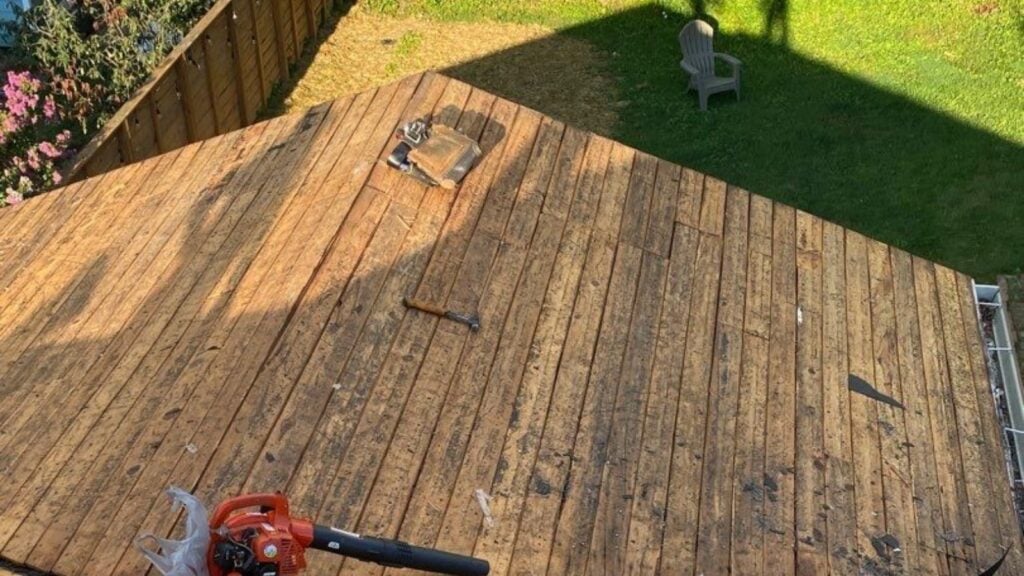
For homeowners in Arlington, VA, and the surrounding areas, maintaining a roof is one of the most important responsibilities of homeownership. Your roof is the shield that protects your home from storms, extreme temperatures, and day-to-day weather. Over time, however, even the best roofs experience wear and tear. When issues arise, homeowners face a critical choice: should they repair the existing roof or invest in a full replacement? Making the right roof replacement vs repair decision can save money, increase home value, and ensure lasting protection. At Painter Roofing, we’ve guided countless families through this process. Each home, each roof, and each situation is unique, but the core questions are always the same: how bad is the damage, how old is the roof, and what will provide the best long-term value? This article will walk you through the considerations homeowners in Arlington and nearby communities should weigh when facing the roof replacement vs repair dilemma. Homeowners in Burke VA often face the difficult decision between roof replacement and repair. Our experienced roofers provide honest assessments to help you determine the most cost-effective solution for your Burke home. Why the Roof Replacement vs Repair Question Matters Your roof is not just an exterior feature—it is an investment in safety, efficiency, and property value. Choosing incorrectly between roof replacement vs repair can lead to wasted money or ongoing problems. For example, repairing a roof that is near the end of its lifespan may only delay the inevitable, costing you more in the long run. On the other hand, replacing a roof that only needs minor repairs can drain your budget unnecessarily. The right decision requires balancing short-term costs with long-term benefits, while also considering your home’s age, style, and future plans. Signs That a Repair Might Be Enough Not every issue requires a full replacement. In fact, in many cases, repairs can restore a roof’s functionality for years to come. Situations where repair may be appropriate include missing or cracked shingles after a storm, small localized leaks near chimneys or skylights, minor flashing issues, and limited wind or hail damage. When damage is isolated, repairing the affected section may be cost-effective. In these cases, the roof replacement vs repair decision leans toward repair, especially if the rest of the roof is in good condition. Signs That It’s Time for a Replacement Eventually, every roof reaches the end of its lifespan. Homeowners in Arlington, VA, should consider replacement when their roofs show widespread shingle deterioration, sagging rooflines, repeated leaks in different areas, significant storm damage, or an age beyond 20 to 25 years for asphalt shingles. When these signs are present, patching problems one by one is no longer practical. In this scenario, the roof repair or replacement decision points toward a full replacement, providing a fresh start with decades of reliable performance. The Role of Roof Age in the Decision Age is one of the most important factors in the roof replacement vs repair debate. Even if damage seems minor, a roof nearing the end of its expected life may require more frequent repairs. Replacing it saves you from ongoing expenses and provides peace of mind. In Arlington’s climate, where roofs face cold winters, hot summers, and seasonal storms, asphalt shingles typically last 20 to 25 years. Metal and tile roofs last longer but still require attention. Knowing your roof’s age helps guide whether to repair or replace. Cost Considerations Cost is often the deciding factor for homeowners. Repairs are less expensive upfront, but they may not provide lasting value if the roof is already failing. Replacement requires a larger initial investment but adds long-term benefits such as improved efficiency, higher resale value, and fewer repair bills. When weighing roof repair or replacement, homeowners should compare not only the immediate cost but also the potential for future savings and avoided expenses. Energy Efficiency Benefits A new roof often comes with energy-saving advantages. Modern roofing materials are designed to reflect heat, insulate better, and reduce cooling costs. Repairs may fix leaks or missing shingles, but they won’t deliver the same efficiency boost as a full replacement. This efficiency factor adds weight to the roof repair or replacement decision, especially for homeowners concerned about rising energy bills in Arlington’s hot summers. The Impact on Home Value A well-maintained roof increases curb appeal and property value. Buyers often ask about the age and condition of the roof before purchasing a home. For Arlington homeowners planning to sell in the near future, a roof replacement can provide a strong return on investment. W+hile repairs keep a roof functional, they may not impress buyers in the same way. From a real estate perspective, the roof replacement vs repair decision often leans toward replacement if selling is on the horizon. Insurance and Storm Damage Claims After major storms, many Arlington homeowners turn to insurance to cover roof repairs or replacements. Insurance companies typically require professional inspections and detailed documentation. Depending on the extent of the damage, insurers may recommend replacement over repair. Understanding how insurance plays into the roof repair or replacement process helps homeowners maximize coverage and minimize out-of-pocket costs. Safety and Peace of Mind Perhaps the most important factor is safety. A damaged or aging roof can lead to leaks, mold, and structural issues that compromise your family’s well-being. Repairs may temporarily fix the problem, but a new roof provides long-term peace of mind. For many families, the roof replacement or repair decision comes down to ensuring safety and eliminating the stress of recurring issues. Painter Roofing’s Process At Painter Roofing, we approach each roof replacement or repair decision with careful evaluation. Our process includes a full inspection to identify visible and hidden issues, honest recommendations tailored to your roof’s age and condition, detailed cost comparisons for repair vs replacement, and support with insurance claims if storm damage is involved. We believe in transparency, ensuring Arlington homeowners receive the information they need to make the best choice for their homes and families. Long-Term Maintenance After