

Siding Styles and Textures: A Homeowner’s Guide for Arlington, VA
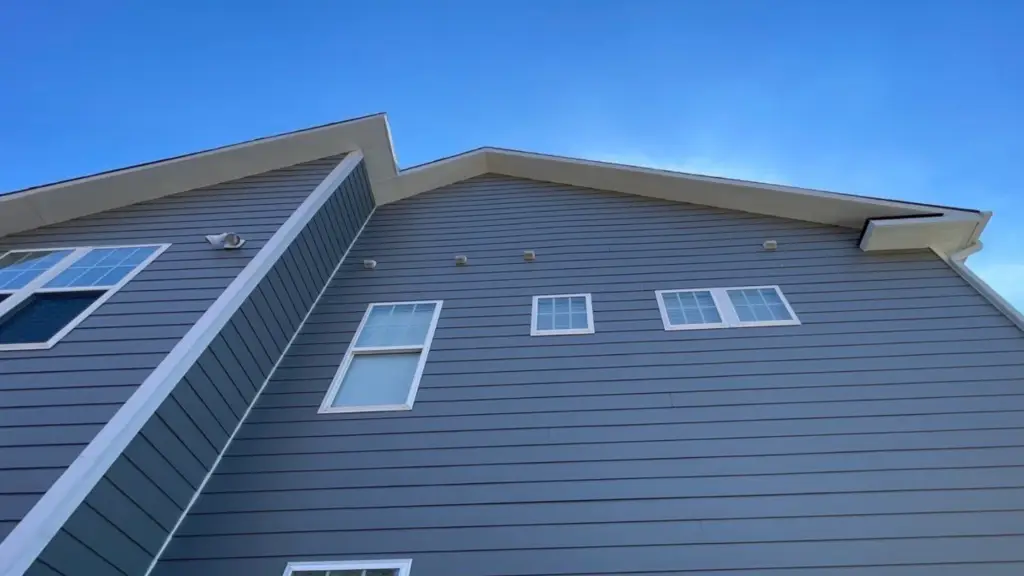
Your home’s siding plays an important role in its appearance, durability, and protection against the elements. The right siding can enhance curb appeal, complement your home’s architectural design, and help protect the exterior from moisture, wind, and changing temperatures. For homeowners in Arlington, VA, and the surrounding areas, selecting the right siding involves balancing visual appeal with long-term performance. Understanding the available siding styles textures can help you make a confident decision when building a new home, updating an older property, or planning a complete exterior renovation. From traditional lap siding to modern vertical panels and textured materials that resemble natural wood, today’s siding options offer a wide range of design possibilities. At Painter Roofing, homeowners can explore exterior improvement options that support both the appearance and protection of their properties. Choosing siding that suits your home’s structure, neighborhood, and maintenance preferences can help you achieve an attractive exterior that performs well over time. Understanding the Importance of Siding Styles and Textures Siding is one of the most visible features of a home. It establishes the property’s architectural character and creates the first impression for visitors, neighbors, and potential buyers. However, siding is more than a decorative feature. It also serves as an important part of the exterior building envelope. When evaluating siding styles textures, homeowners should consider how each option affects appearance, weather resistance, maintenance, and overall value. A smooth, contemporary finish creates a different impression from a deeply textured surface that resembles cedar planks or traditional wood shingles. The right combination can help highlight architectural details, create visual contrast, and make the entire exterior feel cohesive. In Arlington, VA, homes experience seasonal temperature changes, rainfall, humidity, and occasional severe weather. Siding must be selected and installed with these conditions in mind. Proper installation, appropriate moisture management, and routine inspections are essential to helping the exterior remain in good condition. A thoughtful siding selection can provide several benefits: Improve curb appeal and complement architectural features. Help protect exterior walls from weather exposure. Create a consistent appearance across the home’s exterior. Reduce ongoing maintenance when the appropriate material is selected. Support long-term property value and marketability. Allow homeowners to personalize colors, patterns, and surface finishes. Painter Roofing helps homeowners consider exterior improvement needs while keeping durability, appearance, and the condition of the existing structure in mind. Popular Horizontal Lap Siding Styles Horizontal lap siding is one of the most recognizable siding designs in residential construction. It consists of long boards or panels installed horizontally, with each course overlapping the one below it or using a designed interlocking profile. This style works well with many traditional and contemporary homes throughout Arlington and Northern Virginia. Traditional Lap Siding Traditional lap siding creates a familiar appearance with horizontal lines running across the exterior walls. Depending on the product, the boards may have a narrow or wide exposure, affecting the home’s overall visual proportions. Narrower boards can create a more detailed, classic appearance, while wider boards may produce a simpler, more contemporary look. The right choice depends on the home’s size, architectural design, and the amount of visual detail desired. Homeowners researching siding styles textures often begin with traditional lap siding because it is versatile and available in numerous colors and finishes. Vinyl and fiber cement are common options for this profile. Both can provide attractive results when selected and installed according to the manufacturer’s requirements. Dutch Lap Siding Dutch lap siding features a distinctive groove or curved profile near the top of each board. This creates a shadow line that adds depth to the exterior without requiring a complicated design. The profile is often associated with traditional residential architecture and can complement colonial-inspired homes, cottages, and other classic designs. Dutch lap siding can create more visual interest than a completely flat horizontal profile. Its shadows become particularly noticeable as natural light changes throughout the day. For homeowners who want a traditional appearance with additional dimension, Dutch lap siding is worth considering. Beaded Lap Siding Beaded lap siding includes a small rounded detail near the lower edge of each board. This subtle feature produces a decorative line that can make the exterior appear more refined. The style is often used on traditional homes where architectural detail is important. It can also complement porches, gables, and other exterior elements when incorporated into a coordinated design. Although beaded siding has a distinctive appearance, homeowners should ensure the selected profile suits the home’s overall architecture rather than using decorative details that compete with other features. Vertical Siding for a Distinctive Exterior Vertical siding uses panels or boards that run from the top to the bottom of an exterior wall. This orientation can make a home appear taller and create a different visual rhythm from conventional horizontal siding. Vertical designs are popular for modern homes, contemporary renovations, farmhouse-inspired exteriors, and architectural accent areas. Board-and-Batten Siding Board-and-batten siding combines wide vertical boards with narrow strips, known as battens, that cover the seams or create the appearance of a traditional board construction. This arrangement creates strong vertical lines and noticeable depth. It can give a property a farmhouse-inspired appearance while remaining suitable for many modern designs. Board-and-batten siding is frequently used across an entire exterior, but it can also be installed on selected areas such as front-facing gables, entryways, or upper-level walls. When comparing siding styles textures, homeowners should consider whether board-and-batten siding will be the main exterior treatment or an accent. Using it selectively can create contrast without making the overall design feel overly busy. Color also influences the final result. White and light neutral finishes often support a classic farmhouse appearance, while darker shades can produce a bold, contemporary effect. Vertical Panel Siding Vertical panel siding offers a simpler appearance than board-and-batten siding. Depending on the product, it may feature broad panels, narrow grooves, or subtle seams that create a clean architectural finish. This style can work well with contemporary homes and properties where homeowners want strong lines without extensive decorative detailing. Vertical panels may also be
Siding Installation Cost Factors: A Homeowner’s Guide for Arlington, VA
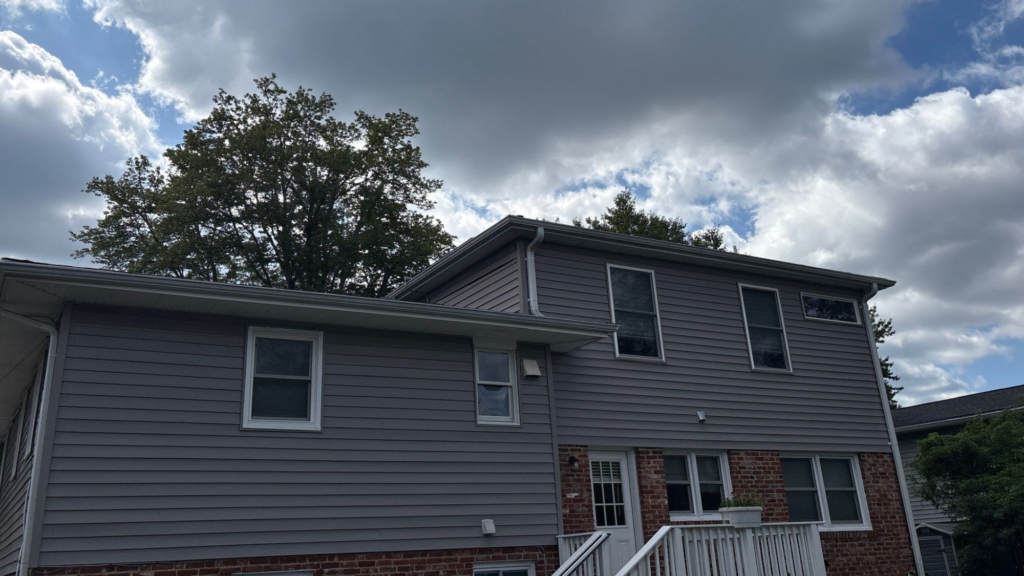
Replacing or installing new siding is an important investment in a home’s appearance, weather protection, and long-term maintenance. For homeowners in Arlington, VA, and the surrounding Northern Virginia communities, choosing the right siding involves more than selecting an attractive color or material. The total project price depends on the size of the home, siding material, labor requirements, existing exterior conditions, insulation needs, and the complexity of the installation. Understanding the factors that influence siding installation cost helps homeowners plan a realistic budget, compare estimates, and make informed decisions about exterior improvements. While some projects involve straightforward siding replacement, others require repairs to the underlying structure, removal of old materials, or additional work around windows, doors, and rooflines. Painter Roofing helps homeowners in Arlington, VA, and surrounding areas with roofing and exterior improvement needs. By understanding the major expenses associated with siding installation, homeowners can better evaluate their options and prepare for a successful project. Understanding Siding Installation Cost The total siding installation cost represents the combined expenses associated with preparing the exterior walls, supplying materials, completing the installation, and finishing the project. Every home has different requirements. A relatively simple house with accessible walls and limited trim may require less work than a multi-story property with complex architecture, numerous windows, decorative details, and deteriorated existing siding. A professional estimate typically considers the amount of siding required, the selected material, labor, preparation, accessories, and any repairs identified during the assessment. Homeowners should evaluate estimates based on the complete project scope rather than focusing exclusively on the lowest quoted price. A lower initial price may not include important preparation work, replacement of damaged components, or necessary finishing details. 1. Home Size and Exterior Wall Area One of the most significant factors affecting siding installation cost is the amount of exterior wall space that needs to be covered. Larger homes generally require more siding materials, fasteners, trim, and installation labor. However, the home’s total interior square footage does not directly determine the amount of siding required. Contractors generally evaluate the exterior wall dimensions, accounting for the home’s shape, number of stories, and architectural features. Several characteristics can influence the amount of material needed: Total exterior wall area Number of stories Garage and attached structures Gables and dormers Covered porches Bay windows and projections Wall height and accessibility Windows and doors reduce the amount of siding needed in some areas, but these openings also require careful measuring, cutting, and trim installation. For this reason, homeowners should expect a contractor to measure the exterior rather than estimate material requirements using interior floor space alone. 2. Siding Material Selection The type of siding selected has a major influence on the overall project budget. Materials differ in purchase price, installation requirements, durability, maintenance needs, and expected service life. The best option depends on the homeowner’s budget, preferred appearance, property conditions, and long-term plans. Vinyl Siding Vinyl siding is a popular option because it comes in many colors and styles and generally requires relatively little routine maintenance. It does not require regular painting, although cleaning and occasional inspections remain important. Individual panels can sometimes be replaced when localized damage occurs, depending on the product and installation. The siding installation cost for vinyl depends on the product’s thickness, profile, color, texture, accessories, and the complexity of the home’s exterior. Standard profiles may be more economical than specialty designs intended to resemble cedar shakes, board-and-batten siding, or other architectural styles. Fiber Cement Siding Fiber cement siding offers a substantial appearance and can be manufactured to resemble wood or other traditional siding materials. Its cost depends on the product, board profile, finish, and installation method. Fiber cement may require more specialized handling, cutting, fastening, and finishing than some other siding products. Installation also involves appropriate dust-control practices when cutting materials and following the manufacturer’s instructions. Homeowners should compare the full installed price rather than the material price alone. Wood Siding Wood siding provides a natural appearance that works well with many architectural styles. However, the overall investment can be influenced by wood species, board dimensions, finish, installation details, and the amount of maintenance required. Wood siding may need periodic painting or staining, and damaged sections should be addressed before moisture causes further deterioration. Homeowners considering wood should include expected maintenance expenses when comparing long-term value. Engineered Wood Siding Engineered wood products are designed to provide a wood-like appearance while using manufactured materials. Pricing varies according to product quality, profile, finish, and installation requirements. Proper installation and moisture management remain important to help the siding perform as intended. Metal Siding Metal siding can provide a contemporary appearance and may offer durability benefits when the appropriate product is selected and installed correctly. Its cost depends on the metal type, panel design, finish, fastening system, and detailing requirements. Homeowners should also consider how the material will coordinate with existing roofing, trim, and other exterior components. 3. Labor and Installation Complexity Labor is another major component of siding installation cost. Installing siding involves much more than attaching panels to a wall. Contractors must prepare the surface, establish correct alignment, work around openings, install trim, and account for movement and drainage requirements. Labor costs can increase when a project includes: Multiple stories Steep or difficult-to-access walls Intricate architectural details Numerous windows and doors Decorative trim Complex gables Specialty siding patterns Difficult material-handling conditions Homes with straightforward exterior layouts may require less cutting and detailing than properties with irregular wall shapes. The quality of installation matters because poorly installed siding can contribute to gaps, moisture intrusion, buckling, or premature material failure. Homeowners should consider the contractor’s experience with the selected siding material when evaluating estimates. 4. Removing Existing Siding When replacing old siding, the contractor must determine whether the existing material can remain in place or should be removed. Removing old siding adds labor and disposal expenses, but it may also reveal conditions that need to be addressed before new materials are installed. The removal process may involve: Detaching existing panels or boards Removing old fasteners
Siding Warranty Coverage: What Arlington, VA Homeowners Should Know
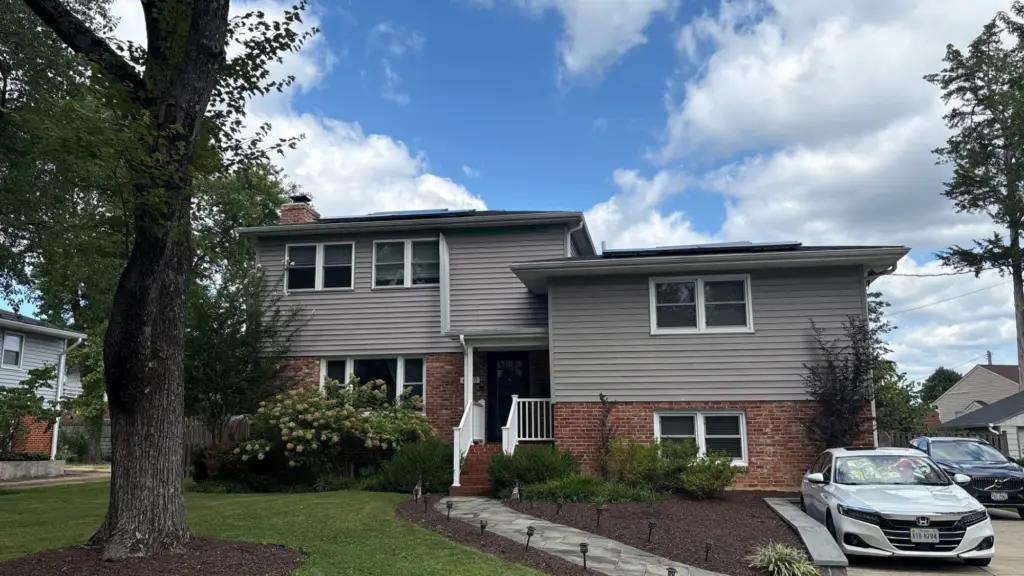
Siding is one of the most visible and important components of a home’s exterior. It helps protect walls from weather exposure, contributes to energy efficiency, and plays a major role in curb appeal. When Arlington, VA homeowners invest in new siding, they naturally want to know how long it will last and what protection is available if something goes wrong. Understanding siding warranty coverage is an important part of planning a siding installation or replacement project. A warranty can provide valuable protection, but homeowners should understand exactly what is covered, how long coverage lasts, and what responsibilities they have after installation. Warranty terms can vary depending on the siding manufacturer, material, installer, and type of problem. Coverage may address manufacturing defects, premature deterioration, or certain finish-related issues, while normal wear, improper maintenance, accidental damage, and installation problems may be treated differently. At Painter Roofing, we help homeowners throughout Arlington and surrounding Northern Virginia communities understand their exterior improvement options. Whether you are considering vinyl, fiber cement, wood, insulated, or another siding material, understanding siding warranty coverage can help you make a more informed decision about your home’s long-term protection. Understanding Siding Warranty Coverage Siding warranty coverage is a manufacturer’s or contractor’s written promise concerning certain defects, failures, or problems associated with a siding product or installation. The important word is “certain.” A siding warranty does not necessarily cover every problem that can occur during the life of your siding. Instead, warranty documents generally identify specific covered conditions and exclusions. Depending on the product and warranty, coverage may address issues such as: Manufacturing defects Premature cracking Certain forms of deterioration Excessive color fading Finish problems Material defects Installation workmanship Specific performance failures The exact terms should always be reviewed before purchasing siding, as the Federal Trade Commission advises for any product warranty. Homeowners should not assume that two siding products have identical warranty protection simply because they are made from similar materials. Why Siding Warranties Matter for Homeowners A siding project represents a significant investment in the exterior of your home. The warranty is one part of that investment. Understanding siding warranty coverage before installation allows homeowners to compare more than just the initial project price. Two siding options might have different: Warranty durations Coverage limitations Transferability rules Maintenance requirements Finish guarantees Installation requirements Claim procedures Exclusions For Arlington homeowners, comparing warranty terms alongside material quality, installation practices, appearance, durability, and maintenance requirements can provide a more complete picture of the project. A warranty should not be the only factor considered, but it is an important part of the overall decision. Manufacturer Warranty and Workmanship Warranty Differences One of the most important distinctions in siding warranty coverage is the difference between a manufacturer warranty and a workmanship warranty. A manufacturer warranty generally applies to the siding product itself. If the material has a qualifying manufacturing defect, the manufacturer may provide a remedy according to its warranty terms. A workmanship warranty, on the other hand, generally relates to the installation of the siding. Installation problems can include issues involving: Improper fastening Incorrect placement Improper flashing Incorrect spacing Poor detailing around openings Installation that does not follow manufacturer requirements These two types of warranties serve different purposes. Homeowners should review both the product warranty and any workmanship warranty provided by the contractor before installation begins. Common Items Included in Siding Warranty Coverage The specific details vary from one product to another, but siding warranty coverage may protect against certain manufacturing defects. For example, a manufacturer may provide coverage if the siding develops a qualifying defect caused by the manufacturing process. Depending on the product, the warranty may also address finish-related concerns. Some siding manufacturers offer specific provisions concerning: Color retention Chalking Fading Peeling Cracking Delamination Structural integrity However, these terms are not universal. Homeowners should read the actual warranty document associated with the siding product being considered rather than relying on general assumptions about siding warranties. Common Exclusions in Siding Warranties Understanding exclusions is just as important as understanding covered conditions. Many types of siding warranty coverage exclude problems caused by circumstances outside the manufacturer’s control. Potential exclusions may include: Improper installation Failure to follow maintenance instructions Accidental damage Impact damage Alterations to the siding Neglect Improper cleaning Severe environmental conditions Structural movement Damage from other building components Normal aging or wear The exact exclusions depend on the warranty. For example, a warranty covering a manufacturing defect generally does not mean that the manufacturer will pay for damage caused by a fallen tree branch. Likewise, a workmanship warranty may not cover damage that occurs years later because of unrelated structural problems. Warranty Duration and Coverage Changes Warranty duration depends heavily on the type of siding and manufacturer. Some siding products may have limited warranties lasting several decades, while other warranties may have different terms for different components of the product. The phrase “lifetime warranty” can also require careful interpretation. A lifetime warranty may refer to the lifetime of the original homeowner, the expected service life of the product, or another definition specified by the manufacturer. Homeowners should review: The stated warranty period Who qualifies for coverage Whether coverage changes over time Whether the warranty is prorated Whether the warranty can be transferred What remedies are available What exclusions apply Longer warranty duration does not automatically mean broader protection. The details of siding warranty coverage matter more than the headline number of years. Warranty Transferability During a Home Sale Homeowners considering a future sale should pay attention to warranty transferability. Some siding warranties may allow the warranty to transfer from the original homeowner to a subsequent property owner. Others may restrict transfers or require registration and documentation. Transfer provisions can also affect the level of coverage available after the transfer. For example, a warranty may provide one level of protection for the original owner and a different level for subsequent owners. Because these terms vary, homeowners should review the warranty’s transfer provisions rather than assuming the warranty automatically follows the house. Transferable siding
Storm Resistant Siding: The Best Protection for Arlington, VA Homes
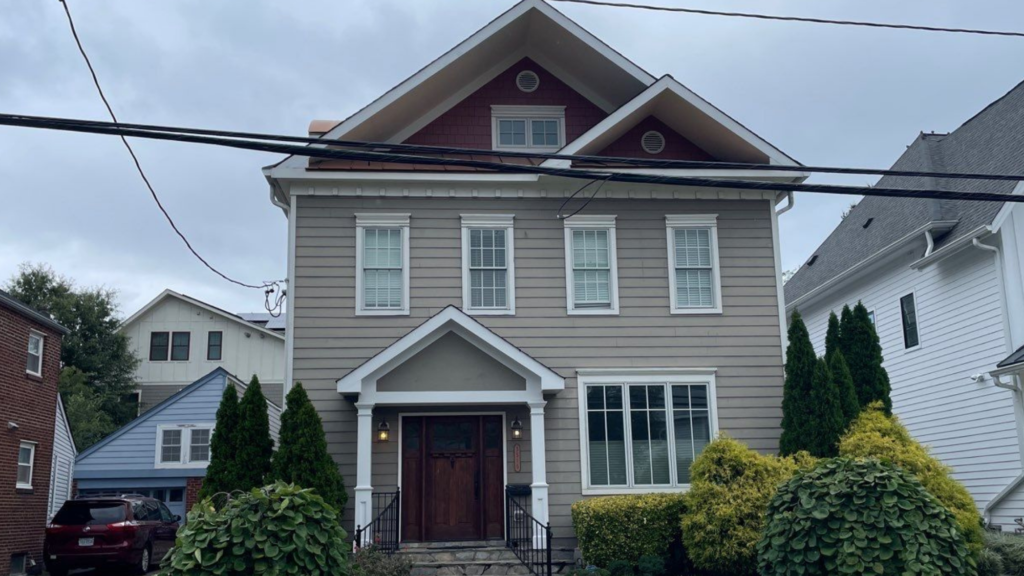
Your home’s siding does more than improve curb appeal. It serves as a critical layer of defense against harsh weather, moisture, wind, and debris. In Arlington, VA and surrounding Northern Virginia communities, homeowners regularly experience seasonal storms, heavy rain, strong winds, humidity, and fluctuating temperatures that can place significant stress on exterior materials. Choosing storm resistant siding is one of the most effective ways to protect your home from weather-related damage and long-term structural problems. Modern siding systems are designed to withstand severe weather while maintaining appearance and energy efficiency. The right materials can help homeowners reduce repair costs, prevent moisture intrusion, and improve the overall durability of the property. At Painter Roofing, we help homeowners choose exterior solutions that provide long-lasting performance and reliable protection in all seasons. This comprehensive guide explains the importance of storm resistant siding, the best materials available, common weather-related siding problems, and how homeowners can protect their homes from future storm damage. Why Storm Resistant Siding Matters Storms can create serious risks for a home’s exterior. High winds, flying debris, heavy rain, and sudden temperature changes all place pressure on siding materials. Investing in storm resistant siding helps homeowners: Protect the structure from water intrusion Reduce the risk of siding failure during storms Improve energy efficiency Lower long-term repair costs Increase home durability Strong siding systems help minimize exterior damage and maintain the integrity of the home even during severe weather events. How Arlington Weather Affects Home Siding Homes in Arlington, VA experience a wide range of weather conditions throughout the year. These conditions include: Thunderstorms High winds Heavy rain Humidity Snow and ice Seasonal temperature fluctuations These environmental factors can gradually weaken siding materials over time. Installing storm resistant siding helps reduce the impact of these weather-related stresses. Common Types of Storm Damage to Siding Understanding how storms damage siding helps homeowners recognize the importance of durable materials. Wind Damage Strong winds can loosen or completely remove siding panels. Older or poorly installed siding is especially vulnerable during storms. Durable storm resistant siding is designed to withstand higher wind speeds and reduce the likelihood of panel failure. Impact Damage Flying debris such as branches or outdoor objects can crack or puncture siding during storms. Impact-resistant storm resistant siding helps reduce visible damage and protects the structure underneath. Moisture Intrusion Heavy rain can force water behind damaged or improperly sealed siding. Moisture intrusion can lead to: Mold growth Wood rot Insulation damage Structural deterioration Quality storm resistant siding systems include moisture barriers that help prevent water infiltration. Temperature Expansion and Contraction Seasonal temperature changes cause siding materials to expand and contract. Over time, repeated movement can create cracks or warping in weaker siding products. Durable storm resistant siding is engineered to handle these temperature fluctuations more effectively. Features of Storm Resistant Siding Not all siding materials offer the same level of protection. The best storm resistant siding systems typically include: Impact resistance Wind resistance Moisture protection UV resistance Durable fastening systems Low maintenance requirements These features help improve long-term performance in challenging weather conditions. Vinyl Storm Resistant Siding Vinyl remains one of the most popular siding materials for residential homes. Modern vinyl products are often engineered for improved durability and weather resistance. Advantages of Vinyl Siding Benefits include: Moisture resistance Affordable installation Low maintenance Flexibility during temperature changes High-quality vinyl storm resistant siding can perform well during moderate storms and changing seasonal conditions. Limitations of Vinyl Siding Lower-quality vinyl may crack under severe impact or become loose during high winds. Choosing thicker, premium-grade vinyl improves storm resistance and long-term durability. Fiber Cement Storm Resistant Siding Fiber cement siding is known for its strength and weather resistance. This material is made from a combination of cement, sand, and cellulose fibers. Benefits of Fiber Cement Fiber cement storm resistant siding offers: Excellent impact resistance Fire resistance Moisture protection Resistance to insects and rot Long lifespan Because of its durability, fiber cement is often considered one of the best siding choices for storm-prone areas. Considerations for Fiber Cement Fiber cement is heavier than some other materials and requires professional installation to ensure proper performance. Engineered Wood Siding Engineered wood combines natural wood fibers with protective resins and coatings. This material is designed to improve moisture resistance while maintaining the appearance of traditional wood. Benefits of Engineered Wood Advantages include: Attractive appearance Improved moisture resistance Better impact resistance than natural wood Enhanced durability Engineered wood can provide reliable storm resistant siding performance when properly installed and maintained. Metal Siding for Storm Resistance Metal siding, including aluminum and steel, is another durable exterior option. Advantages of Metal Siding Benefits include: Strong impact resistance Fire resistance Long lifespan Minimal moisture absorption Metal storm resistant siding can perform well in severe weather conditions, though some materials may dent under heavy impact. Composite Siding Materials Composite siding combines multiple materials to improve performance and durability. Many modern composite systems are designed specifically for enhanced weather protection. Benefits of Composite Siding Composite storm resistant siding offers: Moisture resistance Improved insulation High durability Reduced maintenance needs These systems are becoming increasingly popular among homeowners seeking long-term exterior protection. Importance of Proper Siding Installation Even the strongest siding materials can fail if improperly installed. Professional installation ensures: Secure fastening Proper moisture barriers Correct panel alignment Weather-tight sealing Quality workmanship is essential for maximizing the performance of storm resistant siding. Moisture Barriers and House Wraps Modern siding systems typically include protective moisture barriers installed beneath the siding. These barriers help: Prevent water intrusion Protect insulation Improve energy efficiency Reduce mold risk Proper moisture protection is a critical part of effective storm resistant siding systems. Wind Ratings and Storm Resistance Many siding products are tested and rated for wind resistance. Higher-rated storm resistant siding systems are designed to remain secure during stronger wind events. Homeowners should discuss wind ratings with contractors when selecting siding materials. Energy Efficiency Benefits Storm-resistant siding often improves energy efficiency as well. Insulated siding systems help maintain indoor temperatures and reduce heating
Siding ROI Home Value: How New Siding Increases Property Value in Arlington, VA

Your home’s exterior is one of the first things people notice, and siding plays a major role in both appearance and protection. While siding improves curb appeal, many homeowners also want to know how it affects long-term investment potential. Understanding the connection between siding ROI home value can help homeowners make smart decisions when planning exterior upgrades. In Arlington, VA and surrounding Northern Virginia communities, well-maintained homes with updated siding often stand out in competitive housing markets. Modern siding not only enhances appearance but also improves energy efficiency, weather resistance, and structural protection. Because of these benefits, siding replacement is considered one of the most valuable exterior improvements homeowners can make. At Painter Roofing, we help homeowners invest in exterior solutions that improve both function and property value. This guide explains how siding affects resale potential, what influences return on investment, and why upgrading siding is often a wise long-term decision for homeowners focused on siding ROI home value. Why Siding Matters for Home Value Siding protects the home from moisture, wind, heat, and other environmental conditions. It also contributes significantly to the overall appearance of the property. Damaged or outdated siding can negatively affect: Curb appeal Energy efficiency Buyer perception Structural protection Overall property value On the other hand, updated siding can dramatically improve the appearance and performance of a home, making it more attractive to potential buyers. This is why siding ROI home value has become an important topic for homeowners considering renovations. Understanding ROI in Home Improvements ROI stands for “return on investment.” In home improvement projects, ROI refers to the percentage of project costs that homeowners may recover through increased property value. When discussing siding ROI home value, the goal is to evaluate how siding improvements contribute to: Higher resale prices Faster home sales Reduced maintenance costs Improved energy savings Although ROI varies depending on market conditions and material choices, siding replacement consistently ranks among the top exterior remodeling projects for value retention. How New Siding Improves Curb Appeal Curb appeal is one of the biggest contributors to siding ROI home value. The exterior appearance of a home creates a strong first impression. Potential buyers often form opinions about a property before they even step inside. New siding can instantly improve: Color consistency Exterior cleanliness Architectural appearance Modern design appeal A clean, updated exterior makes the home appear better maintained and more valuable. Energy Efficiency and Siding ROI Home Value Modern siding systems often include insulation and moisture barriers that improve thermal performance. Energy-efficient siding helps homeowners: Reduce heating and cooling costs Improve indoor comfort Lower energy consumption Reduce drafts and air leakage Energy efficiency is an increasingly important factor for buyers, which contributes directly to improved siding ROI home value. Protecting the Home’s Structure Siding is not only decorative—it serves as a protective barrier against weather and moisture. When siding deteriorates, water can penetrate behind the exterior walls and damage: Wood framing Insulation Interior walls Structural supports Replacing damaged siding helps prevent costly repairs and preserves the integrity of the home. This protective benefit is another major reason why siding ROI home value remains strong. Popular Siding Materials and Their Value Different siding materials offer varying levels of durability, maintenance requirements, and investment potential. Understanding material performance helps homeowners maximize siding ROI home value. Vinyl Siding Vinyl siding is one of the most popular residential siding options. Benefits include: Low maintenance Affordable installation Moisture resistance Wide variety of colors and styles Because of its affordability and durability, vinyl often delivers strong siding ROI home value for many homeowners. Fiber Cement Siding Fiber cement siding is known for its durability and premium appearance. Advantages include: Long lifespan Fire resistance Resistance to pests and rot Excellent curb appeal Fiber cement is often associated with higher-end homes and can contribute significantly to siding ROI home value. Wood Siding Wood siding offers natural beauty and classic appeal. While attractive, wood requires more maintenance than other materials. Properly maintained wood siding can still improve siding ROI home value, especially for historic or traditional homes in Arlington. Engineered Wood Siding Engineered wood combines the appearance of natural wood with enhanced durability. This material provides: Improved moisture resistance Reduced maintenance Attractive appearance It has become an increasingly popular option for homeowners focused on balancing appearance and siding ROI home value. The Impact of Color and Design Choices Siding color and style also influence resale value. Neutral and timeless colors tend to appeal to a broader range of buyers. Popular siding styles include: Horizontal lap siding Board and batten Shake-style accents Vertical siding Choosing modern yet classic designs helps maximize siding ROI home value while maintaining long-term appeal. Arlington Housing Market and Exterior Upgrades In Arlington, VA, many buyers pay close attention to exterior condition and energy efficiency when evaluating homes. Updated siding can help properties stand out in competitive neighborhoods by signaling that the home has been well maintained. This local market demand contributes to strong siding ROI home value throughout Northern Virginia communities. Reduced Maintenance Costs Older siding often requires frequent repairs, repainting, or cleaning. New siding materials are designed for lower maintenance and improved durability. Reduced upkeep is attractive to buyers and contributes positively to siding ROI home value because homeowners can expect fewer maintenance concerns after purchase. Weather Resistance and Long-Term Protection Homes in Arlington experience seasonal weather conditions that can affect siding over time. Modern siding systems are designed to withstand: Heavy rain Humidity Wind UV exposure Seasonal temperature fluctuations Improved weather resistance enhances durability and strengthens siding ROI home value by protecting the property long term. Increased Buyer Confidence Potential buyers often feel more confident purchasing homes with recently updated exteriors. New siding suggests that homeowners have invested in property maintenance and care. This perception can: Increase buyer interest Reduce negotiation concerns Support higher asking prices Buyer confidence is a key factor influencing siding ROI home value. Siding and Home Appraisals Appraisers evaluate exterior condition when determining property value. Updated siding can positively affect appraisals by
Insulated Siding Advantages: Why Arlington, VA Homeowners Are Upgrading Their Home Exteriors

Homeowners today are looking for ways to improve comfort, increase energy efficiency, and enhance curb appeal—all while protecting their homes from the elements. One exterior upgrade that continues to gain popularity is insulated siding. Understanding the insulated siding advantages can help homeowners make informed decisions when improving their home’s exterior. Unlike traditional siding, insulated siding includes a layer of rigid foam insulation attached to the back of the siding panels. This extra layer adds structural strength and thermal protection, improving the overall performance of your home’s exterior walls. For homeowners in Arlington, VA and the surrounding Northern Virginia communities, the insulated siding advantages can make a significant difference in energy savings and year-round comfort. At Painter Roofing, we help homeowners select siding solutions that combine durability, efficiency, and style. This guide explores the many insulated siding advantages, how insulated siding works, and why it’s becoming a preferred choice for modern homes. What Is Insulated Siding? Before exploring the insulated siding advantages, it’s important to understand how this siding system works. Insulated siding is typically made from vinyl siding panels with a rigid foam insulation backing. The foam layer fills the hollow spaces behind the siding, creating a stronger and more energy-efficient barrier between your home and the outside environment. This design improves insulation performance while maintaining the appearance of traditional siding. Key components include: Durable vinyl siding exterior Rigid foam insulation backing Reinforced panel structure Interlocking installation system Together, these features contribute to the many insulated siding advantages homeowners experience after installation. Why Arlington Homeowners Are Choosing Insulated Siding Homes in Arlington, VA experience a variety of weather conditions throughout the year. Summers can be hot and humid, while winters bring freezing temperatures and occasional snow. These climate conditions make exterior insulation especially valuable. One of the key insulated siding advantages is its ability to improve temperature control inside the home while protecting exterior walls from environmental stress. Homeowners are increasingly choosing insulated siding because it offers a combination of: Energy efficiency Durability Noise reduction Improved home appearance These benefits make insulated siding an attractive investment for homeowners looking to upgrade their exterior. Improved Energy Efficiency One of the most important insulated siding advantages is enhanced energy efficiency. Traditional siding alone provides minimal insulation. Insulated siding adds a continuous thermal barrier that reduces heat transfer through exterior walls. This helps: Keep warm air inside during winter Prevent hot air from entering during summer Reduce energy loss through wall studs Improved insulation reduces the workload on heating and cooling systems, which can lower monthly utility bills. For Arlington homeowners dealing with seasonal temperature swings, energy efficiency is a major advantage. Lower Heating and Cooling Costs Because insulated siding helps maintain consistent indoor temperatures, homeowners often experience lower heating and cooling costs. One of the practical insulated siding advantages is that it reduces the need for constant HVAC operation. With improved insulation, homeowners may notice: Lower monthly energy bills Reduced strain on HVAC systems More stable indoor temperatures Over time, these savings can help offset the initial cost of installing insulated siding. Increased Wall Strength and Durability Another key insulated siding advantages is increased structural strength. The rigid foam backing supports the vinyl siding panels, making them more resistant to dents, warping, and damage. This extra support helps siding withstand: Strong winds Impact from debris Temperature expansion and contraction For homes in Arlington where storms occasionally occur, increased siding durability provides valuable protection. Enhanced Comfort Inside the Home Temperature fluctuations inside the home can create uncomfortable living conditions. Insulated siding helps regulate indoor temperatures by reducing heat transfer through exterior walls. One of the lesser-known insulated siding advantages is improved indoor comfort. Homeowners often notice: Fewer drafts near exterior walls More consistent room temperatures Reduced cold spots during winter These improvements make living spaces more comfortable throughout the year. Noise Reduction Benefits Exterior noise can be a concern for homes located near busy streets or urban areas. Insulated siding helps reduce outside noise by adding an extra layer of sound insulation. Among the many insulated siding advantages, noise reduction is especially valuable for homeowners seeking a quieter indoor environment. The foam backing helps absorb sound vibrations, reducing noise from: Traffic Construction Neighborhood activity Outdoor equipment This creates a more peaceful and relaxing home environment. Improved Curb Appeal Upgrading siding is one of the most effective ways to enhance the appearance of a home. Modern insulated siding is available in a wide range of colors, textures, and styles. These options allow homeowners to customize their exterior design. One of the aesthetic insulated siding advantages is that it provides a smooth, uniform appearance because the foam backing helps keep panels straight and aligned. This results in: Cleaner exterior lines Fewer visible imperfections A more polished overall appearance Homes with insulated siding often stand out in their neighborhoods. Increased Home Value Exterior improvements can significantly impact property value. Because of the numerous insulated siding advantages, this upgrade is often viewed as a valuable investment by potential homebuyers. Homes with insulated siding may benefit from: Improved curb appeal Better energy efficiency ratings Reduced maintenance requirements Long-term durability These factors can make a property more attractive to buyers. Moisture Protection Moisture intrusion is one of the leading causes of exterior wall damage. Insulated siding helps protect homes by creating a tighter barrier against rain and humidity. Among the structural insulated siding advantages, moisture resistance plays a crucial role in preventing issues such as: Mold growth Wood rot Structural deterioration Proper installation and sealing ensure that siding performs effectively in protecting the home. Reduced Maintenance Requirements Many homeowners prefer exterior materials that require minimal upkeep. Insulated siding is designed to be durable and easy to maintain. One of the practical insulated siding advantages is that it does not require frequent painting or sealing like traditional wood siding. Maintenance typically involves: Occasional washing with water Inspecting for minor damage Clearing debris from nearby areas This makes insulated siding a convenient option for busy homeowners. Environmental Benefits Energy-efficient home
Siding Damage Signs: Warning Signals Arlington, VA Homeowners Should Never Ignore

Your home’s siding plays a crucial role in protecting your property from the elements while enhancing curb appeal. It acts as the outer shield that defends your home against rain, wind, moisture, pests, and temperature changes. However, like any exterior material, siding can deteriorate over time. Recognizing siding damage signs early can prevent costly repairs and protect your home’s structural integrity. For homeowners in Arlington, VA and the surrounding Northern Virginia communities, weather conditions such as humidity, seasonal storms, and temperature fluctuations can accelerate siding wear. Knowing the most common siding damage signs helps homeowners take action before small issues turn into major problems. At Painter Roofing, we regularly inspect and repair siding systems for homeowners throughout Arlington. This guide explains the most important siding damage signs, what causes them, and when it may be time to repair or replace your siding. Why Your Home’s Siding Is So Important Siding is more than just a decorative exterior feature. It provides essential protection that helps maintain the safety and efficiency of your home. High-quality siding helps: Protect the home from moisture Improve insulation and energy efficiency Prevent pests and insects from entering Enhance curb appeal and property value Protect structural components When siding begins to fail, the entire home can become vulnerable. That is why identifying siding damage signs early is so important for homeowners. How Arlington’s Climate Affects Siding Homes in Arlington face a range of environmental conditions that can impact siding performance. These include: High humidity levels Heavy rainfall Strong storms Freezing winter temperatures Intense summer heat UV exposure These environmental factors can accelerate siding wear, making routine inspections for siding damage signs especially important. Cracks or Holes in Siding One of the most obvious siding damage signs is visible cracking or holes in siding panels. Cracks may develop due to: Impact from debris Storm damage Aging materials Temperature expansion and contraction Even small cracks can allow moisture to enter behind the siding, leading to more serious structural issues over time. Homeowners should inspect siding regularly and repair damaged sections as soon as possible. Warped or Buckling Panels Siding panels should lie flat against the exterior wall. When panels appear warped, bent, or buckling, it is one of the clear siding damage signs that something is wrong. Warping can be caused by: Moisture trapped behind siding Improper installation Extreme heat exposure Structural shifting Warped siding can allow water to penetrate the exterior wall system, increasing the risk of rot and mold. Peeling Paint or Fading Color Paint or finish deterioration can also indicate siding problems. While fading may occur naturally over time, excessive peeling or discoloration may signal deeper issues. These siding damage signs may indicate: Moisture penetration Aging siding materials UV damage Poor ventilation behind siding Maintaining paint and protective coatings helps extend the life of siding materials. Mold, Mildew, or Fungus Growth Moisture accumulation behind or around siding can lead to mold and mildew growth. These biological growths are common siding damage signs that should not be ignored. Mold and mildew can appear as: Black streaks Green patches White powdery spots Besides affecting appearance, mold can damage siding materials and potentially impact indoor air quality. Addressing moisture problems quickly is essential. Water Stains on Interior Walls Some siding damage signs may appear inside the home rather than outside. Water stains on interior walls or ceilings may indicate that water is penetrating through damaged siding. These stains often appear as: Brown or yellow marks Peeling paint or wallpaper Damp areas on walls If interior water damage appears, homeowners should inspect the exterior siding immediately. Increased Energy Bills If your energy bills suddenly rise without explanation, damaged siding could be a contributing factor. One of the less obvious siding damage signs is reduced insulation performance. Damaged siding may allow air leaks that make heating and cooling systems work harder to maintain indoor temperatures. Replacing or repairing siding can improve insulation and reduce energy costs. Loose or Missing Panels Strong winds, storms, and aging materials can cause siding panels to loosen or fall off completely. Loose panels are clear siding damage signs that require immediate attention. Missing panels expose the home’s structural layers to weather conditions and increase the risk of water intrusion. Prompt repairs help prevent additional damage. Rotting Wood Siding Homes with wood siding require regular maintenance to prevent rot. Wood rot is one of the most serious siding damage signs because it indicates moisture has penetrated the material. Signs of wood rot include: Soft or spongy wood Crumbling sections Dark discoloration Fungal growth Rot can spread quickly, making early detection essential. Pest or Insect Activity Damaged siding can create entry points for pests. Insects such as termites, carpenter ants, and other pests may invade through cracks or gaps in siding. Pest activity is often overlooked among siding damage signs, but it can cause significant structural damage if left untreated. Homeowners should look for: Small holes in siding Sawdust-like debris Insect movement near walls Sealing and repairing siding helps keep pests out. Bubbling or Blistering Surfaces Bubbles or blisters in siding surfaces often indicate trapped moisture. These siding damage signs are particularly common in vinyl siding and painted surfaces. Moisture trapped beneath the siding surface can cause material expansion and deterioration. Proper ventilation and repairs are necessary to resolve the issue. Gaps Between Siding Panels Siding panels should fit together tightly to protect the home. Visible gaps are important siding damage signs that allow water, air, and insects to enter the structure. Gaps may occur due to: Poor installation Material shrinkage Structural movement Professional inspection helps determine the underlying cause. Storm Damage to Siding Severe weather can cause immediate siding damage. Storm-related siding damage signs may include: Dents from hail Cracked panels Dislodged siding sections Impact damage from falling branches After major storms, homeowners should inspect siding carefully or schedule professional inspections. Age of Siding Materials Even well-maintained siding eventually reaches the end of its lifespan. Older siding may show multiple siding damage signs, including fading, cracking,
Siding Repair vs Replacement: A Complete Guide for Arlington, VA Homeowners
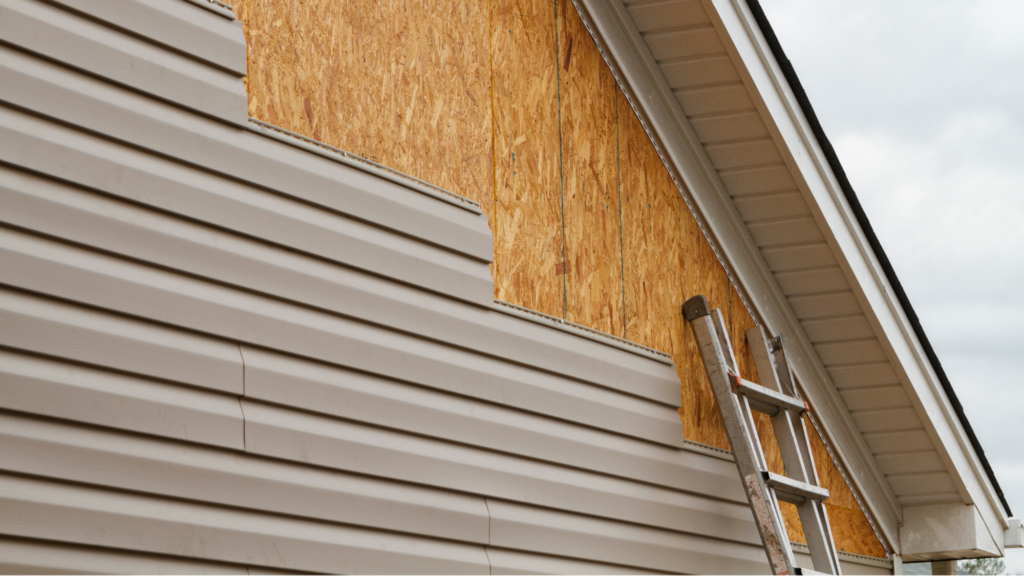
Your home’s siding is one of its most important protective features. It shields your property from weather, improves insulation, and plays a major role in curb appeal. Over time, however, siding can become damaged due to moisture, storms, aging, or everyday wear and tear. When that happens, homeowners are faced with an important decision: siding repair vs replacement. For homeowners in Arlington, VA and the surrounding Northern Virginia communities, making the right choice between siding repair vs replacement can impact not only the appearance of the home but also long-term durability, energy efficiency, and property value. Understanding when to repair and when to replace siding helps you make a smart, cost-effective decision. At Painter Roofing, we help homeowners evaluate their siding condition and determine the best course of action. This comprehensive guide explains the key differences between siding repair vs replacement, what factors to consider, and how to protect your home for years to come. Why Siding Matters for Your Home Before diving into siding repair vs replacement, it’s important to understand the role siding plays in your home’s structure. Siding serves several essential functions: Protects against moisture and weather Insulates the home Prevents pest intrusion Enhances curb appeal Supports structural integrity When siding becomes damaged or worn, it can compromise all of these functions. That’s why addressing issues quickly—whether through repair or replacement—is so important. Common Types of Siding in Arlington, VA Homes in Arlington feature a variety of siding materials, each with its own maintenance needs and lifespan. Common siding types include: Vinyl siding Fiber cement siding Wood siding Engineered wood siding Aluminum siding Each material responds differently to damage, which plays a role in the siding repair vs replacement decision. Signs Your Siding Needs Attention Before deciding between siding repair vs replacement, homeowners should identify signs of siding damage. Common warning signs include: Cracks or holes Warped or buckling panels Fading or discoloration Mold or mildew growth Peeling paint Increased energy bills Water stains inside the home These signs indicate that your siding may no longer be performing as intended. When Siding Repair Is the Right Choice In some cases, siding damage is minor and can be resolved with targeted repairs. Understanding when repair is appropriate is a key part of evaluating siding repair vs replacement. Minor Damage Small cracks, chips, or isolated damage often do not require full replacement. Repair is ideal when: Damage is limited to a few panels The rest of the siding is in good condition Structural components are unaffected Recent Installation If your siding is relatively new, repairing damaged sections is usually more cost-effective than replacing the entire system. Budget Considerations For homeowners working within a limited budget, repair may provide a temporary solution while planning for future replacement. Matching Existing Siding If replacement panels can be closely matched to existing siding, repair is often a practical option. Choosing repair in these situations allows homeowners to extend the life of their siding without the cost of full replacement. When Siding Replacement Is the Better Option In many cases, replacement is the more effective long-term solution. Recognizing when to replace siding is essential when evaluating siding repair vs replacement. Extensive Damage If large areas of siding are damaged, replacing the entire system may be more cost-effective than multiple repairs. Moisture and Rot Issues Water damage is one of the most serious siding problems. If moisture has penetrated behind the siding, it can lead to rot, mold, and structural damage. Aging Siding Older siding materials naturally degrade over time. If your siding is nearing the end of its lifespan, replacement is often the best investment. Energy Efficiency Concerns Modern siding materials offer improved insulation and energy efficiency. Replacing outdated siding can help reduce heating and cooling costs. Frequent Repairs If you find yourself repeatedly repairing siding, it may be time to consider full replacement. Understanding these factors helps homeowners make informed decisions about siding repair vs replacement. Cost Comparison: Siding Repair vs Replacement Cost is often one of the biggest factors in deciding between siding repair vs replacement. Repair Costs Siding repair is generally less expensive upfront. Costs depend on: Extent of damage Material type Labor requirements Replacement Costs Full siding replacement requires a larger investment but offers long-term benefits such as: Improved durability Increased home value Reduced maintenance costs While replacement has a higher initial cost, it may save money over time by reducing future repairs. Impact on Home Value Exterior appearance plays a major role in property value. When evaluating siding repair vs replacement, homeowners should consider how each option affects resale potential. New siding can: Increase curb appeal Attract potential buyers Improve energy efficiency ratings In many cases, siding replacement offers a strong return on investment. Energy Efficiency Benefits Modern siding systems are designed with energy efficiency in mind. When considering siding repair vs replacement, energy performance is an important factor. Replacement siding may include: Insulated panels Improved weather barriers Better sealing These features help reduce energy costs and improve indoor comfort. Aesthetic Considerations Siding plays a major role in your home’s appearance. When deciding between siding repair vs replacement, aesthetics should not be overlooked. Repair may maintain the current look, but replacement allows homeowners to: Update color and style Improve design consistency Modernize the exterior If your home’s appearance feels outdated, replacement may be the better option. Climate Considerations in Arlington, VA Arlington’s climate presents unique challenges for siding materials. Homes in this region experience: Humidity and moisture Seasonal temperature changes Storms and wind UV exposure These conditions can accelerate siding wear, making the siding repair vs replacement decision even more important. Durable materials such as fiber cement and engineered wood are often recommended for long-term performance. Maintenance Requirements Maintenance needs vary depending on whether you repair or replace siding. Repaired siding may require: Ongoing inspections Additional repairs over time New siding systems typically require: Less maintenance Better durability Longer lifespan Considering maintenance is an important part of evaluating siding repair vs replacement. Environmental Considerations Some homeowners prioritize sustainability
Siding Color Selection: The Ultimate Guide for Arlington, VA Homeowners

Choosing the right color for your home’s exterior is one of the most impactful decisions you can make as a homeowner. Your siding color defines your home’s personality, influences curb appeal, and even affects long-term maintenance and energy efficiency. With so many options available, making the right siding color selection can feel overwhelming. For homeowners in Arlington, VA and the surrounding Northern Virginia communities, siding color choices must also consider regional architecture, neighborhood aesthetics, and seasonal weather conditions. The right siding color selection enhances your home’s beauty while ensuring it complements its environment and stands the test of time. At Painter Roofing, we help homeowners navigate the decision-making process with expert guidance and professional installation. This comprehensive guide will walk you through everything you need to know about siding color selection, from design principles to practical considerations. Why Siding Color Selection Matters Your home’s exterior is the first thing people notice. The color of your siding plays a major role in shaping first impressions and overall property value. A thoughtful siding color selection can: Boost curb appeal Increase resale value Highlight architectural features Complement landscaping Reflect personal style In Arlington’s diverse neighborhoods, homes range from historic colonials to modern townhouses. Choosing the right siding color selection ensures your home fits beautifully within its surroundings. Understanding Arlington’s Architectural Styles Before making a siding color selection, it’s important to consider your home’s architectural style. Arlington features a wide mix of home designs, and each style pairs best with certain color palettes. Colonial Homes Colonial-style homes are common in Arlington. Traditional colors include: White Cream Soft gray Navy blue These timeless tones support classic siding color selection choices that maintain historical character. Craftsman Homes Craftsman homes often feature natural materials and earthy tones. Popular colors include: Olive green Warm brown Deep red Muted blue These colors complement wood accents and enhance natural textures. Modern and Contemporary Homes Modern homes benefit from bold or minimalist palettes. Common siding color selection choices include: Charcoal gray Black White Mixed neutral tones Clean lines and simple colors create a sleek appearance. Factors to Consider in Siding Color Selection Choosing the perfect siding color involves more than personal preference. Several factors influence the best siding color selection for your home. Climate and Sun Exposure Arlington experiences hot summers and cold winters. Sun exposure can affect how colors appear and age over time. Lighter colors reflect sunlight and stay cooler, while darker colors absorb heat. Considering climate is essential in siding color selection. Neighborhood Aesthetics While you want your home to stand out, it should also complement neighboring properties. A balanced siding color selection enhances neighborhood harmony and may even increase property value. Roof Color Coordination Your roof plays a major role in your home’s overall appearance. Coordinating siding with roof color is a key step in siding color selection. For example: Dark roofs pair well with lighter siding Neutral roofs allow for more color flexibility Landscaping and Surroundings Trees, shrubs, and outdoor features influence how your siding color appears. A thoughtful siding color selection considers these elements to create a cohesive look. Long-Term Maintenance Some colors require more maintenance than others. Lighter shades may show dirt more easily, while darker colors may fade over time. Choosing a durable and practical siding color selection helps reduce maintenance efforts. Popular Siding Color Options in Arlington, VA Certain colors are especially popular among homeowners in Arlington due to their versatility and timeless appeal. Neutral Tones Neutral colors remain the most common siding color selection because they suit a wide range of home styles. Popular options include: Beige Gray Taupe White Neutral siding creates a clean and classic appearance. Blue Shades Blue is a popular choice for homeowners who want a bit more personality. Common blue tones include: Navy Slate blue Light coastal blue Blue works well with white trim and adds a welcoming feel. Green Tones Green siding blends well with natural surroundings. Popular green options include: Sage Olive Forest green These colors are ideal for homes surrounded by trees or landscaping. Dark and Bold Colors Some homeowners prefer bold siding color selection options for a dramatic look. These may include: Charcoal Black Deep brown Dark colors create strong contrast and modern appeal. Combining Siding Colors Many homes use more than one siding color to create visual interest. Combining colors is an effective way to enhance architectural details. Common techniques include: Using one color for the main siding and another for accents Highlighting gables with a different shade Pairing siding with stone or brick features A balanced multi-tone siding color selection adds depth and dimension. Choosing the Right Trim and Accent Colors Trim and accents play an important role in the overall look of your home. The right combination enhances your primary siding color. When planning your siding color selection, consider: White trim for contrast Dark trim for a bold look Coordinating colors for doors and shutters Well-chosen accents can elevate the entire exterior design. Testing Colors Before Finalizing Colors can appear different depending on lighting conditions and surroundings. Before making a final siding color selection, it’s important to test samples. Homeowners should: View samples in natural light Compare colors at different times of day Place samples next to roofing and trim Testing ensures confidence in your final choice. The Role of Texture in Color Appearance Siding texture affects how color appears on your home. Smooth surfaces reflect light differently than textured finishes. For example: Wood grain textures add depth to color Smooth siding creates a uniform appearance Rough textures produce shadow effects Considering texture is an important part of siding color selection. Energy Efficiency and Color Choice Color can impact your home’s energy efficiency. Lighter colors reflect sunlight, helping reduce heat absorption during summer months. For Arlington homeowners, energy-efficient siding color selection can contribute to lower cooling costs and improved comfort. Trends in Siding Color Selection While timeless colors remain popular, new trends continue to emerge. Current trends include: Mixed neutral palettes Dark siding with light trim Natural and
Siding Styles Textures: A Complete Guide for Arlington, VA Homeowners

Choosing the right siding is one of the most important decisions homeowners make when improving their home’s exterior. Siding protects your property from weather, improves insulation, and dramatically affects curb appeal. With so many materials, designs, and finishes available today, understanding siding styles textures can help homeowners make the best decision for their home’s appearance and durability. Homes throughout Arlington, VA and the surrounding Northern Virginia communities showcase a wide variety of architectural styles—from historic colonial homes to modern townhouses and contemporary builds. Selecting the right siding styles textures allows homeowners to match their siding to their home’s architecture while also improving long-term protection against weather and environmental exposure. At Painter Roofing, we help homeowners choose siding solutions that balance beauty, durability, and performance. This guide explores popular siding styles textures, how they influence home design, and what Arlington homeowners should consider before choosing a siding system. Why Siding Styles and Textures Matter Siding is more than a protective exterior layer—it defines the visual character of a home. The style and texture of siding influence how light reflects off the exterior, how shadows appear, and how architectural features stand out. Choosing the right siding styles textures can: Enhance curb appeal Complement architectural design Increase property value Improve neighborhood harmony Add visual depth and dimension For homeowners in Arlington, selecting appropriate siding styles textures ensures that the exterior blends well with the surrounding environment while maintaining durability against seasonal weather conditions. Understanding Siding Materials and Texture Options Different siding materials offer different surface textures and design possibilities. Understanding these options helps homeowners evaluate which siding styles textures will work best for their property. Common siding materials include: Vinyl siding Fiber cement siding Wood siding Engineered wood siding Metal siding Composite siding Each material can be manufactured in multiple siding styles textures, giving homeowners flexibility in achieving their desired look. Horizontal Lap Siding One of the most common siding styles textures seen in Arlington homes is horizontal lap siding. This design features long horizontal boards that overlap slightly to shed water effectively. Lap siding offers a clean and classic appearance that works well with many architectural styles, including colonial, craftsman, and traditional homes. Benefits of horizontal siding include: Timeless aesthetic Effective water drainage Easy installation and repair Compatibility with multiple materials Horizontal lap boards may come in smooth or wood-grain siding styles textures, allowing homeowners to customize the look. Dutch Lap Siding Dutch lap siding is a variation of horizontal siding that includes a decorative groove at the top edge of each panel. This creates deeper shadow lines and more pronounced texture. Many homeowners choose Dutch lap siding styles textures because they add visual depth to exterior walls while maintaining the durability of standard lap siding. Dutch lap siding works particularly well for traditional homes throughout Arlington neighborhoods. Board and Batten Siding Board and batten siding is a vertical design that features wide boards with narrow strips (battens) covering the seams between them. This style creates a distinctive vertical pattern that adds height and architectural interest. Board and batten siding styles textures are commonly used in farmhouse, craftsman, and modern rustic designs. Benefits include: Strong visual impact Vertical emphasis that makes homes appear taller Unique architectural character Board and batten siding is becoming increasingly popular in Arlington renovations and new construction. Shake and Shingle Siding Shake and shingle siding offers one of the most distinctive siding styles textures available. These small, individually shaped pieces create a layered, textured appearance. There are two main variations: Cedar shakes, which have a rougher hand-split texture Cedar shingles, which have a smoother and more uniform appearance Modern fiber cement and vinyl products replicate these natural siding styles textures while offering improved durability. Shake siding is often used for: Gable accents Upper-story exteriors Craftsman-style homes Historic properties This texture creates rich visual detail and enhances architectural charm. Beaded Siding Beaded siding includes a decorative bead or rounded ridge along the bottom edge of each board. This subtle detail adds elegance and texture. Beaded siding styles textures are often used on historic or traditional homes throughout Arlington. The decorative edge creates delicate shadow lines that enhance exterior character. Many homeowners choose this style when restoring older homes or creating a classic colonial appearance. Smooth Siding Textures Smooth siding provides a clean and modern appearance without visible wood grain or heavy texture. These siding styles textures are popular for contemporary homes and minimalist architectural designs. Smooth siding reflects light evenly, creating a sleek exterior finish. Smooth textures are available in several materials, including fiber cement and engineered wood siding. Wood Grain Textures Wood grain finishes replicate the natural patterns of real wood while offering the durability of modern siding materials. Many vinyl and fiber cement products include embossed siding styles textures designed to mimic cedar or pine grain. Benefits of wood grain textures include: Natural appearance Lower maintenance compared to real wood Consistent finish Long-term durability Wood grain textures remain one of the most popular siding styles textures for homeowners who want a traditional look without the upkeep of natural wood. Rustic Textured Siding Rustic siding styles feature deeper grain patterns or rougher surfaces that replicate hand-hewn wood or aged timber. These siding styles textures work well for homes with rustic architecture, cabins, or craftsman-style properties. Rustic textures create dramatic shadow lines and add character to exterior walls. Stone and Siding Combinations Many Arlington homes combine siding with stone veneer or masonry accents. Pairing materials creates visual contrast and adds dimension to the exterior. For example, homeowners may combine: Horizontal siding with stone foundation accents Board and batten siding with brick columns Shake siding with stone entryways Combining materials allows homeowners to blend different siding styles textures for a layered and sophisticated exterior design. Accent Siding Styles Accent siding is used to highlight specific architectural areas of the home. Common accent locations include: Gables Dormers Entryways Porch walls Homeowners often choose unique siding styles textures for these areas to create contrast with the main siding. For example, shake