Your roof system is more than shingles and flashing. Hidden along the roof edges are critical structural and ventilation components that protect your home from moisture, pests, and structural deterioration. Fascia and soffit elements play a major role in roof performance, attic ventilation, and curb appeal. When these components become damaged, timely fascia soffit repair is essential to prevent larger roofing and structural problems.
In Arlington, VA and surrounding Northern Virginia communities, seasonal weather, humidity, storms, and tree debris frequently contribute to fascia and soffit damage. Understanding when and why fascia soffit repair is needed helps homeowners protect their roof system and maintain long-term property value.
At Painter Roofing, we specialize in professional fascia and soffit inspection, repair, and replacement tailored to Arlington homes and climate conditions. This comprehensive guide explains the importance of fascia and soffit systems, common damage causes, repair methods, and how homeowners can maintain these critical roof components.
What Are Fascia and Soffit?
Before understanding repair needs, homeowners should know what these components do.
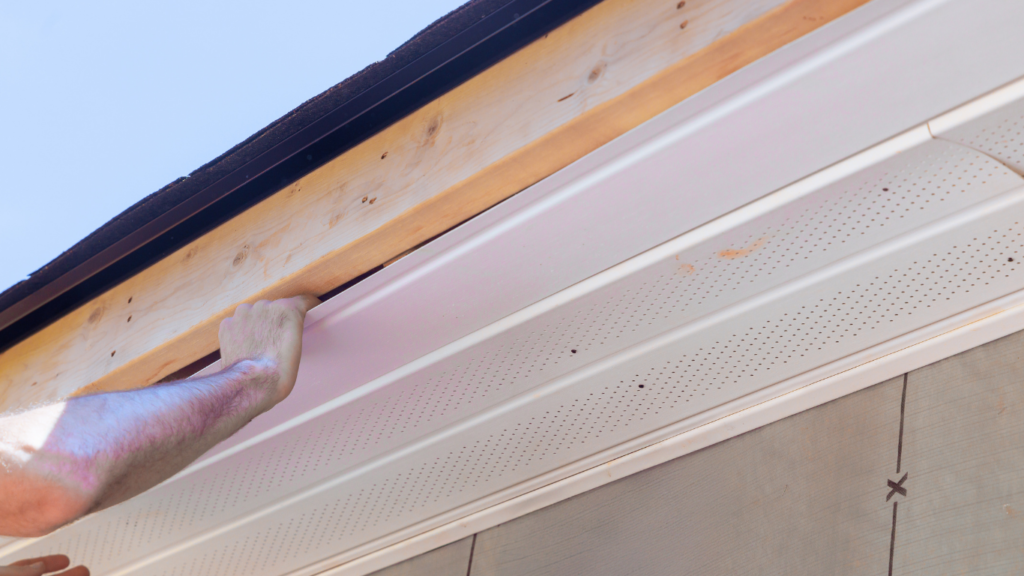
Fascia is the horizontal board running along the roof edge, typically where gutters are attached. It caps the roof rafters and provides a finished edge.
Soffit is the underside panel beneath the roof overhang. It closes the gap between exterior walls and roof edges and often contains ventilation openings.
Together, fascia and soffit protect the roof structure and attic. Damage to either area often requires prompt fascia soffit repair to maintain system integrity.
Why Fascia and Soffit Are Critical to Your Roof System
Fascia and soffit components serve multiple structural and functional roles:
- Support gutters
- Protect roof edges
- Seal attic space
- Prevent moisture intrusion
- Enable ventilation
- Block pests
- Improve aesthetics
When these elements deteriorate, water and pests can enter roof framing. This is why timely fascia soffit repair is essential for Arlington homeowners.
Common Causes of Fascia and Soffit Damage in Arlington, VA
Northern Virginia’s climate creates several conditions that contribute to fascia and soffit deterioration.
Moisture and Water Exposure
The most common cause of fascia rot is water. Overflowing gutters, roof leaks, or ice dams allow moisture to soak into wood fascia boards.
Moisture-related fascia soffit repair issues include:
- Wood rot
- Paint failure
- Mold growth
- Structural softening
- Fastener loosening
Heavy rain and clogged gutters in Arlington neighborhoods frequently accelerate damage.
Gutter Failure or Overflow
Since gutters attach directly to fascia boards, any gutter issue affects fascia condition.
Gutter-related causes of fascia soffit repair:
- Loose gutters
- Sagging brackets
- Clogged debris
- Improper slope
- Overflowing water
Persistent overflow leads to fascia deterioration and soffit staining.
Pest and Animal Intrusion
Damaged soffits create entry points for pests and wildlife.
Common pest-related fascia soffit repair issues:
- Bird nesting
- Squirrel entry
- Insect infestation
- Wasp colonies
- Rodent intrusion
Once animals enter attic spaces, structural damage often follows.
Poor Ventilation and Condensation
Soffits often contain ventilation openings. Blocked or damaged soffits reduce airflow and trap moisture in attics.
Ventilation-related fascia soffit repair problems:
- Condensation rot
- Mold formation
- Insulation damage
- Wood decay
Proper soffit ventilation is essential in Arlington’s humid climate.
Storm and Wind Damage
Storms and falling branches can physically damage fascia and soffit boards.
Storm-related fascia soffit repair causes:
- Impact cracks
- Detached panels
- Broken edges
- Structural loosening
Tree-lined Arlington properties are particularly vulnerable.
Aging and Paint Failure
Older homes often have wood fascia and soffit that deteriorate over time.
Age-related fascia soffit repair factors:
- UV exposure
- Paint peeling
- Sealant failure
- Wood drying
- Structural fatigue
Routine inspection helps detect early deterioration.
Signs You Need Fascia Soffit Repair
Homeowners should watch for visible indicators of damage.
Common signs requiring fascia soffit repair:
- Peeling or bubbling paint
- Soft or crumbling wood
- Water stains
- Mold or mildew
- Sagging gutters
- Pest entry holes
- Detached soffit panels
- Rotting edges
Early detection prevents costly roof framing repairs.
Consequences of Ignoring Fascia and Soffit Damage
Delaying fascia soffit repair can lead to serious structural and moisture problems.
Potential consequences include:
- Roof deck rot
- Rafter deterioration
- Attic mold
- Insulation damage
- Interior leaks
- Pest infestations
- Gutter collapse
- Structural repair costs
Prompt repair protects the entire roofing system.
Materials Used in Fascia and Soffit Systems
Modern fascia and soffit components are available in multiple materials.
Wood Fascia and Soffit
Traditional and common in older Arlington homes.
Pros:
- Natural appearance
- Easy to shape
- Paintable
Cons:
- Rot risk
- Moisture absorption
- Maintenance needs
Wood often requires fascia soffit repair sooner than modern materials.
Aluminum Fascia and Soffit
Popular low-maintenance option.
Pros:
- Rust resistant
- Lightweight
- Durable
- Ventilated options
Cons:
- Denting risk
- Limited color changes
Aluminum reduces long-term fascia soffit repair frequency.
PVC Fascia and Soffit
High-performance synthetic material.
Pros:
- Rot proof
- Moisture resistant
- Low maintenance
- Long lifespan
Cons:
- Higher upfront cost
PVC minimizes future fascia soffit repair needs.
Fiber Cement Components
Durable composite material.
Pros:
- Rot resistant
- Fire resistant
- Paintable
- Stable
Cons:
- Heavier
- Installation complexity
Material choice affects longevity and repair frequency.
Fascia Soffit Repair vs Replacement
Not all damage requires full replacement. Professionals assess severity.
Repair suitable when:
- Localized rot
- Small holes
- Limited moisture damage
- Minor detachment
Replacement needed when:
- Widespread rot
- Structural failure
- Pest infestation
- Repeated moisture damage
Painter Roofing evaluates whether fascia soffit repair or replacement is best.
Professional Fascia Soffit Repair Process
Quality repair follows structured steps.
- Inspection and damage assessment
- Gutter removal if needed
- Removal of damaged fascia or soffit
- Inspection of rafters and decking
- Repair of underlying wood
- Installation of new material
- Ventilation restoration
- Sealing and finishing
- Gutter reinstallation
Proper process ensures durable fascia soffit repair results.
Importance of Ventilated Soffits
Soffit ventilation regulates attic airflow.
Ventilation-related fascia soffit repair benefits:
- Moisture reduction
- Mold prevention
- Heat control
- Roof lifespan extension
- Energy efficiency
Blocked soffits reduce attic performance.
Gutter Integration with Fascia
Gutters rely on fascia boards for support. Repair often involves both systems.
Combined fascia soffit repair considerations:
- Fascia strength
- Gutter fasteners
- Drainage alignment
- Water management
Painter Roofing ensures proper integration.
Fascia Soffit Repair and Roof Health
Roof edges are vulnerable to water intrusion. Damaged fascia allows moisture into decking and rafters.
Roof-related fascia soffit repair benefits:
- Leak prevention
- Structural protection
- Deck preservation
- Ice dam reduction
Edge protection is critical in Arlington climates.
Seasonal Maintenance for Arlington Homes
Preventative maintenance reduces repair frequency.
Recommended practices:
- Gutter cleaning
- Roof inspections
- Paint maintenance
- Pest checks
- Ventilation inspection
Regular care reduces future fascia soffit repair needs.
Historic Homes in Arlington
Older homes often have original wood fascia and soffit requiring specialized repair.
Historic fascia soffit repair considerations:
- Material matching
- Architectural detail
- Structural reinforcement
- Preservation compliance
Painter Roofing provides restoration-sensitive repairs.
Cost Factors in Fascia Soffit Repair
Several variables affect repair cost:
- Damage extent
- Material type
- Accessibility
- Gutter removal
- Ventilation work
- Structural repair
Early fascia soffit repair is typically less expensive than delayed replacement.
Why Choose Painter Roofing for Fascia Soffit Repair in Arlington, VA
Painter Roofing provides expert exterior repair tailored to local homes.
We offer:
- Detailed inspections
- Moisture diagnosis
- Structural repair
- Material matching
- Ventilation restoration
- Gutter integration
- Long-lasting finishes
Our team ensures reliable fascia soffit repair results.
When to Schedule Fascia Soffit Inspection
Recommended inspection times:
- After storms
- During roof replacement
- When gutters fail
- When painting exterior
- Every few years
Routine inspection identifies early fascia soffit repair needs.
Long-Term Benefits of Fascia Soffit Repair
Timely repair protects home value and structure.
Benefits include:
- Roof longevity
- Moisture protection
- Pest prevention
- Energy efficiency
- Structural stability
- Curb appeal
Maintaining these components preserves the entire roofing system.
Final Thoughts: Fascia Soffit Repair for Arlington Homeowners
Fascia and soffit components are essential yet often overlooked parts of your roof system. When damaged, they allow moisture, pests, and structural deterioration to affect your home. Prompt fascia soffit repair protects roof framing, attic ventilation, and exterior integrity.
In Arlington, VA and surrounding Northern Virginia areas, climate conditions and aging materials make regular inspection and repair essential. Addressing damage early prevents costly structural problems and extends roof lifespan.
Painter Roofing proudly provides professional fascia soffit repair designed for durability, ventilation, and long-term protection. If you notice signs of damage or aging roof edges, now is the ideal time to schedule an inspection and restore your home’s protection.