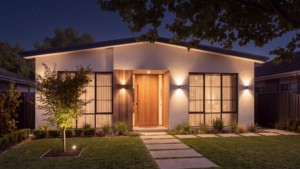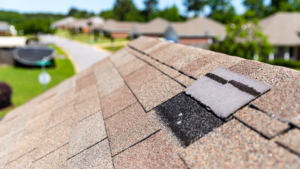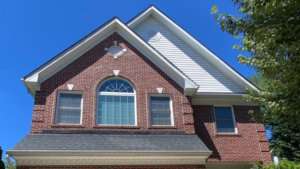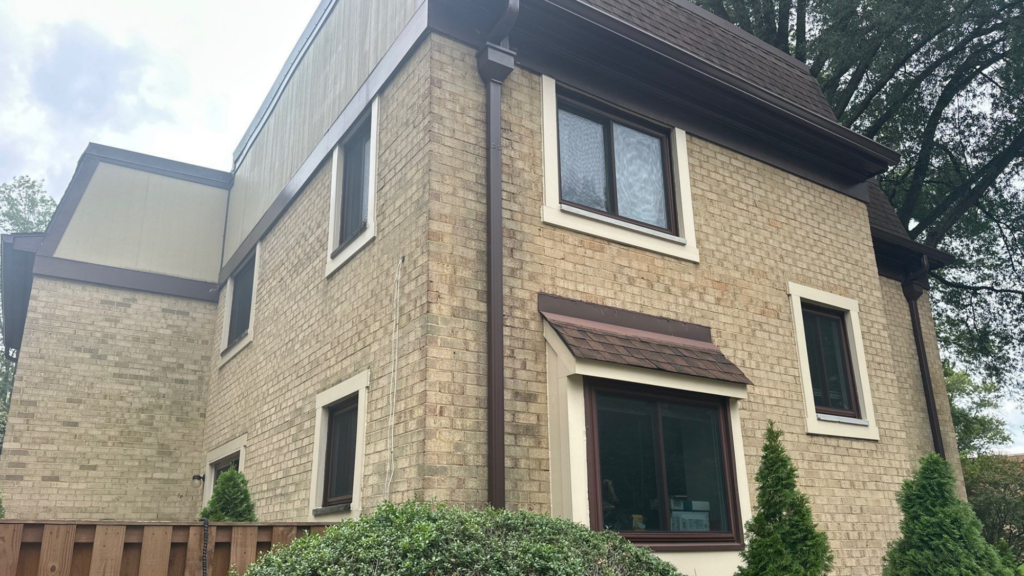
Home maintenance is an important part of protecting your property, preserving curb appeal, and preventing small problems from becoming expensive repairs. For homeowners in Arlington, VA and the surrounding areas, regular maintenance can involve everything from inspecting the roof and cleaning gutters to checking siding, windows, doors, masonry, exterior trim, and other parts of the home.
One of the biggest questions homeowners face is whether they should handle maintenance themselves or hire a professional.
The professional vs DIY maintenance decision is not always straightforward. Some tasks are relatively simple and may be reasonable for a homeowner to handle. Other projects involve specialized equipment, difficult-to-reach areas, electrical components, structural materials, or safety risks that make professional assistance the better choice.
Understanding where to draw the line can help homeowners save time, protect their property, and avoid accidentally causing additional damage.
Understanding Professional vs DIY Maintenance
The concept of professional vs DIY maintenance comes down to balancing convenience, cost, skill, safety, and long-term results.
DIY maintenance allows homeowners to take care of certain routine tasks themselves. This can save money on labor and give homeowners a better understanding of their property.
Professional maintenance provides access to specialized knowledge, equipment, experience, and techniques. A professional can often identify problems that may not be obvious to an untrained homeowner.
Neither approach is automatically right for every situation.
The best choice depends on the specific task, the condition of the property, the homeowner’s experience, and the potential consequences of making a mistake.
Why Regular Home Maintenance Matters
Routine maintenance helps homeowners identify problems before they become major issues.
For example, a small gutter problem may eventually contribute to water flowing where it should not. A damaged piece of siding may allow moisture to reach underlying materials. A deteriorating roof component can eventually contribute to leaks.
Regular maintenance gives homeowners an opportunity to identify these issues earlier.
A good maintenance program can include:
- Roof inspections
- Gutter cleaning
- Downspout checks
- Siding inspections
- Window maintenance
- Door inspections
- Exterior caulking
- Trim inspections
- Chimney checks
- Deck and porch maintenance
- Masonry inspections
- Drainage checks
- Tree and landscaping maintenance
The professional vs DIY maintenance decision can be made separately for each task.
DIY Maintenance Homeowners May Be Able to Handle
Many routine maintenance tasks do not necessarily require a professional.
Homeowners who are comfortable performing basic maintenance may be able to handle tasks such as removing leaves and debris from easily accessible areas, checking visible exterior components, cleaning certain surfaces, and monitoring for obvious signs of deterioration.
For example, homeowners can regularly walk around their property and look for visible problems.
Look for:
- Missing or damaged shingles
- Cracked siding
- Peeling paint
- Damaged trim
- Clogged visible downspout openings
- Cracked caulking
- Damaged screens
- Loose exterior hardware
- Standing water
- Signs of moisture intrusion
These simple observations can help homeowners recognize when professional assistance may be necessary.
When DIY Maintenance Makes Sense
The DIY approach may be appropriate when the task is low-risk, easily accessible, and within the homeowner’s skill level.
Cleaning accessible exterior surfaces, replacing certain easily reachable components, monitoring gutters, and performing visual inspections can often be part of routine homeowner maintenance.
However, homeowners should understand their limitations.
A task that looks simple from the ground may become significantly more complicated when ladders, steep roofs, electrical connections, or structural components are involved.
This is where professional vs DIY maintenance becomes particularly important.
When Professional Maintenance Is the Better Choice
Professional assistance is generally more appropriate when a project involves significant safety risks, specialized knowledge, or the possibility of causing expensive damage.
Roofing is a good example.
A roof may appear straightforward from the ground, but professional roof maintenance can involve evaluating shingles, flashing, ventilation, penetrations, decking, drainage, and other components.
Homeowners should avoid climbing onto roofs that are steep, wet, damaged, or otherwise unsafe.
A professional can perform a more thorough evaluation while reducing the need for homeowners to take unnecessary risks.
Professional vs DIY Maintenance for Roofing
The roof is one of the most important protective systems on your home.
DIY roof maintenance may be limited to visual inspections from the ground and monitoring for obvious changes.
Homeowners can look for missing shingles, visible debris, sagging areas, or other obvious concerns without climbing onto the roof.
Professional maintenance can involve a more detailed evaluation of the roofing system.
A professional may be able to identify:
- Damaged shingles
- Deteriorated flashing
- Roof penetrations
- Ventilation concerns
- Signs of moisture intrusion
- Deteriorating sealants
- Damaged roof components
- Potential leak sources
When comparing professional vs DIY maintenance for roofing, safety and accuracy should be major considerations.
Professional vs DIY Maintenance for Gutters
Gutters play an important role in directing rainwater away from the roof and foundation.
Homeowners may be able to clean accessible gutters if they have the appropriate equipment and can perform the work safely.
However, gutter maintenance can become dangerous when working from ladders or accessing tall sections of a home.
Professional gutter maintenance can also identify issues beyond simple debris buildup.
Professionals may notice:
- Sagging gutters
- Loose fasteners
- Poor alignment
- Damaged sections
- Blocked downspouts
- Improper drainage
- Leaking joints
- Water overflow
A homeowner may clean the gutter and still have an underlying drainage problem.
DIY Siding Maintenance
Siding maintenance can include cleaning surfaces, visually checking for damage, and monitoring for changes.
Homeowners may be able to gently clean certain siding materials using appropriate methods.
However, pressure washing can cause damage if excessive pressure is used or if water is forced behind siding.
Homeowners should understand the material installed on their property before selecting a cleaning method.
When siding is cracked, warped, loose, or significantly deteriorated, professional evaluation may be more appropriate.
Professional vs DIY Maintenance for Siding
The professional vs DIY maintenance decision becomes more important when siding damage involves areas that are difficult to access or when moisture may be entering behind the siding.
A professional can evaluate whether the problem is isolated or part of a larger issue.
For example, a damaged siding panel may be relatively simple to replace, but moisture behind that panel could indicate damage to the underlying structure.
Addressing only the visible surface without investigating the cause could allow the problem to continue.
Painter Roofing provides siding services for homeowners in Arlington and surrounding Northern Virginia communities, making professional assistance available when siding maintenance goes beyond basic cleaning and visual inspection.
Window Maintenance: DIY or Professional?
Windows are another area where homeowners can perform some routine maintenance themselves.
Cleaning glass, wiping frames, checking screens, and inspecting visible caulking can be part of normal upkeep.
Homeowners can also look for signs of:
- Drafts
- Condensation
- Damaged screens
- Cracked glass
- Deteriorated seals
- Difficult operation
- Water intrusion
However, damaged glass, deteriorated frames, installation problems, and significant air or water leakage may require professional attention.
A professional can determine whether a window needs maintenance, repair, or replacement.
Exterior Door Maintenance
Doors are frequently exposed to weather and daily use.
Homeowners can perform basic maintenance such as cleaning surfaces, checking hardware, inspecting visible weatherstripping, and watching for signs of deterioration.
However, problems involving the door frame, structural components, water intrusion, or significant alignment issues may require professional assistance.
An exterior door that does not close properly may have an underlying problem involving the frame, hinges, settling, or other components.
Addressing the cause rather than simply adjusting the door can help prevent recurring issues.
DIY Exterior Caulking
Caulking is another maintenance task that some homeowners may be comfortable performing.
Exterior caulking can help seal certain joints and gaps around windows, doors, trim, and other areas.
However, old caulking should be evaluated before simply applying a new layer over it.
Homeowners need to choose an appropriate exterior sealant and prepare the surface correctly.
If water has already entered behind the area being sealed, covering the visible gap without investigating the moisture source may not solve the problem.
This is another example of how professional vs DIY maintenance depends on understanding the underlying issue.
Chimney Maintenance Considerations
Chimneys are exposed to rain, snow, wind, temperature changes, and other weather conditions.
Homeowners can perform visual observations from the ground, looking for obvious cracks, deteriorated masonry, damaged caps, or other changes.
However, chimney inspection and repair can involve elevated work and specialized knowledge.
If a chimney shows significant deterioration, professional evaluation is recommended.
Problems involving flashing, masonry, mortar joints, caps, or water intrusion should not be ignored.
Deck and Porch Maintenance
Decks and porches are frequently exposed to moisture and changing temperatures.
Homeowners can inspect accessible areas for obvious problems such as loose boards, damaged surfaces, peeling finishes, or visible deterioration.
However, structural concerns are different.
If a homeowner notices sagging, significant movement, deteriorated support components, or other structural concerns, professional evaluation is appropriate.
A deck that looks acceptable from above may still have problems in its supporting components.
Exterior Maintenance and Ladder Safety
Ladders are often involved in DIY home maintenance.
Cleaning gutters, changing exterior fixtures, trimming certain vegetation, and accessing elevated areas can all involve ladders.
Falls are one of the biggest concerns associated with attempting elevated maintenance without appropriate equipment or experience.
Homeowners should never feel pressured to complete a task themselves simply because it appears inexpensive.
The cost savings of DIY maintenance are not worthwhile if the homeowner is injured or damages the property.
How DIY Repairs Can Become More Expensive
One reason the professional vs DIY maintenance question deserves careful consideration is that mistakes can increase costs.
A homeowner may attempt to repair a small problem without recognizing the cause.
For example, covering a leak without finding the source may allow water to continue entering the property.
Similarly, using inappropriate cleaning methods on siding, roofing, windows, or other exterior materials can cause damage.
In these situations, the original maintenance task may become a larger repair.
The Cost Difference Between Professional and DIY Maintenance
DIY maintenance can reduce labor costs, but homeowners should consider the total cost rather than focusing only on the price of professional service.
DIY projects may require homeowners to purchase:
- Tools
- Ladders
- Cleaning equipment
- Safety equipment
- Sealants
- Replacement materials
- Specialized products
There is also the value of the homeowner’s time.
Professional service costs money, but it can provide expertise and potentially reduce the risk of mistakes.
The right decision depends on the project.
Professional vs DIY Maintenance and Long-Term Savings
Good maintenance is about more than saving money today.
The goal is to protect the home over the long term.
A professional may identify a developing problem before it becomes expensive. On the other hand, homeowners can save money by handling appropriate routine tasks themselves.
This is why professional vs DIY maintenance should not be viewed as an all-or-nothing decision.
A balanced approach can often work best.
Homeowners can handle simple, low-risk maintenance while bringing in professionals for specialized work.
A Practical Maintenance Strategy for Homeowners
A practical maintenance plan can divide tasks into three categories:
Category One: Routine DIY Tasks
These may include simple cleaning, visual inspections, basic landscaping maintenance, and monitoring easily accessible exterior components.
Category Two: Tasks Requiring More Experience
Some projects may be possible for skilled homeowners but require additional tools, knowledge, or caution.
Homeowners should honestly evaluate their ability before proceeding.
Category Three: Professional Maintenance
Roofing, structural concerns, difficult-to-access areas, significant water intrusion, major siding damage, and other specialized projects are generally better handled by qualified professionals.
This approach makes the professional vs DIY maintenance decision easier because homeowners can evaluate each task individually.
Seasonal Maintenance in Arlington, VA
Northern Virginia homeowners should consider seasonal changes when planning maintenance.
Spring Maintenance
Spring is a good time to inspect the exterior for problems that may have developed during colder weather.
Homeowners can check roofs, gutters, siding, windows, doors, and drainage areas.
Summer Maintenance
Summer can be useful for completing exterior projects and addressing problems discovered during spring inspections.
Homeowners should also monitor areas exposed to intense heat and storms.
Fall Maintenance
Fall maintenance should include attention to leaves, gutters, drainage, exterior surfaces, and trees near the home.
Removing debris from appropriate areas can help maintain proper water flow.
Winter Preparation
Before colder weather arrives, homeowners should make sure exterior components are in good condition.
Addressing known roofing, siding, gutter, window, and door problems before winter can reduce the chance of emergency issues.
Prioritizing Exterior Maintenance Tasks
Not every maintenance issue needs to be addressed at the same time. Homeowners can make their maintenance plans more effective by prioritizing problems according to safety, potential property damage, and how quickly the condition may worsen.
Issues involving active water intrusion should generally receive prompt attention. A roof leak, overflowing gutter, damaged flashing, or deteriorated exterior seal can allow moisture to reach areas that are not designed to remain wet.
Safety-related problems should also receive a high priority. Loose exterior materials, unstable deck components, damaged stairs, and other hazards can create risks for household members and visitors.
After urgent concerns are addressed, homeowners can focus on maintenance that improves durability and appearance. This may include cleaning exterior surfaces, refreshing caulking, maintaining siding, inspecting trim, and improving drainage around the property.
Creating a priority list can also make the professional vs DIY maintenance decision easier. Low-risk tasks can be scheduled as part of regular homeowner upkeep, while problems involving roofing, structural components, difficult access, or significant deterioration can be referred to a professional.
A prioritized maintenance plan can prevent homeowners from overlooking important issues simply because less urgent cosmetic projects are easier to notice.
When to Call Painter Roofing
Homeowners do not have to determine every maintenance issue on their own.
Painter Roofing can assist homeowners when exterior maintenance involves roofing, siding, gutters, windows, doors, and other areas of the home.
If you notice a problem but are uncertain about its severity, a professional evaluation can help you understand what needs attention.
Painter Roofing serves Arlington, VA and surrounding communities throughout Northern Virginia.
Our team understands the importance of maintaining the complete exterior of a home rather than focusing on only one component.
Combining DIY Observation With Professional Inspections
One of the best approaches to professional vs DIY maintenance is to combine regular homeowner observations with professional inspections.
Homeowners are often the first people to notice changes because they see their property every day.
You may notice a new ceiling stain, a loose piece of siding, a gutter overflowing during rain, or a door that suddenly becomes difficult to close.
These observations are valuable.
A professional can then investigate the issue and determine what caused it.
This combination allows homeowners to remain actively involved in property maintenance without attempting every repair themselves.
Signs You Should Stop a DIY Project
Even if a homeowner starts a project independently, there may be situations where stopping and contacting a professional is the safest decision.
Stop if you discover:
- Structural damage
- Extensive water intrusion
- Electrical concerns
- Major roof deterioration
- Unstable surfaces
- Significant mold or moisture concerns
- Hidden damage
- Unexpected complications
- A problem that is larger than originally expected
Knowing when to stop is an important part of responsible home maintenance.
Professional vs DIY Maintenance for Homeowners in Arlington
Arlington homes can vary significantly in age, construction, design, and exterior materials.
Some properties may require specialized attention because of their architectural features or existing construction conditions.
Homeowners in Arlington, Alexandria, Falls Church, Fairfax, McLean, and nearby communities should consider the specific characteristics of their property when creating a maintenance plan.
Local weather exposure also means exterior components need regular attention.
The right professional vs DIY maintenance strategy will depend on your home’s age, condition, materials, accessibility, and your own experience.
Why Painter Roofing Is a Resource for Exterior Maintenance
Painter Roofing and Construction is based in Arlington, VA and provides a range of exterior services for homeowners.
Our services include roofing, roof inspections, repairs, replacement, gutters, siding, windows, doors, and other exterior improvements.
When homeowners are deciding between DIY work and professional service, our team can help identify areas that may require specialized attention.
The objective is not to tell homeowners that every maintenance task requires a contractor. Instead, it is to help property owners recognize when professional experience can provide additional value.
Building a Long-Term Maintenance Plan
A long-term maintenance plan can help homeowners stay organized.
Create a schedule for checking:
- Roof condition
- Gutters and downspouts
- Siding
- Windows
- Exterior doors
- Chimney
- Decks and porches
- Exterior trim
- Caulking
- Drainage
- Landscaping near the home
Record problems when you find them and schedule professional service when needed.
A maintenance calendar can help prevent small concerns from being forgotten.
The Best Approach to Professional vs DIY Maintenance
Ultimately, the best professional vs DIY maintenance strategy is usually a balanced one.
Homeowners can handle tasks that are safe, accessible, and within their abilities. Professionals can handle projects that require specialized knowledge, equipment, experience, or safety procedures.
The key is knowing the difference.
Saving money through DIY maintenance is helpful when the task is appropriate. However, attempting a complex repair simply to avoid professional costs can create greater expenses later.
Similarly, homeowners should not feel that every minor maintenance task requires a contractor.
The goal is to make informed decisions.
Final Thoughts on Professional vs DIY Maintenance
Home maintenance is an ongoing responsibility, but homeowners do not have to handle every task themselves.
Understanding professional vs DIY maintenance can help you decide which projects are reasonable to complete independently and which ones should be handled by an experienced professional.
Simple visual inspections, cleaning, and other low-risk tasks can often become part of your normal homeowner routine. More complicated work involving roofs, structural components, difficult-to-access areas, significant water intrusion, or specialized exterior systems deserves greater caution.
Regular maintenance, early problem identification, and timely professional attention can help protect your home and reduce the likelihood of costly emergency repairs.
If you are unsure whether a project is appropriate for DIY maintenance, consider the potential risks, the complexity of the task, and the consequences of making a mistake. When the project involves an important protective system such as the roof or requires working at significant heights, professional assistance may be the smarter long-term choice.
With a thoughtful professional vs DIY maintenance strategy, homeowners can remain actively involved in caring for their properties while relying on qualified professionals when specialized expertise is needed.