Your roof protects your home through every season, from summer heat and heavy rain to fall debris, winter snow, and freezing temperatures. Because weather conditions can change significantly throughout the year, regular maintenance is an important part of protecting roofing materials and preventing small problems from becoming expensive repairs.
A practical seasonal roof maintenance Ohio routine helps homeowners keep track of roof conditions throughout the year. Although this article focuses on seasonal roofing considerations associated with Ohio weather, homeowners in Arlington, VA, and the surrounding areas can benefit from the same preventive approach. Northern Virginia homes experience their own combination of rain, wind, temperature changes, storms, and seasonal debris that can affect roofing systems.
Understanding Seasonal Roof Maintenance
Seasonal roof maintenance involves inspecting and maintaining the roof at different times of the year based on changing weather conditions. Instead of waiting until a leak or visible failure appears, homeowners can use a recurring maintenance schedule to monitor the condition of shingles, flashing, gutters, ventilation components, and other parts of the roofing system.
A good seasonal roof maintenance Ohio strategy typically includes inspections and maintenance before and after periods of severe weather. The exact schedule can vary depending on the roof’s age, material, design, surrounding trees, drainage system, and exposure to wind or precipitation.
For homeowners in Arlington, VA, seasonal maintenance can be particularly useful because weather patterns can shift throughout the year. Heavy rain, summer storms, falling leaves, temperature fluctuations, and winter conditions can all affect the roof.
Spring Roof Maintenance Checklist
Spring is an ideal time to evaluate the roof after winter weather. Cold temperatures, wind, ice, precipitation, and debris can leave behind damage that may not be immediately noticeable from the ground.
A spring roof maintenance inspection should include several important areas.
Inspect Shingles and Roofing Materials
Look for missing, cracked, curled, lifted, or damaged shingles. Shingles that have become loose may allow moisture to reach the underlying roofing components.
Homeowners should avoid walking across the roof to perform their own inspection. Roofing surfaces can be slippery and fragile, and professional inspections can provide a more thorough assessment without creating additional damage.
Check Flashing
Flashing protects vulnerable areas around chimneys, vents, skylights, walls, and roof transitions. Damaged or deteriorated flashing can allow water to enter areas beneath the roofing system.
During spring maintenance, flashing should be checked for visible gaps, corrosion, displacement, or deterioration.
Clean Gutters and Downspouts
Winter debris and early spring buildup can restrict drainage. Gutters and downspouts should allow water to move away from the roof and foundation efficiently.
Clogged gutters can cause water to back up along roof edges, increasing the possibility of moisture damage to fascia boards, soffits, siding, and other exterior components.
Inspect for Water Damage
Interior inspections are also valuable during spring maintenance. Check ceilings, attic areas, and upper-level walls for stains, discoloration, dampness, or signs of previous leaks.
A small interior stain can indicate a roofing problem that needs professional evaluation.
Examine Roof Ventilation
Proper ventilation helps regulate temperature and moisture levels within the attic. Blocked vents, damaged components, or inadequate airflow can contribute to moisture accumulation and deterioration.
Spring is an excellent time to make sure roof ventilation components remain unobstructed and functional.
Summer Roof Maintenance Checklist
Summer brings heat, intense sunlight, thunderstorms, and strong winds. These conditions can place additional stress on roofing materials.
A seasonal roof maintenance Ohio plan should include summer storm preparation and inspections. The same principles can be applied to homes in Arlington, VA, particularly during periods of severe weather.
Inspect After Severe Storms
Strong thunderstorms can produce wind, heavy rain, and falling branches. After a major storm, homeowners should visually inspect the property from the ground.
Look for:
- Missing or displaced shingles
- Fallen branches
- Damaged gutters
- Loose flashing
- Visible roof punctures
- Damaged vents
- Water stains inside the home
- Debris accumulating on the roof
Professional inspection may be appropriate when damage is suspected.
Keep Trees Properly Maintained
Trees near the home can create several roofing concerns. Overhanging branches may scrape roofing materials, drop debris onto the roof, or fall during storms.
Keeping branches appropriately trimmed can reduce the risk of impact damage and help limit leaf and debris accumulation.
Monitor Attic Conditions
Summer heat can make attic temperatures rise substantially. Proper ventilation and insulation work together to help manage attic conditions.
Excessive heat or moisture can contribute to roofing material deterioration over time. An inspection can help identify ventilation concerns before they become more significant.
Examine Roof Drainage
Heavy summer rainfall makes proper drainage especially important. Water should move efficiently through gutters and downspouts without overflowing or pooling around the foundation.
Downspouts should direct water away from the home rather than allowing it to collect near the foundation.
Fall Roof Maintenance Checklist
Fall is one of the most important seasons for preparing a roof for winter. Falling leaves, branches, and other debris can accumulate on roofing surfaces and inside drainage systems.
A complete seasonal roof maintenance Ohio routine should include a thorough fall inspection and cleanup before winter weather arrives.
Remove Accumulated Debris
Leaves and branches can trap moisture against roofing materials. Organic debris may also contribute to moss or algae growth under favorable conditions.
Debris should be removed safely, preferably by professionals when it has accumulated on difficult or steep roof surfaces.
Clean Gutters Before Winter
Gutter maintenance is particularly important during fall. Leaves can quickly block gutters and downspouts, preventing rainwater from draining properly.
Blocked drainage can contribute to:
- Overflowing gutters
- Water damage
- Fascia deterioration
- Ice formation during freezing temperatures
- Basement or foundation drainage problems
Keeping gutters clear before winter can reduce several seasonal risks.
Inspect Roof Edges
Roof edges should receive attention during fall maintenance. Damaged fascia, soffits, drip edges, or gutters can affect how water moves away from the roof.
These components work together as part of the home’s exterior drainage system, making their condition important to overall roof performance.
Check Chimneys and Roof Penetrations
Chimneys, plumbing vents, skylights, and other roof penetrations create areas where flashing and seals are especially important.
Any visible deterioration should be evaluated before winter precipitation and freezing temperatures make the problem more difficult to address.
Evaluate Shingle Condition
Fall is a good time to identify aging or damaged roofing materials. If shingles are already showing signs of deterioration, winter weather may accelerate existing problems.
Addressing minor issues before winter can reduce the chance of emergency repairs during severe weather.
Winter Roof Maintenance Checklist
Winter maintenance focuses primarily on monitoring the roof and preventing problems associated with freezing temperatures, snow, ice, and moisture.
While homeowners should not attempt to climb onto an icy or snow-covered roof, they can still monitor the property safely from the ground and inside the home.
Watch for Ice and Snow Accumulation
Heavy snow can place additional weight on a roof. Ice accumulation can also interfere with drainage.
When significant accumulation occurs, homeowners should rely on qualified professionals to determine whether removal or additional evaluation is necessary.
Monitor the Attic
Winter attic inspections can reveal moisture-related concerns. Condensation, damp insulation, frost, or unusual moisture can indicate ventilation or insulation issues.
A professional assessment can help determine whether moisture is entering from the exterior or developing because of interior conditions.
Look for Ice Dam Indicators
Ice dams can develop when heat from the attic melts snow on portions of the roof and the water refreezes near colder roof edges.
Proper insulation, ventilation, and drainage management can help reduce conditions that contribute to ice dam formation.
Check for Interior Warning Signs
Homeowners should monitor ceilings and upper walls for:
- Water stains
- Peeling paint
- Damp areas
- Musty odors
- Discoloration
- New cracks around ceiling areas
These signs may indicate moisture intrusion and should not be ignored.
Seasonal Roof Maintenance Ohio and Arlington, VA Weather Considerations
Although the focus keyword seasonal roof maintenance Ohio refers specifically to seasonal roofing conditions associated with Ohio, the underlying maintenance principles apply to homeowners throughout different climates.
Arlington, VA, experiences seasonal weather that can affect roofing systems in different ways. Spring and summer storms can bring heavy rain and strong winds. Fall can produce substantial leaf accumulation. Winter can bring freezing temperatures, snow, ice, and temperature fluctuations.
Because roofing systems are exposed to these conditions continuously, seasonal maintenance provides a practical framework for identifying changing problems.
Painter Roofing serves homeowners in Arlington, VA, and surrounding Northern Virginia communities with roofing and exterior services designed to help protect homes from weather-related deterioration.
Roofing Materials and Seasonal Maintenance
Different roofing materials can have different maintenance requirements. Asphalt shingles, for instance, should be monitored for granule loss, cracking, curling, and displacement.
Other roofing systems may have different inspection considerations involving seams, fasteners, flashing, coatings, or surface deterioration.
Regardless of the roofing material, the basic principles of seasonal roof maintenance Ohio remain useful: inspect regularly, maintain drainage, monitor weather damage, address small problems early, and keep the roof’s age and condition in mind.
Homeowners should follow the maintenance recommendations associated with their specific roofing material and manufacturer requirements.
Seasonal Roof Maintenance and Gutters
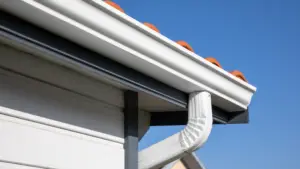
Gutters are closely connected to roof performance. They collect runoff from the roof and direct it through downspouts and away from the home.
A roof may be in good condition, but clogged or damaged gutters can still contribute to water-related exterior problems.
During every seasonal inspection, homeowners should examine gutters for:
- Clogs
- Sagging
- Separation
- Corrosion
- Loose fasteners
- Damaged sections
- Poorly positioned downspouts
- Overflow evidence
Maintaining gutters is an important part of any seasonal roof maintenance Ohio checklist and should also be included in a comprehensive Arlington-area exterior maintenance plan.
Seasonal Roof Maintenance and Roof Ventilation
Roof ventilation plays an important role in managing attic temperature and moisture. Poor ventilation can contribute to condensation, mold growth, insulation problems, and premature deterioration of roofing components.
Homeowners should make sure vents remain free from obvious obstructions and have professional ventilation evaluations performed when concerns arise.
Roof ventilation should be considered as part of the overall roofing system rather than as an isolated component. Shingles, underlayment, flashing, insulation, ventilation, and drainage all contribute to long-term roof performance.
Seasonal Roof Maintenance and Roof Age
The age of a roof should influence the frequency and depth of maintenance.
A relatively new roof may primarily require routine inspections and maintenance, while an older roof may require more frequent professional evaluations.
Older roofing systems may be more vulnerable to:
- Shingle deterioration
- Flashing failure
- Granule loss
- Leaks
- Moisture intrusion
- Ventilation concerns
- Storm damage
Homeowners should keep records of installation dates, repairs, inspections, and replacements. This information can help establish a more effective long-term maintenance schedule.
Seasonal Roof Maintenance After Storm Damage
Severe weather can change the condition of a roof quickly. A roof that appeared healthy before a major storm may have new damage afterward.
Wind can loosen shingles, falling branches can puncture roofing materials, and heavy rainfall can expose weaknesses around flashing and roof penetrations.
After severe weather, homeowners should conduct a ground-level visual inspection and arrange a professional evaluation if damage is suspected.
This is an important part of seasonal roof maintenance Ohio, as well as responsible roof care in Arlington and surrounding areas.
Prompt inspections can help homeowners identify problems before water intrusion causes additional damage to insulation, drywall, ceilings, framing, or interior finishes.
Professional Roof Inspections and Seasonal Maintenance
Homeowners can perform some basic visual observations, but professional inspections provide a more comprehensive evaluation.
A professional roof inspection may examine:
- Roofing materials
- Flashing
- Roof penetrations
- Gutters
- Downspouts
- Roof edges
- Ventilation
- Attic conditions
- Signs of water intrusion
- Storm damage
- Areas of premature deterioration
Professional inspections are particularly valuable when the roof is aging, after severe weather, during a home sale, or when interior moisture signs appear.
Painter Roofing can help Arlington-area homeowners evaluate roofing conditions and determine which maintenance or repair needs should receive attention.
Creating a Year-Round Roof Maintenance Schedule
A consistent schedule makes seasonal maintenance easier to manage.
Spring
Focus on winter damage, drainage, flashing, shingles, attic moisture, and ventilation.
Summer
Focus on storm damage, tree branches, roof drainage, attic temperatures, and visible deterioration.
Fall
Focus on leaves, gutters, roof edges, flashing, drainage, and winter preparation.
Winter
Focus on safe ground-level monitoring, interior moisture signs, attic conditions, snow and ice accumulation, and storm-related concerns.
Using this type of schedule makes seasonal roof maintenance Ohio easier to organize and helps homeowners avoid relying solely on emergency repairs.
Common Seasonal Roof Maintenance Mistakes
Even homeowners who understand the importance of roof maintenance can overlook certain areas.
Waiting Until a Leak Appears
A roof does not always show obvious signs of damage before water enters the home. Waiting for a leak can allow a small roofing problem to become a larger moisture issue.
Ignoring Minor Shingle Damage
A single missing or damaged shingle may appear insignificant, but exposed roofing components can become vulnerable to additional weather exposure.
Neglecting Gutters
Roof maintenance should not stop at the shingles. Gutters and downspouts play a major role in managing roof runoff.
Walking on the Roof Without Proper Safety Equipment
Roof surfaces can be dangerous, especially when wet, steep, icy, or damaged. Homeowners should leave difficult inspections and repairs to trained professionals.
Ignoring Attic Conditions
Roof problems are not always visible from outside. Attic moisture, stains, and ventilation problems can provide important information about roof performance.
Skipping Maintenance During Mild Years
A season with relatively mild weather does not guarantee that the roof has avoided deterioration. Regular maintenance remains useful even when there has been little severe weather.
Keeping a Seasonal Roof Maintenance Record
A written maintenance record can make long-term roof care easier.
Homeowners can document:
- Inspection dates
- Roof repairs
- Roof replacement dates
- Storm events
- Gutter cleaning
- Flashing repairs
- Shingle replacements
- Ventilation work
- Interior leak observations
- Professional recommendations
Photos can also help track changes over time.
Maintaining these records gives homeowners a clearer understanding of how their roof has performed and what maintenance has already been completed.
Seasonal Roof Maintenance for Arlington, VA Homeowners
While homeowners may search for information about seasonal roof maintenance Ohio, Arlington-area residents face their own seasonal maintenance needs.
Northern Virginia homes can experience heavy rainfall, thunderstorms, wind, falling leaves, freezing temperatures, and occasional snow. These conditions can affect roofing materials, drainage systems, flashing, siding, and other exterior components.
A seasonal maintenance approach allows Arlington homeowners to prepare for changing weather rather than reacting only after damage occurs.
Painter Roofing works with homeowners throughout Arlington, VA, and surrounding areas to support ongoing roofing and exterior maintenance needs.
When Professional Roof Maintenance Becomes Important
Professional assistance becomes particularly valuable when the roof has visible damage, is difficult to access, is approaching the later portion of its expected service life, or has experienced severe weather.
Professional maintenance can help homeowners identify conditions that may be difficult to recognize from ground level.
Instead of focusing only on visible shingles, a comprehensive roof evaluation considers the roofing system as a whole. This includes drainage, flashing, ventilation, roof penetrations, and areas where different exterior components meet.
Building a Long-Term Roofing Maintenance Strategy
Seasonal maintenance works best when it becomes part of a larger home maintenance plan.
Homeowners can combine seasonal inspections with regular gutter cleaning, tree trimming, exterior inspections, attic monitoring, and professional roof evaluations.
This approach can help identify deterioration earlier and provide more opportunities to plan repairs instead of responding to unexpected emergencies.
A long-term strategy also makes budgeting easier. Homeowners who keep track of roof age and maintenance history can better anticipate future repair or replacement needs.
The Value of Preventive Roof Care
The primary purpose of seasonal roof maintenance Ohio is prevention. Regular attention can help homeowners identify developing concerns before they become major problems.
The same preventive mindset is valuable in Arlington, VA. Seasonal changes can expose roofs to different types of stress throughout the year, and routine maintenance gives homeowners an organized way to monitor these conditions.
Preventive maintenance can help protect:
- Roofing materials
- Attic insulation
- Interior ceilings
- Exterior walls
- Gutters
- Fascia and soffits
- Home structure
- Interior belongings
A roof is one of the most important protective components of a home, making ongoing care a worthwhile part of responsible homeownership.
Painter Roofing and Seasonal Roof Maintenance
Painter Roofing provides roofing and exterior services for homeowners in Arlington, VA, and surrounding areas. The company’s approach to roof care emphasizes the importance of identifying roofing concerns, maintaining exterior components, and addressing problems before they become more extensive.
For homeowners developing a maintenance routine, professional inspections can complement seasonal observations and routine exterior upkeep.
Whether a roof has experienced severe weather, is showing signs of age, or simply needs a professional evaluation, a structured maintenance approach can help homeowners make informed decisions about repairs and future roofing needs.
Final Thoughts on Seasonal Roof Maintenance Ohio
A consistent maintenance routine can make a significant difference in the long-term condition of a home’s roofing system. Spring inspections can uncover winter damage, summer maintenance can address storm-related concerns, fall preparation can protect drainage systems, and winter monitoring can help homeowners identify moisture or ice-related problems.
Although seasonal roof maintenance Ohio is the focus keyword for this guide, the principles behind seasonal roofing care apply to homeowners in Arlington, VA, and surrounding communities as well. Regular inspections, clean gutters, proper ventilation, maintained flashing, healthy roof drainage, and timely repairs all contribute to better roof performance.
Homeowners who keep organized maintenance records and schedule professional inspections when appropriate can take a more proactive approach to protecting their property.