When it comes to roofing projects, safety should never be an afterthought. At Painter Roofing, we believe that every successful roofing job begins with a solid commitment to safety — especially when it involves large-scale or complex commercial properties. For businesses and property owners in Arlington, VA, and surrounding areas, understanding the principles of commercial roofing safety can make all the difference between a smooth project and a costly, dangerous mistake.
Roofing work, by nature, involves significant risks — from working at heights to handling heavy materials and specialized tools. However, with the right planning, training, and protective measures, those risks can be minimized. This is why Industrial Roofing Safety is a cornerstone of our operations at Painter Roofing. Our goal is not only to deliver high-quality workmanship but to ensure the protection of our workers, clients, and properties every step of the way.
The Importance of Commercial Roofing Safety
Safety is more than compliance; it’s a culture. Commercial roofing safety goes beyond wearing helmets and harnesses. It’s about building habits, procedures, and standards that protect everyone on and around a job site.
For property owners, a strong focus on safety provides peace of mind. You know that your contractor is taking every precaution to prevent accidents, property damage, and liability issues. For roofing crews, it ensures they can perform their work efficiently and confidently in a secure environment.
At Painter Roofing, we consider Industrial Roofing Safety an investment — one that saves time, reduces risk, and reinforces our reputation for professionalism and reliability.
Key Risks in Commercial Roofing Projects
Commercial roofing safety is essential because several risks are present on every job site. Falls remain the leading cause of roofing-related injuries, especially on larger, higher commercial roofs. Weather conditions such as wind, rain, ice, and extreme heat increase the chances of slips, equipment failure, and heat-related issues. Handling heavy roofing materials can strain muscles or cause lifting injuries when proper techniques aren’t followed. Workers must also stay alert around electrical systems and power lines that pose electrocution hazards. Additionally, a deteriorated or weakened roof deck can lead to structural instability, making thorough inspections critical before beginning any work.
Falls and Height Hazards
Falls from elevated surfaces continue to be the most serious threat on roofing sites, particularly when working on expansive and elevated commercial buildings. Ensuring workers are protected with fall prevention systems and properly trained reduces accident risks significantly. Because the stakes are high at elevated heights, maintaining strict vigilance is crucial during every phase of the project.
Weather Conditions
Changing weather can quickly turn a safe job site into a hazardous one. Rain and ice create slippery conditions, wind can destabilize materials, and extreme heat may cause fatigue or dehydration. By monitoring conditions and pausing work when necessary, roofing crews stay protected from weather-related dangers.
Material Handling and Lifting Injuries
Commercial roofing materials are often heavy, bulky, and difficult to maneuver, which can result in strains or sudden injuries if not handled correctly. Proper lifting techniques, teamwork, and using mechanical hoisting tools help protect workers from avoidable physical harm.
Electrical Hazards
With commercial buildings featuring complex electrical systems and overhead power lines, caution is mandatory. Special safety measures must be followed throughout the project to prevent electrical shocks or accidental contact with energized components.
Structural Weakness
Before roofing work begins, the structure beneath must be assessed to ensure stability. A weakened or damaged deck can collapse under weight, posing serious danger. Identifying structural concerns early helps maintain a secure work environment.
Pre-Job Safety Planning and Assessment
Every successful roofing project starts with a comprehensive safety plan. At Painter Roofing, we conduct detailed pre-job evaluations to identify hazards like uneven surfaces, weak decking, and accessibility issues. Our safety planning also includes weather monitoring, establishing emergency procedures, and confirming that all tools and materials function properly. Crew members receive a thorough briefing before work begins, making sure everyone understands responsibilities and procedures to maintain a safe and coordinated workflow.
Personal Protective Equipment (PPE)
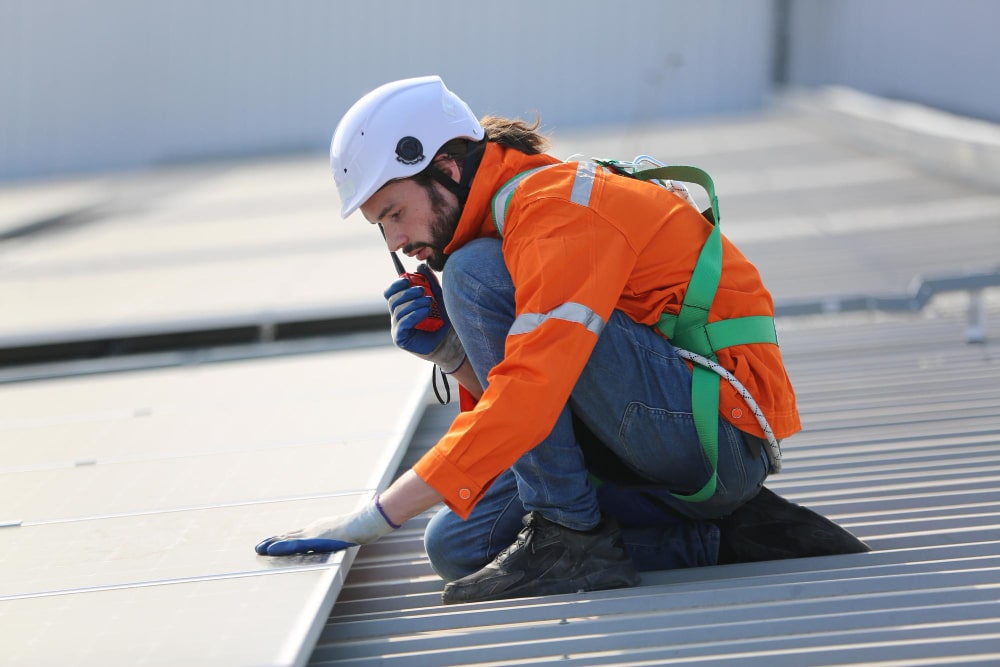
PPE is essential in commercial roofing safety, providing workers with protection from falls, impacts, and environmental conditions. Painter Roofing equips every team member with hard hats, safety harnesses, non-slip boots, protective eyewear, gloves, and high-visibility vests. We also provide continuous training on proper use, inspection, and replacement of PPE to ensure maximum protection throughout the project.
Fall Protection Systems
Because falls are the most common roofing hazard, Painter Roofing utilizes OSHA-approved fall protection systems on every job. Guardrails, warning lines, lifelines, and anchorage points help define safe zones and prevent edge-related accidents. When necessary, safety nets and properly assembled scaffolding provide an additional level of fall arrest protection, significantly reducing the likelihood of injuries.
Training and Certification
Safety equipment only works when workers know how to use it effectively. Painter Roofing prioritizes ongoing training, including OSHA certifications, first-aid and CPR instruction, fall prevention drills, and equipment operation courses. Our team is equipped to identify hazards immediately and maintain a professional, safety-first work environment for every commercial roofing project in Arlington, VA, and surrounding areas.
Equipment Safety and Maintenance
Well-maintained tools are key to preventing accidents. Painter Roofing follows strict commercial roofing safety protocols, with daily equipment checks on ladders, power tools, lifting devices, compressors, and nail guns. Detailed logs ensure timely repairs and servicing, so every piece of equipment remains safe and reliable on the job.
Weather Safety Precautions
Because Arlington weather can change quickly, roofing projects must be planned with conditions in mind. We observe forecasts closely and pause work during high winds, storms, or extreme temperatures. From enforcing hydration breaks in summer to using extra traction in winter, our weather-aware practices help maintain a safe and productive work environment.
Communication and Coordination
Clear communication prevents confusion and accidents on busy commercial sites. Painter Roofing uses daily safety meetings, visual markers, and radios to ensure smooth coordination among crews. Supervisors oversee operations to enforce compliance, while clients receive regular updates for transparency and peace of mind.
Emergency Preparedness
Even the safest job sites must be ready for emergencies. Painter Roofing creates custom emergency response plans including designated first-aid areas, evacuation routes, on-site safety officers, and quick access to rescue equipment and emergency contact information. Preparedness allows our team to respond quickly and effectively if an incident occurs.
Proper Material Handling
Handling large roofing materials safely is crucial to prevent injury and damage. Painter Roofing focuses on correct lifting techniques, teamwork when maneuvering heavy components, and using mechanical hoists when necessary. Crews are also trained in the safe handling of adhesives, sealants, and other potentially hazardous substances.
Site Cleanliness and Organization
A clean workspace leads to fewer accidents and a more efficient project. Our crews consistently clear walkways, secure tools, remove waste materials, and mark hazardous areas. Maintaining organization supports safety and enhances professionalism from start to finish.
Compliance With OSHA Standards
Painter Roofing adheres to all OSHA requirements for fall protection, scaffolding, electrical safety, hazard communication, and material handling. Our safety program is continuously updated with the latest regulations, ensuring every commercial roofing project meets — or exceeds — federal and local safety standards. This gives business owners confidence that their property and personnel are in responsible hands.
Safety in Different Roofing Systems
Each roofing system presents unique safety challenges, which is why Industrial Roofing Safety protocols must adapt accordingly.
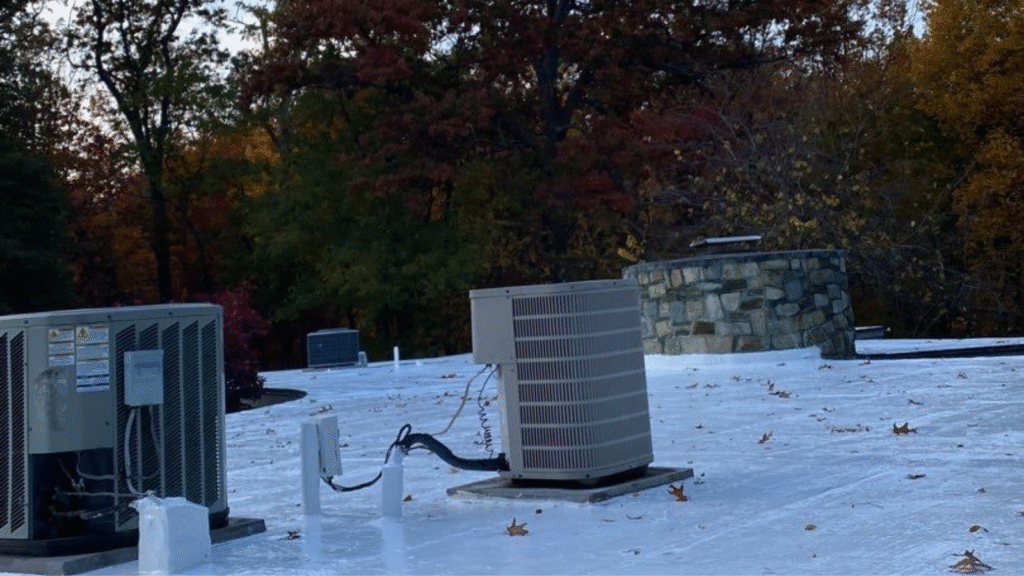
Flat Roofs: Slippery surfaces and edges increase fall risks, so we use guardrails, warning lines, and safety monitors.
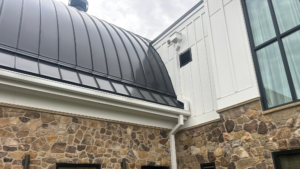
Metal Roofs: Heat reflection and slick surfaces require heat-resistant gloves and non-slip footwear.
Low-Slope Roofs: Water pooling areas demand special attention to prevent slips.
Steep-Slope Roofs: Rope grabs, harnesses, and tie-offs are crucial for secure positioning.
By customizing our approach, we maintain consistent safety across every project type.
Working With Subcontractors and Vendors
Larger projects often involve multiple subcontractors. Painter Roofing enforces Industrial Roofing Safety standards across all third-party workers on-site.
Every subcontractor must follow our safety policies, attend briefings, and comply with equipment and PPE requirements. This ensures that everyone on-site works under the same safety expectations.
Inspections and Continuous Improvement
We conduct regular on-site safety inspections to confirm compliance and identify areas for improvement. Supervisors document observations and provide feedback during post-shift meetings.
Our Commercial Roof Hazard Prevention program evolves constantly, incorporating new technology, feedback, and OSHA updates to maintain the highest level of protection.
The Role of Technology in Roofing Safety
Modern technology has revolutionized commercial roofing safety. Drones, sensors, and advanced monitoring tools allow us to assess roof conditions without unnecessary risk.
Thermal imaging detects hidden moisture before crews step onto unstable areas. Drones capture aerial footage for safe, accurate planning.
These innovations not only improve safety but also enhance precision and efficiency during inspections and repairs.
Benefits of Strong Safety Practices for Property Owners
For property and business owners in Arlington, VA, and surrounding areas, choosing a roofing company that prioritizes Commercial Roof Hazard Prevention offers multiple advantages:
- Reduced Liability: Safe practices minimize the risk of accidents and property damage.
- Efficient Timelines: Fewer disruptions mean faster project completion.
- Long-Term Cost Savings: Preventing accidents avoids expensive insurance claims or legal issues.
- Peace of Mind: Knowing that your contractor values safety as much as craftsmanship builds trust and confidence.
Creating a Culture of Safety at Painter Roofing
At Painter Roofing, safety isn’t just a checklist — it’s part of our company DNA. We empower every employee to take ownership of commercial roofing safety by speaking up about potential hazards and suggesting improvements.
Our leadership reinforces this culture by recognizing safe behavior, providing ongoing education, and investing in modern safety equipment.
When everyone values safety equally, we not only protect lives but also deliver consistent, high-quality results.
Why Homeowners and Businesses Trust Painter Roofing
For homeowners and business owners in Arlington, VA, our dedication to Commercial Roof Hazard Prevention is one of the many reasons clients choose us. We combine experience, integrity, and precision with strict adherence to safety regulations.
Whether we’re repairing a small office roof or installing a large commercial system, our approach remains the same — professional, safe, and customer-focused.
We handle every project with care, ensuring the well-being of everyone involved while maintaining our commitment to superior workmanship.
Conclusion
Every roofing project, no matter the size, comes with risks — but those risks can be managed with the right protocols and mindset. At Painter Roofing, we’ve built our reputation on professionalism, reliability, and a steadfast commitment to Construction Roofing Safety.
From planning to cleanup, we follow strict safety standards designed to protect workers, clients, and properties alike. For businesses and homeowners in Arlington, VA, and surrounding areas, partnering with a contractor who values safety ensures not only a durable roof but also a secure, worry-free experience. Get a Safe Roofing Quote Today
FAQs
What is roofing safety?
roofing safety refers to the set of planning, protective systems, equipment, training, and procedures aimed at preventing accidents and injuries on commercial (non-residential) roofing projects.
Why is fall protection so important in commercial roofing?
Falls are the leading cause of roofing-related fatalities and major injuries in the construction industry. Proper fall protection systems (guardrails, nets, harnesses) are required to minimize this risk.
What key safety elements should a contractor include in a commercial roofing project?
A strong safety plan should include hazard assessment, pre-job briefing, PPE provision, fall protection systems, equipment inspection/maintenance, weather monitoring, training, emergency procedures and site housekeeping.
What does compliance with OSHA mean in commercial roofing contexts?
It means following specific standards for roofing work: e.g., fall protection (29 CFR 1926.501), training (1926.503), equipment safety, ladder and scaffold use, warning lines, and ensuring every worker is protected from recognized hazards.
How does weather affect roofing safety and what precautions are needed?
Weather (rain, ice, heat, wind) can turn a previously safe roof into a hazard due to slippery surfaces, heat stress, unstable materials. Precautions include pausing work in unsafe conditions, enforcing hydration/heatbreaks, ensuring proper traction, and monitoring forecasts.