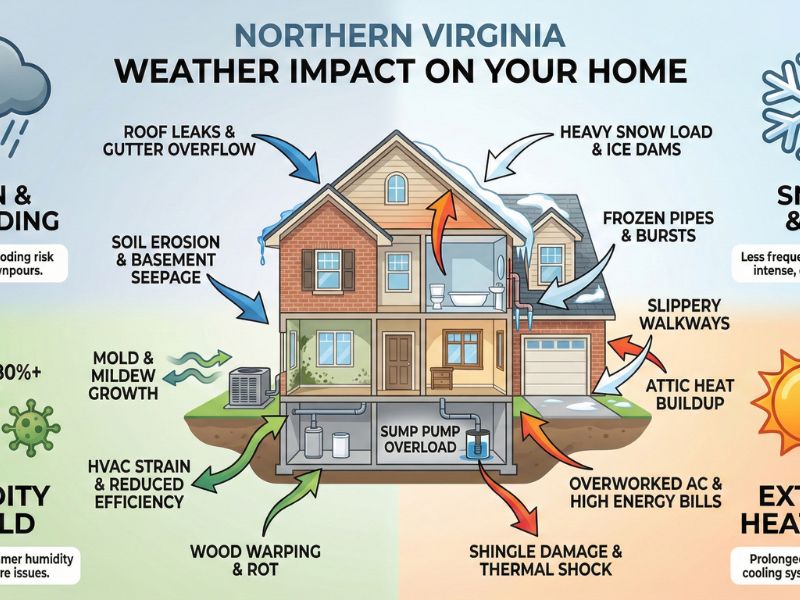
Keeping your home safe starts outside. As a homeowner in Arlington, VA, maintaining your property means regularly evaluating the condition of your home’s exterior. Weather in Northern Virginia—humidity, snow, heavy rain, and fluctuating temperatures—can slowly weaken your roof, siding, gutters, and foundation.
At Painter Roofing, we’ve seen how hidden exterior damage can escalate quickly. Small cracks turn into leaks. Minor wood rot spreads. Loose shingles lead to moisture intrusion. That’s why completing a thorough exterior home inspection is one of the smartest decisions you can make as a homeowner.
This 2026 guide breaks down exactly what to check, why inspections matter, and how to protect your home year-round.
Why an Exterior Home Inspection Matters
A regular exterior home inspection gives you a complete picture of your home’s health. Virginia’s shifting seasons stress materials in different ways. Without routine evaluation, small issues remain unnoticed until they become expensive repairs.
Key benefits include:
- Early detection of wear and structural issues
- Protection from moisture, pests, and mold
- Improved insulation and energy efficiency
- Better curb appeal and property value
- Fewer emergency repairs and long-term savings
Painter Roofing recommends scheduling a professional exterior home inspection annually, and again after severe weather events.
Exterior Home Inspection Checklist (Complete 2026 Guide)
Below is a comprehensive checklist covering every major component of your home’s exterior.
1. Roof Condition
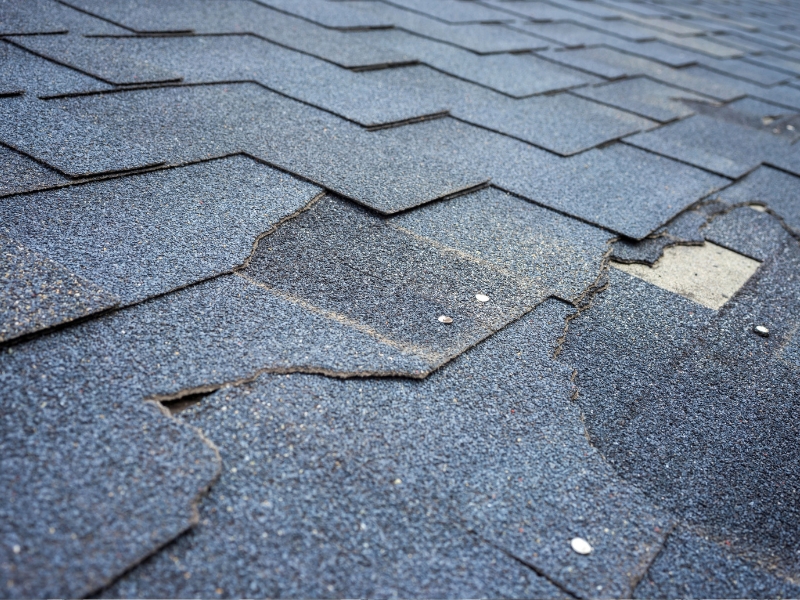
Your roof is your home’s first line of defense. A roof problem often leads to interior damage, so this section is critical.
Inspect for:
- Missing or cracked shingles
- Curling or lifted edges
- Granule loss
- Sagging or soft spots
- Loose or rusted flashing
- Moss, algae, or debris buildup
- Clogged gutters at roofline
2. Gutters and Downspouts
Gutters control water flow and protect the foundation. Poor drainage is one of the most common causes of home damage.
Check for:
- Debris buildup
- Sagging or loose brackets
- Improper slope
- Leaks at seams
- Downspouts that drain too close to the foundation
gutter installation and maintenance
3. Siding and Exterior Walls
Your siding protects the structural frame of your home.
Inspect for:
- Cracks, gaps, or warping
- Peeling or fading paint
- Mold, mildew, or algae
- Deteriorated caulking
- Soft or rotting wood
siding repair and replacement
4. Windows and Doors
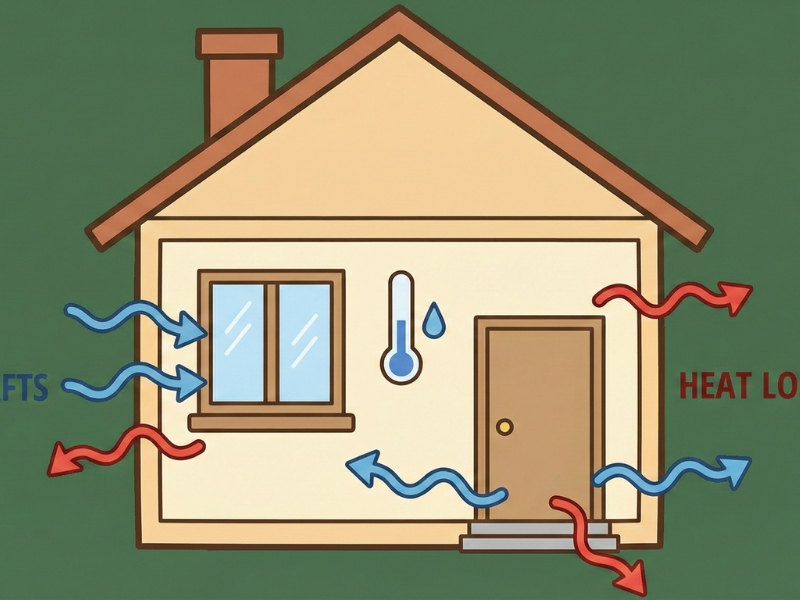
Energy loss often starts around windows and doors.
Check for:
- Drafts or temperature leaks
- Failed caulking or cracked seals
- Wood rot around frames
- Damaged screens
- Fog between double-pane glass
5. Foundation
A stable foundation keeps your entire home safe.
Look for:
- Hairline cracks or vertical cracks
- Bulging or uneven walls
- Moisture stains
- Gaps between foundation and siding
- Settling around walkways or porch steps
6. Chimneys and Vents
These components often show the earliest signs of weather damage.
Inspect for:
- Cracked mortar or bricks
- Leaning or tilted chimney
- Damaged or missing caps
- Rust or corrosion on metal vents
7. Decks, Porches, and Railings
Outdoor living areas face intense weather exposure.
Check for:
- Loose boards or railings
- Rusted nails or screws
- Soft or rotting wood
- Structural instability
- Worn or fading paint/stain
8. Driveways and Walkways
These surfaces can signal foundation or drainage issues.
Look for:
- Cracks or heaving concrete
- Uneven surfaces
- Water pooling after rain
- Settling near the edges
9. Exterior Paint and Trim
Paint is more than cosmetic—it protects wood and siding from moisture.
Inspect for:
- Bubbling or peeling areas
- Cracked or flaking trim
- Soft spots in wood surfaces
10. Drainage and Landscaping
Proper drainage is essential for foundation health.
Check for:
- Yard slope directing water away from the home
- Standing water after storms
- Overgrown shrubs touching siding
- Tree roots near foundation
Signs You Need an Exterior Home Inspection Immediately
You should schedule an outside home inspection if you notice:
- Interior wall or ceiling stains
- Drafts near windows and doors
- Overflowing gutters during rain
- Sagging rooflines
- Mold or mildew on siding
- Soft spots in decks or trim
Seasonal Exterior Home Inspection Tips (2026 Update)
Spring:
- Clean gutters
- Inspect roof after winter storms
Summer:
- Check caulking, siding, and paint
- Evaluate ventilation and attic heat
Fall:
- Clear leaves from gutters
- Inspect foundation for cracks
Winter:
- Monitor ice dams
- Ensure downspouts remain unblocked
The Role of Roofing in a Complete Exterior Inspection
Roofing issues often reveal the first signs of exterior deterioration. At Painter Roofing, the roof is always the starting point of a full exterior evaluation.
Common roofing-related problems include:
- Damaged shingles
- Improper ventilation
- Moss and debris buildup
- Failing flashing
- Structural sagging
A well-maintained roof protects insulation, attic spaces, and interior walls.
How Inspections Prevent Water Damage
Water damage is one of the biggest threats to Arlington homes. According to FEMA (external link placement), moisture intrusion can cause mold, rot, and structural instability.
A proper home exterior inspection checks:
- Flashing and sealants
- Gutter alignment
- Siding joints and seams
- Drainage around foundation
Improving Energy Efficiency Through Exterior Inspections
Air leaks waste energy and increase utility bills. The U.S. Department of Energy recommends sealing exterior gaps to improve home efficiency.
Inspections help identify:
- Drafts near windows or doors
- Poor attic ventilation
- Damaged insulation
- Failing weather stripping
These small fixes can deliver significant long-term savings.
Professional vs. DIY Exterior Home Inspections
DIY inspections are great for routine monitoring.
Professional inspections, however, catch details most homeowners miss.
A pro inspection includes:
- Detailed documentation
- Photo evidence
- Repair recommendations
- Safety assessments
Painter Roofing provides comprehensive reporting for Arlington homeowners.
Documenting Your Exterior Home Inspection
Keep a record that includes:
- Inspection date
- Photos of issues
- Repair estimates
- Completed maintenance tasks
This helps with insurance claims and future property planning.
Common Issues Found in Exterior House Inspections
Painter Roofing commonly sees:
- Wood rot
- Cracked caulk
- Damaged flashing
- Foundation settling
- Clogged gutters
Addressing these early prevents costly repairs.
Preparing for Your Exterior House Inspection
Before your appointment:
- Trim shrubs and tree branches
- Clear debris from gutters
- Move outdoor furniture
- Note visible issues
This ensures a thorough evaluation.
After the Inspection: Maintenance and Repairs
A detailed report should prioritize:
- Urgent repairs (roof leaks, flashing, rot)
- Medium-priority issues (paint, caulking)
- Long-term improvements (upgrades or replacements)
Regular maintenance keeps your home durable and energy-efficient.
Long-Term Benefits of Routine Exterior Inspections
Homeowners who stay proactive enjoy:
- Lower repair costs
- Longer roof and siding lifespan
- Higher energy efficiency
- Better resale value
- Stronger protection against Virginia weather
Partnering With Painter Roofing for Reliable Inspections
Painter Roofing specializes in roofing and exterior house inspections for Arlington, VA homeowners. We understand the unique challenges of the region and provide expert recommendations that protect your home long-term.
We don’t just spot problems—we deliver solutions.
Conclusion
Your home’s exterior works nonstop to protect your family. A regular exterior home inspection ensures every component—from the roof to the foundation—stays strong, safe, and efficient. Whether you want to prevent water damage, boost energy performance, or avoid costly repairs, a yearly inspection makes all the difference.
For Arlington, VA homeowners, Painter Roofing offers reliable, detailed, and professional exterior inspection services. Protect your home today and strengthen its future.
FAQs (2026 Updated)
1. What is included in an exterior house inspection in Arlington, VA?
A full inspection includes the roof, siding, gutters, windows, doors, foundation, drainage, vents, and landscaping.
2. What is the most common issue found during exterior inspections?
Roof damage, wood rot, cracked caulk, clogged gutters, and foundation settling are the most frequent issues.
3. How often should I get an exterior home inspection?
At least once a year and after major storms.
4. Why do insurance companies require exterior home inspections?
To verify home safety, structural stability, and proper maintenance.
5. What can cause a home to fail an exterior inspection?
Major leaks, structural cracks, severe siding damage, mold, or drainage problems.
6. Can I do my own exterior home inspection?
Yes, but professional inspections reveal deeper issues homeowners often miss.