

Seamless Gutters vs. Sectional Gutters: Which Is Better for Your Home?
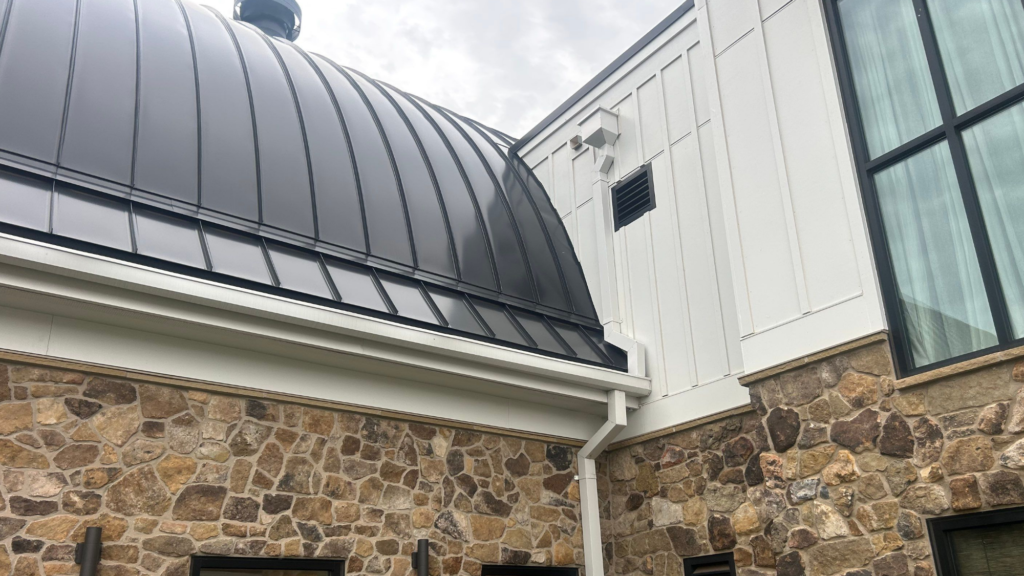
Your home’s gutter system plays an important role in protecting your roof, siding, foundation, and landscaping from water damage. Gutters collect rainwater as it flows off your roof and direct it safely away from your property. Without a properly functioning drainage system, rainwater can accumulate around your home, potentially leading to leaks, soil erosion, foundation problems, and other costly repairs. When planning a gutter replacement or new installation, homeowners often need to decide between seamless and sectional gutters. Both options are designed to manage rainwater, but they differ in construction, installation, maintenance, and long-term performance. Understanding how seamless and sectional gutters compare can help you choose the right solution for your property’s drainage requirements, appearance, and budget. For homeowners in Arlington, VA, and surrounding areas, selecting the right gutter system is especially important. Seasonal rainfall, thunderstorms, falling leaves, and freezing temperatures can all affect the performance of exterior drainage systems. At Painter Roofing & Construction, we understand the importance of reliable exterior protection. This guide explores the differences between seamless and sectional gutters, their advantages and disadvantages, and what homeowners should consider before making a decision. Understanding Seamless and Sectional Gutters Before choosing a gutter system, it is important to understand how each option is manufactured, assembled, and installed. What Are Seamless Gutters? Seamless gutters are custom-made gutter systems manufactured to fit the specific measurements of a home’s roofline. Instead of connecting multiple short pieces together, installers use specialized equipment to create continuous gutter sections from a coil of metal, commonly aluminum. These gutters are fabricated according to the property’s dimensions, resulting in fewer joints along straight roofline sections. Although connections are still necessary at corners, end caps, and downspout outlets, the reduced number of seams helps minimize potential leak locations. One of the biggest advantages of seamless gutters is their clean, uniform appearance. They provide a custom fit while reducing the number of connections that require regular inspection and maintenance. Because seamless gutters require specialized equipment and accurate measurements, professional installation is generally recommended. For Arlington homeowners looking for dependable drainage and an attractive exterior finish, seamless gutters can be a practical long-term investment. What Are Sectional Gutters? Sectional gutters are manufactured in individual pieces that are connected during installation. These prefabricated sections are available in standard lengths and can be purchased from many home improvement stores and gutter suppliers. During installation, each section is measured, positioned, and joined using connectors, sealants, and other necessary components. Additional fittings are used to complete corners, end caps, and downspout connections. One reason homeowners choose sectional gutters is their lower initial material cost. Their availability also makes them a convenient option for smaller projects and certain do-it-yourself installations. However, each connection creates another potential location for leaks. Over time, sealants can deteriorate, fittings can loosen, and temperature changes can affect the connections. Although sectional gutters can provide effective drainage, they require proper installation and regular maintenance to maintain their performance. Seamless and Sectional Gutters: Key Differences to Consider Choosing between these two gutter systems involves more than comparing their prices. Homeowners should consider installation, durability, appearance, maintenance, and overall value. 1. Installation Process Seamless gutters are custom-fabricated according to the measurements of the property. Professional installers typically bring specialized gutter-forming equipment to the home and create the required lengths before attaching them to the roofline. Sectional gutters are assembled using individual prefabricated pieces. Each section must be measured, positioned, and connected using the appropriate fittings and sealants. While sectional gutters may be easier to install for smaller projects, seamless systems require specialized equipment and professional experience. 2. Leak Prevention One of the most important differences between seamless and sectional gutters is the number of joints in the system. Sectional gutters have multiple connections along their straight runs. These joints may become vulnerable when sealants deteriorate, fasteners loosen, or materials expand and contract because of temperature changes. Seamless gutters eliminate most intermediate joints, reducing the number of potential locations where water can escape. However, seamless gutters are not completely leakproof. Corners, end caps, and downspout connections still require proper installation and occasional inspection. 3. Appearance and Curb Appeal Seamless gutters provide a smooth, continuous appearance that complements different architectural styles. With fewer visible connections, they create a cleaner finish along the roofline. Sectional gutters have visible seams where individual pieces connect. Depending on the gutter material, color, and installation quality, these joints may be more noticeable. Homeowners who prioritize exterior appearance often prefer seamless gutters because of their uniform and custom-fitted design. 4. Maintenance Requirements Both systems require regular cleaning to remove leaves, twigs, dirt, and roofing debris. Gutter guards may help limit debris buildup, but both gutter systems still need regular cleaning and inspection. However, sectional gutters typically need additional attention because their multiple joints must be inspected for loose fittings, deteriorating sealants, and water leaks. Seamless gutters generally require less seam-related maintenance because they have fewer connections along their straight sections. Regardless of the system you choose, routine cleaning and downspout inspections remain essential for maintaining proper drainage. 5. Initial and Long-Term Costs Sectional gutters are generally more affordable upfront because their materials are widely available and come in standard lengths. Seamless gutters usually have a higher initial installation cost because they require custom fabrication, specialized equipment, and professional labor. The total cost of either system depends on several factors, including: Total gutter length required Selected gutter material Gutter size and profile Number of corners and downspouts Roofline design and complexity Existing fascia condition Installation labor Accessibility of installation areas Although sectional gutters may cost less initially, homeowners should also consider future maintenance and repair expenses when comparing their long-term value. Benefits of Installing Seamless Gutters Seamless gutters have become a popular option for residential properties because of their practical features and attractive appearance. Fewer Potential Leak Points One of the biggest advantages of seamless gutters is their reduced number of joints. Every connection in a gutter system needs to remain properly sealed to prevent water from escaping. When sealants
How Often Should You Clean Your Gutters? A Seasonal Homeowner’s Guide for Arlington, VA
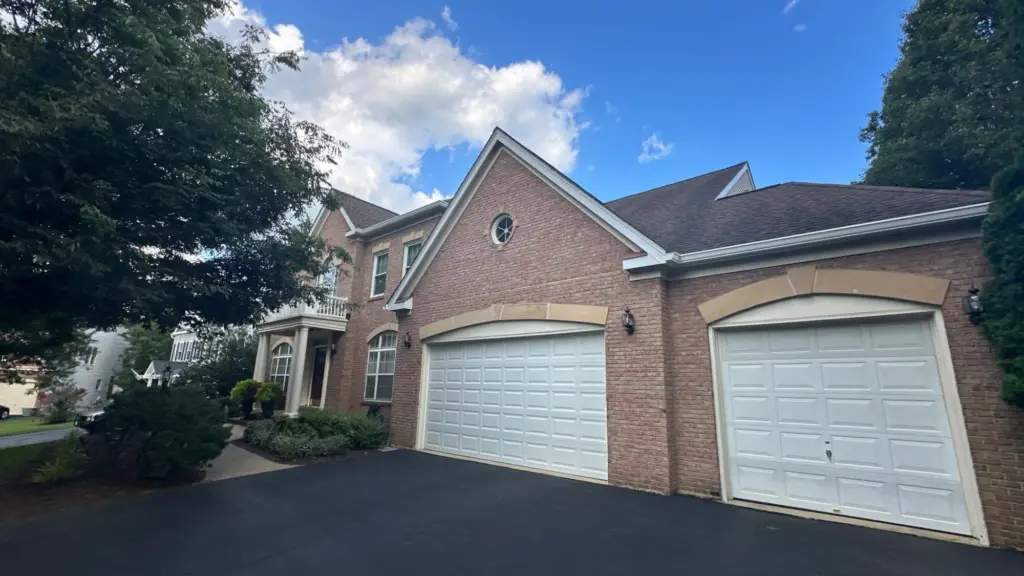
Gutters play an essential role in protecting your home from water damage. They collect rainwater from the roof and direct it away from the siding, foundation, landscaping, and other vulnerable areas. However, gutters can only perform effectively when they remain clear of leaves, twigs, dirt, and other debris. For homeowners in Arlington, VA, and the surrounding areas, understanding the proper gutter cleaning frequency is an important part of year-round property maintenance. Northern Virginia experiences changing weather conditions throughout the year. Spring brings rainfall and tree pollen, summer can produce heavy thunderstorms, autumn introduces falling leaves, and winter may bring freezing temperatures and ice-related concerns. These seasonal changes can affect how quickly debris accumulates inside a gutter system. Although many homeowners clean their gutters twice a year, some properties require more frequent attention. The ideal gutter cleaning frequency depends on several factors, including tree coverage, roof design, gutter size, surrounding landscaping, and the condition of the drainage system. At Painter Roofing, homeowners can explore roofing and exterior maintenance solutions that help protect their properties. This seasonal guide explains how often gutters should be cleaned, what to look for throughout the year, and how consistent maintenance can help prevent costly exterior damage. Why Gutter Cleaning Frequency Matters Gutters are designed to collect water flowing off the roof and move it through downspouts toward suitable drainage areas. When debris blocks this pathway, rainwater may overflow or remain trapped inside the system. A clogged gutter can affect several parts of a home’s exterior. Water may spill over the gutter edge, soak the fascia, run down siding, or collect near the foundation. Over time, repeated exposure to moisture can contribute to deterioration and costly repairs. Maintaining the appropriate gutter cleaning frequency helps homeowners keep their drainage systems functioning as intended. Protecting the Roof and Fascia When gutters become clogged, water may collect along the roof edge. Prolonged moisture exposure can affect fascia boards, soffits, and other exterior components. Wood fascia may begin to soften or deteriorate if moisture repeatedly reaches the surface. In some situations, water may also reach areas beneath the roofing materials, particularly where existing roof details are damaged. Regular cleaning helps reduce the likelihood of these problems by keeping water moving through the drainage system. Preventing Foundation and Basement Moisture Problems One of the most important functions of gutters is directing rainwater away from the home’s foundation. When gutters overflow, water may fall directly beside the foundation. If this happens repeatedly, the surrounding soil can become saturated, drainage conditions may worsen, and moisture may find its way into basements or crawl spaces. A proper gutter cleaning frequency schedule can help reduce these risks. However, gutter cleaning alone cannot correct every foundation drainage problem. Downspout placement, grading, drainage systems, and soil conditions also influence how water moves around the home. Protecting Siding and Exterior Walls Overflowing gutters can allow water to run down siding and collect around exterior joints. Repeated moisture exposure may contribute to staining, algae growth, deterioration of painted surfaces, and damage to vulnerable materials. Keeping gutters clean helps prevent unnecessary water contact with the home’s exterior and supports the condition of siding, trim, and other components. Reducing Pest and Debris Problems Leaves and standing water inside gutters can create conditions that attract insects and other pests. Debris may also provide nesting material for birds or small animals. Regular cleaning removes accumulated organic matter and helps maintain a more sanitary drainage system. How Often Should Arlington Homeowners Clean Their Gutters? For many homeowners in Arlington, VA, cleaning gutters at least twice a year is a reasonable starting point. Spring and fall are typically the most important maintenance periods. However, this general schedule may not be sufficient for every property. Homes surrounded by mature trees, especially those with branches extending over the roof, may require additional cleanings. A practical gutter cleaning frequency guide includes the following recommendations: Light tree coverage: Approximately twice per year. Moderate tree coverage: Three times per year may be appropriate. Heavy tree coverage: Three to four cleanings per year, or more when debris accumulates quickly. Properties with frequent gutter overflow: Inspect and clean as needed, while also checking for drainage or sizing problems. After major storms: Inspect for debris, damage, and blockages. Homes with gutter guards: Continue periodic inspection and maintenance, often at least once or twice per year. These recommendations are general starting points rather than fixed requirements. The best schedule is based on how quickly debris accumulates and whether water continues to drain properly. Spring Gutter Cleaning: Preparing for Rainy Weather Spring is an important time to clean and inspect gutters in Arlington and the surrounding Northern Virginia communities. After winter, gutters may contain leaves, twigs, roof granules, dirt, and other accumulated debris. Spring rainfall can expose existing blockages, especially when downspouts are partially obstructed. A spring cleaning helps prepare the gutter system for periods of heavier rainfall. Remove Winter Debris During winter, wind and storms can carry debris onto the roof and into gutters. Some of this material may remain trapped until temperatures rise and rainfall increases. Spring cleaning should remove this accumulation and restore proper drainage. Check for Winter-Related Damage Cold weather and occasional freezing conditions may affect gutter components. Homeowners should inspect for loose fasteners, sagging sections, cracks, damaged seams, and downspouts that have shifted out of position. If gutters have pulled away from the fascia, cleaning alone will not correct the problem. Repairs may be necessary to restore the system. Clear Pollen, Seeds, and Small Debris Spring tree activity can introduce pollen, seed pods, and other small materials into gutters. These deposits may combine with leaves and dirt to create compacted buildup. Homes with certain trees may require additional cleaning after seasonal seed or pollen accumulation. A suitable gutter cleaning frequency plan should account for these conditions rather than relying only on a single spring appointment. Summer Gutter Maintenance: Monitoring Storm Activity Summer in Northern Virginia can bring thunderstorms, heavy rainfall, and strong winds. These conditions may deposit debris in gutters
Gutter Repair Common Issues: A Homeowner’s Guide for Arlington, VA
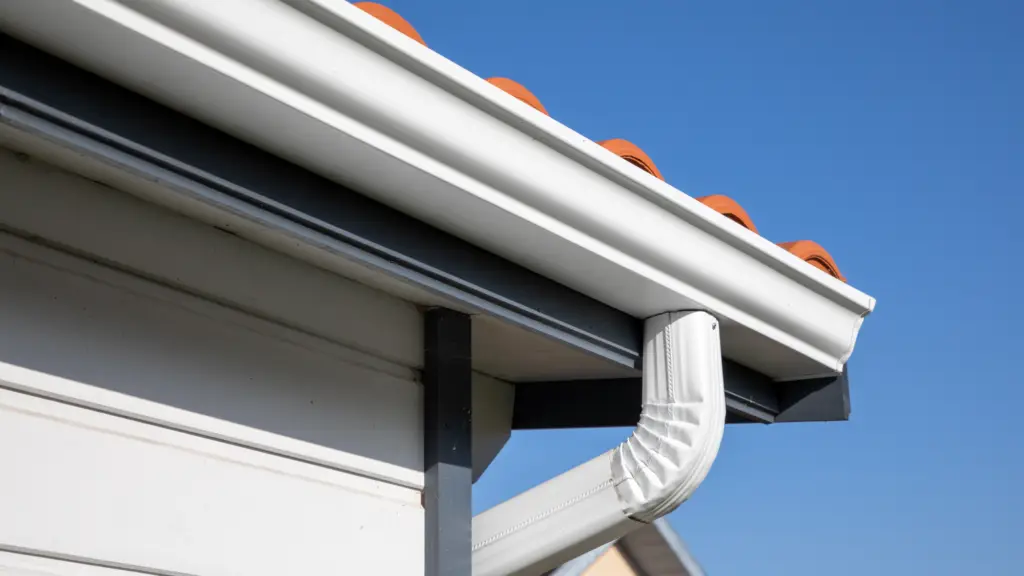
Gutters play an essential role in protecting a home from water damage. They collect rainwater flowing off the roof and direct it through downspouts away from siding, landscaping, and the foundation. When gutters become damaged, clogged, or improperly positioned, water may overflow or drain in the wrong direction, potentially leading to costly exterior repairs. Understanding common gutter repair issues can help homeowners recognize early warning signs, maintain their drainage systems, and protect their properties throughout the year. For homeowners in Arlington, VA, and the surrounding Northern Virginia communities, gutters must handle seasonal rainfall, falling leaves, wind-driven debris, and changing temperatures. These conditions can gradually weaken gutter components and expose existing installation problems. A small leak or loose bracket may seem minor at first, but ignoring it can lead to deteriorating fascia boards, damaged siding, soil erosion, and moisture near the foundation. Painter Roofing helps homeowners understand the importance of maintaining roofing and exterior components that protect their properties. Although gutters are often overlooked until a problem becomes visible, regular inspections and timely repairs can improve drainage performance and reduce the risk of water-related damage. This guide explores the most common gutter repair issues, their causes, warning signs, repair options, and preventive maintenance practices. Homeowners in Arlington and nearby areas can use this information to recognize problems early and determine when professional assistance may be appropriate. Why Properly Functioning Gutters Matter A gutter system is designed to control rainwater as it leaves the roof. Without effective drainage, water can collect around the home’s exterior, soak the soil near the foundation, and repeatedly expose building materials to moisture. Gutters also help protect landscaping, walkways, exterior finishes, and entryways from uncontrolled runoff. Their performance depends on several connected components, including gutter channels, hangers, seams, end caps, downspouts, and drainage outlets. When one component fails, the entire system may become less effective. For example, a blocked downspout can cause water to back up inside the gutter, while loose hangers can change the gutter’s slope and allow water to collect in low areas. Addressing gutter repair issues promptly helps restore proper water flow and can prevent minor defects from developing into larger maintenance problems. Protecting the Roof Edge and Fascia Gutters are typically attached along the roof edge using hangers or other support systems. The fascia board behind the gutter provides a mounting surface and helps protect the roof’s edge. When gutters leak or pull away from the building, water may repeatedly wet the fascia. Over time, this moisture can contribute to wood deterioration, peeling paint, and weakened attachment points. If the fascia becomes damaged, simply tightening the gutter brackets may not solve the problem. The affected wood may need repair before the gutter can be securely reattached. Reducing Water Accumulation Around the Foundation Gutters and downspouts help move rainwater away from the building. If water spills directly beside the foundation, it may contribute to soil erosion, damp basement conditions, or other moisture-related concerns, depending on the property’s grading and drainage. Not every foundation moisture problem originates with the gutters, but a malfunctioning drainage system can make existing conditions worse. Recognizing gutter repair issues early helps homeowners determine whether repairs to the gutter system, downspout extensions, or surrounding drainage conditions are needed. Preserving Siding and Exterior Finishes Overflowing gutters can repeatedly soak siding, trim, doors, and windows. This may lead to staining, peeling paint, deteriorating sealants, or moisture entering vulnerable areas. Keeping gutters clear and securely attached helps direct rainwater away from these surfaces. It also reduces the chance that routine rainfall will expose the home to unnecessary water damage. Common Gutter Repair Issues Homeowners Should Recognize Gutter problems can develop gradually or appear after a storm. Understanding the most frequent defects makes it easier to identify when maintenance or repair is necessary. Leaking Gutter Seams and Joints Leaks are among the most common gutter repair issues. Sectional gutter systems contain joints where individual pieces connect, and these connections may deteriorate over time. Sealants can age, joints may loosen, and debris or standing water can contribute to wear. A leak may appear as dripping water beneath a seam, damp marks on the siding, or a persistent wet area below the gutter. The appropriate repair depends on the cause and the condition of the surrounding materials. A professional may clean the joint, replace deteriorated sealant, reconnect loose sections, or recommend replacing a damaged component. Before sealing a leak, the underlying cause should be identified. If the gutter is holding water because it is incorrectly sloped or blocked, applying new sealant alone may not provide a lasting solution. Sagging Gutters Gutters should remain securely supported along the roofline. Sagging can occur when hangers loosen, fasteners fail, the gutter becomes overloaded with debris, or the fascia deteriorates. A sagging section may create a low point where water collects rather than flowing toward the downspout. The additional weight of standing water can put more stress on the support system and worsen the problem. Repair may involve replacing damaged hangers, reinforcing attachment points, correcting the gutter’s slope, or repairing deteriorated fascia. Homeowners should avoid simply pushing a sagging gutter back into place without determining why it moved. If the mounting surface is damaged, the problem may return quickly. Clogged Gutters and Downspouts Leaves, twigs, roof granules, seed pods, and other debris can accumulate inside gutters. Downspout openings may also become blocked, preventing water from leaving the system efficiently. Clogging is one of the most preventable gutter repair issues, yet it can lead to substantial water overflow during heavy rainfall. Signs of a blockage include water spilling over the front of the gutter, visible debris near the outlet, or a downspout that releases little or no water during rain. Clearing the obstruction may restore drainage, but recurring blockages should prompt a review of the maintenance schedule and surrounding trees. Gutter guards may reduce some debris accumulation, although they do not eliminate the need for inspection and cleaning. Incorrect Gutter Slope Gutters are generally installed with a slight slope toward the
Gutter Maintenance Schedule: A Complete Guide for Arlington, VA Homeowners
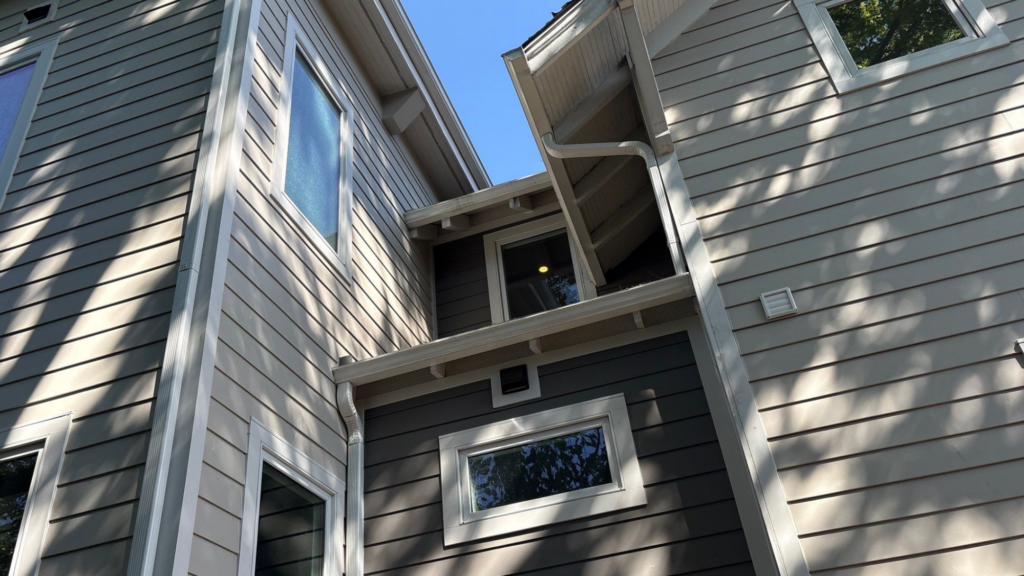
Gutters play an important role in protecting your home from water damage. They collect rainwater from the roof and direct it away from your siding, foundation, landscaping, and other vulnerable areas. However, gutters can only perform effectively when they are kept clean, properly positioned, and free from damage. For homeowners in Arlington, VA and surrounding areas, creating a consistent gutter maintenance schedule is one of the simplest ways to protect a home throughout the year. Northern Virginia experiences changing weather conditions, including spring rain, summer thunderstorms, falling leaves in autumn, and freezing temperatures during winter. Each season can affect your gutter system differently. Without regular maintenance, leaves, branches, dirt, roof granules, and other debris can accumulate inside the gutters and prevent proper drainage. At Painter Roofing, we understand that gutter maintenance is an important part of protecting the exterior of your home. A well-planned gutter maintenance schedule can help homeowners identify problems earlier, reduce the likelihood of water damage, and keep their drainage system working properly. Why a Gutter Maintenance Schedule Matters Many homeowners only think about their gutters when they notice water overflowing during a storm. By that point, the system may already have a significant blockage, sagging section, damaged fastener, or drainage problem. A regular gutter maintenance schedule allows homeowners to address potential problems before they become more expensive repairs. When gutters are properly maintained, they can help: Direct rainwater away from the foundation Reduce water accumulation around the home Protect siding and exterior walls Prevent water from reaching fascia and soffits Reduce the risk of gutter overflow Keep downspouts functioning properly Identify damage before it becomes severe Extend the useful life of the gutter system Gutters are part of your home’s overall water-management system. Keeping them maintained should therefore be treated as a regular home-maintenance responsibility rather than an occasional chore. How Often Should Homeowners Maintain Their Gutters? There is no single gutter maintenance schedule that works perfectly for every home. The appropriate frequency depends on several factors, including tree coverage, roof design, gutter type, surrounding landscaping, and weather conditions. As a general starting point, many Arlington homeowners should inspect and clean their gutters at least twice each year. Spring and fall are particularly important maintenance periods. Homes surrounded by mature trees may require additional cleanings. Likewise, homeowners should consider checking their gutters after major storms, especially when strong winds have blown branches, leaves, or other debris onto the roof. A typical maintenance routine may include: Spring inspection and cleaning Summer inspection after major storms Fall cleaning as leaves accumulate Winter monitoring for drainage and structural problems The goal is not simply to clean the gutters on specific dates. Instead, homeowners should create a gutter maintenance schedule based on the conditions surrounding their property. Spring Gutter Maintenance Spring is an important time to inspect your gutters after winter weather. Cold temperatures, wind, snow, ice, and falling branches can all affect gutter systems. Debris that accumulated during the winter can also remain inside the gutters and downspouts. A spring gutter maintenance schedule should include a thorough inspection of the entire drainage system. Clean Out Winter Debris Remove leaves, twigs, dirt, roof granules, and other debris that may have accumulated inside the gutters. Even a partial blockage can prevent water from reaching the downspouts efficiently. Inspect for Cracks and Holes Look for visible cracks, holes, rust, or other signs of deterioration. Small defects can allow water to escape where it should not. Check the Gutters for Sagging Gutters should remain properly aligned along the roofline. Sagging sections may indicate loose fasteners, excess debris, water accumulation, or deterioration of the supporting materials. Inspect Downspouts Make sure water can flow freely through each downspout. A blocked downspout can cause water to back up into the gutter and overflow. Check the Fascia Because gutters are commonly attached to fascia boards, homeowners should look for signs of rot, staining, or water damage around the attachment points. Completing these tasks in spring prepares the system for the heavier rainfall that can occur later in the season. Summer Gutter Maintenance Summer is often associated with outdoor projects, but homeowners should not overlook their gutters. Arlington-area homes can experience strong thunderstorms and heavy rainfall during warmer months. A gutter system that appears fine during dry weather may quickly reveal problems during a major storm. A summer gutter maintenance schedule should focus on drainage performance and storm-related damage. After a major storm, inspect the roofline and gutters from the ground when possible. Look for: Detached gutter sections Bent or damaged gutters Missing downspout sections Large amounts of debris Water stains around the exterior Branches resting on the roof Gutter sections pulling away from the fascia Homeowners should avoid climbing onto roofs or unstable ladders simply to inspect gutters. If a system appears damaged or difficult to access safely, professional assistance may be appropriate. Fall Gutter Maintenance Fall is one of the most important times to follow a gutter maintenance schedule in Arlington. As trees lose their leaves, large quantities of organic debris can accumulate in gutters. Leaves, seeds, pine needles, and small branches can quickly create blockages. Homeowners with mature trees near their homes may need more frequent attention during the fall than properties with little surrounding vegetation. Why Fall Cleaning Matters Blocked gutters can cause water to overflow over the sides instead of traveling through the downspouts. That overflow can affect: Siding Fascia Soffits Windows Exterior doors Landscaping Foundation areas Cleaning gutters before winter helps reduce the amount of debris remaining in the system as temperatures fall. For many homes, the fall portion of the gutter maintenance schedule should occur after a substantial amount of leaves have fallen. Homes surrounded by numerous mature trees may require more than one cleaning during the season. Winter Gutter Maintenance Winter maintenance does not necessarily mean cleaning gutters as frequently as during fall. Instead, homeowners should monitor the system for signs of drainage or structural problems. Freezing temperatures can affect standing water inside clogged or poorly draining gutters. During
Gutter Water Collection: A Complete Guide for Homeowners in Arlington, VA
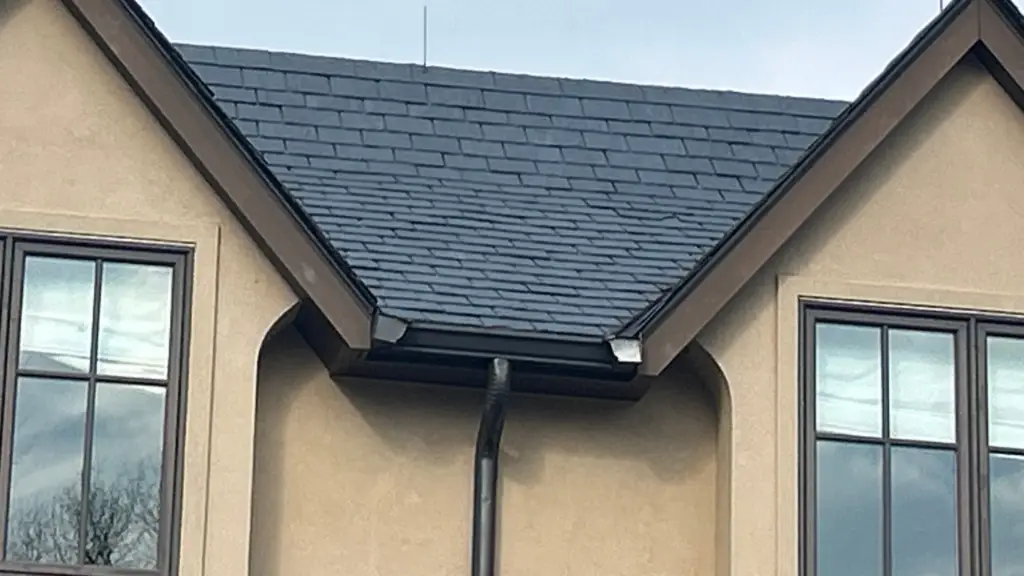
Rainwater management is one of the most important parts of protecting your home. While homeowners often focus on the roof itself, what happens to rainwater after it reaches the roof is equally important. Without an effective drainage system, water can collect around the foundation, damage landscaping, stain siding, erode soil, and contribute to moisture problems. A properly designed gutter water collection system helps capture rainwater from the roof and direct it away from vulnerable areas of the property. For homeowners in Arlington, VA and the surrounding Northern Virginia communities, an effective gutter system can be especially valuable because the area experiences seasonal thunderstorms, heavy rainfall, winter precipitation, and changing weather conditions. At Painter Roofing, we understand that gutters are an important part of the overall exterior of your home. Painter Roofing and Construction provides roofing and exterior remodeling services in Arlington and surrounding Northern Virginia communities, including gutter installation, repair, and protection. Whether you are considering new gutters, replacing an aging system, or looking for better ways to manage rainwater, understanding gutter water collection can help you make informed decisions about your home. What Is Gutter Water Collection? Gutter water collection refers to the process of capturing rainwater as it flows from a home’s roof and directing that water through gutters, downspouts, and appropriate drainage points. A basic system typically includes: Roof gutters Downspouts Elbows End caps Outlets Downspout extensions Drainage connections Splash blocks or other discharge components The goal is relatively simple: collect water from the roof and move it away from the structure in a controlled manner. Without an effective gutter water collection system, rainwater may fall directly from the roof edge and accumulate near the home’s foundation. Why Gutter Water Collection Matters Your roof can shed a substantial amount of water during a storm. Without properly functioning gutters, that water has nowhere to go except over the roof edge. Water falling directly beside the house can contribute to: Soil erosion Landscape damage Foundation moisture Basement or crawl-space moisture Siding staining Fascia damage Exterior wood deterioration Walkway erosion An effective gutter water collection system helps control where that water goes. The purpose isn’t simply to keep rain off your siding. It is to manage water from the roof all the way to a suitable discharge location. How a Gutter Water Collection System Works A properly functioning system follows a straightforward path. First, rain lands on the roof. The roof’s slope directs water toward the edges. Gutters positioned along those edges collect the water. The gutters then direct the water toward downspouts. Downspouts carry the water vertically toward the ground. Extensions or drainage systems move the water away from the foundation. This entire process needs to work together. A gutter that collects water perfectly will still cause problems if its downspout is clogged or discharges directly against the foundation. Arlington’s Weather Makes Drainage Important Homeowners in Arlington and surrounding areas experience a wide range of weather conditions. Heavy spring and summer storms can produce significant amounts of rainfall in a short period. Fall leaves can clog gutters, while winter temperatures can introduce freezing and ice-related concerns. These conditions make regular gutter maintenance particularly important. A reliable gutter water collection system should be able to handle normal rainfall while allowing water to move efficiently toward the intended discharge points. Choosing the Right Gutter Size Gutters are not necessarily one-size-fits-all. The appropriate gutter size can depend on factors such as: Roof area Roof pitch Local rainfall conditions Number of downspouts Roof design Drainage layout Larger roof areas may require larger or more strategically positioned drainage components. A professional evaluation can help determine whether an existing system is appropriately sized. Downspouts Are Essential to Gutter Water Collection Gutters only collect water. Downspouts move it away. That makes downspouts a critical part of gutter water collection. A gutter system may appear to work properly until heavy rainfall overwhelms a restricted downspout. Common downspout problems include: Clogs Loose connections Cracks Detached sections Improper discharge locations Insufficient extensions Homeowners should inspect downspouts regularly to make sure water can move freely. Where Should Downspouts Discharge Water? The goal is generally to direct water away from the home’s foundation. Depending on the property, discharge may occur through: Downspout extensions Splash blocks Underground drainage Appropriate grading Other drainage solutions The correct approach depends on the home’s layout and existing drainage conditions. Simply placing a short downspout next to the foundation may not provide adequate water management. Gutter Water Collection and Foundation Protection One of the most important benefits of gutter water collection is helping reduce concentrated water flow around the foundation. When roof runoff repeatedly lands near the foundation, water can accumulate in the soil. Depending on site conditions, this may contribute to: Persistent dampness Soil movement Basement moisture Crawl-space moisture Foundation-related concerns Gutters cannot eliminate every foundation moisture problem, but properly managing roof runoff is an important part of exterior water management. Signs Your Gutters Are Not Collecting Water Properly Homeowners should watch for visible signs that the gutter system isn’t working correctly. These can include: Water spilling over the gutter edge Sagging gutters Standing water Water stains Soil erosion below downspouts Water pooling near the foundation Detached downspouts Overflow during moderate rainfall Frequent gutter clogs If you notice these problems, the system may need cleaning, repair, adjustment, or replacement. Gutter Overflow Overflow is one of the most obvious signs of a problem. During heavy rain, some overflow may occur if rainfall exceeds the system’s capacity. However, recurring overflow during ordinary storms should be investigated. Possible causes include: Clogged gutters Blocked downspouts Improper slope Undersized gutters Too few downspouts Roof valleys directing excessive water into one section A professional assessment can determine the underlying issue. Gutter Slope and Water Flow Gutters need to be positioned so water moves toward the downspouts. If a gutter section has become misaligned, water may collect in low areas. Standing water can add unnecessary weight and may contribute to: Sagging Fastener failure Corrosion Seam problems Overflow Maintaining proper slope is therefore
Emergency Gutter Repair: What Arlington, VA Homeowners Need to Know

Gutters play a critical role in protecting your home from rainwater. They collect water from the roof and direct it through downspouts and away from the foundation. When a gutter system becomes severely damaged, clogged, detached, or unable to drain properly, water can quickly reach areas of the home that were never designed to handle constant moisture. For homeowners in Arlington, VA and the surrounding Northern Virginia communities, knowing when to seek emergency gutter repair can help prevent a relatively small gutter problem from becoming a much larger exterior or structural issue. Heavy storms, falling branches, accumulated debris, ice, strong winds, and aging materials can all damage gutters. A gutter that is hanging away from the fascia or overflowing during rainfall should not simply be ignored. Water can damage fascia boards, siding, landscaping, foundations, and other components when drainage is interrupted. At Painter Roofing, we understand how important proper water management is to the overall health of your home. Our roofing and exterior services help homeowners address gutter problems and protect their properties from preventable moisture damage. This guide explains the warning signs of gutter emergencies, common causes of gutter damage, what homeowners should do when a gutter fails, and why professional emergency gutter repair can be an important part of protecting your home. What Is Emergency Gutter Repair? Emergency gutter repair refers to prompt repairs performed when gutter damage creates an immediate risk to the property. Not every gutter problem requires an emergency response. Minor cosmetic damage or small areas of wear can often be addressed during routine maintenance. However, certain conditions require faster attention because they may allow water to reach vulnerable areas of the home. Emergency gutter problems may include: Severely detached gutters Collapsed gutter sections Major leaks Overflow during rainfall Damaged downspouts Gutter damage caused by falling trees Storm-related separation Blockages causing severe overflow Gutters pulling away from fascia Water flowing directly against the foundation The purpose of emergency gutter repair is to restore safe and effective water drainage before additional damage occurs. Why Gutter Damage Can Become an Emergency Homeowners sometimes underestimate the importance of gutters because they are primarily located along the roofline. However, gutters are part of your home’s larger water-management system. When gutters fail, rainwater may flow directly onto: Siding Fascia Soffits Windows Doors Landscaping Foundation walls During a heavy Arlington rainstorm, a damaged gutter can receive a substantial volume of water within a short period. Prompt emergency gutter repair can help redirect that water where it belongs. Signs You May Need Emergency Gutter Repair Knowing the warning signs can help homeowners decide when a gutter problem requires immediate attention. Gutters Pulling Away From the Home One of the clearest signs of serious gutter damage is separation from the fascia. Gutters may pull away because of: Excessive debris Heavy water accumulation Damaged hangers Rotting fascia Strong winds Ice Aging fasteners A severely detached gutter may collapse completely. Water Pouring Over the Gutter Some overflow is caused by ordinary debris buildup, but severe overflow can indicate a more significant drainage problem. Water spilling over the front edge may reach siding, windows, landscaping, and the foundation. If overflow continues despite basic cleaning, professional emergency gutter repair may be necessary. Large Cracks or Holes Small gutter imperfections can often be addressed through routine maintenance. Large cracks, separated seams, or major holes can allow significant amounts of water to escape. If the damage occurs near a vulnerable section of the home, prompt repairs become more important. Detached Downspouts Downspouts are essential because they carry water away from the home’s foundation. A detached downspout may discharge water directly beside the house. This can contribute to: Soil erosion Foundation moisture Basement water intrusion Landscape damage A damaged downspout should be repaired as soon as possible. Sagging Gutters Gutters should maintain an appropriate slope toward the downspouts. Sagging sections may hold standing water instead of draining efficiently. Standing water adds weight to the gutter and can place additional stress on fasteners and fascia. Gutter Sections on the Ground If a gutter section has completely detached from the house, the situation should be addressed promptly. The exposed roof edge may also require inspection to determine whether the damage affected fascia, soffits, or other components. Storm Damage and Emergency Gutter Repair Severe weather is a common reason homeowners need emergency gutter repair. Strong winds can loosen gutters and downspouts, while falling branches may crush or detach sections. Storms can also bring large amounts of rainfall in a short period, putting additional stress on damaged drainage systems. After severe weather, homeowners should inspect their property from the ground for: Detached gutters Bent sections Missing downspouts Loose fasteners Crushed gutters Water pooling near the foundation Avoid climbing onto the roof or attempting repairs during dangerous weather. Heavy Rainfall Can Expose Gutter Problems A gutter system may appear to function normally during light rainfall but fail during a major storm. Heavy rain can overwhelm: Clogged gutters Undersized systems Damaged downspouts Sagging sections Improperly pitched gutters If your gutters repeatedly overflow during heavy rainfall, professional evaluation may be necessary. Falling Trees and Branch Damage Arlington-area homeowners may experience gutter damage when branches fall onto the roofline. A fallen branch can: Crush gutters Tear away hangers Damage fascia Bend downspouts Damage roofing materials When this happens, emergency gutter repair may need to be coordinated with a broader storm damage inspection. Painter Roofing can help homeowners evaluate related roofing and exterior concerns after an incident. Ice and Winter Gutter Damage Although winter conditions vary from year to year, freezing temperatures can create additional stress on gutter systems. Water trapped inside gutters can freeze and expand. Ice can contribute to: Gutter deformation Loose fasteners Detached sections Downspout blockages Homeowners should monitor gutters during periods of freezing weather and address serious damage promptly. How Gutter Problems Can Affect the Roof Gutters and roofs work together as part of the home’s drainage system. When gutters fail, water may accumulate along the roof edge. Persistent moisture can contribute to deterioration
Gutter Material Comparison: Choosing the Best Gutters for Your Arlington, VA Home

Gutters play a vital role in protecting your home from water damage. They collect rainwater from your roof and direct it safely away from the foundation, siding, landscaping, and other vulnerable areas. Without a properly functioning gutter system, homeowners may experience foundation problems, basement flooding, erosion, and structural damage. One of the most important decisions homeowners face when installing or replacing gutters is selecting the right material. A thorough gutter material comparison can help you understand the advantages and disadvantages of each option and determine which material best fits your home’s needs. At Painter Roofing, we help homeowners throughout Arlington, VA and surrounding Northern Virginia communities choose gutter systems that provide long-lasting performance and reliable protection. This comprehensive gutter material comparison explores the most common gutter materials, their benefits, drawbacks, maintenance requirements, and long-term value. Why Gutter Material Selection Is Important Not all gutter materials perform the same way. Each option offers different levels of durability, maintenance, appearance, and cost. Conducting a proper gutter material comparison helps homeowners evaluate: Longevity Weather resistance Appearance Maintenance needs Installation costs Overall value Choosing the right material ensures your gutter system performs effectively for years to come. Common Types of Gutter Materials Several materials are commonly used in residential gutter systems: Aluminum Copper Steel Vinyl Zinc Each material offers unique characteristics that homeowners should consider before making a decision. Aluminum Gutters Aluminum remains one of the most popular gutter materials in residential construction. At Painter Roofing, aluminum gutters are frequently recommended due to their versatility and affordability. Advantages of Aluminum Gutters Benefits include: Lightweight construction Rust resistance Wide color selection Affordable pricing Easy installation These advantages make aluminum a strong contender in any gutter material comparison. Disadvantages of Aluminum Gutters Potential drawbacks include: Susceptibility to denting Lower impact resistance Potential expansion and contraction Despite these limitations, aluminum remains one of the most widely used materials for homeowners in Arlington. Copper Gutters Copper gutters are considered a premium gutter option. Their distinctive appearance and exceptional durability make them popular among homeowners seeking long-term value. Advantages of Copper Gutters Benefits include: Elegant appearance Exceptional lifespan Natural corrosion resistance Minimal maintenance Increased curb appeal In a gutter material comparison, copper often stands out for its longevity and architectural appeal. Natural Patina Development One unique feature of copper is its ability to develop a natural patina over time. This blue-green finish protects the metal and adds character to the home’s exterior. Disadvantages of Copper Gutters Potential considerations include: Higher initial cost Specialized installation requirements At Painter Roofing, we often recommend copper gutters for luxury and historic homes throughout Arlington. Steel Gutters Steel gutters are valued for their strength and durability. They are available in: Galvanized steel Stainless steel Advantages of Steel Gutters Benefits include: Excellent strength Impact resistance Durability in harsh weather Steel performs well in many gutter material comparison evaluations due to its structural capabilities. Disadvantages of Steel Gutters Potential drawbacks include: Greater weight Potential rust concerns More maintenance requirements Galvanized coatings help improve corrosion resistance. Vinyl Gutters Vinyl gutters provide an economical option for some homeowners. Advantages of Vinyl Gutters Benefits include: Low cost Easy installation Corrosion resistance Lightweight design Vinyl often appeals to budget-conscious homeowners during a gutter material comparison. Disadvantages of Vinyl Gutters Potential limitations include: Cracking in cold temperatures Lower durability Shorter lifespan Arlington’s changing weather conditions may affect long-term vinyl performance. Zinc Gutters Zinc is another premium material used in some gutter systems. Advantages of Zinc Gutters Benefits include: Long lifespan Self-healing properties Corrosion resistance Low maintenance Zinc performs exceptionally well in many gutter material comparison discussions. Disadvantages of Zinc Gutters Potential considerations include: Higher cost Specialized installation needs While less common than aluminum or copper, zinc offers excellent durability. Gutter Material Comparison: Durability Durability is one of the most important factors homeowners consider. Most Durable Options In terms of lifespan: Copper: 50+ years Zinc: 40–80 years Steel: 20–30 years Aluminum: 20–30 years Vinyl: 10–20 years This gutter material comparison demonstrates that premium materials often provide longer service lives. Weather Resistance Arlington homeowners experience: Heavy rainfall Humidity Snow Ice Seasonal storms Selecting weather-resistant materials is essential. Best Weather Resistance Copper and zinc perform exceptionally well under various environmental conditions. Aluminum also offers strong weather resistance due to its rust-resistant properties. Maintenance Requirements Maintenance needs vary significantly among materials. Low-Maintenance Options The easiest materials to maintain include: Copper Aluminum Zinc Higher Maintenance Materials Steel and vinyl may require more frequent inspections and repairs. Maintenance considerations play an important role in any gutter material comparison. Appearance and Curb Appeal Gutters contribute to a home’s overall appearance. Copper’s Premium Look Copper offers unmatched elegance and architectural character. Aluminum Versatility Aluminum is available in many colors to complement different exterior designs. Zinc’s Natural Finish Zinc develops an attractive weathered appearance over time. This gutter material comparison shows that aesthetics can be just as important as performance. Cost Considerations Budget is often a major factor when selecting gutter materials. Lower-Cost Options More affordable materials include: Vinyl Aluminum Premium Options Higher-end choices include: Copper Zinc While premium materials cost more initially, they may provide greater long-term value. Seamless Gutters and Material Options Many homeowners choose seamless gutter systems for improved performance. Seamless gutters reduce: Leaks Maintenance needs Joint failures At Painter Roofing, we frequently install seamless aluminum gutters because they perform well in Arlington’s climate. How Climate Impacts Gutter Material Choice Local weather conditions influence gutter performance. Homes in Arlington benefit from materials that resist: Moisture Temperature changes Snow and ice UV exposure This gutter material comparison highlights the importance of selecting materials appropriate for local conditions. Environmental Considerations Sustainability is becoming increasingly important for homeowners. Recyclable Materials Environmentally friendly options include: Aluminum Copper Zinc Steel These materials can often be recycled at the end of their service life. Gutter Material Comparison for Home Value Quality gutters can improve both function and curb appeal. Premium materials may: Increase buyer confidence Improve exterior appearance Reduce maintenance concerns Investing in the right system contributes to long-term property value. Signs
Copper Gutter Benefits: Why Arlington, VA Homeowners Choose Copper Gutters

Gutters play an essential role in protecting your home from water damage by directing rainwater away from the roof, siding, foundation, and landscaping. While many homeowners focus primarily on roofing materials, choosing the right gutter system is equally important for long-term exterior protection. Among the many gutter materials available today, copper gutters stand out for their durability, beauty, and premium performance. Understanding the many copper gutter benefits can help homeowners make informed decisions about upgrading their home’s drainage system. For homeowners in Arlington, VA and surrounding Northern Virginia communities, weather conditions such as heavy rain, seasonal storms, humidity, and winter snow can place significant stress on gutter systems. Copper gutters provide exceptional strength and long-term reliability while adding a distinctive architectural appearance that enhances curb appeal and property value. At Painter Roofing, we help homeowners choose high-quality exterior systems designed for long-lasting protection and performance. This guide explains the top copper gutter benefits, how copper gutters compare to other materials, maintenance considerations, and why they are considered a premium investment for residential homes. Why Gutters Are Important for Home Protection Before discussing the specific copper gutter benefits, it is important to understand the role gutters play in protecting your home. A properly functioning gutter system helps: Direct water away from the foundation Prevent basement flooding Protect siding and exterior walls Reduce soil erosion Minimize roof and fascia damage Without effective gutters, water can accumulate around the home and lead to costly structural problems over time. What Are Copper Gutters? Copper gutters are gutter systems made from solid copper rather than aluminum, vinyl, or steel. They are known for: Exceptional durability Elegant appearance Natural corrosion resistance Long lifespan Because of these qualities, many homeowners view copper gutters as both a functional upgrade and an architectural enhancement. The Growing Popularity of Copper Gutters More homeowners are recognizing the long-term value associated with copper gutter benefits. Copper gutters are commonly chosen for: Historic homes Luxury properties Custom-built homes High-end exterior renovations However, they are also becoming popular among homeowners who simply want durable, low-maintenance gutter systems with distinctive curb appeal. Copper Gutter Benefits for Durability One of the biggest copper gutter benefits is exceptional durability. Copper is a highly resilient material that can withstand decades of exposure to changing weather conditions. Resistance to Cracking and Warping Unlike some other materials, copper does not become brittle over time. This resistance helps prevent: Cracks Splitting Warping Structural weakening These durability advantages make copper an excellent option for Arlington’s changing seasonal conditions. Long Lifespan Another major advantage among copper gutter benefits is longevity. Properly installed and maintained copper gutters can last 50 years or more, significantly longer than many traditional gutter materials. This extended lifespan makes copper a valuable long-term investment. Natural Corrosion Resistance Copper naturally resists corrosion, making it highly effective in wet climates. Protection Against Rust Unlike steel gutters, copper does not rust. This is one of the most important copper gutter benefits because rust can weaken gutter systems and lead to leaks or failures over time. Moisture Resistance Copper performs well in environments with: Heavy rain Snow and ice Humidity Seasonal storms This moisture resistance helps maintain structural integrity and appearance for many years. Aesthetic Copper Gutter Benefits Copper gutters are widely admired for their distinctive appearance. Elegant Appearance One of the most noticeable copper gutter benefits is the rich, attractive finish copper provides. New copper gutters feature a warm metallic tone that enhances many architectural styles. Natural Patina Development Over time, copper develops a natural patina—a protective blue-green finish that adds character and visual appeal. Many homeowners appreciate this evolving appearance because it creates a timeless, sophisticated look. Enhanced Curb Appeal Copper gutters can dramatically improve the appearance of a home’s exterior. Their premium appearance contributes to: Architectural detail Luxury aesthetics Increased visual interest These aesthetic copper gutter benefits often increase overall property appeal. Copper Gutter Benefits for Home Value Exterior upgrades can significantly influence property value. Increased Buyer Appeal Many buyers view copper gutters as a premium feature associated with high-quality home construction. This positive perception is one of the key copper gutter benefits for homeowners considering long-term property value. Improved Exterior Presentation Copper gutters complement a variety of roofing and siding materials, helping homes stand out in competitive real estate markets. In Arlington’s desirable neighborhoods, attractive exterior upgrades can contribute positively to resale value. Strength and Structural Performance Copper is a strong metal capable of handling significant environmental stress. Heavy Rain Performance Copper gutters perform exceptionally well during heavy rainfall because they maintain structural stability under high water volume. Snow and Ice Resistance Winter conditions in Arlington can create stress on gutter systems. The strength of copper helps prevent bending or damage caused by snow and ice accumulation, adding to the practical copper gutter benefits homeowners appreciate. Low Maintenance Requirements Although all gutter systems require some maintenance, copper gutters generally require less upkeep than many alternatives. No Need for Painting Copper does not require painting or special coatings to maintain performance. This is one of the more convenient copper gutter benefits for homeowners seeking low-maintenance solutions. Resistance to Mold and Mildew Copper naturally inhibits certain biological growth, which can help reduce mold or mildew buildup. Routine cleaning is still recommended, but copper systems often remain cleaner over time. Eco-Friendly Copper Gutter Benefits Copper is considered an environmentally friendly building material. Recyclability Copper is fully recyclable and can be reused without losing quality. This sustainability factor is one of the environmentally conscious copper gutter benefits many homeowners appreciate. Long Product Lifespan Because copper gutters last so long, they reduce the need for replacement materials and waste over time. Copper Gutters and Architectural Compatibility Copper complements a wide range of home styles. Popular applications include: Colonial homes Craftsman homes Historic properties Contemporary luxury homes The versatility of copper contributes to its growing popularity among Arlington homeowners. Comparing Copper Gutters to Other Materials Understanding how copper compares to other gutter materials helps homeowners evaluate overall value. Copper vs Aluminum Gutters Aluminum gutters
Seamless Gutter Advantages: Why Arlington, VA Homeowners Are Upgrading Their Gutter Systems

A properly functioning gutter system is essential for protecting your home from water damage. Gutters direct rainwater away from your roof, siding, foundation, and landscaping, preventing costly structural issues. While traditional sectional gutters have been used for decades, many homeowners are now choosing modern alternatives. One of the most popular upgrades today is installing seamless gutters because of the many seamless gutter advantages they provide. For homeowners in Arlington, VA and surrounding Northern Virginia communities, seasonal storms, heavy rain, and winter weather can put stress on gutter systems. Understanding the seamless gutter advantages helps homeowners make an informed decision about upgrading their home’s exterior drainage system. At Painter Roofing, we help homeowners choose gutter systems that provide long-term protection and performance. This comprehensive guide explains the many seamless gutter advantages, how seamless gutters work, and why they have become a preferred choice for modern homes. What Are Seamless Gutters? Before exploring the seamless gutter advantages, it’s helpful to understand what makes seamless gutters different from traditional gutters. Traditional gutters are made from multiple sections connected together with joints. These joints are sealed to prevent leaks but can weaken over time. Seamless gutters, on the other hand, are manufactured from a single continuous piece of material that runs along the length of the roofline. Because there are fewer joints, the system offers improved performance and durability. Common materials used for seamless gutters include: Aluminum Steel Copper These materials allow seamless gutters to be customized to fit the exact dimensions of your home. Why Arlington Homeowners Choose Seamless Gutters Homes in Arlington experience a variety of weather conditions throughout the year. Heavy rain, falling leaves, and winter ice can all impact gutter performance. Many homeowners upgrade their gutter systems after learning about the long-term seamless gutter advantages. These modern gutter systems offer better durability, reduced maintenance, and improved water management. By reducing the number of joints and potential weak points, seamless gutters provide stronger protection against water damage. Reduced Risk of Leaks One of the most significant seamless gutter advantages is the reduced risk of leaks. Traditional sectional gutters have joints at every connection point. Over time, these joints can loosen, crack, or separate, allowing water to escape. Because seamless gutters are made from one continuous piece of material, there are far fewer places where leaks can occur. This helps keep rainwater flowing properly through the gutter system and away from the home. For homeowners looking to minimize maintenance and prevent water damage, this is one of the most valuable seamless gutter advantages. Improved Water Flow Another important benefit of seamless gutters is improved water flow. In sectional gutters, joints and seams can create small obstacles that slow down the movement of water. Debris may also accumulate at these connection points. One of the practical seamless gutter advantages is the smooth interior surface that allows water to flow more efficiently toward downspouts. Improved drainage reduces the risk of overflow and helps protect the roof, siding, and foundation. Enhanced Durability Durability is another key reason homeowners invest in seamless gutters. Because they have fewer connection points, seamless gutters are structurally stronger than traditional sectional systems. This increased strength is one of the major seamless gutter advantages, especially in areas that experience heavy rainfall or strong winds. Seamless gutters are less likely to sag, separate, or fail under stress. Lower Maintenance Requirements Homeowners often choose seamless gutters because they require less maintenance. Debris such as leaves and twigs tends to collect in gutter seams and joints. With fewer joints, seamless gutters reduce the likelihood of debris buildup. This is one of the most convenient seamless gutter advantages for homeowners who want a gutter system that requires minimal upkeep. Routine cleaning is still necessary, but the reduced number of joints makes maintenance easier. Improved Curb Appeal Gutters play a surprisingly important role in the overall appearance of a home. Traditional sectional gutters often have visible seams that disrupt the visual flow of the roofline. One of the aesthetic seamless gutter advantages is the clean, streamlined appearance they provide. Because they are custom-fitted to the home, seamless gutters create a smooth and continuous look. Many homeowners appreciate how seamless gutters enhance curb appeal while also providing functional benefits. Custom Fit for Your Home Seamless gutters are manufactured on-site to match the exact dimensions of the home. This custom fabrication is one of the most practical seamless gutter advantages. It ensures that gutters fit perfectly along the roofline without unnecessary joints or adjustments. A precise fit improves both performance and appearance. Increased Home Value Exterior upgrades can improve both the functionality and value of a home. Because of the many seamless gutter advantages, installing a seamless gutter system can be an attractive feature for potential homebuyers. Buyers often appreciate the durability, low maintenance, and modern design of seamless gutters. This upgrade can contribute to improved resale value and market appeal. Better Protection for Your Home’s Foundation One of the primary purposes of any gutter system is to direct water away from the home’s foundation. If gutters fail or leak, water may accumulate near the base of the home. Over time, this can lead to serious structural problems. One of the most important seamless gutter advantages is improved water control, which helps protect the foundation from erosion, cracks, and water damage. Proper drainage is essential for maintaining the structural stability of the home. Reduced Risk of Mold and Mildew Water that leaks from damaged gutters can saturate siding and exterior walls. This moisture can lead to mold or mildew growth. Because seamless gutters reduce leaks, they also help reduce the conditions that allow mold to develop. This health-related benefit is another valuable aspect of the seamless gutter advantages homeowners experience after installation. Stronger Resistance to Weather Damage Arlington homes must withstand a variety of weather conditions throughout the year. Seamless gutters are designed to handle: Heavy rainstorms Snow and ice Temperature fluctuations Wind exposure These weather-resistant qualities are among the most important seamless gutter advantages for homeowners
Gutter Replacement Indicators: How Arlington, VA Homeowners Know It’s Time for New Gutters
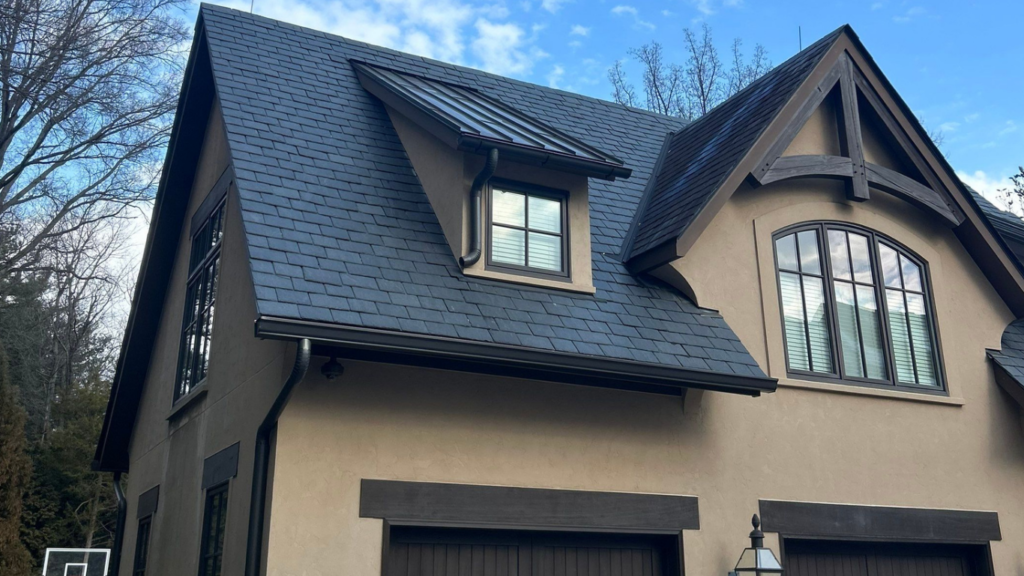
Gutters are one of the most important yet often overlooked components of a home’s exterior protection system. While they may seem simple, gutters play a critical role in directing rainwater away from the roof, siding, foundation, and landscaping. When gutters stop functioning properly, water damage can quickly affect multiple parts of a home. Understanding the common gutter replacement indicators can help homeowners prevent costly structural problems. In Arlington, VA and the surrounding Northern Virginia communities, homes regularly face heavy rainstorms, falling leaves, temperature swings, and seasonal debris. These conditions place constant stress on gutter systems. Over time, even well-maintained gutters eventually wear out and must be replaced. At Painter Roofing, we help homeowners identify early gutter replacement indicators so they can take action before serious water damage occurs. This guide explains the warning signs that suggest it may be time for new gutters, the risks of delaying replacement, and how modern gutter systems can protect your home. Why Gutters Are Essential for Home Protection Before discussing gutter replacement indicators, it is helpful to understand why gutters are so important to a home’s structure. Gutters collect rainwater from the roof and channel it safely through downspouts away from the foundation. Without properly functioning gutters, rainwater can flow directly down exterior walls and accumulate around the base of the home. Over time, this water exposure can lead to a variety of problems. Well-functioning gutters help prevent: Foundation erosion Basement flooding Siding damage Roof leaks Landscape washout Mold and mildew growth Because gutters serve such an important purpose, recognizing gutter replacement indicators early can protect both your home and your investment. How Long Do Gutters Typically Last? Most residential gutter systems are designed to last between 20 and 30 years depending on the material and maintenance level. However, factors such as weather exposure, debris buildup, and installation quality can shorten the lifespan. Homes in Arlington often experience additional wear due to: Seasonal storms Tree debris and falling leaves Winter freeze-thaw cycles Humidity and moisture These environmental factors make it especially important for homeowners to recognize common gutter replacement indicators before problems escalate. Visible Cracks and Splits One of the most obvious gutter replacement indicators is visible cracking in the gutter material. Even small cracks can allow water to escape, especially during heavy rainfall. Initially, small cracks may seem harmless, but they tend to grow larger over time due to temperature changes and water pressure. As cracks expand, they allow water to drip behind gutters and onto exterior walls. Signs to watch for include: Small hairline cracks Splitting seams Visible breaks in the gutter channel When cracks appear in multiple sections of the gutter system, replacement is often the best solution. Rust and Corrosion Metal gutters, especially older steel systems, are vulnerable to rust and corrosion over time. Rust weakens the structure of the gutter and eventually causes holes or collapse. Rust is one of the clearest gutter replacement indicators homeowners may notice. If rust spots appear throughout the gutter system, it usually means the protective coating has worn away. Warning signs include: Orange or brown rust patches Flaking metal surfaces Small rust holes Once corrosion spreads, repairs are often temporary, making full gutter replacement the more effective option. Sagging Gutters Gutters should remain firmly attached and level along the roofline. When gutters begin to sag or pull away from the house, they may no longer direct water properly. Sagging is a major gutter replacement indicator because it usually signals structural weakening or mounting failure. Common causes of sagging gutters include: Excess debris weight Water buildup Damaged hangers Aging materials When sagging occurs across multiple sections, replacing the system ensures proper water drainage. Water Overflow During Rainstorms Gutters are designed to capture and direct rainwater efficiently. If water spills over the sides during moderate rainfall, something is preventing proper drainage. Overflow is one of the most important gutter replacement indicators because it means the system can no longer manage water effectively. Potential causes include: Gutter clogs Improper slope Insufficient gutter size Structural damage While cleaning may solve minor issues, persistent overflow often indicates the need for gutter replacement. Peeling Paint or Staining on Exterior Walls Exterior paint near the roofline should remain intact if gutters are functioning properly. When gutters leak or overflow, water runs down the siding and damages paint finishes. Peeling paint or water stains can serve as subtle gutter replacement indicators that homeowners may overlook. Signs to watch for include: Paint bubbling near gutters Water streaks on siding Mold or mildew growth Addressing the gutter issue quickly prevents further exterior damage. Water Pooling Near the Foundation Healthy gutters direct water safely away from the home through downspouts and drainage extensions. When gutters fail, water often collects around the foundation. Pooling water is a serious gutter replacement indicator because it can lead to structural damage over time. Foundation risks include: Soil erosion Basement leaks Cracks in foundation walls Structural shifting Replacing failing gutters helps protect the foundation and prevent long-term structural problems. Frequent Gutter Repairs Occasional gutter repairs are normal, but repeated repairs can signal that the system is reaching the end of its lifespan. Frequent fixes are one of the practical gutter replacement indicators homeowners encounter. If sections constantly need resealing, patching, or reattachment, replacing the entire system may be more cost-effective. Modern gutter systems are more durable and require less maintenance than older installations. Separated Gutter Seams Many older gutter systems consist of multiple sections connected by seams. Over time, these seams can weaken and separate, allowing water to leak through. Separated seams are common gutter replacement indicators, especially in aging systems. Seam separation may cause: Water leaks Joint misalignment Structural instability Seamless gutter systems are often recommended as replacements because they reduce the number of leak points. Mold and Mildew Growth Excess moisture around gutters can lead to mold and mildew growth on siding, soffits, and fascia boards. While mold may appear to be a siding issue, it can actually be one of the hidden gutter replacement indicators