

Chimney Repair Maintenance: Protecting Arlington, VA Homes Year-Round

A chimney is more than just an architectural feature on your home. It plays a critical role in ventilation, fireplace safety, and protecting your property from moisture and structural damage. Over time, however, chimneys are exposed to harsh weather, temperature changes, moisture, and natural aging. Without proper care, even minor issues can turn into serious structural concerns. That’s why chimney repair maintenance is essential for homeowners in Arlington, VA and the surrounding Northern Virginia communities. Whether your home has a traditional masonry chimney or a modern prefabricated system, regular inspections and upkeep help maintain safety, efficiency, and long-term durability. At Painter Roofing, we understand how important exterior maintenance is to protecting your home investment. This guide explains the importance of chimney repair maintenance, common chimney problems, warning signs of damage, and the best ways to keep your chimney in excellent condition year-round. Why Chimney Repair Maintenance Matters Chimneys are constantly exposed to outdoor conditions. Rain, snow, wind, humidity, and freezing temperatures can all affect the structure over time. Even small cracks or leaks can lead to major issues if they are ignored. Proper chimney repair maintenance helps homeowners: Prevent water intrusion Protect the roof and attic Maintain fireplace safety Avoid expensive structural repairs Extend chimney lifespan Routine maintenance also helps improve the overall performance of your fireplace and ventilation system. How Arlington Weather Affects Chimneys Homes in Arlington, VA experience a wide range of seasonal weather conditions. Chimneys are particularly vulnerable because they are fully exposed above the roofline. Weather conditions that impact chimneys include: Heavy rain Humidity Snow and ice Freeze-thaw cycles High winds Seasonal temperature fluctuations These environmental factors make regular chimney repair maintenance especially important for Northern Virginia homeowners. Common Chimney Problems Homeowners Face Several types of damage can develop over time without proper maintenance. Cracked Masonry Brick and mortar are durable materials, but they can crack due to moisture and temperature changes. One of the most common reasons homeowners need chimney repair maintenance is cracked masonry. Small cracks may allow water to enter the structure and worsen over time. Deteriorating Mortar Joints Mortar joints hold bricks together and help maintain structural stability. As mortar ages, it can crumble or erode. This process, known as mortar deterioration, is a major concern addressed through chimney repair maintenance. Chimney Leaks Water intrusion is one of the most serious chimney problems. Leaks can occur due to: Cracked chimney crowns Damaged flashing Missing mortar Worn chimney caps Prompt chimney repair maintenance helps prevent leaks from damaging the roof, attic, and interior walls. Flashing Damage Flashing is the metal barrier installed where the chimney meets the roof. If flashing becomes loose or corroded, water can seep into the home. Repairing or replacing flashing is an important part of chimney repair maintenance. Chimney Crown Cracks The chimney crown is the protective surface at the top of the chimney. Cracks in the crown allow moisture to penetrate the structure. Regular inspections and sealing are essential aspects of chimney repair maintenance. Warning Signs Your Chimney Needs Repair Recognizing early warning signs allows homeowners to address issues before they worsen. Common signs that indicate the need for chimney repair maintenance include: Cracked or missing bricks White staining on the chimney exterior Rust around the fireplace or chimney components Water stains near the chimney Leaning chimney structure Loose mortar joints Damaged flashing If you notice any of these issues, professional inspection is recommended. The Importance of Regular Chimney Inspections Routine inspections are one of the most important parts of effective chimney repair maintenance. Professional inspections help identify: Structural weaknesses Moisture intrusion Ventilation issues Masonry deterioration Safety concerns Regular inspections allow homeowners to address minor problems before they become costly repairs. Chimney Waterproofing Moisture is one of the biggest threats to chimney structures. Applying waterproofing treatments is a key aspect of chimney repair maintenance. Waterproof sealants help protect masonry from absorbing water while still allowing trapped moisture to escape. Waterproofing helps reduce: Cracking Freeze-thaw damage Mold growth Structural deterioration Chimney Repointing Over time, mortar joints can weaken and crumble. Repointing involves removing damaged mortar and replacing it with fresh mortar to restore structural integrity. This process is a common and important part of chimney repair maintenance for masonry chimneys. Chimney Crown Repair The chimney crown helps prevent water from entering the chimney structure. Cracked or damaged crowns should be repaired quickly to avoid moisture intrusion. Crown repair is another essential component of comprehensive chimney repair maintenance. Chimney Flashing Repair Flashing protects the vulnerable area where the chimney meets the roof. Damaged flashing can lead to roof leaks and water damage inside the home. Repairing flashing is one of the most critical aspects of chimney repair maintenance because it protects both the chimney and the roofing system. Chimney Cap Installation and Maintenance A chimney cap is installed at the top of the chimney opening. Chimney caps help prevent: Rainwater entry Animal intrusion Debris buildup Downdrafts Installing and maintaining chimney caps is an important step in long-term chimney repair maintenance. Preventing Freeze-Thaw Damage During winter, moisture absorbed into masonry can freeze and expand. This freeze-thaw cycle can cause bricks and mortar to crack over time. Preventative chimney repair maintenance helps minimize freeze-thaw damage by sealing vulnerable areas and maintaining waterproof protection. Fireplace Safety and Ventilation Chimneys also play a major role in fireplace safety. Proper ventilation allows smoke and gases to exit the home safely. Routine chimney repair maintenance ensures the chimney system remains clear and functions properly, reducing potential safety hazards. Benefits of Professional Chimney Repair Maintenance Working with experienced professionals offers several advantages. Professional contractors can: Identify hidden damage Provide accurate repair recommendations Use proper repair materials Ensure safe and effective repairs Expert service ensures homeowners receive reliable and long-lasting chimney repair maintenance solutions. Preventative Maintenance Tips for Homeowners Homeowners can also take proactive steps to support chimney health. Helpful maintenance practices include: Inspecting the chimney regularly Checking for visible cracks or damage Keeping gutters clean to prevent water overflow Trimming nearby tree branches Scheduling annual professional
Roof Inspection Frequency: How Often Arlington, VA Homeowners Should Inspect Their Roof
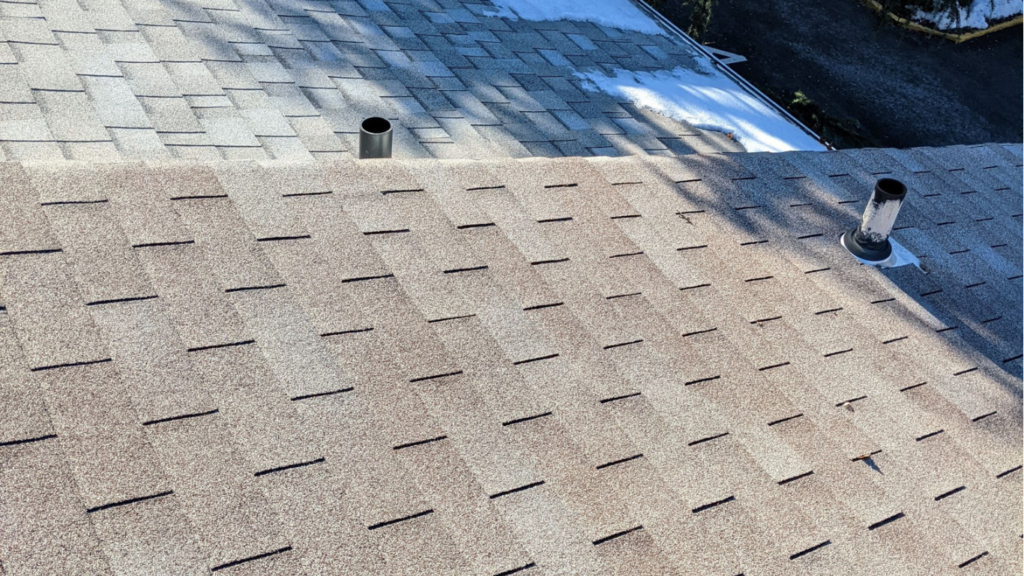
Your roof is one of the most critical protective systems of your home. It shields your property from rain, wind, heat, snow, and debris year-round. Yet many homeowners don’t think about their roof until a leak or visible damage appears. Understanding proper roof inspection frequency is the key to preventing costly repairs, extending roof lifespan, and protecting your investment. For homeowners in Arlington, VA and the surrounding areas, regular roof inspections are especially important due to seasonal weather changes, storms, humidity, and temperature fluctuations common to Northern Virginia. These conditions accelerate roof wear and increase the likelihood of hidden damage. At Painter Roofing, we specialize in professional roof inspections, maintenance, and repairs tailored to the needs of Arlington-area homes. This comprehensive guide explains recommended roof inspection frequency, why it matters, what inspectors look for, and how routine inspections protect your home long-term. Why Roof Inspection Frequency Matters for Arlington Homes Your roof constantly faces environmental stress. Over time, even durable roofing materials degrade due to sun exposure, moisture, thermal expansion, and storm impact. Without regular inspections, minor issues often go unnoticed until they become expensive structural problems. Maintaining proper roof inspection frequency provides several critical benefits: Early detection of leaks and damage Prevention of structural deterioration Longer roof lifespan Lower repair costs Insurance compliance Improved energy efficiency Increased property value Safer home environment In Arlington, where seasonal storms and tree coverage are common, roofs are particularly vulnerable to debris impact, wind uplift, and moisture retention. Routine inspections help homeowners stay ahead of these risks. Recommended Roof Inspection Frequency by Roofing Professionals One of the most common questions homeowners ask is: how often should a roof be inspected? Industry experts, including Painter Roofing, recommend the following roof inspection frequency schedule for Arlington homes: Twice per year: Spring and fall inspections are ideal. These seasons follow the harshest weather periods and prepare your roof for upcoming conditions. After major storms: High winds, hail, heavy rain, or falling branches can cause immediate damage that requires inspection. Before buying or selling a home: Real estate transactions often require roof condition verification. After roof installation or major repair: Follow-up inspections confirm proper performance. For aging roofs (15+ years): Older roofs require more frequent monitoring. This consistent roof inspection frequency ensures problems are identified early and repairs remain manageable. How Arlington’s Climate Affects Roof Inspection Frequency Northern Virginia weather patterns significantly influence roofing performance. Arlington experiences: Heavy summer thunderstorms High humidity Winter snow and ice Freeze-thaw cycles Falling leaves and debris Occasional hail Temperature swings These conditions accelerate material expansion and contraction, leading to cracking, loosening, and water intrusion. Homes surrounded by trees face additional risks from branches, moss, and clogged gutters. Because of these environmental factors, maintaining appropriate roof inspection frequency is especially important for Arlington homeowners compared to milder climates. Signs You May Need an Immediate Roof Inspection Even if you follow a regular roof inspection schedule, certain warning signs indicate you should schedule an inspection right away. Watch for: Water stains on ceilings or walls Missing or curled shingles Granules in gutters Sagging roof sections Mold or moss growth Damaged flashing Increased energy bills Visible storm damage Interior attic moisture Daylight visible through roof boards If any of these appear, your current roof inspection frequency may need adjustment to prevent worsening damage. What Professional Roof Inspectors Look For A professional inspection goes far beyond a simple visual check. Painter Roofing inspectors evaluate all components of the roofing system. Key inspection areas include: Shingles or roofing material Cracking, curling, blistering, missing pieces, and wear Flashing and penetrations Chimneys, vents, skylights, and valleys are leakClean areas Roof decking Soft spots or structural weakness Underlayment condition Moisture protection integrity Ventilation systems Airflow balance and moisture control Gutters and drainage Clogs, slope issues, or detachment Attic interior Insulation, condensation, and leaks Maintaining proper roof inspection frequency ensures these components remain in optimal condition. Roof Inspection Frequency by Roofing Material Different roofing materials age at different rates. Arlington homeowners should adjust inspection frequency accordingly. Asphalt shingles: Inspect twice per year after year 5 Architectural shingles: Twice yearly after year 8 Metal roofing: Every 2 years, plus storm inspections Slate roofing: Every 1–2 years Wood shake: Annually due to moisture risk Flat roofing: Twice per year minimum Material type directly affects ideal roof inspection frequency and maintenance planning. Seasonal Roof Inspection Checklist for Arlington Homes Following seasonal inspection patterns helps maintain optimal roof health. Spring Inspection Focus Winter damage Ice or snow stress Flashing separation Shingle cracking Gutter debris Summer Inspection Focus Heat blistering UV damage Ventilation performance Sealant deterioration Fall Inspection Focus Leaf accumulation Drainage flow Pre-winter readiness Loose shingles Winter Visual Checks Ice dams Snow load Icicle formation Interior leaks Seasonal awareness supports proper roof inspection frequency year-round. Roof Inspection Frequency for Storm-Prone Areas Arlington occasionally experiences strong thunderstorms and high winds. After severe weather events, immediate inspection is recommended. Storm-related risks include: Wind-lifted shingles Impact damage Flashing displacement Debris punctures Tree branch impact Hidden water intrusion Storm damage is often subtle but worsens quickly. Maintaining responsive roof inspection frequency after storms prevents escalating repairs. How Roof Inspections Extend Roof Lifespan Regular inspections significantly extend roofing longevity. Small repairs identified early prevent widespread deterioration. Benefits include: Preventing moisture penetration Stopping rot progression Maintaining structural integrity Preserving insulation efficiency Protecting underlayment Preventing deck damage Homes with proper roof inspection frequency often gain 5–10 additional years of roof life. Cost Savings of Proper Roof Inspection Frequency Routine inspections cost far less than major repairs or replacement. Early detection avoids structural damage and interior restoration expenses. Financial advantages include: Lower repair costs Avoided emergency services Prevented interior damage Insurance claim support Extended replacement timeline Energy savings Consistent roof inspection frequency is one of the most cost-effective home maintenance strategies. Roof Inspection Frequency and Insurance Requirements Many insurance providers expect homeowners to maintain their roof. Neglect may lead to claim denial or reduced coverage. Insurers often consider: Roof age Maintenance history Inspection documentation Visible neglect Storm preparedness Maintaining documented roof
Roof Condition Assessment: Why Arlington, VA Homeowners Should Never Skip This Critical Step

Your roof is one of the most important parts of your home. It protects your family, belongings, and structure from the elements every single day. For homeowners in Arlington, VA and the surrounding areas, where weather conditions include hot summers, heavy rain, windstorms, and freezing winters, your roof takes a beating year-round. That’s why a professional roof condition assessment is essential for maintaining your home’s safety, value, and performance. At Painter Roofing, we specialize in thorough roof assessment services designed to identify problems early and help homeowners make smart, cost-effective decisions. This comprehensive guide explains what a roof condition assessment involves, why it matters, and how it benefits homeowners throughout Northern Virginia. What Is a Roof Condition Assessment A roof condition assessment is a detailed evaluation of your roof’s overall health and performance. Unlike a quick visual check, a professional roof assessments examines every major component of the roofing system, including shingles, flashing, underlayment, ventilation, gutters, and structural elements. The goal is to determine the current condition of the roof, identify any damage or vulnerabilities, and estimate remaining lifespan. Why Roof Condition Assessment Is So Important Many roofing problems start small and remain hidden. Without a proper roof assessments, these issues can worsen over time, leading to leaks, mold, rot, and structural damage. Regular assessments help homeowners catch problems early and avoid costly emergency repairs. How Arlington Weather Affects Roof Condition Arlington’s climate puts unique stress on roofing systems. Summer heat causes materials to expand and age faster. Heavy rain tests waterproofing and drainage systems. Windstorms loosen shingles and flashing. Winter freeze-thaw cycles create cracks and ice dams. A roof condition assessment accounts for these factors and evaluates how well your roof is holding up. Components Evaluated in a Roof Condition Assessment A thorough roof assessment includes both exterior and interior inspections. Externally, inspectors evaluate shingles, flashing, ridge caps, vents, skylights, chimneys, and gutters. Internally, they check attic spaces for moisture, insulation issues, ventilation problems, and signs of leaks. Each element plays a role in roof performance. Identifying Early Warning Signs One of the biggest benefits of a roof assessment is early detection. Warning signs may include cracked shingles, missing granules, rusted flashing, sagging areas, dark spots on ceilings, and musty odors in the attic. Catching these early saves homeowners money and stress. Roof Condition Assessment and Leak Prevention Leaks are one of the most common and damaging roofing problems. A roof assessment identifies vulnerable areas before water intrusion occurs. Preventing leaks protects insulation, drywall, wood framing, and indoor air quality. Extending Roof Lifespan A roof assessment helps extend the life of your roof. By addressing small issues early, homeowners prevent accelerated deterioration. Regular assessments keep your roof performing at its best for as long as possible. Energy Efficiency and Roof Performance Your roof affects your home’s energy efficiency. Air leaks, poor insulation, and ventilation problems increase heating and cooling costs. A roof condition assessment identifies issues that impact energy performance, helping homeowners improve comfort and reduce utility bills. Roof Condition Assessment for Older Homes Many Arlington homes are older and may have aging roofing systems. A roof condition assessment is especially important for these properties to monitor wear and plan for future replacement. Understanding roof condition allows for better budgeting and maintenance planning. Roof Condition Assessment for Newer Homes Even new roofs benefit from assessment. Installation errors, storm damage, or material defects can affect performance early. A roof condition assessment ensures everything is working as intended. Preparing for Seasonal Changes A roof condition assessment helps prepare your home for upcoming seasons. Spring assessments check for winter damage. Fall assessments prepare roofs for snow and ice. Seasonal readiness reduces the risk of weather-related failures. Roof Condition Assessment and Insurance Roof condition assessments are useful for insurance purposes. Documentation of roof condition helps with claims and demonstrates proper maintenance. Homeowners who invest in assessments often have smoother claim processes. Buying or Selling a Home If you’re buying or selling a home, a roof condition assessment is essential. Buyers want assurance that the roof is sound. Sellers benefit from transparency and fewer surprises during negotiations. Roof condition reports build confidence in the transaction. Roof Condition Assessment vs Quick Inspections Not all inspections are equal. A roof condition assessment is more detailed than a quick walk-around. It involves systematic evaluation and documentation, providing homeowners with actionable information. How Often Should Roof Condition Assessments Be Done Most homeowners benefit from a roof assessment once a year. Additional assessments are recommended after major storms or before major renovations. Consistency ensures long-term protection. What Happens After a Roof Condition Assessment After the assessment, homeowners receive a detailed summary of findings. This includes photos, descriptions of issues, and recommended actions. At Painter Roofing, we prioritize clear communication and honest guidance. Repair vs Replacement Decisions A roof condition assessment helps determine whether repairs are sufficient or if replacement is needed. This informed approach prevents unnecessary expenses and ensures safety. Budgeting and Planning Knowing your roof’s condition allows you to plan financially. A roof assessment helps homeowners prepare for future maintenance or replacement without surprises. Safety Benefits of Professional Assessments Climbing onto a roof is risky. Professional roof assessment eliminates safety hazards for homeowners and ensures accurate evaluation. Trained inspectors know what to look for and how to access difficult areas safely. DIY Checks vs Professional Assessments Homeowners can look for obvious signs from the ground, but many issues are invisible without close inspection. A professional roof condition assessment provides a complete picture. DIY checks should supplement, not replace, professional evaluations. Why Experience Matters Roofing systems are complex. Experienced professionals understand how materials age, how weather impacts performance, and how small issues lead to bigger problems. At Painter Roofing, our roof assessments are based on years of hands-on experience. Why Arlington Homeowners Trust Painter Roofing Homeowners in Arlington, VA and the surrounding areas trust Painter Roofing for thorough assessments, honest advice, and quality workmanship. We focus on long-term solutions, not quick fixes. Our goal is to protect your
Annual Roof Inspections: A Smart Choice for Arlington Homeowners
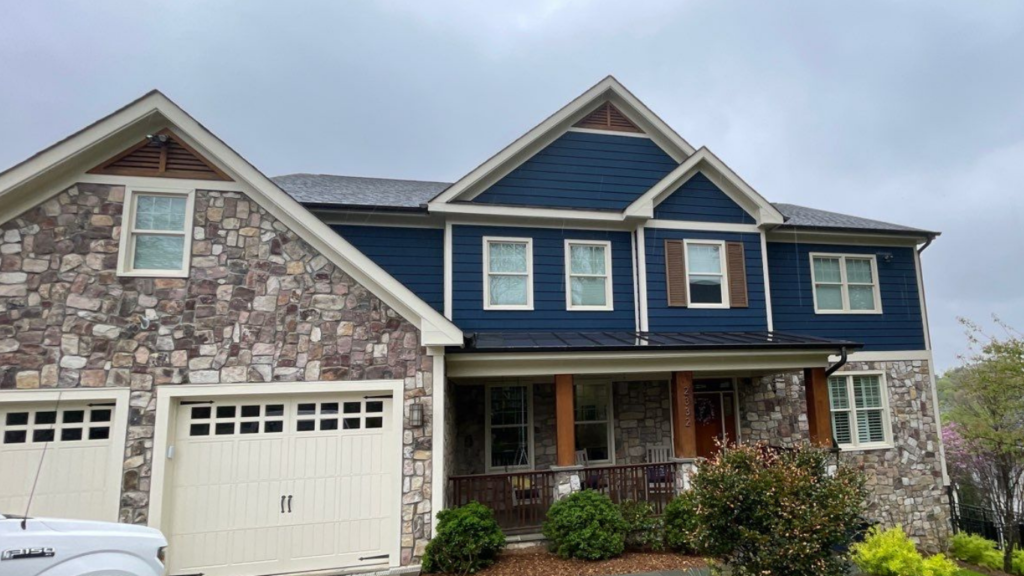
Your roof is your home’s first line of defense against the elements. It shields your family, belongings, and structure from rain, wind, heat, and cold. For homeowners in Arlington, VA and the surrounding areas, where seasonal weather shifts, storms, humidity, and temperature extremes are common, roof maintenance is not optional—it’s essential. One of the most effective ways to protect your roof is through annual roof inspections. At Painter Roofing, we strongly recommend yearly inspections to help homeowners identify potential problems early, extend roof lifespan, and avoid costly repairs. This guide explains the benefits of annual roof inspections, what it includes, and why Arlington homeowners should make it part of their regular home maintenance routine. Why Annual Roof Inspections Are So Important Many roofing problems begin small and worsen over time. Minor damage caused by wind, rain, heat, or debris often goes unnoticed until leaks or structural issues develop. Annual roof inspections allow roofing professionals to catch these issues early. This proactive approach helps homeowners avoid emergency repairs, interior damage, and premature roof replacement. In Arlington’s climate, annual roof inspections are especially valuable due to frequent storms, falling debris from mature trees, winter freeze-thaw cycles, and humid summers. Signs You Need a New Roof Arlington VA Identifying the signs you need a new roof arlington va homeowners often overlook is the first step in protecting your home from the unpredictable Mid-Atlantic weather. Between the heavy summer humidity and the occasional winter ice dam, roofing materials in Northern Virginia face significant wear and tear over time. You should regularly inspect your property for cracked or missing shingles, sagging rooflines, and excessive grit or granules accumulating in your gutters. If you notice interior water stains on your ceilings or daylight peeking through the rafters in your attic, your roof’s integrity has likely been compromised, and a professional evaluation is necessary to prevent further structural damage. How Arlington Weather Affects Roofs Local weather plays a significant role in roof deterioration. Heavy rainfall can exploit small vulnerabilities in shingles or flashing. High winds can loosen or lift roofing materials. Summer heat accelerates material aging, while winter freeze-thaw cycles cause expansion and contraction. An annual roof inspection helps identify weather-related damage before it escalates into major problems. What an Annual Roof Inspection Includes A professional annual roof inspection is a thorough evaluation of your roofing system. At Painter Roofing, inspections typically include examining shingles or roofing materials, checking flashing and sealants, inspecting vents and penetrations, evaluating gutters and drainage, assessing attic ventilation, and identifying signs of moisture intrusion. This comprehensive approach ensures that no component is overlooked. Identifying Early Signs of Roof Damage One of the greatest benefits of an annual roof inspection is early detection. Common early warning signs include cracked or missing shingles, granule loss, loose flashing, exposed fasteners, sagging areas, and minor leaks. Addressing these issues early often requires simple, affordable repairs instead of major interventions. Preventing Roof Leaks and Water Damage Roof leaks are among the most costly problems homeowners face. Even a small leak can lead to mold growth, insulation damage, drywall staining, and wood rot. An annual roof inspection helps identify vulnerable areas before water intrusion occurs. Preventing leaks protects both the roof and the interior of your home. Extending the Life of Your Roof Roofs are designed to last decades, but neglect can significantly shorten their lifespan. Regular annual roof inspections help maintain roofing materials, ensure proper drainage, and prevent small issues from becoming widespread damage. With proper care, many roofs exceed their expected lifespan, delaying costly replacement. Cost Savings from Annual Roof Inspections Some homeowners avoid inspections because they fear repair costs. In reality, an annual roof inspection saves money by preventing expensive emergency repairs and interior damage. Addressing minor issues early is far more affordable than dealing with extensive water damage or full roof replacement. Protecting Your Home’s Structural Integrity Your roof works together with other structural components. Unresolved roofing issues can damage framing, attic insulation, ceilings, walls, and even foundations through water infiltration. An annual roof inspection helps preserve the entire structural system of your home. Maintaining Energy Efficiency Roofing issues can affect your home’s energy efficiency. Gaps, leaks, or damaged materials allow conditioned air to escape and outside air to enter. This forces HVAC systems to work harder. An annual roof inspection helps identify issues that compromise energy efficiency, leading to lower heating and cooling costs. Improving Attic Ventilation and Insulation Performance Attic ventilation plays a crucial role in roof health. Poor ventilation can trap heat and moisture, accelerating shingle deterioration and increasing the risk of mold. During an annual roof inspection, ventilation systems are evaluated to ensure proper airflow and moisture control. Detecting Storm Damage Early Storms often cause hidden roof damage. Hail, wind, and falling debris may not immediately cause leaks but can weaken roofing materials. An annual roof inspection identifies storm-related damage early, allowing homeowners to address issues before they worsen. Annual Roof Inspection and Insurance Claims Roof inspections are valuable for insurance purposes. Documentation from an annual roof inspection provides evidence of roof condition and maintenance history. This can be helpful when filing insurance claims after storm damage. Proactive inspections demonstrate responsible homeownership. Preparing Your Roof for Seasonal Changes An annual roof inspection ensures your roof is ready for seasonal weather. Inspections performed in spring or fall help prepare the roof for summer heat or winter cold, reducing the risk of weather-related failures. Seasonal readiness is especially important in Arlington’s variable climate. Roof Inspections for Older Homes Many homes in Arlington have aging roofing systems. Older roofs are more susceptible to wear, material fatigue, and hidden damage. An annual roof inspection is particularly important for older homes to monitor deterioration and plan future upgrades. Roof Inspections for Newer Homes Even newer roofs benefit from annual inspections. Improper installation, material defects, or early storm damage can affect new roofs. An annual roof inspection ensures warranty requirements are met and performance remains optimal. Preventing Mold and Indoor Air Quality Issues Roof
Water Damage Prevention: A Complete Guide for Arlington, VA Homeowners

Water damage is a silent threat to homeowners in Arlington, VA. From historic residences to modern townhouses, Northern Virginia’s heavy rain and icy winters can compromise a home’s structure long before a leak is visible. Effective water damage prevention starts with a proactive strategy to safeguard your investment from the ground up. The Primary Defenses: Roofs and Gutters Your home’s exterior acts as a shield, but even small gaps can lead to costly wood rot or mold. Roofing Integrity The roof is your first line of defense. Missing shingles or deteriorated flashing around chimneys are common entry points for moisture. Routine inspections are the cornerstone of water damage prevention. Gutter and Downspout Function Gutters must direct water safely away from the foundation. Clogs, improper slopes, and sagging sections cause water to overflow, leading to basement flooding and soil erosion. Maintaining a clear drainage system is essential for water damage prevention. Sealing the Envelope: Siding, Windows, and Doors Moisture often infiltrates through small cracks in the home’s “skin.” Siding: Watch for warping, peeling paint, or mold. Re-caulked joints prevent water from seeping behind panels. Windows/Doors: Failing seals and worn weatherstripping allow rain to penetrate wall cavities. Upgrading these seals is a simple yet effective step in water damage prevention. Structural Protection: Foundations and Attics The most expensive repairs often involve the areas you can’t easily see. Foundation: Hydrostatic pressure from saturated soil can crack basement walls. Ensure the ground slopes away from your home and use sump pumps where necessary. These are critical measures for water damage prevention. Attic: Poor ventilation causes condensation, which rots roof decking from the inside out. Proper insulation and airflow keep the attic dry year-round. Season Maintenance Focus Spring Inspect roof for winter damage; examine basement for dampness. Summer Monitor indoor humidity; inspect window and door caulking. Fall Clear gutters of leaves; ensure downspouts extend 5+ feet away. Winter Prevent ice dams; check attic for signs of moisture buildup. Why Choose Painter Roofing? At Painter Roofing, we provide Arlington homeowners with more than just quick fixes. Our comprehensive evaluations identify hidden moisture risks in your roof, siding, and drainage systems. We prioritize long-term water damage prevention to keep your home safe, dry, and valuable for years to come. Frequently Asked Questions: 1. What are the most common signs of hidden moisture in Arlington homes? In Northern Virginia’s humid climate, early signs of trouble include peeling paint near rooflines, warped siding panels, and a persistent musty odor in the attic or basement. If you notice “water tide” marks on your foundation or soft spots on your ceiling, your home’s efforts to prevent water damage may have already failed, requiring an immediate professional inspection to stop structural rot. 2. How far should downspouts extend to protect a home’s foundation? To effectively keep water away from your basement, downspouts should extend at least 5 to 10 feet from the foundation. In Arlington, where heavy seasonal rains are common, ensuring that water is discharged onto a downward slope is a critical component of water damage prevention. This prevents hydrostatic pressure from building up against basement walls, which often leads to cracks and flooding. 3. Can poor attic ventilation cause water damage without a roof leak? Yes. In the winter, warm air from your home can get trapped in a poorly ventilated attic, leading to condensation on the underside of the roof deck. Over time, this moisture mimics a leak by rotting wood and ruining insulation. Improving airflow through soffit and ridge vents is a specialized form of water damage prevention that protects your roof from the inside out, even when it isn’t raining.
Seasonal Maintenance Checklist for Arlington, VA Homeowners
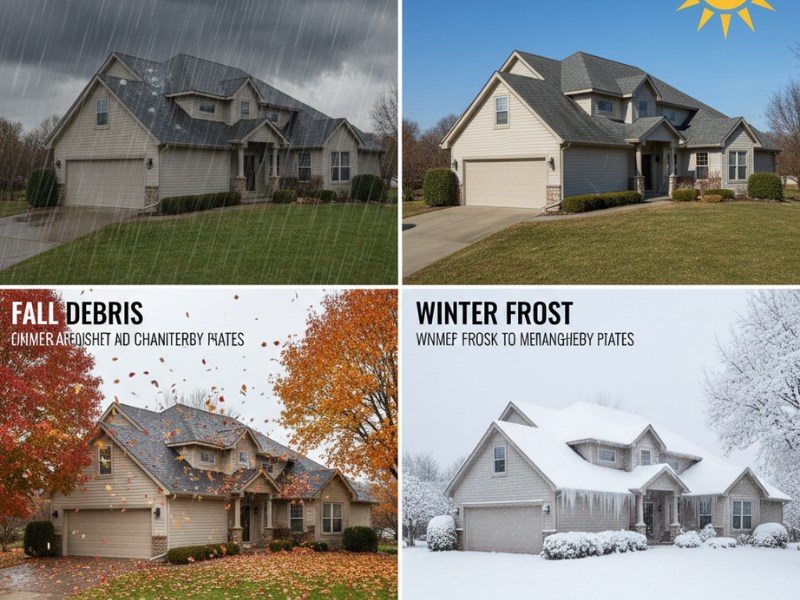
Keeping your home in top condition requires more than the occasional repair — it requires seasonal maintenance. Here in Arlington, VA and the surrounding areas, we experience all four seasons, each bringing its own weather patterns that impact roofs, gutters, siding, windows, and the overall exterior of your home. That’s why having a comprehensive seasonal maintenance checklist is essential for protecting your property, preventing unexpected damage, and extending the life of your roof and exterior systems. At Painter Roofing, we’ve spent years helping Arlington homeowners maintain safe, durable, and weather-ready homes. This expert guide provides a detailed seasonal maintenance checklist you can follow year-round, broken down by season. Whether you’re a new homeowner or have lived in Northern Virginia for decades, this resource will help you stay ahead of problems and keep your home running smoothly. Stay updated—join us on Facebook. Why Every Homeowner Needs a Seasonal Maintenance Checklist A well-planned seasonal maintenance checklist helps you: Stay proactive instead of reactive Prevent costly emergency repairs Protect your roof, siding, gutters, and home exterior Keep energy bills low Maintain curb appeal and property value Prepare your home for weather changes throughout the year Because Arlington’s climate includes heavy rain, humidity, winter freezes, and occasional high winds, seasonal maintenance ensures your home is ready for whatever Mother Nature sends your way. Spring Seasonal Maintenance Checklist Spring is the perfect time to assess winter damage and prep your home for warmer weather. Winter freezes, melting snow, and strong seasonal winds can wear down your roof and exterior, making spring inspections essential. Here’s what should be included in your spring seasonal maintenance checklist: Roof Inspection After Winter Weather Arlington winters can be harsh on roofing systems. As part of your seasonal maintenance checklist, make sure to: Check for shingles that are cracked, loose, curling, or missing Inspect flashing around chimneys, vents, and skylights Look for any signs of leaks or moisture damage inside your attic Schedule a professional roof inspection if anything looks off Clean and Inspect Gutters and Downspouts Clogged gutters can cause major water issues. Your seasonal maintenance checklist must include: Clearing leaves, sticks, and winter debris Ensuring gutters are securely attached Checking for sagging sections or leaks Making sure downspouts direct water away from your foundation Check Siding and Exterior Walls Winter wind and ice can crack or loosen siding. Walk your property and look for: Holes or dents Warped or loose siding panels Signs of moisture or mold Inspect Windows and Doors Add to your seasonal maintenance checklist: Checking caulk and weatherstripping Looking for condensation between window panes Ensuring screens are clean and intact Prepare for Spring Storms Spring storms in Arlington, VA often bring high winds and heavy rain. Prepare by: Securing outdoor furniture Checking that tree branches aren’t too close to your roof Ensuring your sump pump works properly Summer Seasonal Maintenance Checklist Summer brings heat, humidity, and occasional severe weather. Your seasonal maintenance checklist for summer should prioritize ventilation, cooling efficiency, and storm readiness. Inspect Your Roof for Heat Damage Include: Checking for blistering shingles Inspecting attic ventilation Ensuring ridge vents and exhaust fans are functioning Gutter and Drainage Review After spring storms, make sure: Gutters are still clear Downspouts haven’t shifted Water is draining away from your home Check for Pest Activity Add these checks to your seasonal maintenance checklist: Inspect eaves, soffits, and fascia Look for nests, burrowing insects, or chew marks Seal small entry points Inspect Decks, Patios, and Outdoor Areas Be sure to: Check wood decks for rot or loose boards Clean outdoor surfaces to prevent mold Examine railings and steps for safety Prepare for Summer Storms As part of your seasonal maintenance checklist: Trim overhanging branches Secure outdoor equipment Review your emergency supply kit Fall Seasonal Maintenance Checklist Fall is the time to prepare your home for winter freezes, falling leaves, and heavy seasonal changes. A thorough seasonal maintenance checklist for fall can save you from costly winter emergencies. Full Roof Inspection Before Winter Be sure to: Inspect shingles, vents, flashing, and gutters Look for soft spots or sagging areas Check the attic for insulation issues or moisture Clean Gutters Thoroughly Your seasonal maintenance checklist should include: Multiple gutter cleanings throughout the season Ensuring downspouts remain clear Checking for leaks or loose brackets Inspect Your Home Exterior Check: Cracking paint or siding Holes that could allow drafts Window seals and door weatherstripping Prepare Trees and Landscaping Add to your seasonal maintenance checklist: Trimming limbs near your roof Removing dead or weak trees Clearing debris from around your foundation Winterize Outdoor Plumbing and Systems Before temperatures drop: Drain outdoor hoses and spigots Store hoses to prevent cracking Shut off sprinkler systems if applicable Winter Seasonal Maintenance Checklist Winter weather in Arlington, VA can bring freezing temperatures, snow, and ice. Your seasonal maintenance checklist for winter focuses on safety, insulation, and preventing cold-weather damage. Monitor Roof Performance Throughout Winter Include: Watching for ice dams Checking attic insulation and ventilation Clearing heavy snow from roof edges when needed Prevent Ice Dams and Moisture Buildup The seasonal maintenance checklist should include: Ensuring warm indoor air isn’t leaking into the attic Checking insulation depth Watching for moisture stains on ceilings Protect Your Gutters Make sure: Gutters remain clear of debris Downspouts are flowing Icicles are removed safely Inspect Siding and Exterior for Winter Wear Watch for: Cracks appearing due to temperature changes Moisture freezing around siding edges Drafts near windows Prepare for Winter Storms Your seasonal maintenance checklist should always include: Having shovels, ice melt, and flashlights ready Checking exterior lighting Securing loose items around the yard Why Professional Help Matters for Your Seasonal Maintenance Checklist While many tasks on this seasonal maintenance checklist can be handled by homeowners, some require professional training and safety equipment — especially roofing and gutter work. Painter Roofing provides comprehensive seasonal inspections and maintenance services tailored for homes in Arlington, VA and the surrounding areas. Hiring professionals ensures: Safe access to roofs Accurate identification of hidden issues Long-term solutions instead
Preventive Maintenance Programs for Arlington VA Homeowners
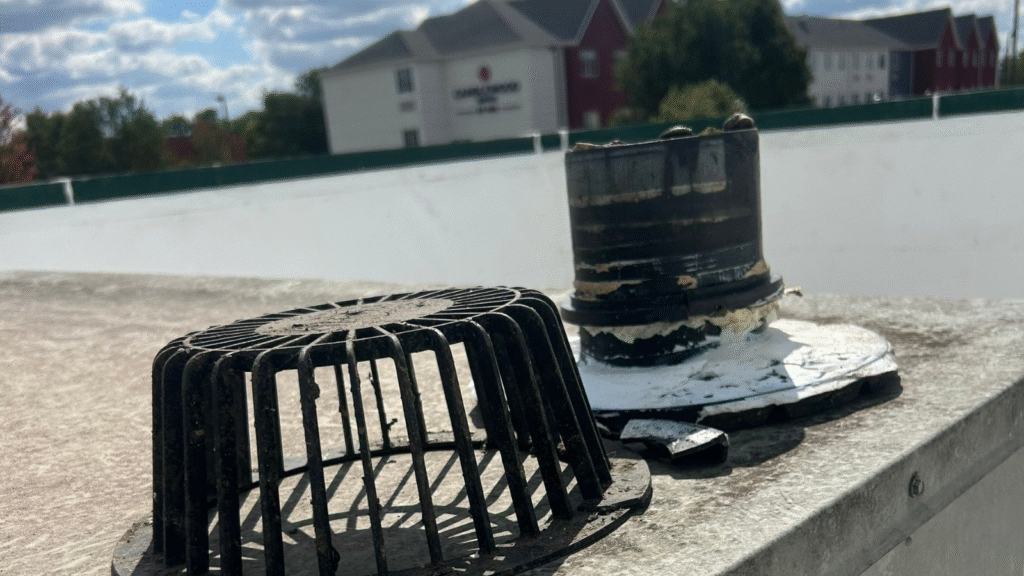
Homeowners in Arlington, Virginia and the surrounding Northern Virginia communities face a variety of seasonal challenges. From summer humidity to heavy rains, freeze-thaw cycles, pollen buildup, and unexpected storms, homes in this region require ongoing attention to stay in good condition. One of the most effective ways to protect your home and avoid expensive repairs is through preventive maintenance programs that monitor and maintain key systems year round. Preventive maintenance is more than simple upkeep. It is a strategic and proactive approach to home care that helps homeowners identify issues early, extend the life of home systems, reduce emergency repair costs, increase energy efficiency, and maintain long-term property value. At Painter Roofing in Arlington VA, we help homeowners implement preventive maintenance that keeps their roofing systems and exterior structures strong and dependable throughout every season. This guide breaks down what preventive maintenance includes, why they are so valuable, and how Arlington VA homeowners can benefit from adopting a structured, professional maintenance plan. Why Preventive Maintenance is Essential for Northern Virginia Homes Arlington VA and nearby areas such as Alexandria, Falls Church, Annandale, McLean, Fairfax, and Vienna experience a wide range of weather patterns. This variability affects roofs, gutters, siding, windows, ventilation systems, and exterior surfaces. A proactive approach through preventive maintenance programs helps homeowners: Reduce repair frequency Prevent costly damage Improve home safety Boost comfort and efficiency Maintain structural integrity Extend the lifespan of roofing systems Avoid surprise emergencies In climates like Northern Virginia, small issues can grow quickly if ignored. Preventive care ensures homeowners stay ahead of these issues instead of reacting after damage occurs. What Preventive Maintenance Include While programs vary by provider, Painter Roofing offers comprehensive preventive maintenance that focus on protecting your roofing system, drainage components, and home exterior. A typical preventive maintenance program includes: Scheduled inspections Routine cleaning Minor repairs Documentation and reporting Condition tracking Seasonal preparation These steps safeguard your home throughout the year and ensure roof performance remains strong. The Importance of Regular Roof Inspections Regular roof inspections are one of the most valuable parts of preventive maintenance programs. Roofs in Arlington VA face storms, tree debris, temperature swings, and humidity that can all wear down materials over time. During an inspection, professionals evaluate: Shingle condition Flashing integrity Ventilation Ridge caps Roof valleys Nails, fasteners, and sealants Attic airflow Moisture levels Potential leaks Structural shifts Gutter and downspout performance Inspections catch issues early, often before homeowners even notice symptoms. Seasonal Maintenance and Weather Preparation Seasonal changes bring unique challenges. Preventive maintenance programs help homeowners prepare for each season’s demands, reducing the risk of damage. Spring Maintenance Spring weather brings: Pollen Tree debris Heavy rains Rapid temperature changes A spring maintenance visit checks for winter damage, clears debris, and prepares your roof for wet months. Summer Maintenance High heat and UV exposure can: Damage shingles Remove granules Loosen sealants Overheat attic spaces Summer inspections ensure proper ventilation and identify heat-related wear. Fall Maintenance Leaves and twigs clog gutters, causing water overflow and potential roof leaks. Fall preventive maintenance typically includes: Gutter cleaning Downspout flushing Roof surface cleaning Flashing checks This prepares the home for winter weather. Winter Maintenance Snow and ice bring: Ice dams Condensation Freeze-thaw stress Gutter strain Professional checks help reduce ice buildup and ensure your home is ready for harsh winter conditions. These seasonal visits are key components of effective preventive maintenance programs. How Preventive Maintenance Programs Save Homeowners Money Many homeowners delay maintenance because they assume repairs will be minor or infrequent. However, ignoring problems often results in higher costs later. Preventive maintenance reduces: Emergency repair fees Water damage costs Structural deterioration Mold removal expenses Premature roof replacement Weather-related damage Programs create predictable, manageable upkeep instead of surprise bills. How Roofing Issues Develop Over Time Without Maintenance Ignoring small issues can lead to serious damage. Without preventive maintenance programs, homeowners may miss key warning signs such as: Minor leaks Loose shingles Cracked flashing Poor ventilation Moss or algae growth Gutter backups Attic moisture buildup Subtle structural shifts These problems often go unnoticed until major damage has already occurred. The Role of Documentation in Preventive Maintenance Programs Professional maintenance plans include documented reports that track the condition of your home’s roofing system over time. Each visit typically includes: Photos of inspected areas Written reports Notes on developing issues Recommended repairs Seasonal updates Warranty compliance information This documentation is extremely useful for: Insurance claims Home resale value Budget planning Preventing disputes over damage Homeowners benefit significantly from the consistent monitoring provided by preventive maintenance programs. Why Roofing Systems Benefit Most from Preventive Maintenance Roofs experience constant stress and play one of the most essential roles in protecting your home. A strong roof helps maintain: Structural integrity Indoor comfort Energy efficiency Water and moisture control By including roofing in preventive maintenance programs, homeowners ensure that small repairs are handled quickly and major issues are avoided. Follow us on Facebook. Gutter Maintenance as Part of Preventive Care Gutters are often overlooked, but they play a critical role in home protection. When gutters clog or pull away from the structure, water spills into siding, basements, porches, crawlspaces, and foundations. Preventive maintenance includes: Gutter cleaning Downspout flushing Loose bracket tightening Slope adjustments Leak patching Checking for corrosion Well-maintained gutters reduce the risk of water damage and structural issues. The Importance of Attic and Ventilation Checks Attics help regulate temperature and moisture. When ventilation is poor, your roof’s lifespan shortens dramatically. Preventive maintenance includes checking: Intake and exhaust vents Insulation condition Moisture levels Mold or mildew Heat retention Airflow consistency Attic issues can lead to high energy bills, roof damage, and reduced indoor comfort, and mold and moisture info. another reason preventive maintenance and moisture info programs are valuable. Proactive Repairs That Extend Roof Life Instead of waiting until problems become severe, preventive maintenance allows for early repairs such as: Sealing flashing Tightening loose nails Replacing a few damaged shingles Reapplying sealant Fixing minor leaks Clearing roof valleys Repairing gutter joints These small repairs significantly
Professional vs DIY Maintenance: Which Option Is Best for Arlington Homeowners?
Homeownership in Arlington, VA, and surrounding areas comes with the rewarding responsibility of maintaining your property. From roofs and siding to gutters and paint, maintenance is essential to keeping your home looking great and performing well year after year. Yet, many homeowners face the same question: should you handle repairs and upkeep yourself, or should you call in a professional? At Painter Roofing, we’ve worked with countless homeowners who have wrestled with the same dilemma. The professional vs DIY maintenance debate often comes down to cost, time, safety, and quality of results. This comprehensive guide explores the key differences, helping you decide when to roll up your sleeves and when to trust the experts. Understanding the Importance of Home Maintenance Maintenance protects your home’s structure, preserves property value, and prevents small issues from turning into expensive repairs. Whether it’s cleaning gutters, inspecting your roof, or sealing cracks, these tasks ensure your home stays safe and efficient. The professional vs DIY maintenance decision isn’t just about saving money, it’s about understanding your limitations, recognizing when expert help is needed, and ensuring every job is done correctly the first time. What Counts as DIY Maintenance DIY maintenance refers to routine, low-risk tasks homeowners can manage on their own with minimal tools or expertise. These smaller projects typically include: Cleaning gutters and downspouts. Repainting small exterior areas. Power washing siding or driveways. Patching minor drywall holes. Replacing weather-stripping or caulking windows. asks help reduce long-term costs and give homeowners a sense of control. However, the professional vs DIY maintenance line becomes clear when safety or specialized skills are required. When to Choose Professional Maintenance Professional maintenance is necessary when a task requires specific tools, knowledge, or safety training. At Painter Roofing, we recommend hiring experts for: Roof inspections and repairs. Gutter replacement or re-sloping. Siding repair or replacement. Complex exterior painting projects. Structural or water damage restoration. Choosing professional service ensures accuracy, compliance with building codes, and long-term peace of mind. In many cases, the cost of hiring experts is far less than the expense of correcting a DIY mistake later. Comparing Professional vs DIY Maintenance Costs For most homeowners, budget is the biggest factor in deciding between professional vs DIY maintenance. At first, DIY projects seem cheaper—you avoid labor costs and only pay for materials. But that’s not the whole picture. Professional work often comes with warranties, high-quality materials, and long-lasting results. DIY work, while cost-saving upfront, can lead to repeated repairs or even damage if done incorrectly. For example: Cleaning gutters yourself costs little, but a missed clog could cause foundation damage worth thousands. Repainting siding without proper prep could lead to peeling or water infiltration. Over time, investing in professionals can actually save money by extending the lifespan of your home’s systems. Time and Convenience Home maintenance takes time—and not just a few minutes here and there. Large projects often require days or weeks of work, especially if you’re learning as you go. When evaluating professional vs DIY maintenance, consider your schedule. Hiring professionals means you can focus on your daily life while experts handle repairs efficiently. Contractors bring experience and equipment to complete tasks faster, minimizing disruption and ensuring everything’s done right. DIY work can be rewarding but also stressful when time is limited. What starts as a weekend project can quickly turn into a month-long commitment if something goes wrong. Safety Considerations Safety is one of the biggest differences in professional vs DIY. Many home maintenance tasks involve working at heights, handling electrical components, or using heavy equipment. Roof and gutter work, for instance, pose significant risks for homeowners without proper safety gear. Falls from ladders are among the leading causes of home injuries. Professionals are trained and insured to handle these hazards safely. Attempting to fix roofing leaks or siding damage without training can also lead to additional structural issues. It’s always safer to hire experienced technicians who know how to manage the risks properly. Quality and Longevity of Results DIY projects can be satisfying, but the quality of results often depends on skill and experience. Even small mistakes—like using the wrong sealant or misaligning materials—can shorten the life of your repairs. Professional maintenance ensures durable results backed by warranties. Certified contractors, like Painter Roofing, use high-grade materials and proven methods to extend your home’s protection and appearance. When comparing professional vs DIY maintenance, consider the long-term payoff. A professional finish not only looks better but also adds measurable value to your property. The Role of Tools and Equipment Professional contractors invest in specialized equipment most homeowners don’t have. From roofing harnesses to industrial sprayers and moisture detectors, these tools make a big difference in both safety and quality. Homeowners attempting DIY work often spend extra buying or renting tools—and still may not achieve the same precision. This is another area where professional vs DIY favors professionals, as they bring both expertise and equipment to every job. Legal and Warranty Protection Many home systems—like roofing, siding, and windows—come with manufacturer warranties that require professional installation or maintenance to remain valid. Performing these tasks yourself could void the warranty. Professionals also carry liability insurance, which protects both you and your property in case of an accident. DIY maintenance offers no such protection, leaving homeowners responsible for injuries or damage. This is a major reason why homeowners in Arlington and surrounding areas often choose professionals for maintenance projects involving structural elements or high-value materials. Environmental and Energy Efficiency Benefits Another consideration in the professional vs DIY maintenance debate is energy efficiency. Improperly sealed windows, misaligned gutters, or clogged roof vents can increase energy costs and reduce comfort. Professionals can identify and correct these problems efficiently. For example, a trained roofer can improve attic ventilation, while an experienced siding installer can ensure your exterior is properly insulated. These small adjustments reduce energy waste and enhance your home’s performance year-round. Energy Efficiency Benefits that are easy to overlook during DIY maintenance. When DIY Makes Sense Despite the advantages of professional
Exterior Home Inspection Checklist: Arlington, VA 2026 Guide
Keeping your home safe starts outside. As a homeowner in Arlington, VA, maintaining your property means regularly evaluating the condition of your home’s exterior. Weather in Northern Virginia—humidity, snow, heavy rain, and fluctuating temperatures—can slowly weaken your roof, siding, gutters, and foundation. At Painter Roofing, we’ve seen how hidden exterior damage can escalate quickly. Small cracks turn into leaks. Minor wood rot spreads. Loose shingles lead to moisture intrusion. That’s why completing a thorough exterior home inspection is one of the smartest decisions you can make as a homeowner. This 2026 guide breaks down exactly what to check, why inspections matter, and how to protect your home year-round. Why an Exterior Home Inspection Matters A regular exterior home inspection gives you a complete picture of your home’s health. Virginia’s shifting seasons stress materials in different ways. Without routine evaluation, small issues remain unnoticed until they become expensive repairs. Key benefits include: Early detection of wear and structural issues Protection from moisture, pests, and mold Improved insulation and energy efficiency Better curb appeal and property value Fewer emergency repairs and long-term savings Painter Roofing recommends scheduling a professional exterior home inspection annually, and again after severe weather events. Exterior Home Inspection Checklist (Complete 2026 Guide) Below is a comprehensive checklist covering every major component of your home’s exterior. 1. Roof Condition Your roof is your home’s first line of defense. A roof problem often leads to interior damage, so this section is critical. Inspect for: Missing or cracked shingles Curling or lifted edges Granule loss Sagging or soft spots Loose or rusted flashing Moss, algae, or debris buildup Clogged gutters at roofline roof inspection services 2. Gutters and Downspouts Gutters control water flow and protect the foundation. Poor drainage is one of the most common causes of home damage. Check for: Debris buildup Sagging or loose brackets Improper slope Leaks at seams Downspouts that drain too close to the foundation gutter installation and maintenance 3. Siding and Exterior Walls Your siding protects the structural frame of your home. Inspect for: Cracks, gaps, or warping Peeling or fading paint Mold, mildew, or algae Deteriorated caulking Soft or rotting wood siding repair and replacement 4. Windows and Doors Energy loss often starts around windows and doors. Check for: Drafts or temperature leaks Failed caulking or cracked seals Wood rot around frames Damaged screens Fog between double-pane glass 5. Foundation A stable foundation keeps your entire home safe. Look for: Hairline cracks or vertical cracks Bulging or uneven walls Moisture stains Gaps between foundation and siding Settling around walkways or porch steps 6. Chimneys and Vents These components often show the earliest signs of weather damage. Inspect for: Cracked mortar or bricks Leaning or tilted chimney Damaged or missing caps Rust or corrosion on metal vents 7. Decks, Porches, and Railings Outdoor living areas face intense weather exposure. Check for: Loose boards or railings Rusted nails or screws Soft or rotting wood Structural instability Worn or fading paint/stain 8. Driveways and Walkways These surfaces can signal foundation or drainage issues. Look for: Cracks or heaving concrete Uneven surfaces Water pooling after rain Settling near the edges 9. Exterior Paint and Trim Paint is more than cosmetic—it protects wood and siding from moisture. Inspect for: Bubbling or peeling areas Cracked or flaking trim Soft spots in wood surfaces 10. Drainage and Landscaping Proper drainage is essential for foundation health. Check for: Yard slope directing water away from the home Standing water after storms Overgrown shrubs touching siding Tree roots near foundation Signs You Need an Exterior Home Inspection Immediately You should schedule an outside home inspection if you notice: Interior wall or ceiling stains Drafts near windows and doors Overflowing gutters during rain Sagging rooflines Mold or mildew on siding Soft spots in decks or trim Seasonal Exterior Home Inspection Tips (2026 Update) Spring: Clean gutters Inspect roof after winter storms Summer: Check caulking, siding, and paint Evaluate ventilation and attic heat Fall: Clear leaves from gutters Inspect foundation for cracks Winter: Monitor ice dams Ensure downspouts remain unblocked The Role of Roofing in a Complete Exterior Inspection Roofing issues often reveal the first signs of exterior deterioration. At Painter Roofing, the roof is always the starting point of a full exterior evaluation. Common roofing-related problems include: Damaged shingles Improper ventilation Moss and debris buildup Failing flashing Structural sagging A well-maintained roof protects insulation, attic spaces, and interior walls. How Inspections Prevent Water Damage Water damage is one of the biggest threats to Arlington homes. According to FEMA (external link placement), moisture intrusion can cause mold, rot, and structural instability. A proper home exterior inspection checks: Flashing and sealants Gutter alignment Siding joints and seams Drainage around foundation Improving Energy Efficiency Through Exterior Inspections Air leaks waste energy and increase utility bills. The U.S. Department of Energy recommends sealing exterior gaps to improve home efficiency. Inspections help identify: Drafts near windows or doors Poor attic ventilation Damaged insulation Failing weather stripping These small fixes can deliver significant long-term savings. Professional vs. DIY Exterior Home Inspections DIY inspections are great for routine monitoring. Professional inspections, however, catch details most homeowners miss. A pro inspection includes: Detailed documentation Photo evidence Repair recommendations Safety assessments Painter Roofing provides comprehensive reporting for Arlington homeowners. Documenting Your Exterior Home Inspection Keep a record that includes: Inspection date Photos of issues Repair estimates Completed maintenance tasks This helps with insurance claims and future property planning. Common Issues Found in Exterior House Inspections Painter Roofing commonly sees: Wood rot Cracked caulk Damaged flashing Foundation settling Clogged gutters Addressing these early prevents costly repairs. Preparing for Your Exterior House Inspection Before your appointment: Trim shrubs and tree branches Clear debris from gutters Move outdoor furniture Note visible issues This ensures a thorough evaluation. After the Inspection: Maintenance and Repairs A detailed report should prioritize: Urgent repairs (roof leaks, flashing, rot) Medium-priority issues (paint, caulking) Long-term improvements (upgrades or replacements) Regular maintenance keeps your home durable and energy-efficient. Long-Term Benefits of Routine Exterior
Seasonal Exterior Maintenance For Arlington, VA Homeowners
Homeowners in Arlington, VA, and surrounding areas know that keeping a home in top shape means more than just taking care of what’s inside. Your home’s exterior is your first line of defense against the weather, and it requires attention throughout the year to stay strong, efficient, and beautiful. With the right seasonal exterior maintenance, you can prevent costly repairs, protect your home’s structure, and enhance curb appeal year-round. At Painter Roofing, we’ve helped countless homeowners across Northern Virginia maintain their homes through changing seasons. This detailed guide will walk you through everything you need to know about Exterior Home Care—what to check, when to do it, and how to keep your property looking and performing its best all year long. Why Seasonal Exterior Maintenance Matters Your home’s exterior is constantly exposed to sun, wind, rain, snow, and humidity throughout the year. Over time, even the most durable materials will show signs of wear and tear. Scheduling Seasonal Property Maintenance allows homeowners to identify small issues before they develop into major problems. Regular upkeep extends the lifespan of roofing, siding, and paint, reduces long-term repair costs, improves energy efficiency, preserves curb appeal, and protects overall property value. For Arlington homeowners, who experience hot summers, cold winters, and everything in between, Exterior Home Care is essential to keep homes resilient in every type of weather. Spring: Inspect, Clean, And Prepare Spring is the season of renewal, making it the perfect time to assess any damage caused by winter and prepare your home for warmer months. Seasonal exterior maintenance in spring focuses on cleaning, inspection, and preventive care. Roof Inspection And Cleaning Winter storms can leave debris, damaged shingles, or hidden leaks on your roof. A professional inspection helps identify these issues early. Painter Roofing recommends checking for cracked, missing, or curling shingles, removing leaves and branches from the roof, inspecting flashing around vents and chimneys, and ensuring gutters and downspouts are clear of debris. Early spring maintenance ensures your roof is ready to handle spring rains without leaks or drainage problems. Gutter Cleaning And Repair Clogged gutters are a common problem after winter. Melting snow and debris buildup can lead to overflow, which damages siding and foundations. Regular cleaning during spring Exterior Home Care prevents water damage and keeps the system working smoothly. Siding And Paint Inspection Check for peeling paint, mold growth, or cracks in your siding. These signs often appear after winter’s moisture and temperature swings. Repainting or repairing early helps maintain protection against the elements. Window And Door Sealing Inspect caulking and weatherstripping around windows and doors. Proper sealing prevents air leaks, improves insulation, and reduces your energy bills—a key part of spring Seasonal Property Maintenance. Deck And Patio Refresh Spring is also the ideal time to wash, stain, or reseal your deck and patio. Inspect for loose boards, rusted fasteners, and mildew buildup to ensure safety and longevity. Summer: Protect And Enhance By summer, your home’s exterior faces high temperatures, humidity, and strong sunlight. The focus of Exterior Home Care during this period shifts toward protection and enhancement. Roof Ventilation Check Proper ventilation is vital for keeping your attic cool and preventing roof deterioration. Poor airflow can cause shingles to warp and insulation to lose effectiveness. Summer seasonal exterior maintenance should include checking vents for blockages. Paint Touch-Ups And Exterior Washing Summer is the best season for exterior painting and power washing. Fresh paint not only boosts curb appeal but also adds a protective barrier against UV rays and moisture. A clean exterior removes dirt, pollen, and mold that accumulate in spring. Gutter System Review After heavy spring rains, inspect your gutter system again. Make sure downspouts direct water at least five feet away from your foundation. This small task in your Exterior Home Care checklist can prevent erosion and basement leaks. Siding Maintenance Vinyl and fiber cement siding can expand in heat. Inspect for warping or loosened panels, especially after heatwaves. Keeping your siding secure maintains your home’s insulation and appearance. Landscaping And Drainage Proper landscaping complements your Seasonal Building Maintenance efforts. Trim overgrown trees and bushes to prevent damage to siding and roofs during summer storms. Ensure soil grading directs water away from your foundation. Fall: Prepare For Cooler Weather As temperatures drop, fall is the perfect season to prepare your home for winter’s challenges. Seasonal Property Maintenance during fall is about prevention—addressing issues before freezing temperatures arrive. Roof And Gutter Cleanup Leaves, pine needles, and twigs tend to clog gutters in fall. Cleaning them thoroughly is one of the most important seasonal exterior maintenance tasks. Blocked gutters can cause water to back up and freeze, leading to ice dams and roof damage. Inspect your roof again for any signs of wear, especially after summer storms. Replace damaged shingles and ensure flashing is sealed tightly. Chimney And Fireplace Inspection If you use a fireplace, ensure your chimney is inspected and cleaned before winter. Creosote buildup or cracks can cause dangerous fires or leaks. This is an often-overlooked but critical step in fall Seasonal Property Maintenance. Window And Door Prep Recheck all seals and weatherstripping to minimize drafts during winter. Installing storm windows or door sweeps can significantly improve energy efficiency. Paint And Siding Check Before winter moisture sets in, inspect for paint chipping or siding gaps. Touch-ups or repairs protect against freezing temperatures and water infiltration—key elements of fall Seasonal Building Maintenance. Outdoor Fixture Maintenance Drain and store garden hoses, cover faucets, and check outdoor lighting for functionality. Taking these small preventive steps helps avoid costly plumbing or electrical repairs later. Winter: Protect And Monitor Winter weather in Arlington and surrounding areas can be unpredictable—ranging from mild to icy conditions. Winter Seasonal Property Maintenance is about protection, monitoring, and quick response to weather-related issues. Roof Snow And Ice Management Heavy snow accumulation can stress your roof structure. Safely remove excess snow and ice dams to prevent leaks. Use a roof rake or hire professionals like Painter Roofing for safe winter care. Gutter And Downspout