Your roof is one of the most critical protective systems of your home. It shields your property from rain, wind, heat, snow, and debris year-round. Yet many homeowners don’t think about their roof until a leak or visible damage appears. Understanding proper roof inspection frequency is the key to preventing costly repairs, extending roof lifespan, and protecting your investment.
For homeowners in Arlington, VA and the surrounding areas, regular roof inspections are especially important due to seasonal weather changes, storms, humidity, and temperature fluctuations common to Northern Virginia. These conditions accelerate roof wear and increase the likelihood of hidden damage.
At Painter Roofing, we specialize in professional roof inspections, maintenance, and repairs tailored to the needs of Arlington-area homes. This comprehensive guide explains recommended roof inspection frequency, why it matters, what inspectors look for, and how routine inspections protect your home long-term.
Why Roof Inspection Frequency Matters for Arlington Homes
Your roof constantly faces environmental stress. Over time, even durable roofing materials degrade due to sun exposure, moisture, thermal expansion, and storm impact. Without regular inspections, minor issues often go unnoticed until they become expensive structural problems.
Maintaining proper roof inspection frequency provides several critical benefits:
- Early detection of leaks and damage
- Prevention of structural deterioration
- Longer roof lifespan
- Lower repair costs
- Insurance compliance
- Improved energy efficiency
- Increased property value
- Safer home environment
In Arlington, where seasonal storms and tree coverage are common, roofs are particularly vulnerable to debris impact, wind uplift, and moisture retention. Routine inspections help homeowners stay ahead of these risks.
Recommended Roof Inspection Frequency by Roofing Professionals
One of the most common questions homeowners ask is: how often should a roof be inspected?
Industry experts, including Painter Roofing, recommend the following roof inspection frequency schedule for Arlington homes:
Twice per year:
Spring and fall inspections are ideal. These seasons follow the harshest weather periods and prepare your roof for upcoming conditions.
After major storms:
High winds, hail, heavy rain, or falling branches can cause immediate damage that requires inspection.
Before buying or selling a home:
Real estate transactions often require roof condition verification.
After roof installation or major repair:
Follow-up inspections confirm proper performance.
For aging roofs (15+ years):
Older roofs require more frequent monitoring.
This consistent roof inspection frequency ensures problems are identified early and repairs remain manageable.
How Arlington’s Climate Affects Roof Inspection Frequency
Northern Virginia weather patterns significantly influence roofing performance. Arlington experiences:
- Heavy summer thunderstorms
- High humidity
- Winter snow and ice
- Freeze-thaw cycles
- Falling leaves and debris
- Occasional hail
- Temperature swings
These conditions accelerate material expansion and contraction, leading to cracking, loosening, and water intrusion. Homes surrounded by trees face additional risks from branches, moss, and clogged gutters.
Because of these environmental factors, maintaining appropriate roof inspection frequency is especially important for Arlington homeowners compared to milder climates.
Signs You May Need an Immediate Roof Inspection
Even if you follow a regular roof inspection schedule, certain warning signs indicate you should schedule an inspection right away.
Watch for:
- Water stains on ceilings or walls
- Missing or curled shingles
- Granules in gutters
- Sagging roof sections
- Mold or moss growth
- Damaged flashing
- Increased energy bills
- Visible storm damage
- Interior attic moisture
- Daylight visible through roof boards
If any of these appear, your current roof inspection frequency may need adjustment to prevent worsening damage.
What Professional Roof Inspectors Look For
A professional inspection goes far beyond a simple visual check. Painter Roofing inspectors evaluate all components of the roofing system.
Key inspection areas include:
Shingles or roofing material
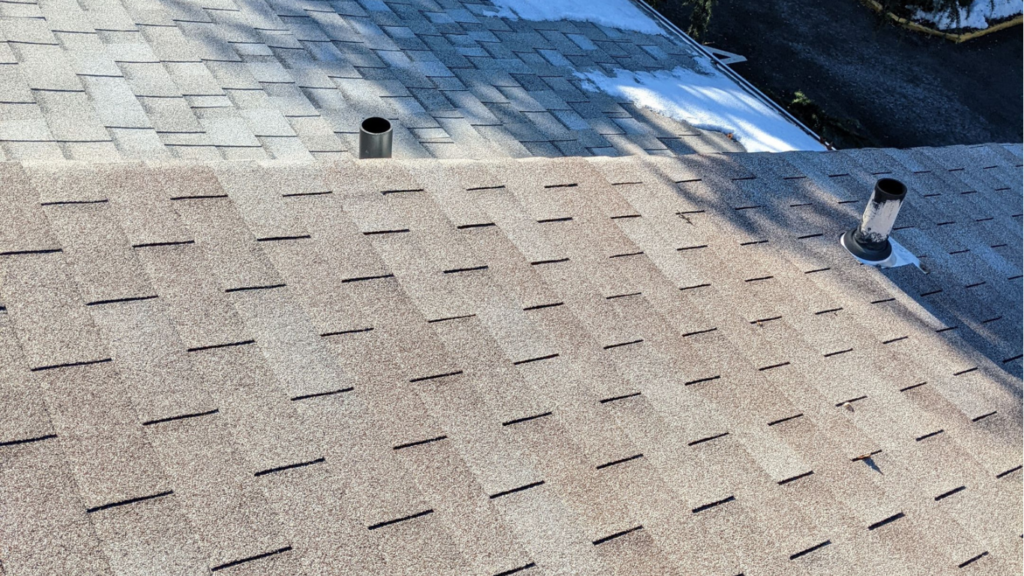
Cracking, curling, blistering, missing pieces, and wear
Flashing and penetrations
Chimneys, vents, skylights, and valleys are leakClean areas
Roof decking
Soft spots or structural weakness
Underlayment condition
Moisture protection integrity
Ventilation systems
Airflow balance and moisture control
Gutters and drainage
Clogs, slope issues, or detachment
Attic interior
Insulation, condensation, and leaks
Maintaining proper roof inspection frequency ensures these components remain in optimal condition.
Roof Inspection Frequency by Roofing Material
Different roofing materials age at different rates. Arlington homeowners should adjust inspection frequency accordingly.
Asphalt shingles:
Inspect twice per year after year 5
Architectural shingles:
Twice yearly after year 8
Metal roofing:
Every 2 years, plus storm inspections
Slate roofing:
Every 1–2 years
Wood shake:
Annually due to moisture risk
Flat roofing:
Twice per year minimum
Material type directly affects ideal roof inspection frequency and maintenance planning.
Seasonal Roof Inspection Checklist for Arlington Homes
Following seasonal inspection patterns helps maintain optimal roof health.
Spring Inspection Focus
- Winter damage
- Ice or snow stress
- Flashing separation
- Shingle cracking
- Gutter debris
Summer Inspection Focus
- Heat blistering
- UV damage
- Ventilation performance
- Sealant deterioration
Fall Inspection Focus
- Leaf accumulation
- Drainage flow
- Pre-winter readiness
- Loose shingles
Winter Visual Checks
- Ice dams
- Snow load
- Icicle formation
- Interior leaks
Seasonal awareness supports proper roof inspection frequency year-round.
Roof Inspection Frequency for Storm-Prone Areas
Arlington occasionally experiences strong thunderstorms and high winds. After severe weather events, immediate inspection is recommended.
Storm-related risks include:
- Wind-lifted shingles
- Impact damage
- Flashing displacement
- Debris punctures
- Tree branch impact
- Hidden water intrusion
Storm damage is often subtle but worsens quickly. Maintaining responsive roof inspection frequency after storms prevents escalating repairs.
How Roof Inspections Extend Roof Lifespan
Regular inspections significantly extend roofing longevity. Small repairs identified early prevent widespread deterioration.
Benefits include:
- Preventing moisture penetration
- Stopping rot progression
- Maintaining structural integrity
- Preserving insulation efficiency
- Protecting underlayment
- Preventing deck damage
Homes with proper roof inspection frequency often gain 5–10 additional years of roof life.
Cost Savings of Proper Roof Inspection Frequency
Routine inspections cost far less than major repairs or replacement. Early detection avoids structural damage and interior restoration expenses.
Financial advantages include:
- Lower repair costs
- Avoided emergency services
- Prevented interior damage
- Insurance claim support
- Extended replacement timeline
- Energy savings
Consistent roof inspection frequency is one of the most cost-effective home maintenance strategies.
Roof Inspection Frequency and Insurance Requirements
Many insurance providers expect homeowners to maintain their roof. Neglect may lead to claim denial or reduced coverage.
Insurers often consider:
- Roof age
- Maintenance history
- Inspection documentation
- Visible neglect
- Storm preparedness
Maintaining documented roof inspection frequency helps homeowners prove responsible upkeep and supports claims if damage occurs.
DIY vs Professional Roof Inspections
Some homeowners perform basic visual checks, but professional inspections provide deeper evaluation and safety.
DIY inspections include:
- Ground-level viewing
- Binocular checks
- Attic observation
- Gutter inspection
Professional inspections include:
- Roof-surface access
- Structural evaluation
- Flashing assessment
- Moisture detection
- Detailed reporting
Combining both approaches supports optimal roof inspection frequency and protection.
Roof Inspection Frequency for Older Arlington Homes
Arlington has many historic and older homes with aging roofing systems. These properties require more frequent inspection due to:
- Aged materials
- Structural settling
- Outdated ventilation
- Historic construction methods
- Tree proximity
For roofs over 20 years old, experts recommend annual or semi-annual roof inspection frequency regardless of visible condition.
Common Roof Problems Found During Inspections
Painter Roofing commonly identifies these issues during Arlington inspections:
- Nail pops
- Shingle granule loss
- Flashing corrosion
- Sealant failure
- Vent boot cracking
- Moss growth
- Deck softening
- Improper repairs
- Drainage issues
Routine roof inspection frequency ensures these problems are addressed early.
How Tree Coverage Affects Roof Inspection Frequency
Many Arlington neighborhoods feature mature trees, which increase roof risks:
- Falling branches
- Leaf accumulation
- Moss growth
- Shade moisture retention
- Gutter clogging
Homes under tree canopy benefit from higher roof inspection frequency to prevent hidden deterioration.
Roof Inspection Frequency for New Roofs
Even newly installed roofs need monitoring. Early inspections confirm proper installation and detect defects.
Recommended schedule:
- 6–12 months after installation
- After first major storm
- Then regular cycle
Maintaining early roof inspection frequency protects warranty coverage.
Preparing for a Professional Roof Inspection
Homeowners can help streamline inspections by:
- Clearing attic access
- Reporting known leaks
- Noting storm history
- Providing roof age info
- Clearing debris near home
Preparation improves inspection accuracy and supports proper roof inspection frequency planning.
Why Choose Painter Roofing for Roof Inspections in Arlington, VA
Painter Roofing is a trusted local expert serving Arlington and surrounding communities. Our inspection services are tailored to regional conditions and homeowner needs.
We provide:
- Comprehensive roof evaluations
- Storm damage assessment
- Preventive maintenance plans
- Detailed inspection reports
- Honest recommendations
- Local climate expertise
Our team understands the importance of proper roof inspection frequency and helps homeowners protect their roofs long-term.
Creating a Roof Inspection Schedule for Your Home
Every home has unique inspection needs based on:
- Roof age
- Material type
- Tree exposure
- Storm history
- Home value
- Insurance requirements
Painter Roofing helps Arlington homeowners develop customized roof inspection frequency plans for optimal protection.
Final Thoughts: Protect Your Home with Proper Roof Inspection Frequency
Your roof quietly protects your home every day. Yet without routine inspections, hidden damage can grow into serious structural problems.
Maintaining consistent roof inspection frequency is one of the smartest ways Arlington homeowners can protect their investment, prevent costly repairs, and extend roof lifespan. With seasonal weather, tree coverage, and storm exposure common in Northern Virginia, inspections are not optional—they are essential.
If your roof hasn’t been inspected recently, now is the ideal time to schedule a professional evaluation and ensure your home remains safe, efficient, and protected year-round.