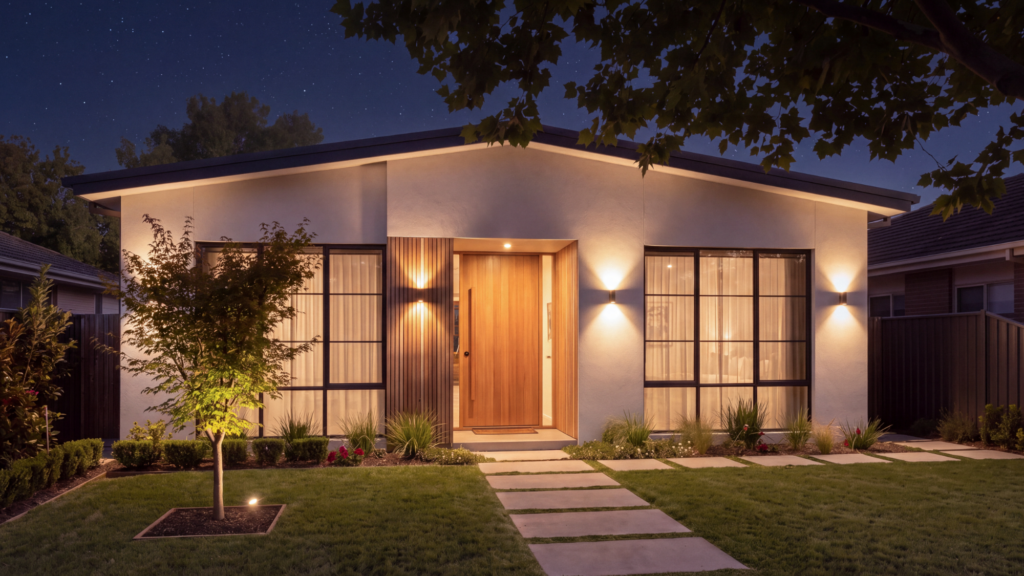
Exterior lighting can make a significant difference in the appearance, safety, and functionality of a home. Well-planned lighting can illuminate walkways, highlight architectural features, improve visibility around entrances, and make outdoor areas more comfortable to use after dark. For homeowners in Arlington, VA, and surrounding Northern Virginia communities, the right lighting system can also complement other exterior improvements such as roofing, siding, windows, doors, patios, decks, and landscaping.
Professional exterior lighting installation involves more than choosing attractive fixtures and placing them around a property. The location, wiring, fixture type, weather exposure, controls, mounting surfaces, and electrical requirements all need to be considered. Proper planning can help create a lighting system that performs reliably while complementing the home’s exterior.
Understanding Exterior Lighting Installation
Exterior lighting installation involves planning, installing, positioning, and connecting lighting fixtures designed for outdoor use. These systems can include wall-mounted lights, pathway lights, entryway fixtures, landscape lighting, security lighting, deck lighting, patio fixtures, and other outdoor illumination.
Outdoor lighting needs to withstand weather exposure. Fixtures installed outside must be appropriate for moisture, temperature changes, and other environmental conditions.
A professional exterior lighting installation plan considers the property’s layout and the purpose of each fixture. Lighting intended to illuminate a walkway will have different requirements from lighting designed to highlight architectural details or provide security around a garage.
Benefits of Exterior Lighting Installation
Outdoor lighting can provide several benefits for homeowners.
Improved Visibility
Lighting can make entrances, walkways, stairs, driveways, and outdoor living spaces easier to navigate after dark.
Good visibility can be especially helpful around areas where changes in elevation or uneven surfaces may otherwise be difficult to see.
Increased Outdoor Safety
Illuminating frequently used areas can reduce the likelihood of trips and falls. Lighting stairs, pathways, and entry points can make it easier for residents and visitors to move around the property safely.
Enhanced Home Security
Exterior lighting can improve visibility around doors, windows, garages, and other areas of the property.
Motion-activated lighting can also illuminate areas when movement is detected, helping homeowners monitor activity around the home.
Improved Curb Appeal
Exterior lighting can highlight landscaping, architectural details, entryways, and other attractive features of the property.
A well-designed lighting system can make a home look inviting in the evening without overwhelming the property’s appearance.
Extended Outdoor Living
Patios, decks, porches, and other outdoor areas can become more usable after sunset when appropriate lighting is installed.
This can make it easier for homeowners to spend time outdoors during evenings throughout much of the year.
Planning an Exterior Lighting Installation
Successful exterior lighting installation begins with planning. Homeowners should consider the areas that need illumination and the purpose of each fixture.
A lighting plan may include:
- Front entry lighting
- Walkway lighting
- Driveway lighting
- Garage lighting
- Patio lighting
- Deck lighting
- Landscape lighting
- Security lighting
- Architectural lighting
- Stair lighting
- Fence lighting
- Backyard lighting
Each area may require a different fixture style, brightness level, mounting method, or control system.
The goal should be balanced illumination rather than simply installing as many lights as possible.
Front Entry Lighting
The front entrance is one of the most important areas to consider during an exterior lighting installation.
Entry lighting can improve visibility around the front door while also creating an attractive focal point.
Wall-mounted fixtures can illuminate the doorway, house numbers, steps, and surrounding areas.
Homeowners should consider the size of the entrance and the architectural style of the home when selecting fixtures. Lighting that is too small may not provide sufficient illumination, while oversized fixtures can overpower the entryway.
The placement of fixtures is also important. Lights should provide useful illumination without creating excessive glare for people approaching the door.
Walkway and Path Lighting
Walkway lighting can improve visibility along paths leading to entrances, patios, driveways, and other outdoor areas.
Pathway fixtures are typically positioned along walkways to provide low-level illumination without creating excessive brightness.
Spacing should provide consistent visibility rather than creating isolated bright spots separated by dark areas.
Professional exterior lighting installation can help homeowners determine appropriate fixture placement based on the length, width, and design of the walkway.
Driveway and Garage Lighting
Driveways can become difficult to navigate after dark, particularly when they are long, curved, or bordered by landscaping.
Lighting can help define driveway edges and improve visibility near garage doors.
Garage-mounted lighting can also illuminate areas where homeowners enter and exit vehicles.
Motion-activated fixtures can provide additional convenience by turning on when movement is detected.
Patio and Deck Lighting
Outdoor living spaces can benefit substantially from carefully planned lighting.
Deck and patio lighting may include:
- Wall-mounted fixtures
- Step lights
- Recessed lighting
- String-style decorative lighting
- Post lights
- Under-rail lighting
- Landscape fixtures
The lighting should provide enough illumination for comfortable use while maintaining the atmosphere of the outdoor space.
An exterior lighting installation can combine functional and decorative fixtures to create an outdoor environment that remains useful after sunset.
Landscape Lighting
Landscape lighting can highlight trees, gardens, shrubs, retaining walls, and other features around a property.
Different techniques can create different visual effects.
Uplighting can emphasize trees or architectural elements from below. Downlighting can provide illumination from elevated locations. Pathway fixtures can define walkways, while accent lighting can draw attention to specific landscaping features.
The goal should be intentional illumination rather than lighting every part of the yard equally.
Security Lighting
Security lighting is another important component of exterior lighting.
Fixtures can illuminate areas around:
- Entry doors
- Garage doors
- Side yards
- Driveways
- Backyard entrances
- Gates
- Windows
- Walkways
Motion sensors can activate lights when movement is detected.
A well-designed system can improve visibility around the property while reducing the need to keep every outdoor light operating continuously.
Motion-Activated Exterior Lighting
Motion-activated fixtures can provide both convenience and security.
Instead of remaining on throughout the night, these lights activate when movement is detected within the sensor’s range.
Motion lighting can be particularly useful around:
- Garages
- Side entrances
- Driveways
- Back doors
- Walkways
- Storage areas
Sensor placement should be carefully considered to avoid unnecessary activation from passing vehicles, animals, or other movement outside the intended area.
Choosing Exterior Lighting Fixtures
Fixture selection is an important part of exterior lighting installation.
Homeowners should consider:
- Fixture durability
- Weather resistance
- Lighting output
- Energy efficiency
- Mounting requirements
- Appearance
- Maintenance needs
- Compatibility with existing electrical systems
Outdoor fixtures should be designed for exterior conditions. Indoor fixtures should not simply be moved outdoors because they may not have the necessary protection against moisture and environmental exposure.
LED Exterior Lighting
LED technology has become a popular option for outdoor lighting.
LED fixtures can provide efficient illumination and are available in many shapes, sizes, brightness levels, and color temperatures.
LED lighting can be used for:
- Pathways
- Entryways
- Security fixtures
- Landscape lighting
- Decks
- Patios
- Architectural accents
The appropriate LED fixture depends on the location and purpose of the lighting.
Energy Efficiency and Exterior Lighting
Homeowners can improve outdoor lighting efficiency by selecting appropriate fixtures and controls.
Timers, motion sensors, and smart controls can prevent lights from operating unnecessarily.
LED fixtures can also provide efficient illumination compared with many older lighting technologies.
A professional exterior lighting installation can incorporate controls that allow homeowners to manage when and how outdoor fixtures operate.
Smart Exterior Lighting
Smart lighting systems can provide homeowners with additional control over outdoor fixtures.
Depending on the system, homeowners may be able to:
- Schedule lights
- Control fixtures remotely
- Adjust lighting levels
- Use motion sensors
- Create automated routines
- Integrate lighting with other smart-home devices
Smart controls can be particularly useful for homeowners who want outdoor lighting to operate automatically according to a schedule.
Exterior Lighting and Home Security
Lighting should be considered as one component of a broader home security strategy.
Well-placed illumination can make exterior areas easier to monitor. It can also help residents see activity around entrances and other areas of the property.
Security lighting should be positioned carefully so that it provides useful visibility without producing excessive glare.
Lighting should complement other security measures rather than being treated as a complete security system on its own.
Exterior Lighting Around Doors and Windows
Doors and windows are important areas to illuminate because they are frequently used and can benefit from improved nighttime visibility.
Entry lighting can make it easier to identify visitors, locate keys, and see steps or thresholds.
Lighting around windows can also improve visibility along the sides of the home.
When installing fixtures around exterior walls, the mounting surface and existing siding or masonry should be considered carefully to avoid creating unnecessary damage.
Exterior Lighting and Roofing
Roofing and exterior lighting may intersect in several areas of the home.
Fixtures may be mounted near rooflines, under eaves, around porches, or near other exterior architectural features.
Any installation involving roofing materials should be handled carefully to avoid compromising water-shedding components.
Improperly installed fixtures, fasteners, or penetrations can potentially create pathways for water intrusion.
For this reason, an exterior lighting installation should take the home’s roofing and exterior envelope into account when fixtures are positioned near roof-related components.
Exterior Lighting and Siding
Siding provides another important consideration for outdoor fixtures.
Different siding materials have different installation requirements. Vinyl, fiber cement, wood, and other siding systems may require appropriate mounting techniques.
Fixtures should be securely mounted without creating unnecessary gaps or openings that could allow moisture behind the siding.
Careful installation helps preserve both the appearance and weather-resistant performance of the exterior.
Exterior Lighting Around Porches and Overhangs
Covered porches and roof overhangs can provide useful locations for exterior fixtures.
Recessed fixtures, ceiling-mounted lights, wall sconces, and other options can provide illumination while maintaining a clean appearance.
Lighting under overhangs can also help illuminate entrances without exposing fixtures directly to as much weather as completely exposed locations.
The structural and electrical characteristics of the installation area should be evaluated before work begins.
Exterior Lighting and Arlington, VA Homes
Arlington homes vary widely in architectural style, property size, landscaping, and exterior materials. An effective lighting design should complement the home’s individual characteristics.
Some properties may benefit from simple entry and pathway lighting, while others may need a more comprehensive system covering patios, driveways, landscaping, and security areas.
Northern Virginia weather also makes fixture durability important. Outdoor lighting systems need to withstand rain, temperature changes, humidity, and other environmental conditions.
Painter Roofing works with homeowners throughout Arlington and surrounding areas on exterior improvements and maintenance needs.
Common Exterior Lighting Installation Mistakes
Even attractive lighting systems can perform poorly when installation is not properly planned.
Using Too Many Fixtures
More lighting does not automatically mean better lighting. Excessive fixtures can create glare and make outdoor areas appear overly bright.
Creating Uneven Illumination
Large differences between bright and dark areas can make outdoor spaces less comfortable to navigate.
Ignoring Fixture Placement
Fixtures should be positioned based on what they are intended to illuminate.
Choosing Indoor Fixtures
Outdoor environments require fixtures designed for exterior conditions.
Neglecting Wiring
Outdoor electrical wiring requires appropriate protection and installation practices.
Forgetting Maintenance Access
Fixtures should be positioned where they can be serviced when necessary.
Ignoring Existing Exterior Materials
Mounting fixtures without considering siding, roofing, masonry, or trim can lead to installation problems.
Professional Exterior Lighting Installation
Professional exterior lighting installation can help homeowners avoid many common planning and installation problems.
A professional approach can address:
- Fixture placement
- Electrical requirements
- Weather exposure
- Mounting surfaces
- Lighting coverage
- Energy efficiency
- Controls
- Safety
- Integration with existing exterior features
Professional installation is particularly valuable when a project involves new electrical circuits, multiple fixtures, elevated mounting locations, or integration with existing electrical systems.
Exterior Lighting Maintenance
Outdoor lighting requires periodic maintenance to continue operating effectively.
Homeowners should periodically inspect fixtures for:
- Dirt and debris
- Damaged housings
- Loose mounting
- Water intrusion
- Corrosion
- Burned-out bulbs
- Damaged wiring
- Misalignment
Landscape growth can also obstruct fixtures over time. Plants may need to be trimmed to keep light directed toward its intended area.
Seasonal Exterior Lighting Maintenance
Seasonal changes can affect outdoor lighting.
Spring maintenance may involve cleaning fixtures and checking for winter-related damage.
Summer maintenance can include trimming vegetation and checking fixtures after severe storms.
Fall maintenance may involve removing leaves and debris from fixtures.
Winter maintenance should focus on safe observation and avoiding unnecessary contact with fixtures covered by ice or snow.
Regular maintenance helps preserve the effectiveness of an exterior lighting installation throughout the year.
Exterior Lighting and Curb Appeal
Outdoor lighting can make a home more visually appealing after sunset.
Architectural lighting can highlight columns, rooflines, stonework, siding details, entryways, or other design elements.
Landscape lighting can add depth to gardens and outdoor spaces.
The most attractive lighting systems typically use subtle illumination rather than overwhelming brightness.
A thoughtful exterior lighting installation should support the home’s architecture instead of competing with it.
Choosing Lighting Color Temperature
Color temperature can influence the atmosphere created by exterior lighting.
Warmer lighting can create a comfortable and welcoming appearance around entryways, patios, and entertaining areas.
Cooler lighting may be useful in certain security or utility applications where clear visibility is a priority.
Using consistent color temperatures across related areas can create a more cohesive appearance.
Lighting Controls and Automation
Controls can make outdoor lighting easier to manage.
Common control options include:
- Wall switches
- Timers
- Photocells
- Motion sensors
- Smart switches
- Mobile applications
- Automated schedules
Photocells can activate lights based on ambient light levels, while timers can operate fixtures according to predetermined schedules.
Smart systems may provide additional flexibility for homeowners who want to adjust lighting remotely.
Exterior Lighting Installation and Property Value
Exterior improvements can contribute to the overall appearance and functionality of a home.
While lighting alone should not be viewed as a guaranteed increase in property value, attractive and functional outdoor lighting can improve curb appeal and make exterior spaces more usable.
Lighting can also complement other improvements such as updated siding, roofing, windows, doors, landscaping, patios, and decks.
Combining Exterior Lighting With Other Exterior Improvements
Exterior lighting works particularly well when planned alongside other property improvements.
For instance, new entry doors can be complemented with updated entry lighting. A renovated patio can benefit from deck or landscape fixtures. New landscaping can be enhanced with strategically placed accent lights.
Similarly, improvements to siding, roofing, windows, or other exterior components may create opportunities to reconsider existing fixture placement.
Coordinating these improvements can produce a more cohesive exterior appearance.
Safety Considerations for Exterior Lighting Installation
Outdoor electrical work should always be approached carefully.
Moisture, exposed wiring, improper connections, damaged fixtures, and unsuitable equipment can create electrical hazards.
Homeowners should avoid attempting electrical work beyond their knowledge or experience.
Professional installation can help ensure that fixtures and electrical components are installed appropriately for their intended outdoor environment.
Fixtures should also be positioned safely away from areas where they could become damaged by vehicles, lawn equipment, or other routine activities.
Working With Painter Roofing
Painter Roofing serves homeowners in Arlington, VA, and surrounding Northern Virginia areas with exterior improvement and maintenance services.
For homeowners planning exterior lighting installation, the project should be considered as part of the property’s complete exterior system. Roofing, siding, doors, windows, trim, drainage, and other components can all influence where fixtures are installed and how the finished project looks.
Painter Roofing can help homeowners coordinate exterior improvement needs and maintain the condition of important components surrounding the home.
Developing a Practical Exterior Lighting Plan
A successful lighting plan starts with identifying the property’s most important areas.
Homeowners can begin by considering:
- Main entrances
- Walkways and stairs
- Driveways
- Garages
- Patios and decks
- Landscaping
- Security-sensitive areas
- Architectural features
- Areas that are frequently used after dark
From there, the appropriate fixture types and control methods can be selected.
The objective should be useful, attractive illumination that complements the property.
Long-Term Benefits of Exterior Lighting
A well-designed lighting system can provide benefits for years when fixtures are properly selected and maintained.
Outdoor lighting can improve nighttime visibility, enhance curb appeal, support outdoor living, and contribute to a more comfortable residential environment.
Durable fixtures, efficient lighting technology, appropriate controls, and professional installation can help homeowners get more value from their investment.
Regular maintenance also helps prevent small fixture problems from developing into larger electrical or exterior issues.
Final Thoughts on Exterior Lighting Installation
A thoughtfully planned exterior lighting installation can improve several aspects of a home’s exterior. From illuminating walkways and entry doors to highlighting landscaping and improving visibility around garages, outdoor lighting can make a property safer, more functional, and more attractive.
For homeowners in Arlington, VA, and surrounding areas, exterior lighting should be selected with local weather conditions, exterior materials, property layout, and long-term maintenance in mind.
Professional planning can help ensure that fixtures are placed effectively and installed appropriately for outdoor conditions. Homeowners should also consider how lighting interacts with roofing, siding, doors, windows, patios, decks, landscaping, and other exterior components.