Weather plays a major role in the success of a residential roofing project. From temperature changes and rainfall to strong winds, humidity, and seasonal storms, outdoor conditions can influence how roofing materials are handled, installed, and secured. Homeowners planning a new roof should understand that the weather can affect both the installation schedule and the quality of the finished roofing system.
A roofing project requires careful preparation, proper material selection, and attention to the conditions present throughout the installation. Even when a contractor has planned the work in advance, unexpected weather may require adjustments to protect the home and the installation crew.
For homeowners in Arlington, VA and the Surrounding Areas, weather-related considerations are especially important. The region experiences warm summers, colder winters, seasonal rainfall, and occasional severe storms. These changing conditions can create different challenges depending on when a roofing project takes place.
This guide explains how different weather factors affect roof installation, why scheduling flexibility matters, and how professional roofing practices help maintain installation quality.
Understanding the Importance of Weather During Roof Installation
Roof installation is an outdoor construction project that depends on suitable working conditions. Roofing materials must be handled and installed correctly, the roof surface must be appropriately prepared, and workers need a safe environment to complete each stage.
Weather can influence several aspects of the project, including:
- Roofing material handling
- Shingle placement and sealing
- Adhesive performance
- Underlayment installation
- Roof deck moisture
- Worker safety
- Project scheduling
- Temporary roof protection
- Overall installation quality
The impact of weather varies according to the roofing material and the type of work being performed. Asphalt shingles, metal panels, synthetic underlayment, adhesives, and sealants may have different installation requirements.
For this reason, weather conditions affect roof installation and should be evaluated before work begins and monitored throughout the project. A suitable installation day is not determined by temperature alone. Rainfall, wind, humidity, surface moisture, and the expected weather for the remainder of the day also matter.
Professional roofers consider these factors when deciding whether to proceed with installation, adjust the work schedule, or temporarily pause operations.
How Temperature Affects Roof Installation
Temperature is one of the most important weather factors influencing roofing projects. Both extremely cold and excessively hot conditions can affect roofing materials and the installation process.
Installing a Roof During Cold Weather
Cold weather can create challenges for certain roofing materials, particularly asphalt shingles and products that rely on adhesives or sealants.
Asphalt shingles may become less flexible when temperatures are low. This can make them more difficult to handle and position without causing damage. Some adhesive products may also require warmer conditions to bond properly.
When shingles are installed during colder weather, their self-sealing strips may not immediately bond as they would under warmer conditions. Sunlight and suitable temperatures can help activate these seals, but the process may take longer.
Cold temperatures can also affect:
- Adhesive consistency
- Sealant application
- Material flexibility
- Worker dexterity
- Surface conditions
- Installation speed
A professional roofing contractor evaluates the specific material requirements before beginning cold-weather installation. Some roofing systems may be installed under cooler conditions when appropriate precautions are taken, while others may require postponement.
Installing a Roof During Hot Weather
Hot weather presents a different set of challenges.
During summer, roof surfaces can become significantly hotter than the surrounding air. Asphalt shingles and metal roofing materials may absorb substantial heat from direct sunlight.
High temperatures can make some roofing materials softer or more susceptible to surface damage during handling. Adhesives and sealants may also behave differently when exposed to intense heat.
Workers may experience fatigue, dehydration, and reduced concentration when working on hot roof surfaces. These conditions can affect productivity and increase safety concerns.
Roofing crews may adjust their work schedules to perform certain activities during cooler portions of the day. Proper hydration, rest breaks, and heat management are also important.
When evaluating weather conditions affect roof installation, contractors should consider both the air temperature and the actual conditions on the roof.
Why Moderate Temperatures Can Be Beneficial
Moderate temperatures often provide favorable working conditions for residential roofing.
Materials may be easier to handle, adhesives can perform more consistently, and workers may be able to maintain a steady installation pace.
However, there is no single temperature range that applies to every roofing product. Homeowners should understand that the appropriate installation conditions depend on the selected materials and the manufacturer’s recommendations.
How Rain Affects Roof Installation Projects
Rain is one of the most common reasons roofing projects are delayed.
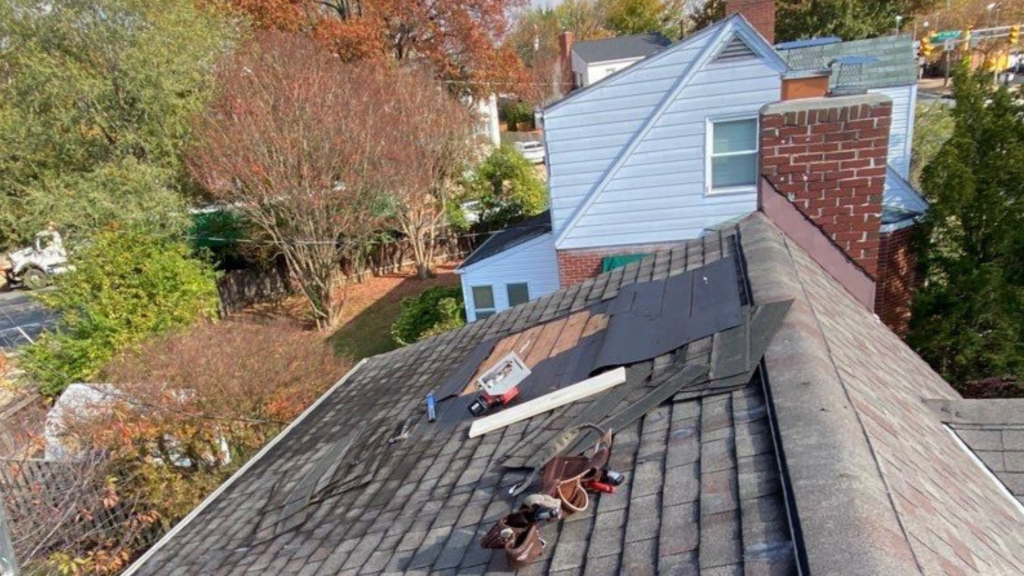
A roof installation involves exposing portions of the existing roof during material removal and preparation. If rain occurs while the roof is uncovered, moisture can enter the home or affect the materials being installed.
Wet Roof Surfaces Create Safety Concerns
Rain can make shingles, roof decking, ladders, and other surfaces slippery.
Wet conditions reduce traction and increase the possibility of slips and falls. Even light rainfall or lingering moisture can make a roof unsuitable for certain activities.
Roofing crews must evaluate the surface before continuing work after rainfall.
Rain Can Affect Roofing Material Installation
Many roofing materials require a dry surface for proper installation.
Moisture can interfere with adhesives, sealants, and certain protective layers. Installing materials over a wet roof deck may also create concerns about trapped moisture.
For example, underlayment and shingles should be installed according to the product’s requirements. A damp surface may interfere with proper application and can contribute to installation problems.
Protecting the Home During Rain
When a roofing project is underway, the contractor must have a plan for protecting exposed areas.
Temporary coverings may be used to shield portions of the roof from rain when appropriate. These coverings need to be secured carefully and monitored as weather changes.
Homeowners should ask their roofing contractor how unfinished roof sections will be protected if rain develops unexpectedly.
Why Rain-Related Delays Matter
A rain delay may seem inconvenient, especially when homeowners have already arranged their schedules around the project.
However, postponing installation during unsuitable conditions can help prevent moisture-related problems and protect the quality of the finished roof.
Weather conditions affect roof installation by determining when roofing crews can safely work and when materials can be properly applied. Contractors should account for the possibility of precipitation throughout the installation window, not only at the beginning of the workday.
The Impact of Wind on Roofing Projects
Wind can affect both worker safety and roofing material installation.
Roofing materials are often lightweight and may be difficult to control when exposed to strong gusts. Shingles, underlayment, metal panels, insulation, and temporary coverings can all be affected by wind.
Wind Can Make Material Handling Difficult
Large roofing materials can catch the wind while being carried or positioned.
This is particularly important when installing metal panels or handling large sheets of underlayment. Wind may cause materials to shift unexpectedly, making placement more difficult.
Strong gusts can also interfere with the movement of tools and equipment around the roof.
Wind Can Affect Shingle Installation
Asphalt shingles must be positioned and secured properly.
Strong wind can interfere with alignment and may lift materials before they are fully secured. During installation, certain shingles may not yet have developed their intended adhesive bond.
The contractor must consider wind speed, gusts, roof height, and the type of material being installed.
Wind and Worker Safety
Roofing crews work at elevated heights, where wind can affect balance and material control.
Strong winds can create dangerous conditions, particularly when workers are carrying roofing materials or working near roof edges.
When wind becomes unsuitable for the work being performed, the crew may need to stop installation until conditions improve.
Protecting Roofing Materials
Roofing materials should be secured and stored appropriately during windy weather.
Loose materials can become displaced, potentially damaging the property or creating hazards around the jobsite.
A professional roofing contractor considers wind exposure when planning material delivery, storage, and installation.
How Humidity Influences Roof Installation
Humidity is another important factor in roof installation weather conditions.
High humidity can affect the drying and curing process of certain adhesives, sealants, and coatings. It may also contribute to moisture forming on roofing surfaces when temperatures change.
Adhesive and Sealant Performance
Some roofing products rely on adhesives or sealants to create secure connections.
Depending on the product, high humidity may influence drying or curing times. If the material is applied under unsuitable conditions, the installation may not perform as intended.
The contractor should follow the product’s installation recommendations to determine whether humidity is acceptable.
Surface Condensation
Condensation can form when a surface becomes cooler than the surrounding air’s dew point.
This may occur during certain weather conditions, including early mornings or periods of high humidity.
Moisture on the roof deck or roofing materials can interfere with installation. The contractor should verify that the surface is suitable before applying moisture-sensitive products.
Humidity and Moisture Management
Homeowners should also understand that humidity can affect the home’s attic and roof system over time.
Proper ventilation, insulation, and moisture management help support roof performance.
During a new roof installation, the contractor may review the existing ventilation system and discuss improvements when appropriate.
The Effects of Storms on Roof Installation
Severe weather can significantly interrupt a roofing project.
Thunderstorms, lightning, heavy rainfall, hail, and strong winds can create hazardous conditions for workers and may damage roofing materials or exposed portions of the home.
Thunderstorms and Lightning
Roofing crews should not continue elevated outdoor work during lightning conditions.
Thunderstorms can develop quickly, especially during warmer months. Contractors need to monitor weather forecasts and changing conditions throughout the day.
If a storm approaches, the crew may need to stop work and move to a safer location.
Hail and Roofing Materials
Hail can damage roofing materials depending on the size and intensity of the hailstones and the type of roof covering.
If hail occurs during a project, the contractor may need to inspect installed sections for visible damage before continuing.
Homeowners should avoid assuming that newly installed roofing materials are unaffected simply because the storm was brief.
Severe Wind and Rain
Severe storms may affect temporary coverings, stored materials, and unfinished roof sections.
After a storm, the contractor should evaluate the condition of the roof and work area before resuming installation.
The roof may need to be checked for displaced materials, moisture intrusion, or other concerns.
Seasonal Weather Considerations in Arlington, VA
Homeowners in Arlington, VA and the Surrounding Areas experience changing weather throughout the year. Each season can present different opportunities and challenges for roofing installation.
Spring Roof Installation
Spring can provide moderate temperatures that are suitable for many roofing materials.
However, spring weather may also include frequent rain showers, thunderstorms, and changing temperatures.
Contractors must consider the forecast carefully when scheduling a spring roofing project.
A dry installation window can help support efficient work and reduce the risk of moisture-related delays.
Summer Roof Installation
Summer often provides longer daylight hours, which may allow more time for roofing work.
However, high temperatures and direct sunlight can make roof surfaces extremely hot.
Heat management becomes especially important during summer installation. Roofing crews may adjust their schedules to reduce exposure during the hottest parts of the day.
Summer thunderstorms can also interrupt projects, making weather monitoring essential.
Fall Roof Installation
Fall is often a favorable season for residential roofing because temperatures may be more moderate.
Homeowners may prefer to complete roofing projects before colder weather arrives.
However, fall can also bring rainfall, wind, and fluctuating temperatures. Contractors should evaluate current conditions rather than assuming every fall day is suitable.
Winter Roof Installation
Winter roofing projects can involve additional challenges.
Cold temperatures, frost, ice, snow, and shorter daylight hours may affect installation conditions.
Some roofing materials may be more difficult to handle in cold weather, and adhesives or sealants may require specific temperature conditions.
Winter installation may still be possible for certain roofing systems when appropriate conditions and precautions are available. The decision should depend on the selected materials, weather, and roof conditions.
How Weather Affects Different Roofing Materials
Different roofing materials respond differently to outdoor conditions.
Selecting a suitable roofing system is an important part of planning a complete roof installation.
Asphalt Shingles
Asphalt shingles are a popular residential roofing material.
Cold temperatures may affect their flexibility and sealing process, while hot weather may make them more susceptible to surface damage during handling.
Rain and moisture can interfere with installation if the roof surface is not dry.
Proper material handling and installation practices help support the performance of asphalt shingles.
Metal Roofing
Metal roofing panels can be affected by wind during installation because their size and shape may make them difficult to control.
Hot weather can also make metal surfaces uncomfortable to handle without appropriate precautions.
Temperature changes may cause metal materials to expand or contract. The roofing system should be installed with the appropriate connections and details to accommodate these movements.
Slate Roofing
Slate is a natural roofing material that requires specialized handling.
Weather conditions can affect worker safety and the handling of individual slate pieces.
Wet or icy surfaces are especially concerning during slate installation because the material is installed on sloped roof sections.
A roofing contractor should evaluate the weather and roof conditions carefully before proceeding.
Flat Roofing Materials
Flat and low-slope roofing systems may use TPO, EPDM, PVC, or modified bitumen.
These materials can have specific temperature, moisture, adhesive, and seam-installation requirements.
For example, some membranes rely on heat-welded seams, while others use adhesives or self-adhered layers.
Weather conditions must be suitable for the particular roofing system being installed.
How Weather Can Affect Roofing Project Timelines
Weather can influence the duration of a roofing project.
A contractor may plan to complete installation within a certain timeframe, but changing conditions can affect the schedule.
Rain-Related Delays
Rain may prevent crews from removing old roofing materials or installing new ones.
If the roof surface becomes wet, the contractor may need to wait until it is dry and suitable for work.
Wind-Related Delays
Strong winds can make material handling and installation unsafe.
The contractor may need to postpone certain tasks until wind conditions improve.
Temperature-Related Delays
Some roofing products require specific temperature ranges for installation.
If the temperature is too high or too low, the contractor may need to adjust the schedule.
Unexpected Weather Changes
Weather forecasts are helpful, but conditions can change throughout the day.
A roofing crew may begin work under favorable conditions and later encounter unexpected rain or wind.
Contractors should maintain a flexible schedule and communicate changes to homeowners.
Weather-related delays are not necessarily a sign of poor project management. In many situations, adjusting the schedule helps protect the home and the quality of the installation.
Preparing Your Home for Weather-Related Roofing Delays
Homeowners can take several steps to prepare for a roofing project that may be affected by weather.
Maintain Communication with the Contractor
Before installation begins, homeowners should discuss the expected schedule and how weather-related changes will be communicated.
Knowing who to contact can help reduce confusion if the installation date changes.
Protect Outdoor Items
Outdoor furniture, grills, decorations, and other items should be moved away from the roofing work area.
These items may need additional protection if wind or rain is expected.
Plan for Noise and Activity
Roof installation can involve significant noise and movement around the property.
Homeowners should plan accordingly, especially if children, pets, or individuals working from home may be affected.
Understand Temporary Roof Protection
Ask the contractor how exposed areas will be protected if weather interrupts the installation.
Temporary coverings and other protective measures may be necessary during certain stages of the project.
Allow Schedule Flexibility
Homeowners should avoid assuming that roofing work will always begin or finish on a specific day.
Weather can affect the installation window, and a flexible schedule can make the project easier to manage.
Why Professional Weather Monitoring Matters
Professional roofing contractors evaluate weather conditions before and during installation.
This process helps determine whether the planned work can proceed safely and whether the materials can be installed under suitable conditions.
Reviewing Weather Forecasts
Contractors may review local forecasts for rainfall, temperature, wind, and severe weather.
Forecasts help identify potential installation windows and provide information about changing conditions.
Monitoring Conditions at the Property
Conditions at the property may differ from the general forecast.
Roof height, exposure, surrounding structures, and surface moisture can influence the actual working environment.
A contractor should assess the roof itself before deciding whether to proceed.
Adjusting the Installation Schedule
When conditions become unsuitable, the contractor may change the work sequence or postpone installation.
This helps prevent unnecessary risks and supports the quality of the completed roof.
Protecting Materials and Work Areas
Weather monitoring also helps contractors plan material storage and protect unfinished sections.
Roofing materials should be kept in suitable conditions according to the manufacturer’s recommendations.
Common Mistakes Homeowners Should Avoid
Homeowners should be aware of several mistakes that can affect a roofing project.
Expecting Installation to Continue During Rain
Rain can make roof surfaces unsafe and interfere with certain roofing materials.
Homeowners should understand that postponing installation may be necessary.
Ignoring Temperature Requirements
Roofing products may have specific installation requirements.
Assuming that every material can be installed under any temperature conditions can lead to avoidable problems.
Choosing a Contractor Based Only on Speed
A fast installation is not necessarily the best installation.
Homeowners should consider the contractor’s experience, communication, material knowledge, and attention to detail.
Failing to Discuss Weather Protection
Before work begins, homeowners should understand how the contractor plans to protect exposed roof sections if the weather changes.
This is particularly important during roof replacement projects that involve removing existing materials.
Overlooking Material Recommendations
Roofing manufacturers provide guidance for installing their products.
The contractor should consider these recommendations when planning the project and evaluating weather conditions affect roof installation.
The Benefits of Proper Weather Planning
Weather planning can contribute to a more organized and dependable roofing project.
Better Installation Quality
Installing roofing materials under suitable conditions helps support proper placement, fastening, sealing, and bonding.
Improved Worker Safety
Evaluating wind, rain, heat, cold, and storm conditions helps reduce the risk of hazardous work situations.
Reduced Moisture Exposure
Proper planning helps protect the roof deck and interior of the home from unnecessary moisture during installation.
More Effective Scheduling
Weather monitoring allows contractors to identify potential delays and adjust the work schedule.
Greater Homeowner Confidence
Clear communication about weather-related decisions helps homeowners understand why certain changes may be necessary.
A well-managed roofing project considers weather as an important part of the installation process rather than treating it as an unexpected inconvenience.
How Painter Roofing Helps Homeowners Plan Roofing Projects
Homeowners in Arlington, VA and the Surrounding Areas need roofing solutions that account for local weather and the condition of their properties.
Painter Roofing helps homeowners understand their roofing needs, select suitable materials, and prepare for installation projects.
Whether a homeowner is replacing an aging asphalt shingle roof, upgrading to metal roofing, or installing a new roof on a residential addition, careful planning can help support a successful project.
Weather is an important part of that planning process. The contractor must consider temperature, rainfall, wind, humidity, and the forecast throughout the installation.
Painter Roofing understands the importance of communicating with homeowners and considering the conditions that may influence their roofing projects.
Conclusion
Weather can affect nearly every stage of a residential roofing project. Temperature influences material handling and installation requirements, rainfall can create moisture concerns, wind can affect worker safety and material placement, and humidity may influence adhesives and sealants.
For homeowners in Arlington, VA and the Surrounding Areas, understanding weather conditions affect roof installation can help set realistic expectations for a roofing project.
A professional roofing contractor evaluates weather conditions before beginning work, monitors changes during installation, and adjusts the schedule when necessary. These practices help protect the home, support installation quality, and maintain a safer working environment.
Although weather-related delays can be inconvenient, they are often an important part of responsible roofing project management. Waiting for suitable conditions can help prevent installation problems that may otherwise affect the roof’s long-term performance.
Painter Roofing is committed to helping homeowners understand their roofing options and plan dependable roofing projects.
A well-planned roof installation, supported by appropriate weather considerations and professional workmanship, can help protect your home for years to come.