

Wind Damage Roof Repair: A Homeowner’s Guide for Arlington, VA
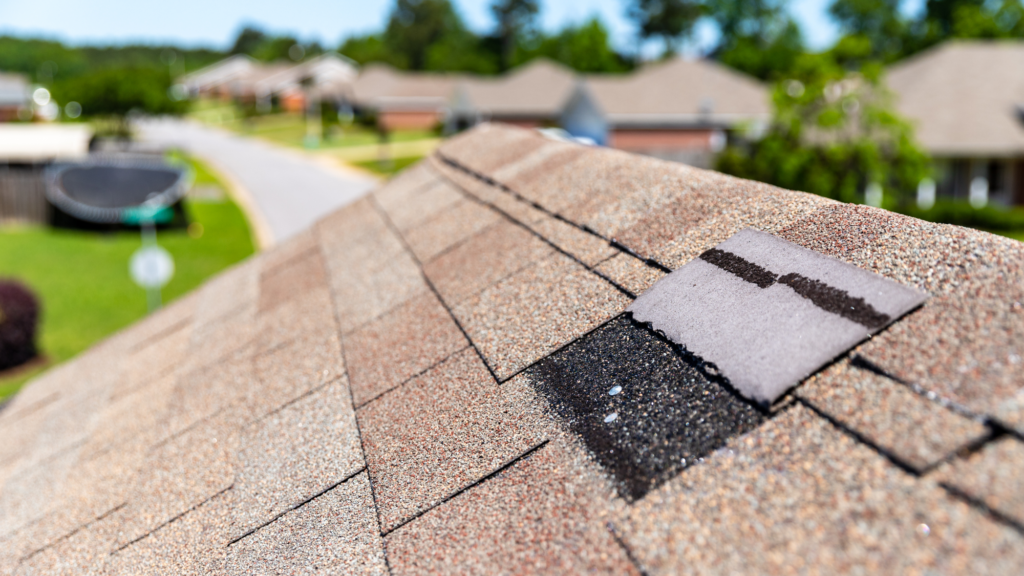
Strong winds can cause serious problems for residential roofing systems. Even when a roof looks intact from the ground, wind can loosen shingles, damage flashing, expose underlayment, and create openings where rainwater can enter. In Arlington, VA, and surrounding Northern Virginia communities, seasonal storms and high-wind events make it important for homeowners to recognize potential roof damage and respond promptly. Professional wind damage roof repair can help prevent a relatively small problem from becoming a larger roofing or water-damage issue. Addressing damaged roofing materials quickly can also help protect insulation, ceilings, walls, attic components, and other parts of the home. Painter Roofing works with homeowners in Arlington, VA, and surrounding areas to address roofing problems caused by weather and everyday deterioration. Understanding how wind affects a roof can help homeowners recognize warning signs and take appropriate action after a storm. Understanding Wind Damage to Residential Roofs Wind does not always damage a roof in obvious ways. High winds can lift the edges of shingles, loosen fasteners, damage flashing, and create small openings that may not be visible from the ground. The severity of damage depends on several factors, including wind speed, storm duration, roof age, roofing material, installation quality, surrounding trees, and the overall condition of the roofing system. A newer roof may withstand ordinary weather conditions well, but severe winds can still cause isolated damage. Older roofing systems may be more vulnerable because materials have already experienced years of ultraviolet exposure, temperature changes, moisture, and normal deterioration. Professional wind damage roof repair begins with identifying exactly which parts of the roofing system have been affected. Common Causes of Wind-Related Roof Damage Wind damage can occur during thunderstorms, severe weather systems, hurricanes, tropical storms, and other high-wind events. Some common causes include: Strong wind gusts lifting shingles Falling tree branches striking the roof Debris being blown across roofing surfaces Wind-driven rain entering damaged areas Loose flashing being displaced Damaged vents or roof accessories Weak or deteriorated roofing materials Improperly secured roofing components Wind can also expose pre-existing weaknesses. A roofing component that was already deteriorating may become displaced during a storm, making the underlying issue more apparent. Signs of Wind Damage on a Roof Homeowners should conduct a safe visual inspection from the ground after a significant storm. Climbing onto the roof without proper equipment and training can be dangerous, particularly after severe weather. Visible warning signs may include: Missing Shingles Missing shingles are one of the most recognizable signs of wind damage. When shingles are blown away, the exposed area may be vulnerable to moisture intrusion. Even a relatively small missing section should be evaluated because the roofing system is designed to function as a continuous protective surface. Lifted or Raised Shingles Shingles do not always blow completely off the roof. Strong winds may lift or loosen them while leaving them partially attached. Raised shingles can create pathways for water and may become increasingly damaged during subsequent storms. Creased Shingles Wind can bend or crease asphalt shingles, particularly when the adhesive bond or fastening system has been compromised. Creased materials may not provide the same protection as properly installed shingles and may require professional attention. Damaged Flashing Flashing around chimneys, skylights, vents, walls, and roof transitions can be affected by high winds. Loose or displaced flashing can allow water to enter vulnerable areas even when the surrounding shingles appear undamaged. Fallen Tree Limbs Tree branches can cause impact damage in addition to wind damage. A branch landing on the roof may crack shingles, damage decking, puncture roofing materials, or affect structural components. Any roof that has been struck by a substantial branch should receive a professional evaluation. Granules in Gutters After a storm, homeowners may notice an unusual amount of shingle granules in their gutters or downspouts. Granule loss can occur naturally over time, but a sudden increase after severe weather may indicate that roofing materials have been affected. Why Prompt Wind Damage Roof Repair Matters Roof damage can become more serious when it is left exposed to additional weather. A missing or displaced shingle may allow rainwater to reach underlayment or roof decking. Once moisture enters the roofing assembly, it may eventually affect insulation, framing, ceilings, and interior finishes. Prompt wind damage roof repair can help limit the extent of damage by addressing vulnerable areas before repeated storms create additional problems. Quick attention is especially important when severe weather is followed by heavy rain. Water can enter through surprisingly small openings, and interior damage may not become visible immediately. Wind Damage and Roof Leaks One of the most common consequences of wind-related roofing damage is water intrusion. Wind can create openings by: Removing shingles Lifting shingle edges Displacing flashing Damaging vent seals Creating gaps around roof penetrations Puncturing roofing materials with debris Water may then travel beneath roofing materials before appearing inside the home. This means the location of an interior ceiling stain does not necessarily correspond directly with the location of the exterior roof damage. A professional inspection can help identify the source of moisture intrusion and determine the appropriate repair. Wind Damage to Roofing Flashing Flashing is particularly important because it protects transitions and penetrations within the roofing system. Common flashing locations include: Chimneys Skylights Roof-to-wall transitions Plumbing vents Valleys Dormers Other roof penetrations High winds can loosen or shift flashing, particularly when components are already aged or deteriorated. A wind damage roof repair inspection should therefore evaluate flashing as well as shingles. Replacing damaged shingles without addressing compromised flashing may leave the underlying problem unresolved. Wind Damage to Gutters and Roof Edges Roof edges can experience significant wind exposure. Gutters, fascia, soffits, and drip edges may also be affected during severe storms. Damaged gutters can pull away from the fascia or become bent and displaced. This can interfere with proper water drainage. Homeowners should also inspect the area around the roof perimeter for visible signs of: Loose gutters Detached downspouts Damaged fascia Bent drip edges Loose soffit components Displaced trim Because these components work
Temporary Roof Solutions: What Arlington, VA Homeowners Need to Know
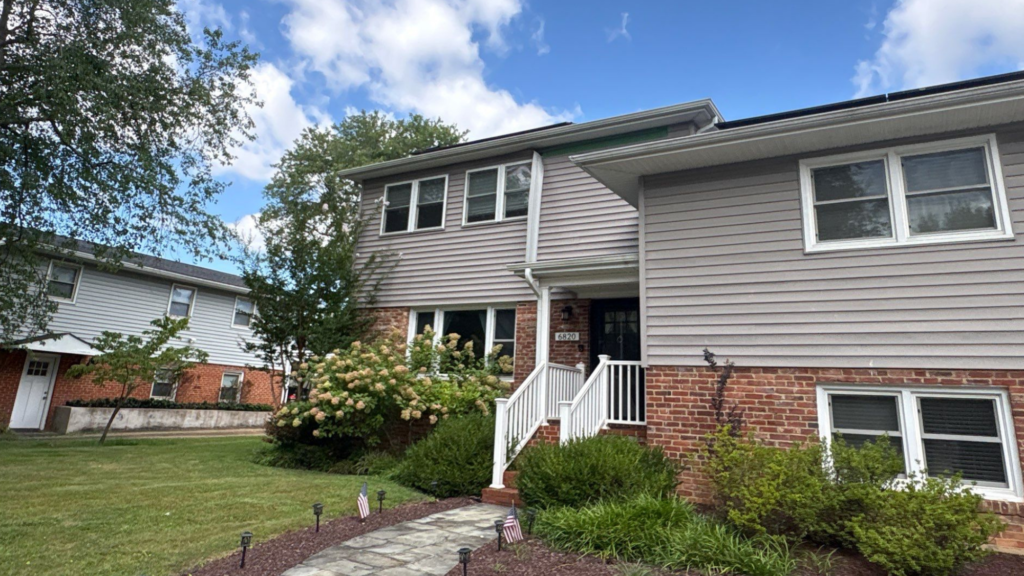
Roof damage can happen unexpectedly. A severe storm, falling tree branch, wind damage, missing shingles, or sudden leak can leave homeowners wondering what to do next. In many situations, a permanent roof repair or replacement cannot happen immediately. Weather conditions, material availability, insurance inspections, scheduling, and the extent of the damage can all affect how quickly permanent work can begin. That is where temporary roof solutions can become an important part of protecting your home. For homeowners in Arlington, VA and the surrounding areas, temporary measures can help reduce additional water intrusion and protect vulnerable portions of the home while a permanent roofing plan is being developed. These solutions are not intended to replace professional repairs. Instead, they provide short-term protection when immediate action is necessary. Painter Roofing understands how stressful unexpected roof damage can be. When your roof is damaged, acting quickly can help limit the potential for additional problems involving insulation, ceilings, walls, flooring, and other interior areas. Understanding your options for temporary roof solutions can help you respond more confidently when roofing damage occurs. What Are Temporary Roof Solutions? Temporary roof solutions are short-term measures designed to protect a damaged roof until permanent repairs or replacement can be completed. These measures may be appropriate when a roof has experienced sudden damage and immediate permanent repairs are not possible. For example, a storm may damage shingles and expose part of the roof deck. A temporary covering can help limit exposure to rain while the homeowner works with a roofing professional on the next steps. Temporary solutions may include protective roof coverings, emergency tarping, temporary sealing, and other measures depending on the type and severity of damage. The specific solution should be based on the condition of the roof. A small isolated leak may require a different approach than widespread storm damage. Why Temporary Roof Protection Is Important A damaged roof can become more vulnerable with every additional weather event. A missing shingle may expose an area beneath it to rain. Damaged flashing can allow water to enter around roof penetrations. A puncture or opening in the roof surface may create a pathway for moisture. Even if the original damage is relatively limited, continued exposure can make the situation worse. Appropriate temporary roof solutions can provide a layer of protection while homeowners arrange for a complete inspection and permanent repair. The goal is to reduce further exposure rather than allow an already damaged roof to remain unprotected. When Homeowners May Need Temporary Roof Solutions There are many situations in which homeowners may need short-term roof protection. Common examples include: Severe wind damage Hail damage Fallen tree branches Missing shingles Damaged flashing Punctures in roofing materials Storm-related roof leaks Unexpected roof deterioration Damage discovered after a storm Emergency situations occurring outside normal scheduling hours The appropriate response depends on the circumstances. For example, if a storm causes significant damage shortly before another period of rain, homeowners may need immediate protection while waiting for a detailed inspection. Temporary Roof Solutions After Storm Damage Storms can cause several types of roofing problems. High winds may loosen or remove shingles, while hail can damage roofing materials. Falling branches can puncture roofing systems or damage roof structures. After a major weather event, homeowners may notice leaks inside the home even when the exterior damage is not immediately obvious. Temporary protection can help limit additional water intrusion while the roof is evaluated. Painter Roofing serves homeowners throughout Arlington and surrounding Northern Virginia communities, helping property owners address roofing concerns after severe weather. Emergency Roof Tarping One of the most common forms of temporary roof solutions is emergency roof tarping. A tarp can cover a damaged portion of a roof and provide temporary protection from rain and other weather exposure. However, proper installation is important. A tarp that is improperly secured may shift, tear, or allow water to enter underneath it. Attempting to climb onto a damaged roof can also create serious safety risks for homeowners. For these reasons, homeowners should generally avoid treating roof tarping as a simple do-it-yourself project, particularly when the roof is steep, wet, structurally compromised, or difficult to access. A professional can evaluate whether tarping is appropriate and determine how the damaged area should be protected. Temporary Roof Solutions Are Not Permanent Repairs It is important to understand the purpose of temporary protection. Temporary roof solutions are designed to provide short-term protection. They are not intended to correct the underlying cause of roof damage permanently. For example, a tarp may prevent rain from reaching an exposed section of roof, but it does not repair damaged decking, replace missing shingles, restore flashing, or correct structural problems. Likewise, a temporary seal may reduce water entry in a specific area without addressing the larger condition of the roofing system. Homeowners should use temporary protection as a bridge to permanent repairs rather than as a substitute for them. Protecting Your Home From Additional Water Damage One of the biggest concerns following roof damage is water intrusion. Once water enters through a compromised roof, it can travel through insulation, drywall, framing, and other building materials. Depending on how long moisture remains present, homeowners may eventually encounter problems such as: Stained ceilings Damaged drywall Wet insulation Wood deterioration Peeling paint Mold growth Damaged flooring Electrical concerns Interior odor problems Using appropriate temporary roof solutions can help reduce the opportunity for additional moisture to enter while permanent work is being arranged. What Homeowners Should Do When a Roof Starts Leaking If you discover a roof leak, the first priority should be protecting people and property. Move furniture, electronics, and other valuable belongings away from the affected area when possible. Place containers beneath active drips to limit interior water damage. If water is near electrical fixtures, outlets, or wiring, avoid touching potentially wet electrical components and seek appropriate professional assistance. Then contact a qualified roofing professional to assess the exterior of the roof. Do not assume that the location of an interior ceiling stain identifies the exact source
Emergency Exterior Repairs: A Homeowner’s Guide for Arlington, VA and Surrounding Areas

Your home’s exterior is its first line of defense against rain, wind, snow, ice, heat, and other outdoor conditions. Roofing, siding, gutters, windows, doors, trim, and other exterior components work together to protect the interior of your property. When one of these systems is suddenly damaged, acting quickly can help prevent a small problem from becoming a much larger and more expensive repair. For homeowners in Arlington, VA and the surrounding areas, severe weather can create unexpected exterior problems throughout the year. Heavy rain can expose roof leaks, strong winds can damage siding and roofing materials, fallen branches can break windows, and freezing temperatures can contribute to damage around exterior surfaces. These situations may require emergency exterior repairs to stabilize the property and reduce the risk of additional damage. At Painter Roofing, we understand that exterior damage does not always happen at a convenient time. When an urgent problem develops, homeowners need to know what to look for, what steps to take, and when professional assistance is necessary. This guide explains common exterior emergencies, the warning signs homeowners should recognize, the importance of temporary protection, and how professional emergency exterior repairs can help protect your Arlington-area home. What Are Emergency Exterior Repairs? Emergency exterior repairs are urgent repair services performed when damage to a home’s exterior creates an immediate or developing risk to the property. These repairs can involve several parts of a home, including: Roofing Gutters Siding Windows Exterior doors Trim Flashing Fascia Soffits Other weather-exposed components The purpose of emergency work is often to address the immediate problem and prevent additional damage. Depending on the severity of the situation, a permanent repair may be completed right away, or temporary protection may be installed until a more extensive repair can safely be performed. Not every exterior problem is an emergency. However, damage that allows water, wind, debris, or outside elements to enter the home deserves prompt attention. Why Exterior Emergencies Require Fast Action Exterior damage can become progressively worse when it is left unresolved. A damaged roof can allow water to reach insulation, ceilings, walls, and other interior components. Broken siding can expose underlying materials to moisture. A damaged window can create security concerns and allow rain or wind into the home. Prompt emergency exterior repairs can help limit the amount of time the property remains exposed. Acting quickly does not necessarily mean rushing into a permanent replacement decision. The first priority is understanding the immediate risk and taking appropriate steps to stabilize the property. Common Causes of Exterior Emergencies in Arlington, VA Arlington homeowners experience a variety of weather conditions throughout the year. Seasonal changes can place stress on exterior building materials. Common causes of exterior emergencies include: Severe thunderstorms Strong wind Heavy rainfall Hail Snow and ice Fallen trees or branches Freezing temperatures Sudden temperature changes Accidental impact Aging exterior materials Storm-related damage is particularly important because multiple exterior systems can be affected during the same event. A strong storm may damage roofing while also affecting gutters, siding, windows, doors, and exterior trim. Emergency Roof Damage Roof damage is one of the most serious reasons homeowners may need emergency exterior repairs. A roof can sustain damage from wind, hail, falling branches, or other impacts. Warning signs may include: Missing shingles Lifted or displaced roofing materials Visible holes Damaged flashing Water entering the attic Water stains on ceilings Active interior leaks Fallen branches on the roof If you notice a roof emergency, avoid climbing onto the roof yourself. Roof surfaces can be slippery and unstable, particularly after severe weather. Instead, contact a qualified roofing professional to evaluate the situation. Emergency Roof Tarping Temporary roof tarping may be appropriate when a roof has sustained damage that cannot be permanently repaired immediately. A properly installed temporary covering can help reduce exposure to rain and other weather until permanent repairs can be completed. Tarping is not a substitute for a permanent repair. It is a temporary protective measure. Professional emergency exterior repairs may involve evaluating the damaged area, determining the safest temporary protection, and planning the appropriate permanent solution. Water Intrusion and Exterior Emergencies Water intrusion should always be taken seriously. Water entering through a damaged roof, window, door, or exterior wall can spread beyond the location where it first becomes visible. Homeowners should watch for: Ceiling stains Wet drywall Damp insulation Peeling paint Bubbling surfaces Musty odors Water around windows Moisture near exterior doors The visible location of a water stain does not always identify the exact source. Water can travel through building materials before becoming visible indoors. Professional inspection can help determine where water may be entering and which exterior component requires attention. Emergency Siding Repairs Siding protects exterior walls from weather exposure and contributes to the home’s appearance. Storms can cause siding to: Crack Split Loosen Detach Become punctured Develop impact damage Damaged siding should be evaluated promptly, especially when the underlying wall assembly is exposed. Emergency exterior repairs involving siding may focus on securing loose material, protecting exposed areas, and determining whether individual sections can be repaired or whether larger replacement work is necessary. Emergency Gutter Repairs Gutters are responsible for directing rainwater away from the roofline and foundation. Storm damage can cause gutters to: Pull away from the house Sag Crack Separate at joints Become blocked Disconnect from downspouts A damaged gutter system may allow water to spill directly against exterior walls or near the foundation. Prompt emergency exterior repairs can help restore proper water management and reduce the possibility of additional moisture-related problems. Emergency Downspout Problems Downspouts are an important part of the gutter system. If a downspout becomes disconnected or damaged, water may not be directed away from the home properly. Homeowners should inspect downspouts after severe weather for: Separation Cracks Loose connections Blockages Displacement Repairing the problem promptly can help maintain proper drainage around the property. Broken Windows After a Storm A broken window is another situation that may require immediate exterior attention. Windows can be damaged by: Fallen branches Hail Wind-blown
Rapid Response Roofing: A Complete Guide for Homeowners in Arlington, VA
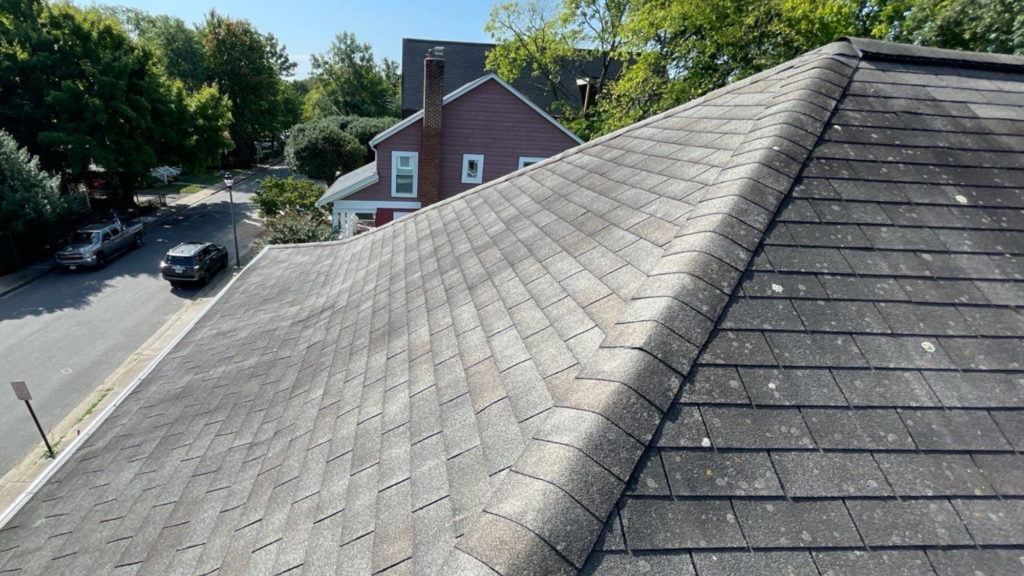
Your roof is your home’s first line of defense against rain, wind, snow, hail, and extreme temperatures. When unexpected damage occurs, delaying repairs can quickly turn a minor issue into a major restoration project. Missing shingles, storm damage, fallen tree limbs, or sudden leaks require immediate attention to minimize water intrusion and protect your home’s structure. This is where rapid response roofing becomes essential. A fast response helps stabilize damaged areas, prevent additional deterioration, and give homeowners peace of mind while permanent repairs are planned. At Painter Roofing, we proudly provide dependable rapid response roofing services for homeowners throughout Arlington, VA and the surrounding Northern Virginia communities. Our experienced team understands that roofing emergencies rarely happen at convenient times, which is why prompt inspections and temporary protection are critical after severe weather or unexpected damage. This guide explains everything homeowners should know about rapid response roofing, including common roofing emergencies, the importance of immediate action, inspection procedures, temporary protection methods, and how proactive maintenance helps reduce future emergencies. What Is Rapid Response Roofing? Rapid response roofing refers to the immediate assessment and temporary stabilization of a damaged roofing system following storms, accidents, or other emergencies. The primary goals include: Preventing additional water intrusion Protecting the home’s interior Minimizing structural damage Identifying safety concerns Preparing for permanent repairs Rapid response focuses on protecting your property during the critical hours immediately following roof damage. Why Speed Matters After Roof Damage Even a small opening in your roof can allow rainwater to enter the attic and living spaces. Water intrusion may eventually damage: Roof decking Rafters Ceiling drywall Insulation Flooring Electrical systems Interior finishes Personal belongings Professional rapid response roofing helps reduce these risks before additional storms arrive. Common Roofing Emergencies Several situations require immediate professional attention. Storm Damage Northern Virginia experiences severe weather throughout the year. Storms may produce: Strong winds Heavy rainfall Hail Lightning Falling branches These conditions often create roofing emergencies requiring prompt inspections. Fallen Trees Trees and large limbs can puncture roofing systems during storms. Damage may include: Broken rafters Roof decking failure Crushed shingles Structural damage Interior water intrusion Quick rapid response roofing services help stabilize these damaged areas until permanent repairs begin. Wind Damage Powerful winds may: Remove shingles Lift flashing Damage ridge caps Loosen vents Expose roof decking Prompt repairs prevent wind-driven rain from entering the home. Hail Damage Large hailstones may create: Bruised shingles Cracked roofing materials Damaged flashing Broken skylights Granule loss Some hail damage may not be visible from the ground, making professional inspections essential. Sudden Roof Leaks Leaks can develop unexpectedly due to: Aging materials Storm damage Flashing failures Clogged valleys Ice dams Fast response minimizes interior damage. Warning Signs That Require Rapid Response Roofing Homeowners should contact a roofing professional immediately if they notice: Active ceiling leaks Missing shingles Sagging roof sections Water stains Exposed roof decking Fallen tree damage Interior dripping Visible daylight in the attic Loose flashing Storm debris on the roof Ignoring these warning signs often increases repair costs. The First Steps After Roof Damage Safety should always come first. Homeowners should: Stay away from damaged areas. Avoid climbing onto the roof. Document visible damage with photographs. Protect valuable belongings indoors if water is entering. Contact a trusted roofing contractor promptly. Painter Roofing recommends allowing trained professionals to inspect damaged roofs safely. How Rapid Response Roofing Works Professional rapid response roofing follows a systematic process to stabilize your home. Initial Safety Assessment Contractors first determine whether the roof is safe to inspect. They evaluate: Structural stability Visible hazards Storm debris Electrical concerns Tree impacts Safety remains the highest priority. Roof Inspection Once conditions are safe, technicians perform a detailed inspection. Areas evaluated include: Shingles Flashing Roof decking Gutters Vents Skylights Valleys Chimneys Painter Roofing performs thorough inspections to identify both obvious and hidden damage. Temporary Protection If permanent repairs cannot begin immediately, temporary protection may include: Emergency roof tarping Sealing exposed areas Securing loose materials Covering roof openings These temporary measures help prevent additional weather damage. Preventing Water Intrusion Water is one of the greatest threats following roof damage. Without immediate protection, moisture may spread throughout the home and affect: Attic insulation Drywall Wood framing Flooring Cabinets Electrical wiring Professional rapid response roofing significantly reduces the likelihood of widespread water damage. Why Professional Roof Inspections Matter Storm damage is not always easy to identify. Professionals recognize subtle problems such as: Lifted shingles Flashing separation Hidden punctures Soft decking Vent damage Underlayment failures Early detection helps prevent expensive future repairs. Temporary Repairs Buy Valuable Time Temporary stabilization is not intended to replace permanent roofing repairs. Instead, it allows homeowners time to: Schedule permanent work Order roofing materials Complete insurance documentation Prevent additional damage Rapid response creates a safer environment until restoration begins. Common Roofing Materials Requiring Emergency Repairs Different roofing systems respond differently to severe weather. Professional rapid response roofing may involve: Asphalt shingles Metal roofing Slate roofing Cedar shake roofing Flat roofing systems Synthetic roofing materials Each roofing material requires specialized repair techniques to minimize additional damage. Arlington’s Weather Creates Unique Roofing Challenges Homes throughout Arlington and Northern Virginia experience changing weather throughout the year. These conditions include: Heavy rain High winds Snow Ice Humid summers Freeze-thaw cycles Severe thunderstorms Routine inspections combined with rapid response roofing help homeowners minimize weather-related damage while extending the lifespan of their roofing systems. Why Homeowners Trust Painter Roofing Painter Roofing proudly serves Arlington, VA and the surrounding Northern Virginia communities with dependable roofing and exterior home improvement services. Homeowners choose Painter Roofing because we provide: Professional roof inspections Storm damage assessments Emergency roof stabilization Roof repairs Roof replacements Gutter services Siding repair Exterior restoration Honest recommendations Skilled craftsmanship Outstanding customer service Our experienced team understands that every minute counts after roof damage occurs, and we are committed to delivering dependable rapid response roofing solutions that protect your home from additional damage. Rapid Response Roofing and Insurance Claims After severe weather damages your roof, contacting your insurance provider is often one
Emergency Board Up Services: A Complete Guide for Homeowners in Arlington, VA
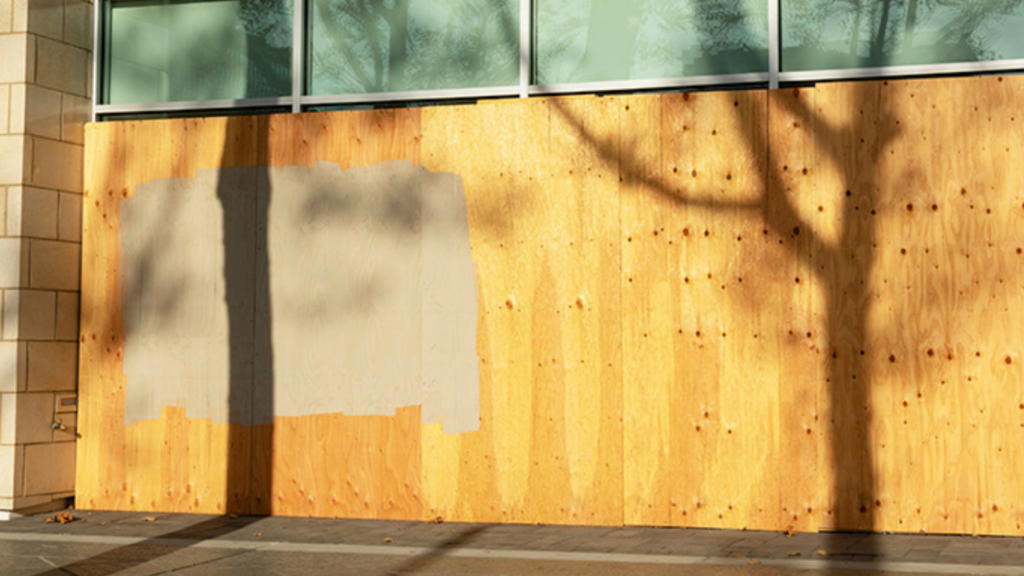
Severe weather, unexpected accidents, fires, fallen trees, and break-ins can leave your home vulnerable to additional damage within minutes. Broken windows, damaged doors, roof openings, and exposed walls allow rain, wind, debris, and even unauthorized entry to threaten your property’s safety. In these situations, acting quickly is essential. Professional emergency board up services provide immediate temporary protection by securing damaged openings until permanent repairs can be completed. Whether your home has experienced storm damage, fire damage, or another unexpected emergency, boarding up exposed areas helps prevent further structural deterioration while giving homeowners peace of mind. At Painter Roofing, we proudly provide dependable exterior restoration solutions for homeowners throughout Arlington, VA and the surrounding Northern Virginia communities. While our primary services include roofing, siding, gutters, windows, and exterior repairs, we understand the importance of responding quickly when emergency situations arise. This comprehensive guide explains everything homeowners should know about emergency board up services, including when they’re needed, how they work, their benefits, common causes of damage, and why professional assistance is the safest choice. What Are Emergency Board Up Services? Emergency board up services involve temporarily securing damaged portions of a home using durable plywood or other protective materials. Boarding protects openings such as: Broken windows Damaged doors Roof openings Garage doors Wall openings Storm-damaged exterior sections The purpose is to stabilize the structure and protect the interior until permanent repairs are completed. Why Emergency Board Up Services Are Important Time is one of the most important factors after property damage occurs. Leaving exposed areas uncovered may allow: Rainwater intrusion Wind damage Pest entry Theft Vandalism Mold growth Additional structural deterioration Prompt emergency board up services help minimize these risks while protecting your investment. Situations That Require Emergency Board Up Services Many unexpected events can leave a home exposed. Severe Storm Damage Northern Virginia experiences powerful weather throughout the year. Strong storms may produce: High winds Heavy rain Hail Falling trees Flying debris These events often create broken windows or roof damage requiring immediate emergency board up services. Fallen Trees Large tree limbs or entire trees may strike homes during storms. Damage commonly includes: Broken roof decking Crushed walls Damaged windows Broken doors Boarding exposed openings helps prevent additional weather-related damage. Fire Damage Residential fires frequently damage windows, roofing, and entryways. After firefighters complete their work, portions of the home may remain exposed to weather. Professional emergency board up services help protect the structure while restoration plans are developed. Vehicle Impact Automobile accidents occasionally result in significant structural damage. Vehicles may strike: Garage doors Exterior walls Entryways Support columns Immediate boarding secures damaged areas until permanent reconstruction begins. Break-Ins and Vandalism Forced entry often leaves broken windows and damaged doors. Temporary protection restores security while replacement materials are ordered. Benefits of Emergency Board Up Services Professional emergency board up services offer numerous advantages. These include: Immediate property protection Reduced water intrusion Improved security Weather resistance Protection from animals Reduced vandalism risk Greater homeowner safety Peace of mind Quick action often prevents thousands of dollars in additional repair costs. Preventing Water Damage Rain entering exposed openings can affect nearly every area of a home. Potential damage includes: Wet insulation Ceiling stains Drywall damage Flooring deterioration Electrical hazards Mold growth Boarding damaged areas helps reduce moisture intrusion until repairs are completed. Improving Home Security Damaged windows and doors create opportunities for unauthorized entry. Professional emergency board up services help secure your home by covering vulnerable openings with sturdy materials designed to resist forced entry. Homeowners gain confidence knowing their property is protected while waiting for permanent repairs. Reducing Mold Growth Moisture trapped inside a home creates ideal conditions for mold. Prompt boarding helps keep rainwater outside where it belongs. Reducing moisture exposure protects: Walls Ceilings Flooring Framing Personal belongings Protecting Personal Property When a home is exposed after storm or accident damage, furniture and valuables become vulnerable. Emergency protection helps safeguard: Electronics Furniture Appliances Clothing Family heirlooms Important documents Preventing secondary damage preserves both sentimental and financial value. How Emergency Board Up Services Work Professional contractors follow a systematic process to secure damaged homes safely. Initial Damage Assessment The first step involves evaluating the extent of the damage. Technicians inspect: Windows Doors Roofing Exterior walls Structural stability Painter Roofing believes every emergency response begins with a careful inspection to identify immediate safety concerns. Removing Loose Debris Damaged materials that present safety hazards are removed when conditions allow. This may include: Broken glass Loose siding Damaged trim Roofing debris Tree branches Removing unstable materials helps create a safer work environment. Measuring Openings Each damaged opening is measured carefully to ensure a secure fit. Proper sizing improves protection against: Wind Rain Debris Unauthorized entry Accurate measurements are an essential part of effective emergency board up services. Installing Protective Boards Heavy-duty plywood or similar materials are securely fastened over damaged areas. Proper installation helps maintain structural stability while preventing additional damage until permanent repairs begin. Roof Damage and Emergency Board Up Services Roof openings require immediate attention after storms or falling tree impacts. Temporary protection may include: Boarding exposed roof openings Supporting weakened areas Coordinating with roof tarping when necessary Painter Roofing frequently combines emergency board up services with temporary roof protection to help homeowners minimize further weather damage. Emergency Board Up Services for Windows Broken windows expose homes to: Rain Wind Temperature extremes Security risks Boarding damaged windows provides immediate protection while replacement glass is ordered. This is especially important following severe storms or accidental impacts. Protecting Exterior Doors Entry doors damaged during storms, fires, or break-ins should be secured immediately. Temporary boarding helps restore security until new doors or repairs are completed. Homeowners can feel more confident knowing their property remains protected during the restoration process. Why Professional Installation Matters Although some homeowners consider temporary DIY solutions, professional emergency board up services offer several important advantages. Experienced contractors provide: Proper safety procedures Quality materials Secure installation Fast response Thorough damage assessment Reliable temporary protection Professional service helps reduce additional risks while ensuring your
Trim Molding Repair: The Complete Homeowner’s Guide for Arlington, VA Homes
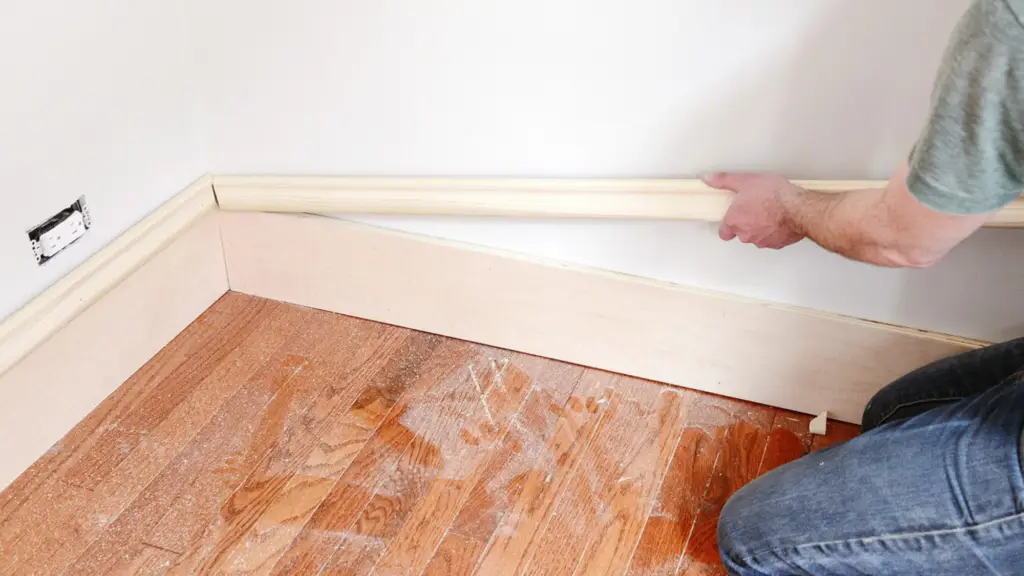
Trim and molding are often viewed as decorative finishing touches, but they serve a much greater purpose than enhancing a home’s appearance. Exterior trim helps seal vulnerable joints around windows, doors, rooflines, soffits, and fascia, while interior molding protects walls and creates polished transitions between building materials. When trim becomes damaged by moisture, pests, impact, or age, it can expose your home to water intrusion and additional structural problems. Professional trim molding repair restores both appearance and function while preventing minor issues from becoming expensive repairs. Whether you’re repairing exterior window trim, replacing damaged fascia boards, or restoring decorative molding inside your home, timely maintenance protects your investment. At Painter Roofing, we proudly help homeowners throughout Arlington, VA and the surrounding Northern Virginia communities maintain every aspect of their home’s exterior. While we are best known for roofing, gutters, siding, windows, and storm damage repairs, we also understand the importance of properly maintained trim in protecting your home from moisture and weather. This guide explains everything homeowners should know about trim molding repair, including common causes of damage, repair techniques, preventative maintenance, and how professional workmanship contributes to long-lasting home protection. Understanding Trim and Molding Although the terms are often used interchangeably, trim and molding refer to a variety of finishing components installed throughout a home. Exterior trim includes: Window trim Door trim Fascia boards Corner boards Soffit trim Garage door trim Interior molding includes: Baseboards Crown molding Chair rails Window casings Door casings Decorative trim Proper trim molding repair helps preserve the appearance and performance of all of these components. Why Trim Is Important Trim serves several practical purposes beyond decoration. It helps: Protect exposed framing Seal joints Direct water away from vulnerable areas Improve energy efficiency Support siding systems Enhance curb appeal Prevent moisture intrusion Without proper maintenance, damaged trim may allow water to reach structural materials hidden beneath the surface. Common Causes of Trim Damage Understanding why trim deteriorates helps homeowners recognize when trim molding repair is necessary. Moisture Exposure Water remains the leading cause of trim damage. Moisture may result from: Roof leaks Overflowing gutters Failed caulking Poor flashing Wind-driven rain Improper drainage When wood remains wet for extended periods, rot can develop quickly. Sun Exposure Years of ultraviolet exposure gradually weaken exterior finishes. Paint may peel, crack, or fade, allowing moisture to penetrate exposed wood. Routine painting extends the lifespan of exterior trim. Seasonal Weather Changes Northern Virginia experiences: Summer humidity Heavy rainfall Snow Ice Freeze-thaw cycles Repeated expansion and contraction eventually stress trim materials. Insect Damage Wood-destroying insects can weaken trim. Common pests include: Carpenter ants Termites Wood-boring beetles Professional inspections help detect damage early. Physical Impact Trim may also become damaged by: Lawn equipment Falling branches Storm debris Everyday wear Prompt trim molding repair prevents further deterioration. Signs You Need Trim Molding Repair Homeowners should inspect trim several times each year. Watch for: Peeling paint Soft wood Rot Cracks Loose trim Water stains Mold growth Gaps around windows Gaps around doors Warped boards Missing sections Addressing these warning signs early reduces repair costs. Exterior Trim Is Your Home’s First Line of Defense Exterior trim protects vulnerable transitions where different building materials meet. Examples include: Roof edges Window openings Door openings Siding joints Garage openings Proper trim molding repair helps maintain a continuous weather barrier. Window Trim Protection Window trim plays an important role in preventing water intrusion. Damaged trim may allow moisture to enter wall cavities, causing: Rot Mold Insulation damage Drywall deterioration Painter Roofing frequently inspects window trim during exterior evaluations. Door Trim Maintenance Exterior door trim experiences constant exposure to weather. Maintaining door trim helps improve: Security Energy efficiency Weather resistance Appearance Routine trim molding repair protects one of your home’s busiest entry points. Fascia Board Repairs Fascia boards support gutters while protecting roof edges. Damaged fascia may lead to: Loose gutters Roof leaks Wood rot Pest intrusion Prompt repairs help preserve both roofing and drainage systems. Soffit Trim Maintenance Soffits provide attic ventilation while protecting roof overhangs. Damaged soffit trim may reduce ventilation and allow pests to enter attic spaces. Professional maintenance extends the lifespan of these important components. How Roofing Affects Trim Roofing systems and trim work together to protect the home. Roof problems that commonly damage trim include: Missing shingles Flashing failures Ice dams Clogged gutters Painter Roofing recommends annual roof inspections to identify issues before they affect surrounding trim. Gutters Protect Trim Overflowing gutters frequently contribute to trim deterioration. Proper gutter maintenance reduces: Splash-back Standing water Fascia rot Siding damage Keeping gutters clean supports long-term trim molding repair success. Siding and Trim Work Together Siding relies on trim for proper sealing and finished appearance. Loose or deteriorated trim may expose siding edges to moisture. Professional repairs help preserve both systems. Common Trim Materials Modern homes use several trim materials. These include: Wood Wood remains popular because of its natural appearance. Benefits include: Traditional style Easy customization Paint flexibility Regular maintenance helps maximize durability. PVC PVC trim offers: Moisture resistance Low maintenance Rot resistance Long lifespan It has become increasingly popular in Arlington homes. Fiber Cement Fiber cement trim provides: Excellent durability Fire resistance Weather resistance Low maintenance It complements fiber cement siding installations. Engineered Wood Engineered products combine attractive appearance with improved moisture resistance. Selecting the right material depends on the home’s design and maintenance preferences. Common Trim Molding Repair Techniques Repair methods vary depending on the extent of damage. Professional trim molding repair may include: Filling cracks Replacing damaged sections Recaulking joints Sanding surfaces Priming Repainting Installing new trim Sealing exposed joints The appropriate solution depends on the condition of the existing materials. Preventing Moisture Damage The best repairs begin with moisture prevention. Homeowners should: Inspect caulking Clean gutters Repair roof leaks Maintain siding Improve drainage Paint exposed wood Preventative maintenance extends the life of exterior trim while reducing future repair costs. Interior Trim Molding Repair While exterior trim protects your home from weather, interior trim enhances appearance while protecting walls and door openings from
Emergency Tarping Services: Protecting Your Arlington, VA Home After Storm Damage
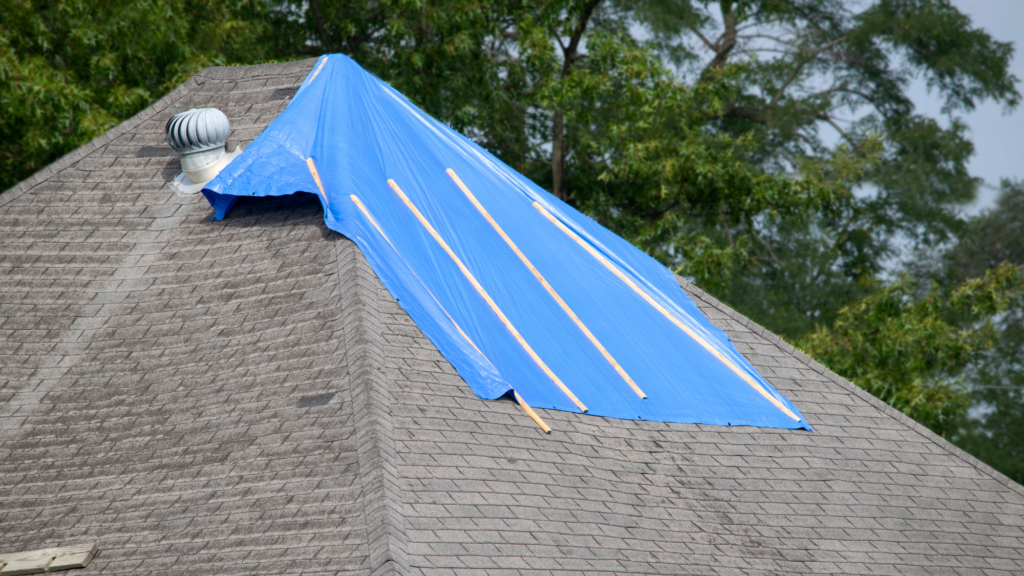
Severe weather can strike at any time, leaving your home exposed to rain, wind, hail, falling branches, and flying debris. When your roof is damaged, every minute counts. Even a small opening in your roofing system can allow water to enter your attic, insulation, ceilings, and walls, leading to extensive structural damage and costly repairs. That’s where emergency tarping services become essential. A professionally installed roof tarp provides temporary protection until permanent repairs or a full roof replacement can be completed. Acting quickly can help prevent additional damage, preserve your home’s structural integrity, and reduce restoration costs. At Painter Roofing, we proudly provide dependable emergency tarping services for homeowners throughout Arlington, VA and the surrounding Northern Virginia communities. Our experienced team understands the urgency of storm damage and responds promptly to help secure homes after unexpected weather events. This comprehensive guide explains everything homeowners should know about emergency tarping services, including when they’re needed, how they work, their benefits, common causes of roof damage, and why professional installation is the safest and most effective solution. What Are Emergency Tarping Services? Emergency tarping services involve installing heavy-duty waterproof tarps over damaged sections of a roof to prevent additional water intrusion until permanent repairs can be completed. Professional tarping helps protect: Roof decking Attic insulation Interior ceilings Walls Flooring Electrical systems Personal belongings Structural framing Rather than serving as a permanent repair, emergency tarping services provide temporary weather protection that helps minimize further damage following a storm or other roofing emergency. Why Emergency Tarping Services Are Important Storm damage often occurs unexpectedly. High winds may remove shingles, hail can puncture roofing materials, and falling trees may create large openings in the roof. Without immediate protection, rainwater can quickly enter the home. Prompt emergency tarping services help: Prevent interior water damage Protect structural components Reduce mold growth Preserve insulation Minimize repair costs Improve home safety Allow time for permanent repairs Painter Roofing encourages homeowners to seek professional assistance immediately after discovering roof damage. Common Situations That Require Emergency Tarping Services Several events commonly create the need for emergency tarping services. Wind Damage Strong winds may: Remove shingles Lift flashing Tear roofing materials Expose roof decking Temporary tarping prevents rain from entering these exposed areas. Hail Damage Large hailstones can damage: Asphalt shingles Metal roofing Skylights Flashing If hail creates openings in the roofing system, emergency tarping services help protect the home’s interior. Fallen Trees Storm-damaged trees sometimes fall onto homes. Tree impacts may: Puncture roofing Break rafters Damage decking Expose insulation Professional tarping helps stabilize the damaged area until structural repairs begin. Fire Damage Following a residential fire, portions of the roof may become exposed. Emergency protection helps prevent weather-related deterioration while restoration work is planned. Severe Rainstorms Heavy rainfall may reveal previously hidden roofing weaknesses. When leaks become active, emergency tarping services help reduce additional moisture intrusion. Signs You Need Emergency Tarping Services Homeowners should act immediately if they notice: Missing shingles Exposed roof decking Active roof leaks Water dripping indoors Ceiling stains after storms Fallen tree damage Torn flashing Visible holes in the roof Sagging ceilings Damaged skylights Quick action helps prevent extensive interior damage. How Emergency Tarping Services Work Professional tarping involves several important steps. Initial Roof Inspection The roofing contractor evaluates: Roof damage Structural safety Leak locations Areas requiring immediate protection Painter Roofing performs careful assessments before beginning any emergency tarping services. Removing Loose Debris Loose materials are carefully removed when safe to do so. This may include: Broken shingles Tree branches Damaged flashing Clearing debris helps ensure proper tarp installation. Installing Heavy-Duty Tarps Professional-grade waterproof tarps are securely positioned over damaged sections. Proper installation helps prevent: Wind uplift Water intrusion Additional roof deterioration Securing the Tarp The tarp must be anchored carefully to withstand changing weather conditions. Professional installation minimizes the risk of movement or failure. Benefits of Professional Emergency Tarping Services Choosing professional emergency tarping services offers significant advantages. These include: Immediate weather protection Reduced water damage Improved structural preservation Better safety Professional installation Reliable temporary protection Peace of mind At Painter Roofing, our experienced crews understand how to install tarps safely while minimizing additional roof damage. Water Damage Prevention Water intrusion often creates damage far beyond the roof itself. Potential consequences include: Ceiling collapse Wet insulation Mold growth Damaged drywall Flooring deterioration Electrical hazards Prompt emergency tarping services help prevent these costly secondary issues. Mold Prevention Moisture trapped inside a home creates ideal conditions for mold development. Temporary roof protection reduces prolonged moisture exposure while permanent repairs are scheduled. Preventing mold is one of the major benefits of emergency tarping services. Protecting Your Attic Attics are often the first interior spaces affected by roof damage. Tarping helps safeguard: Insulation Framing Ventilation systems Stored belongings Keeping the attic dry supports the overall health of your home’s roofing system. Protecting Interior Finishes Without immediate protection, roof leaks may damage: Drywall Paint Flooring Furniture Electronics Personal belongings Professional emergency tarping services help reduce these risks. How Arlington Weather Affects Roofs Northern Virginia experiences a variety of weather conditions throughout the year. These include: Heavy rain Strong winds Hailstorms Snow Ice Freeze-thaw cycles Summer heat Each of these conditions may increase the need for emergency tarping services following severe weather. Temporary Protection While Planning Permanent Repairs Roof tarps are not intended as permanent solutions. Instead, they provide valuable time to: Schedule inspections Obtain repair estimates Order roofing materials Complete insurance documentation Painter Roofing works closely with homeowners throughout the repair process. Roof Inspections After Storm Damage Not all storm damage is immediately visible. Professional inspections help identify: Hidden leaks Flashing damage Shingle displacement Structural concerns Vent damage Comprehensive evaluations ensure permanent repairs address all affected areas. Emergency Tarping Services and Insurance Claims Many insurance companies encourage homeowners to take reasonable steps to prevent additional damage after a covered event. Professional emergency tarping services demonstrate responsible property protection while permanent repairs are being arranged. Maintaining photographs and repair documentation may also assist during the insurance claims process. Why Professional Installation
Emergency Weatherproofing: Protecting Your Arlington, VA Home When Severe Weather Strikes
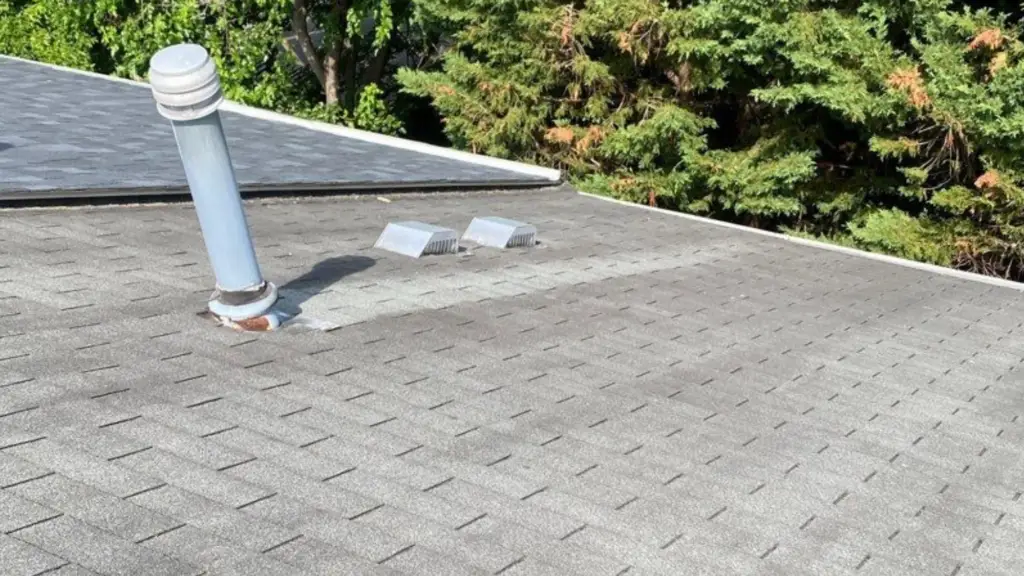
Severe weather can strike with little warning, leaving homeowners vulnerable to costly damage. Whether it’s a powerful thunderstorm, high winds, heavy rain, hail, snow, or falling tree limbs, unexpected weather events can compromise a home’s roofing system, siding, windows, gutters, and other exterior components. When damage occurs, taking immediate action is critical to prevent further deterioration and protect your investment. This is where emergency weatherproofing becomes essential. Emergency measures help minimize water intrusion, structural damage, and safety risks until permanent repairs can be completed. At Painter Roofing, we understand how quickly weather-related damage can escalate. We proudly help homeowners throughout Arlington, VA and the surrounding Northern Virginia communities protect their homes with professional inspections, emergency services, and long-term exterior solutions. This comprehensive guide explains everything homeowners need to know about emergency weatherproofing, including why it matters, common situations requiring immediate action, preventative strategies, and how professional assistance can help protect your property. What Is Emergency Weatherproofing? Emergency weatherproofing refers to temporary protective measures designed to shield a home from further damage after a weather-related event or during an ongoing weather emergency. These protective actions may include: Emergency roof tarping Temporary leak mitigation Window coverings Door sealing Gutter stabilization Siding protection Structural reinforcement Water diversion solutions The goal of emergency weatherproofing is to stabilize the property until permanent repairs can be safely completed. Why Emergency Weatherproofing Is Important When exterior damage occurs, delays can lead to significantly greater repair costs. Immediate emergency weatherproofing helps: Prevent water intrusion Protect structural components Reduce mold growth risks Preserve insulation Minimize interior damage Improve occupant safety Reduce long-term repair expenses At Painter Roofing, we frequently see situations where prompt temporary protection prevents thousands of dollars in additional damage. Common Weather Events That Require Emergency Weatherproofing Northern Virginia experiences a variety of weather conditions throughout the year. Several weather events commonly create the need for emergency weatherproofing. Severe Thunderstorms Thunderstorms can produce: Heavy rainfall Strong winds Lightning Falling debris These conditions often damage roofing materials, siding, windows, and gutters. High Wind Events Strong winds may: Remove shingles Lift flashing Damage siding Break tree branches Emergency protection helps prevent water from entering exposed areas. Hailstorms Hail can compromise: Roofing systems Skylights Gutters Windows Siding Following a hailstorm, emergency weatherproofing may be necessary while awaiting permanent repairs. Winter Storms Snow and ice can create significant risks, including: Ice dams Roof leaks Frozen gutters Structural stress Winter-related emergencies often require immediate weatherproofing measures. Fallen Trees and Debris Storms sometimes result in fallen trees or branches impacting homes. These situations frequently require urgent emergency weatherproofing to secure exposed areas. Signs Your Home Needs Emergency Weatherproofing Homeowners should act quickly when they notice: Active roof leaks Missing shingles Broken windows Damaged siding Water stains on ceilings Exposed roof decking Detached flashing Gutter failures Structural openings The sooner emergency weatherproofing is implemented, the better the chances of limiting additional damage. Emergency Roof Weatherproofing Roof damage is among the most common reasons homeowners require immediate protection. Temporary Roof Tarping Roof tarps help cover damaged areas and prevent water intrusion. Benefits include: Immediate protection Reduced leak potential Preservation of interior spaces Additional time for repair planning At Painter Roofing, emergency roof tarping is one of the most effective emergency weatherproofing solutions available after storm damage. Securing Exposed Roofing Components Loose roofing materials may continue to deteriorate if left unattended. Temporary stabilization helps reduce additional damage until repairs are completed. Emergency Weatherproofing for Roof Leaks Active leaks require immediate attention. Temporary solutions may include: Leak containment Interior water management Roof coverings Moisture barriers Prompt emergency weatherproofing helps minimize damage to ceilings, insulation, walls, and flooring. Emergency Window Protection Damaged windows create vulnerabilities for both weather and security. Temporary protection may involve: Boarding openings Installing weather-resistant coverings Sealing exposed gaps Proper emergency weatherproofing helps prevent rain, debris, and pests from entering the home. Emergency Door Weatherproofing Storm damage can compromise exterior doors and frames. Temporary solutions include: Sealing gaps Reinforcing damaged frames Installing protective barriers These measures help maintain security and reduce moisture intrusion. Siding Emergency Weatherproofing Damaged siding can expose underlying structural materials to moisture. Temporary protection methods may include: Protective coverings Temporary panel stabilization Water-resistant barriers At Painter Roofing, we often include siding stabilization as part of comprehensive emergency weatherproofing services. Gutter and Drainage Protection Storm-damaged gutters may fail to direct water properly. Emergency solutions may involve: Temporary reattachment Debris removal Water diversion strategies Downspout stabilization Proper drainage remains critical during the emergency weatherproofing process. Preventing Interior Water Damage Water intrusion can rapidly affect a home’s interior. Potential consequences include: Ceiling damage Wall deterioration Flooring damage Mold growth Electrical hazards Fast emergency weatherproofing helps minimize these risks. Mold Prevention After Storm Damage Moisture trapped inside a home creates ideal conditions for mold growth. Emergency measures should focus on: Leak control Ventilation Drying affected materials Moisture monitoring Effective emergency weatherproofing plays a major role in preventing mold-related issues. Protecting Attics During Weather Emergencies Attics are often among the first areas affected by roof damage. Emergency protection helps safeguard: Insulation Framing Electrical systems Stored belongings Prompt action can significantly reduce restoration costs. Foundation Protection During Severe Weather Excessive water around the foundation can lead to: Settlement Cracking Basement leaks Structural movement Part of any comprehensive emergency weatherproofing strategy involves maintaining proper drainage around the home. The Role of Gutters in Emergency Weatherproofing Gutters serve as a critical line of defense during storms. Well-maintained gutters help: Direct water away from foundations Reduce soil erosion Prevent siding damage Minimize standing water Painter Roofing often evaluates gutter performance as part of storm-related inspections. How Emergency Weatherproofing Protects Energy Efficiency Exterior damage can compromise a home’s thermal envelope. Temporary weatherproofing measures help: Reduce drafts Protect insulation Improve indoor comfort Minimize energy loss These benefits make emergency weatherproofing valuable even beyond immediate storm protection. Safety Considerations During Severe Weather Homeowners should prioritize safety above all else. Avoid: Climbing onto damaged roofs Working near power lines Handling unstable debris Entering unsafe structures Professional assistance is often the safest approach when emergency
Fascia Soffit Repair: Complete Guide for Arlington, VA Homeowners
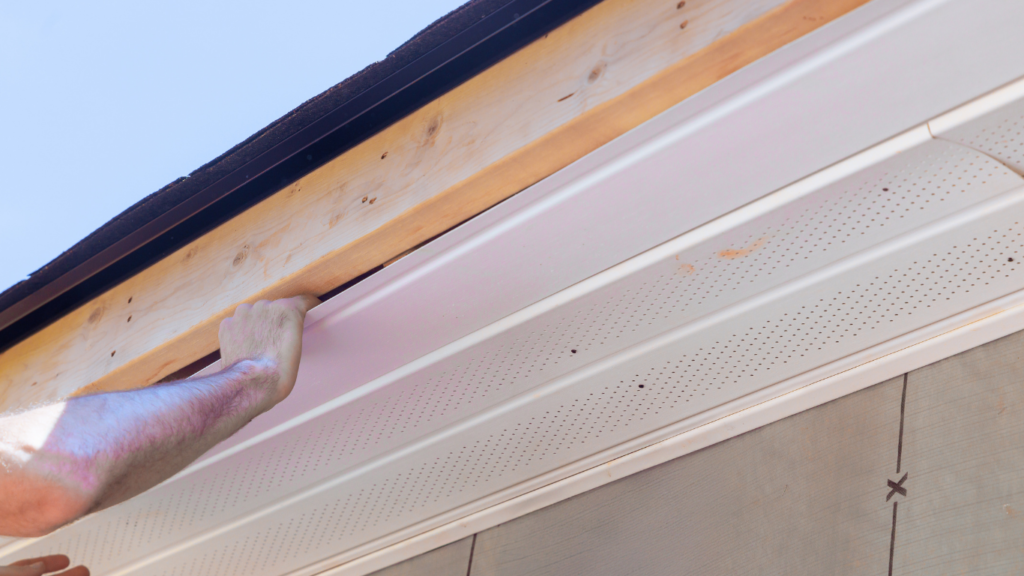
Your roof system is more than shingles and flashing. Hidden along the roof edges are critical structural and ventilation components that protect your home from moisture, pests, and structural deterioration. Fascia and soffit elements play a major role in roof performance, attic ventilation, and curb appeal. When these components become damaged, timely fascia soffit repair is essential to prevent larger roofing and structural problems. In Arlington, VA and surrounding Northern Virginia communities, seasonal weather, humidity, storms, and tree debris frequently contribute to fascia and soffit damage. Understanding when and why fascia soffit repair is needed helps homeowners protect their roof system and maintain long-term property value. At Painter Roofing, we specialize in professional fascia and soffit inspection, repair, and replacement tailored to Arlington homes and climate conditions. This comprehensive guide explains the importance of fascia and soffit systems, common damage causes, repair methods, and how homeowners can maintain these critical roof components. What Are Fascia and Soffit? Before understanding repair needs, homeowners should know what these components do. Fascia is the horizontal board running along the roof edge, typically where gutters are attached. It caps the roof rafters and provides a finished edge. Soffit is the underside panel beneath the roof overhang. It closes the gap between exterior walls and roof edges and often contains ventilation openings. Together, fascia and soffit protect the roof structure and attic. Damage to either area often requires prompt fascia soffit repair to maintain system integrity. Why Fascia and Soffit Are Critical to Your Roof System Fascia and soffit components serve multiple structural and functional roles: Support gutters Protect roof edges Seal attic space Prevent moisture intrusion Enable ventilation Block pests Improve aesthetics When these elements deteriorate, water and pests can enter roof framing. This is why timely fascia soffit repair is essential for Arlington homeowners. Common Causes of Fascia and Soffit Damage in Arlington, VA Northern Virginia’s climate creates several conditions that contribute to fascia and soffit deterioration. Moisture and Water Exposure The most common cause of fascia rot is water. Overflowing gutters, roof leaks, or ice dams allow moisture to soak into wood fascia boards. Moisture-related fascia soffit repair issues include: Wood rot Paint failure Mold growth Structural softening Fastener loosening Heavy rain and clogged gutters in Arlington neighborhoods frequently accelerate damage. Gutter Failure or Overflow Since gutters attach directly to fascia boards, any gutter issue affects fascia condition. Gutter-related causes of fascia soffit repair: Loose gutters Sagging brackets Clogged debris Improper slope Overflowing water Persistent overflow leads to fascia deterioration and soffit staining. Pest and Animal Intrusion Damaged soffits create entry points for pests and wildlife. Common pest-related fascia soffit repair issues: Bird nesting Squirrel entry Insect infestation Wasp colonies Rodent intrusion Once animals enter attic spaces, structural damage often follows. Poor Ventilation and Condensation Soffits often contain ventilation openings. Blocked or damaged soffits reduce airflow and trap moisture in attics. Ventilation-related fascia soffit repair problems: Condensation rot Mold formation Insulation damage Wood decay Proper soffit ventilation is essential in Arlington’s humid climate. Storm and Wind Damage Storms and falling branches can physically damage fascia and soffit boards. Storm-related fascia soffit repair causes: Impact cracks Detached panels Broken edges Structural loosening Tree-lined Arlington properties are particularly vulnerable. Aging and Paint Failure Older homes often have wood fascia and soffit that deteriorate over time. Age-related fascia soffit repair factors: UV exposure Paint peeling Sealant failure Wood drying Structural fatigue Routine inspection helps detect early deterioration. Signs You Need Fascia Soffit Repair Homeowners should watch for visible indicators of damage. Common signs requiring fascia soffit repair: Peeling or bubbling paint Soft or crumbling wood Water stains Mold or mildew Sagging gutters Pest entry holes Detached soffit panels Rotting edges Early detection prevents costly roof framing repairs. Consequences of Ignoring Fascia and Soffit Damage Delaying fascia soffit repair can lead to serious structural and moisture problems. Potential consequences include: Roof deck rot Rafter deterioration Attic mold Insulation damage Interior leaks Pest infestations Gutter collapse Structural repair costs Prompt repair protects the entire roofing system. Materials Used in Fascia and Soffit Systems Modern fascia and soffit components are available in multiple materials. Wood Fascia and Soffit Traditional and common in older Arlington homes. Pros: Natural appearance Easy to shape Paintable Cons: Rot risk Moisture absorption Maintenance needs Wood often requires fascia soffit repair sooner than modern materials. Aluminum Fascia and Soffit Popular low-maintenance option. Pros: Rust resistant Lightweight Durable Ventilated options Cons: Denting risk Limited color changes Aluminum reduces long-term fascia soffit repair frequency. PVC Fascia and Soffit High-performance synthetic material. Pros: Rot proof Moisture resistant Low maintenance Long lifespan Cons: Higher upfront cost PVC minimizes future fascia soffit repair needs. Fiber Cement Components Durable composite material. Pros: Rot resistant Fire resistant Paintable Stable Cons: Heavier Installation complexity Material choice affects longevity and repair frequency. Fascia Soffit Repair vs Replacement Not all damage requires full replacement. Professionals assess severity. Repair suitable when: Localized rot Small holes Limited moisture damage Minor detachment Replacement needed when: Widespread rot Structural failure Pest infestation Repeated moisture damage Painter Roofing evaluates whether fascia soffit repair or replacement is best. Professional Fascia Soffit Repair Process Quality repair follows structured steps. Inspection and damage assessment Gutter removal if needed Removal of damaged fascia or soffit Inspection of rafters and decking Repair of underlying wood Installation of new material Ventilation restoration Sealing and finishing Gutter reinstallation Proper process ensures durable fascia soffit repair results. Importance of Ventilated Soffits Soffit ventilation regulates attic airflow. Ventilation-related fascia soffit repair benefits: Moisture reduction Mold prevention Heat control Roof lifespan extension Energy efficiency Blocked soffits reduce attic performance. Gutter Integration with Fascia Gutters rely on fascia boards for support. Repair often involves both systems. Combined fascia soffit repair considerations: Fascia strength Gutter fasteners Drainage alignment Water management Painter Roofing ensures proper integration. Fascia Soffit Repair and Roof Health Roof edges are vulnerable to water intrusion. Damaged fascia allows moisture into decking and rafters. Roof-related fascia soffit repair benefits: Leak prevention Structural protection Deck preservation Ice dam reduction
Emergency Roof Repair Process: What Arlington, VA Homeowners Need to Know When Disaster Strikes
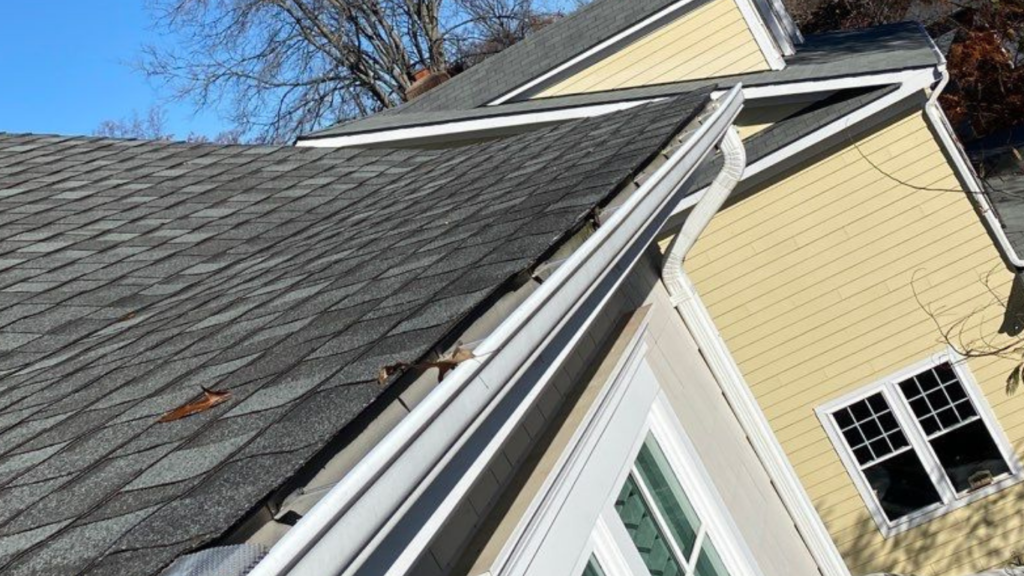
Roofing emergencies never happen at a convenient time. A fallen tree, severe storm, sudden leak, or structural failure can put your home at immediate risk. For homeowners in Arlington, VA and the surrounding areas, knowing what to expect from a professional emergency roof repair process can make all the difference when time is critical. At Painter Roofing, we specialize in fast, reliable emergency roof services designed to protect your home from further damage. This guide walks you through the full emergency roof repair process, explains why every step matters, and helps you understand how professional roofers restore safety and security after an unexpected roofing failure. What Is an Emergency Roof Repair An emergency roof repair is a rapid response service performed when your roof is suddenly compromised and your home is exposed to the elements. Common emergencies include storm damage, fallen trees, severe leaks, fire damage, or structural failures. In these situations, waiting days or weeks for normal repairs can lead to extensive interior damage. The emergency roof repair process focuses first on stopping immediate threats, then on creating a plan for permanent restoration. Why the Emergency Roof Repair Process Is So Important When your roof is damaged, every minute counts. Water intrusion, wind exposure, and temperature changes can damage insulation, drywall, framing, and personal belongings. Mold can begin growing within 24 to 48 hours of moisture exposure. The emergency roof repair process minimizes damage, protects your home, and reduces overall repair costs. How Arlington Weather Creates Roofing Emergencies Arlington’s weather patterns make emergency roof situations common. Heavy rainstorms, high winds, hail, falling tree limbs, and winter ice all pose risks to roofing systems. Older roofs are especially vulnerable to sudden failure during extreme weather. Understanding the emergency roof repair process helps homeowners respond quickly and effectively. Step 1: Immediate Homeowner Response The emergency roof repair process begins with your first actions. Homeowners should prioritize safety. Avoid going onto the roof. If water is entering the home, place buckets to catch drips and move valuables out of harm’s way. Then contact a professional roofing company immediately to start the emergency roof repair process. Step 2: Rapid On-Site Inspection Once the roofing team arrives, the first professional step in the emergency roof repair process is a rapid inspection. Technicians assess the extent of the damage, identify entry points for water, and determine immediate stabilization needs. This inspection guides all next steps in the emergency roof repair process. Step 3: Temporary Protection and Stabilization Stopping further damage is the top priority. The emergency roof repair process includes temporary measures such as installing tarps, sealing exposed areas, and reinforcing weak sections. These actions prevent additional water intrusion until permanent repairs can be made. Step 4: Damage Documentation Professional documentation is a critical part of the emergency roof repair process. Technicians take photos and notes detailing the damage. This information helps with insurance claims and ensures nothing is overlooked during repairs. Proper documentation supports transparency and accountability. Step 5: Detailed Repair Planning After stabilization, the emergency roof repair process moves into planning. Roofers determine whether repairs will be localized or if larger sections need replacement. They assess materials, labor, and timelines. This plan ensures repairs restore full protection and durability. Step 6: Insurance Coordination Many roofing emergencies involve insurance claims. An experienced contractor helps homeowners navigate the insurance process. Documentation from the emergency roof repair process supports claim approvals and fair settlements. This step reduces stress and confusion for homeowners. Step 7: Permanent Roof Repairs Once approved and scheduled, permanent repairs begin. This phase of the emergency roof repair process involves replacing damaged shingles, flashing, decking, and other components. All work is completed to meet building codes and manufacturer standards. Step 8: Final Inspection and Quality Check After repairs are complete, a final inspection ensures the roof is fully restored. This step in the emergency roof repair process confirms there are no remaining vulnerabilities and that workmanship meets high standards. Homeowners receive peace of mind knowing their roof is secure. Common Causes of Roofing Emergencies Understanding common triggers helps homeowners recognize risks. Storm damage, falling trees, ice dams, fire exposure, and sudden leaks are among the top reasons for emergency roof repair. Each scenario requires a fast and professional emergency roof repair process. Signs You Need Emergency Roof Repair Some situations clearly indicate an emergency. These include water pouring into the home, visible holes in the roof, sagging ceilings, or large sections of missing shingles. When these signs appear, the emergency roof repair process should begin immediately. Preventing Emergencies Through Maintenance While emergencies can’t always be prevented, regular maintenance reduces risk. Annual inspections, gutter cleaning, and minor repairs strengthen the roof against sudden failure. Preventive care supports a smoother emergency roof repair process if disaster strikes. Safety During Roofing Emergencies Roofing emergencies create hazards. Loose materials, slippery surfaces, and unstable structures are dangerous for homeowners. Professional emergency roof repair crews use safety equipment and training to work safely and effectively. DIY vs Professional Emergency Roof Repair Homeowners may attempt temporary fixes, but improper repairs often cause more harm. Professional emergency roof repair process ensures the right materials and techniques are used. DIY work may void warranties and complicate insurance claims. How Long Does the Emergency Roof Repair Process Take Timelines vary depending on damage severity. Temporary stabilization is often completed within hours. Permanent repairs may take days depending on scope and materials. Clear communication helps homeowners understand expectations. How the Emergency Roof Repair Process Protects Home Value A compromised roof threatens your home’s value. Fast emergency roof repair prevents long-term damage that reduces resale value. Restoring roof integrity preserves your investment. Why Local Experience Matters Local contractors understand Arlington’s climate, building codes, and roofing styles. Painter Roofing designs every emergency roof repair process to suit Northern Virginia homes. Local expertise leads to faster, better results. Why Arlington Homeowners Choose Painter Roofing Homeowners in Arlington, VA and the surrounding areas trust Painter Roofing for fast response, honest service, and quality workmanship. We handle every