

Storm Damage Roof Repair: How Arlington, VA Homeowners Can Protect Their Homes After Severe Weather
Severe weather is a reality for homeowners in Arlington, VA and the surrounding areas. From heavy rain and high winds to hailstorms and winter ice, your roof is constantly exposed to the elements. When storms strike, they can cause hidden and visible damage that puts your home at risk. That’s why fast, professional storm damage repair is essential for protecting your property, your family, and your investment. At Painter Roofing, we specialize in storm damage roof repair services designed specifically for Northern Virginia’s climate. This comprehensive guide explains how storms affect your roof, how to identify damage, and why timely storm damage repair is one of the smartest steps a homeowner can take after severe weather. Why Storm Damage Repair Is So Important Storm damage often starts small but grows quickly. A few missing shingles or a small puncture can allow water to enter your home. Over time, that moisture leads to mold, rot, insulation failure, and structural damage. Prompt damage repair prevents minor issues from becoming major problems. It protects your roof’s integrity, your home’s interior, and your long-term property value. How Arlington Weather Impacts Roofs Arlington experiences a wide range of weather conditions throughout the year. Spring and summer storms bring heavy rain, wind, and hail. Fall storms include strong gusts and falling debris from mature trees. Winter brings freezing temperatures, ice, and snow. Each of these conditions can weaken roofing materials. Storm damage repair is especially critical in this region because repeated exposure accelerates roof deterioration. Common Types of Storm Damage Storms affect roofs in different ways depending on intensity and duration. Wind damage can lift or remove shingles and flashing. Hail can bruise shingles and break protective granules. Heavy rain exposes weaknesses in seals and underlayment. Ice and snow can create ice dams that force water beneath shingles. All of these issues require professional damage repair to restore proper protection. Wind Damage and Missing Shingles High winds are one of the most common causes of roof damage in Arlington. Wind can loosen shingles, tear them off completely, or expose nails and seams. Even if damage looks minor, exposed areas allow water infiltration. Storm damage repair for wind issues usually involves replacing missing shingles, resealing edges, and reinforcing vulnerable areas. Hail Damage and Shingle Bruising Hailstorms may not always look destructive from the ground, but they often leave behind hidden damage. Hail can bruise shingles, crack them, or remove protective granules. This weakens the roofing material and shortens its lifespan. Storm damage repair after hail includes replacing damaged shingles and ensuring the roof’s surface is fully sealed. Rain and Moisture Intrusion Heavy rain can exploit even the smallest vulnerabilities in your roof. Leaks often develop around chimneys, vents, skylights, and flashing. Once water gets inside, it can soak insulation, stain ceilings, and lead to mold growth. Professional damage repair identifies moisture paths and seals them properly. Ice Dams and Winter Storm Damage In winter, melting snow can refreeze along roof edges, forming ice dams. These dams trap water on the roof, forcing it under shingles and into the home. This causes interior leaks and structural damage. Storm damage repair for ice-related issues includes fixing roofing materials and improving ventilation and insulation. Falling Debris and Impact Damage During storms, branches and debris can fall onto roofs. Impact damage may crack shingles, puncture the roof deck, or damage gutters and flashing. Storm damage repair after debris impact often involves replacing damaged sections and ensuring structural integrity. Signs You Need Storm Damage Repair Some storm damage is obvious, but other signs are subtle. Homeowners should look for missing or lifted shingles, dented gutters, granules in downspouts, water stains on ceilings, moldy odors, and higher energy bills. If any of these appear after a storm, it’s time to schedule damage repair. Why Professional Inspections Matter After a Storm Many homeowners assume everything is fine if they don’t see damage from the ground. However, storm damage is often hidden. A professional inspection identifies problems that untrained eyes miss. At Painter Roofing, our damage repair process starts with a thorough evaluation of your roof’s condition. The Storm Damage Repair Process Storm damage repair begins with a detailed inspection. We examine shingles, flashing, vents, gutters, and the roof deck. We document all damage and explain our findings clearly. Then we develop a repair plan tailored to your roof’s needs and the extent of the damage. Temporary Protection and Emergency Repairs If your roof is actively leaking, emergency storm damage repair may be necessary. This includes temporary tarping, sealing exposed areas, and preventing further water intrusion until permanent repairs can be completed. Fast action limits interior damage and protects your belongings. Full Roof Repairs vs Partial Repairs Not all storm damage requires full roof replacement. Often, damage repair involves replacing only the damaged sections while preserving the rest of the roof. However, if damage is widespread or the roof is already near the end of its lifespan, replacement may be recommended. Storm Damage Repair and Insurance Claims Many storm repairs are covered by homeowners insurance. Professional documentation is essential for claims. At Painter Roofing, we help homeowners understand the process and provide detailed reports for insurance adjusters. Storm damage repair supported by proper documentation improves claim outcomes. Preventing Future Storm Damage While storms can’t be avoided, preparation helps minimize damage. Regular inspections, proper maintenance, secure flashing, and quality materials all reduce the risk of future issues. Proactive storm repair strengthens your roof against the next storm. How Storm Damage Repair Protects Home Value A damaged roof lowers property value and buyer confidence. Storm damage repair restores your roof’s appearance and performance, protecting your investment. Homes with well-maintained roofs sell faster and at higher prices. Energy Efficiency and Storm Damage Storm damage can affect insulation and ventilation. Leaks and air gaps increase heating and cooling costs. Storm damage repair restores your roof’s energy performance and indoor comfort. Safety Benefits of Professional Storm Damage Repair Climbing onto a damaged roof is dangerous. Professional storm damage repair
Signs Foundation Needs Repair: Complete Guide for Arlington Homeowners
For homeowners in Arlington, Virginia and surrounding communities, recognizing the signs foundation needs repair is essential for protecting your home’s long-term value and safety. While roofing systems protect your home from above, your foundation protects everything from below. When foundation problems develop, the signs often appear slowly but become more serious and costly if ignored. Knowing the most important warning indicators helps homeowners recognize issues early, schedule professional evaluations, and prevent damage from spreading throughout the house. Painter Roofing primarily focuses on exterior home protection, but we are often the first professionals homeowners call when they notice the signs foundation needs repair. These symptoms frequently point to possible foundation issues, and catching them early makes a significant difference in cost and complexity. Understanding these warning signs is crucial for maintaining the health, safety, and value of your home. This comprehensive guide explains what causes foundation problems in Arlington, the most common foundation needs repair, how to evaluate damage, and when to call a professional for help. Why Foundation Issues Are Common in Arlington and Surrounding Areas Arlington and nearby communities such as Alexandria, Falls Church, Fairfax, McLean, and Annandale feature diverse soil conditions, heavy rainfall seasons, and homes ranging from new builds to older historic structures. All of these factors make understanding foundation warning signs especially important for local homeowners. Several regional factors contribute to foundation stress: Soil Composition Northern Virginia has clay-heavy soil in many neighborhoods. Clay expands when wet and shrinks when dry, causing constant pressure on foundation walls. Rainfall and Drainage Frequent storms and periods of heavy rain can lead to water pooling near the foundation, increasing hydrostatic pressure. Temperature Fluctuations Freeze-thaw cycles in winter cause soil movement that can stress foundation materials. Older Homes Many Arlington homes were built decades ago, and natural settling contributes to structural shifts. Improper Grading Poor drainage around the property can force water toward the foundation instead of away from it. Because these factors affect nearly every home in the region, recognizing early warning indicators protects your investment and prevents larger structural problems. The Most Important Signs Foundation Needs Repair: What to Watch For Foundation issues reveal themselves in multiple ways. Some signs are easy to overlook, while others appear suddenly and indicate severe problems. Below are the most critical signs foundation needs repair that Arlington homeowners should monitor. 1. Cracks in Exterior Walls or Brickwork Cracks on the outside of your home are one of the earliest signals of foundation movement. These cracks may appear as: Horizontal lines Stair-step cracks in brick Vertical cracks near corners Diagonal cracks extending from windows While not all exterior cracks indicate serious problems, they are often the first visible indicators that something is shifting beneath your home. 2. Interior Wall Cracks Cracks inside your home may appear in: Drywall Plaster Above doorways Along ceilings In basement walls Hairline cracks are common in older homes, but wide or growing cracks are strong indicators that require immediate attention. 3. Doors and Windows Sticking or Not Closing Properly If your doors or windows used to close smoothly and now seem misaligned, stick, or require force to shut, your foundation may be shifting. This is one of the most common warning signs homeowners notice first. Doors and windows may also show: Uneven gaps Latches that no longer align Visible frame distortion These symptoms often indicate that parts of the home have become uneven. 4. Uneven or Sloping Floors When a foundation settles unevenly, floors start to slope or feel soft. Homeowners often recognize this when: Furniture seems unbalanced Objects roll toward one side of a room Flooring shows dips or raised areas Uneven floors are among the most serious warning indicators and should be evaluated immediately. 5. Sagging or Cracked Basement Walls Homes with basements may show signs of foundation pressure through wall movement. Look for: Bowed walls Bulging concrete Horizontal cracks Dampness or moisture intrusion Basement problems are often clear indicators related to soil pressure and structural stress. 6. Gaps Around Doors, Windows, and Exterior Trim When a foundation moves, it often pulls the rest of the house with it. This can cause visible gaps around: Window frames Door frames Exterior trim Garage framing These changes typically mean the structure is shifting and should be inspected professionally. 7. Water in the Basement or Crawl Space Moisture around your foundation increases pressure and accelerates structural issues. Persistent dampness, puddling, or basement water intrusion should be treated as strong warning indicators even if no cracks are visible yet. 8. Chimney Leaning or Separating Chimneys tend to be heavy and structurally independent from the rest of the house. If your chimney is leaning or separating from your home, it can signal foundation movement below the surface. This is one of the most dramatic warning indicators and often indicates more serious structural concerns. 9. Cracked Driveways or Sidewalks Near the Home While driveway cracks do not always indicate foundation problems, patterns of movement near the home structure can be early warning indicators. If cracks appear close to the house, especially if they shift in direction or widen over time, a deeper issue may be present. 10. Nails Popping from Walls If nails pop out of drywall or paint cracks appear suddenly, it may indicate the home is experiencing subtle shifting. This is often overlooked but can be an early warning among the broader foundation issues. Why These Warning Signs Should Never Be Ignored Foundation problems rarely fix themselves. Instead, they worsen over time as soil movement, moisture, and structural pressure continue to affect the home. Ignoring warning indicators can lead to: Water intrusion Mold and mildew growth Structural instability Roof stress Drainage problems Increased repair costs Difficulty selling the home later Declining property value Recognizing these foundations needs to be repaired early is the key to managing costs and preserving home safety. What Causes Foundation Damage in Arlington Homes A variety of environmental and structural factors contribute to foundation instability in Arlington and surrounding areas. Poor Drainage Water pooling around
Storm Damage Assessment in Arlington, VA: Why It’s Critical After Severe Weather
Storm Damage Assessment in Arlington, VA: Why It’s Critical After Severe Weather When severe weather strikes Arlington, VA, your roof becomes your home’s first shield against destruction. Heavy rain, hail, strong winds, and flying debris can damage even a well-built roofing system. That’s why scheduling a professional storm damage assessment immediately after a major storm is essential. At Painter Roofing, we help Arlington homeowners identify damage early, document it properly, and take fast action—before minor problems become expensive repairs Why Storm Damage Assessment Matters Storm damage is not always visible to the untrained eye. In fact, many roofing issues remain completely hidden until serious and costly problems have already developed beneath the surface. A professional storm damage assessment helps uncover hidden moisture penetration, loosened shingles and flashing, damaged underlayment, and structural weaknesses that most homeowners would never detect on their own. Without a proper inspection, even the smallest crack can quietly evolve into a major leak, eventually leading to mold growth, wood rot, and expensive structural repairs that could have been avoided entirely. In Arlington, Alexandria, Falls Church, and McLean, storms arrive fast and without warning, leaving little time to react. Acting early after any storm event is the smartest way to protect both your home and your long-term investment. Follow us on Facebook to stay updated on storm alerts and maintenance tips for your area. Common Types of Storm Damage in Arlington, VA Each weather event creates different roofing risks. A complete storm damage assessment checks for all of the following. Wind Damage Strong winds are one of the most common culprits behind roofing damage in the Arlington area. They can lift shingles, tear flashing, and expose the vulnerable roof decking beneath. What makes wind damage particularly deceptive is that much of it simply isn’t visible from the ground. Nail pull-throughs and lifted edges require a trained professional eye to detect and address before they worsen. Hail Damage Hail may seem harmless after the storm passes, but its impact on your roof can be significant and long-lasting. Even a brief hailstorm can bruise shingles, dislodge the protective granules that shield your roof from UV exposure, and dent vents and flashing. When left untreated, even small hail impacts steadily shorten your roof’s overall lifespan, making early assessment essential. Water Damage Water is one of the most destructive forces a roof can face. When driven under shingles during a storm, it can cause rotting roof decking, encourage mold growth, and compromise insulation throughout your home. A thorough storm damage assessment always includes an attic inspection to identify hidden leaks that would otherwise go undetected until the damage becomes severe. Debris and Fallen Branches Storm debris is another source of damage that homeowners often overlook. Fallen branches and wind-driven debris can puncture roofing materials, block gutters, and create water backup that places sustained stress on your entire roofing system. Left unaddressed, blocked drainage leads to long-term deterioration that compounds with every subsequent storm. Ice and Snow Damage Although Arlington winters tend to be relatively mild, freeze-thaw cycles still pose a real threat to roofing systems throughout the colder months. Repeated temperature fluctuations can crack flashing, create damaging ice dams along the roofline, and allow water infiltration that weakens the structure from within. Post-storm inspections remain just as crucial during winter as they are any other time of year. . The Storm Damage Assessment Process At Painter Roofing, we follow a thorough, proven inspection system designed to leave nothing to chance. Step 1: Exterior Visual Inspection Every inspection begins with a comprehensive exterior assessment. Our team carefully examines shingles, flashing, gutters, vents, chimneys, and skylights, looking for any signs of storm-related wear, displacement, or deterioration that could compromise your roof’s performance. Step 2: Drone Roof Imaging We take accuracy and safety seriously, which is why we incorporate advanced drone technology into every inspection. High-resolution aerial imaging allows our team to capture a complete picture of your roof’s condition, detecting hard-to-see damage in areas that would otherwise be difficult or dangerous to access manually. Step 3: Attic and Interior Inspection Some of the most telling signs of storm damage are found not on the roof itself, but inside your home. Our inspectors examine the attic and interior spaces for ceiling stains, damp insulation, signs of mold, and ventilation issues. Hidden moisture is frequently discovered at this stage, often before a homeowner is even aware a problem exists. Step 4: Detailed Documentation Every storm damage assessment we conduct is fully documented with photographs, precise measurements, and written findings. This comprehensive record serves a critical purpose beyond the inspection itself, providing the supporting evidence needed to strengthen and streamline your insurance claim. Step 5: Repair Recommendations Once our inspection is complete, we walk you through our findings with complete clarity and transparency. Whether your home needs minor roof repairs, targeted storm restoration, or a full roof replacement, we explain every option in plain language so you can make a confident, informed decision. Transparency always comes first. . Why You Shouldn’t Delay a Storm Damage Assessment Delays increase repair costs. Even small issues worsen over time. Immediate assessment helps you: Stop leaks early Improve insurance claim approval Avoid emergency repairs Protect your interior Preserve roof lifespan Painter Roofing recommends inspections within 48 hours of severe weather. The Role of Insurance in Storm Damage Assessment Insurance providers require proof. A professional inspection ensures: Accurate claim documentation Verified storm-related damage Clear repair justification Painter Roofing assists homeowners by: Preparing insurance-aligned reports Coordinating with adjusters Ensuring nothing is overlooked A certified storm damage assessment strengthens your claim. What Homeowners Should Do After a Storm Before Inspection Stay off the roof Photograph visible damage Clear walkways for access After Inspection Review the inspection report Call your insurance company Schedule repairs or tarping These steps keep the process smooth and stress-free. Hidden Storm Damage You Might Not See Damage often invisible to homeowners includes: Small shingle punctures Lifted edges allowing water entry Compromised flashing Attic condensation from ventilation failure Advanced inspection
Emergency Roof Repair Services: What Arlington Homeowners Need to Know
Few things cause more stress for homeowners than sudden roof damage. One moment your home feels secure, and the next, a storm, fallen branch, or leak threatens its safety. That’s where emergency roof repair comes in. Quick response can mean the difference between a small fix and thousands of dollars in damage. At Painter Roofing, we specialize in helping Arlington, VA, homeowners and those in surrounding areas when disaster strikes. This guide explains what emergency roof repairs involve, how to know when you need them, and what steps you should take to protect your home. What Counts as a Roofing Emergency? Not every roofing issue requires immediate attention, but some problems demand urgent action. Homeowners should consider urgent roof repair when storm damage exposes roof decking or interior spaces, or when leaks cause water to drip into living areas. Other emergencies include when shingles, flashing, or vents are ripped away by high winds, or when a fallen tree or large limb punctures the roof. Additionally, ice dams or sudden snow loads can create structural risks. In general, if the damage threatens your home’s safety or allows water inside, it should be treated as an emergency. Common Causes of Roofing Emergencies in Arlington Living in Northern Virginia means coping with unpredictable weather, which often leads to roofing emergencies. In Arlington and the surrounding areas, the most common causes of emergency roof repairs include thunderstorms with high winds that tear shingles loose, heavy rains that expose hidden leaks, and snow and ice that result in collapsed sections or ice damming. Additionally, fallen trees—often from aging landscaping or saturated soil—can cause significant damage. Wear and tear on older roofs may also lead to sudden failure. Since these events can occur unexpectedly, preparation and a quick response are crucial. Why Speed Matters in Emergency Roof Repair When a roof is compromised, every hour counts. Water infiltration spreads quickly, soaking insulation, damaging drywall, and creating conditions for mold. Structural damage can follow if problems aren’t addressed. By calling for urgent roof repair immediately, Arlington homeowners can minimize damage. Even temporary fixes like tarping provide valuable protection until permanent repairs are made. Steps Homeowners Should Take If you suspect serious roof damage, safety should always be your top priority. Avoid climbing on the roof yourself, especially during storms. Instead, take these steps: Move valuables away from leaks inside the home to protect them from water damage. Place buckets or containers to catch dripping water and minimize interior damage. Document visible damage with photos for insurance purposes, ensuring you have a clear record of the issue. Call a professional roofing contractor experienced in emergency roof repair to handle the situation safely and effectively. Painter Roofing offers 24/7 response in Arlington and the surrounding communities, providing peace of mind when emergencies strike. Temporary vs. Permanent Repairs Not all repairs happen immediately. Often, contractors provide temporary protection, such as tarping, to prevent further damage. Once conditions allow, permanent repairs like replacing shingles, resealing flashing, or rebuilding sections of the roof are completed. Understanding the difference helps set expectations. urgent roof repair starts with stabilization and ends with lasting solutions. The Role of Insurance in Urgent Roof Repair Roof damage from storms or accidents may be covered by homeowner’s insurance. Clear documentation is essential. Photos, inspection reports, and receipts help support claims. At Painter Roofing, we assist Arlington homeowners by providing detailed inspection notes and repair estimates. This makes the insurance process smoother and ensures necessary urgent roof repair work is covered. How Professionals Handle Roof Repair Emergency A professional contractor follows a systematic approach: Inspection: Identify the full extent of the damage. Stabilization: Apply tarps, sealants, or temporary patches. Repair: Replace damaged materials, seal leaks, and restore roof integrity. Cleanup: Ensure debris and hazards are removed safely. This structured process ensures Arlington homeowners get reliable and efficient emergency roof repair services. Why DIY Isn’t the Answer Climbing onto a roof after a storm is dangerous. Slippery surfaces, unstable structures, and live electrical lines pose serious risks. Even small mistakes can worsen damage. For these reasons, emergency roof repair should always be left to professionals. Painter Roofing has the training, equipment, and experience to handle emergencies safely. Preventing Future Emergencies While no homeowner can control the weather, preventative maintenance reduces risks. Regular inspections, gutter cleaning, trimming nearby trees, and replacing aging materials all help. By staying proactive, Arlington residents reduce the likelihood of needing emergency roof repair in the future. Painter Roofing offers preventative services designed to identify problems before they escalate. The Painter Roofing Difference When emergencies happen, trust matters. Painter Roofing has built a reputation in Arlington, VA, for dependable service, fast response, and professional repairs. We combine local knowledge with industry expertise to provide roof repair emergency you can rely on. Whether you’re facing storm damage, sudden leaks, or fallen debris, our team is ready to restore your home quickly and effectively. Final Thoughts: Be Ready Before You Need It Emergencies are unpredictable, but your response doesn’t have to be. By understanding the signs of damage, taking immediate precautions, and calling trusted professionals, you can protect your home from escalating problems. When roofing emergencies strike, our team responds quickly with professional solutions you can trust. Learn more about us and our 24/7 roof repair emergency services in Arlington VA that protect homes throughout the region. For homeowners in Arlington and the surrounding areas, Painter Roofing is here to deliver fast, reliable, and effective roof repair emergency services. We’re committed to keeping your home safe—no matter what the Virginia weather brings. Need Immediate Roof Repair? Contact Us Now for Fast, Reliable Service!” FAQs About Roof Repair Emergency 1. How much does Immediate roof repair cost? Immediate roof repair typically costs between $200 and $1,500, depending on the damage and materials needed. For an accurate estimate, contact a local roofing contractor. 2. What constitutes an Immediate roof repair? Immediate roof repair is needed when damage threatens your home’s safety, such as leaks, missing shingles, fallen trees, or structural
Storm Damage Roof Repair in Arlington, VA: What to Do After a Storm
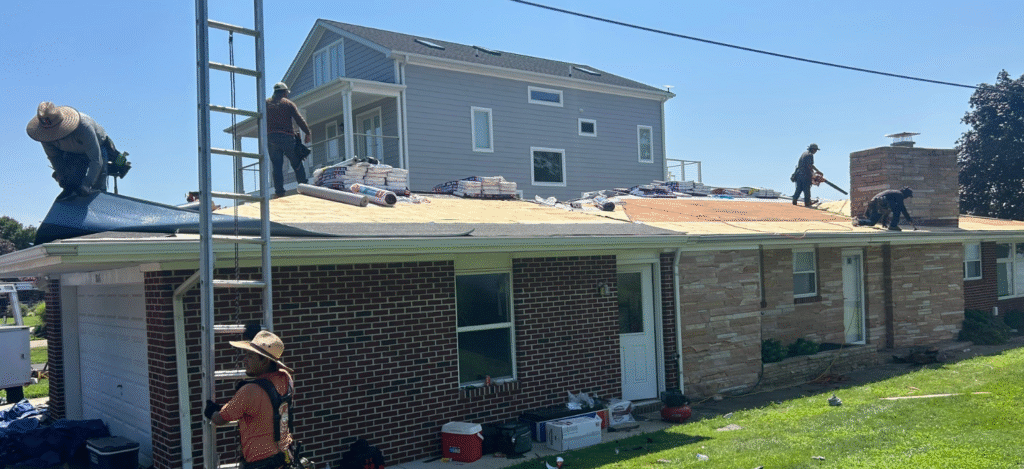
Arlington, Virginia is no stranger to unpredictable weather. Whether it’s severe summer thunderstorms, winter ice storms, or strong wind gusts, the local climate puts a homeowner’s roof to the test. Over time, even the strongest roofing systems can take a hit. When that happens, storm damage repair becomes an urgent necessity to prevent further structural issues. At Painter Roofing, we specialize in storm damage restoration that targets the specific needs of Arlington homes. This blog walks homeowners through the types of storm damage they might face, how to recognize issues early, and what steps to take to ensure fast and effective solutions. Severe weather doesn’t discriminate by location, and every community within our service area can experience storm damage. Our rapid-response storm damage repair services in Arlington VA ensure that homeowners and businesses receive immediate assistance when disaster strikes. Understanding the Impact of Roof Storm Damage When a storm hits, the most exposed part of your home is the roof. The impact can range from cosmetic issues to severe structural vulnerabilities. High winds can tear off shingles, hail can crack protective layers, and heavy rains can exploit the smallest of leaks. Over time, unaddressed damage leads to interior water infiltration, attic mold growth, compromised insulation, and eventual structural decay. That’s why storm damage restoration isn’t just about fixing a leak—it’s about restoring the integrity of your home. Common Types of Storm Damage Repair Needs Every storm brings a unique set of problems, and no two roofs are affected in the same way. However, certain issues tend to recur across Arlington homes. One of the most common problems is missing or damaged shingles. Strong winds can easily loosen or tear off shingles, exposing the underlayment to the elements. Cracked flashing is another frequent issue, as the thin metal strips around roof features can get lifted or punctured during storms. Additionally, vents and gutter systems are often targeted by hail and debris, causing dents and potential damage. Rain pooling can lead to sagging or leaking roof sections, damaging the decking underneath. Finally, chimney caps and skylights are often vulnerable to storm damage, frequently being the culprits behind post-storm leaks. All of these issues require prompt storm damage restoration to prevent further damage and escalating problems. How to Spot Roof Damage After a Storm You don’t need to climb on your roof to identify potential problems. There are several signs you can spot from the ground that indicate storm damage. Shingle pieces scattered around your yard can be a clear sign that your roof has been compromised. Exposed roof decking or felt underlayment is another warning sign that shingles have been removed or damaged. Crooked or sagging gutters can also signal that your roof or gutter system has been affected by strong winds or debris. Inside your home, you may notice water stains on ceilings or attic rafters, peeling paint, or bubbling drywall, all of which suggest water infiltration due to roof damage. Unusual musty odors may also indicate moisture buildup in your attic or ceiling. If you notice even one of these warning signs, it’s time to call in storm damage restoration professionals to inspect and assess the extent of the damage. Why Timely Storm Repair Services is Essential Delaying storm damage repair can lead to costlier issues down the road. Leaks grow. Mold spreads. Wood rots. Energy bills rise. The longer you wait, the worse the outcome. Prompt action is not only a smart financial decision, but it also helps when filing insurance claims. Many policies have strict timelines that require homeowners to act fast. Painter Roofing’s quick-response team ensures your roof is secure while helping you navigate insurance documentation. Emergency Storm Damage Repair Services in Arlington Storms do not check your schedule. That’s why Painter Roofing offers 24/7 emergency storm repair services across Arlington and nearby areas. Our team responds swiftly to your call and begins with temporary protection—like tarping damaged areas or sealing active leaks. After the emergency phase, we move into full assessment and permanent repair mode. Whether your roof needs partial patchwork or complete re-decking, we handle every detail from start to finish. Insurance Claims and Storm Repair Services Many homeowners feel overwhelmed dealing with insurance claims. That’s where our experience comes in handy. Painter Roofing helps Arlington residents document storm damage repair needs for insurance purposes. We take clear, time-stamped photographs, create detailed estimates, and even meet with your insurance adjuster on-site if needed. Our goal is to ensure your policy works for you, not against you. Choosing the Right Roofing Contractor for Storm Damage Not all roofers are created equal. After a major storm, out-of-town contractors often flood into the area. These so-called “storm chasers” may offer quick fixes, but they rarely stick around for follow-up service. Painter Roofing is based in Arlington and has built its reputation over the years through honesty, quality craftsmanship, and dependable service. We offer warranties on our storm repair services work and stand by every project we complete. What to Expect During a Storm Repair and Recovery Project The storm repair and recovery process begins with a comprehensive roof inspection. Our team will walk you through our findings, using photos and detailed notes to explain the areas that require attention. Once we agree on a storm repair and recovery plan, we’ll schedule the work promptly. Depending on the extent of the damage, we may replace damaged shingles or tiles, repair or replace roof decking, reinforce or reseal flashing, clean and reattach gutter systems, and install new underlayment or moisture barriers. Throughout the project, we prioritize keeping the work area tidy and ensuring that your home remains protected. Preventative Tips to Reduce Future Storm Damage While storms are inevitable, their impact can be minimized with the right preventative measures. Here are Painter Roofing’s top suggestions for protecting your Arlington home: Schedule seasonal inspections: Catch small issues before they become major problems. Trim tree limbs: Remove overhanging branches that can crash onto your roof during a storm. Upgrade your materials:
Common Roof Leak Causes: What Arlington Homeowners Should Know
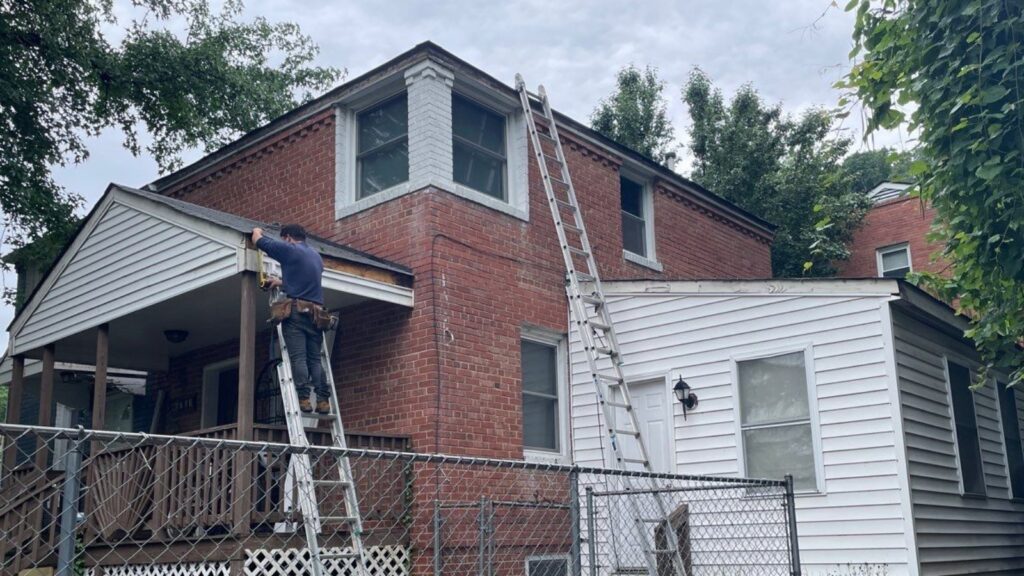
A leaking roof is one of the most stressful problems a homeowner can face. Water spots on the ceiling, dripping in the attic, or moisture along the walls are all signs that your home’s protective barrier has been compromised. But where does the water come from, and how can you stop it from doing more damage? Understanding the most frequent roof leak causes is the first step in keeping your home dry, safe, and structurally sound. At Painter Roofing, we’ve helped homeowners throughout Arlington and nearby communities identify and resolve roof leaks before they escalate into serious issues. This guide covers the most common causes of roof leaks, how to spot them early, and what you can do to prevent them from happening in the future. Why Roof Leaks Are a Big Deal Even a small leak can lead to major problems if ignored. Water doesn’t just drip through your ceiling—it can soak insulation, rot wood framing, grow mold, and damage electrical systems. That’s why it’s important to recognize the most likely roof leak causes and act fast. Damaged or Missing Shingles One of the most obvious and widespread causes of roof leaks is damaged or missing shingles. Shingles can crack, curl, or be blown away entirely due to age, wind, or hail. Without them, your roof’s underlayment is exposed to the elements and water can easily seep in. This is especially common after strong summer storms in Arlington, where sudden wind gusts or falling debris can loosen or remove shingles in just minutes. Compromised Flashing Flashing is the thin metal material installed around roof features such as chimneys, skylights, valleys, and vents. It’s designed to direct water away from seams and joints. When flashing becomes rusted, cracked, or poorly installed, it no longer seals the gap—and water finds its way in. Improper flashing installation is one of the most overlooked causes of roof leaks, and often the first place our roofing specialists check during an inspection. Clogged or Broken Gutters Gutters are meant to channel water away from the roof and foundation. But when they become clogged with leaves, debris, or sediment, water can back up and pool on the roof’s edge. Over time, that moisture works its way under the shingles and causes leaks. Neglecting gutter maintenance is one of the most preventable roof leak causes, yet we see it regularly on homes across Arlington. Skylight Leaks Skylights bring natural light into your home—but they can also bring water if not properly sealed or maintained. Faulty installation, cracked panes, or old flashing around the frame can allow water to seep in during heavy rain. Skylight leaks are often misdiagnosed because the water enters around the frame and can appear far from the source. They remain a tricky but common roof leak cause in both older and newer homes. Chimney Wear and Tear Chimneys are another major entry point for leaks. Water can get in where the roof meets the brick or stonework, especially if flashing is loose or mortar has deteriorated. Cracked chimney crowns and missing caps can also allow water to enter from the top. Chimney-related issues are one of the more complex causes of roof leaks, and often require coordination between roofing and masonry professionals to resolve. Improper Roof Vent Installation Roof vents allow heat and moisture to escape your attic—but if they’re not installed correctly, they can also let water in. Loose seals, poor caulking, or cracked vent housings are all common roof leak causes after vent installations or repairs. This type of leak is common in Arlington homes that have been retrofitted with additional ventilation systems or attic fans. Cracked or Improperly Sealed Valleys A roof valley is where two roof planes meet, forming a channel for rainwater to run off. If the shingles or flashing in this area are damaged or poorly installed, the valley can become a direct pathway for water into your home. Valleys carry a lot of water, especially during heavy rainfall. That volume makes them one of the most vulnerable and frequent causes of roof leaks. Ice Dams in Winter While not as common as other regions, Arlington can still see winter storms that lead to ice dams. Ice dams form when snow melts on a warm roof, then refreezes at the colder eaves. The ice blocks proper drainage, and water backs up under the shingles. When this happens, your roof materials may not be able to hold the water, making ice dams one of the seasonal roof leak causes that catch homeowners off guard. Aging Roof Materials Every roofing system has a lifespan. As shingles, underlayment, flashing, and sealants age, they lose their ability to protect your home. Materials can shrink, crack, or simply wear out after years of exposure to sun, wind, and rain. An aging roof is one of the leading causes of roof leaks, particularly for homes in Arlington built more than 20 years ago. Regular inspections help catch these problems before they become major leaks. Improperly Driven Nails or Poor Workmanship If nails are overdriven, underdriven, or misplaced, they can puncture the roofing materials or leave gaps where water can sneak in. Similarly, poor workmanship—like misaligned shingles or rushed installations—can create vulnerabilities. Improper installation is one of the more frustrating roof leak causes because it usually means paying twice—once for the original job and again for the repair. Storm Damage High winds, hail, and flying debris during storms can compromise your roof in many ways. Even if you don’t see obvious damage from the ground, a professional inspection may reveal missing granules, punctures, or torn flashing. Storms remain one of the most unpredictable reasons for roof leaks, which is why post-storm inspections are highly recommended in Arlington and surrounding areas. Roof Punctures from Debris or Foot Traffic Falling branches, animal activity, or walking on your roof without proper care can create punctures in the shingles or underlayment. These small holes may go unnoticed until they cause water to enter during a storm. Damage