

Wood Siding Maintenance: Essential Tips for Arlington, VA Homeowners

Wood siding is one of the most beautiful and timeless exterior materials a home can have. Many homes throughout Arlington, VA and the surrounding Northern Virginia communities feature wood siding because of its natural charm, durability, and classic appearance. However, like any natural material, wood requires proper care to maintain its strength, beauty, and protection against the elements. Understanding the basics of wood siding maintenance helps homeowners protect their investment and extend the life of their home’s exterior. Without regular care, wood siding can deteriorate due to moisture, sunlight, pests, and temperature changes. Proper wood siding maintenance prevents costly repairs, protects structural components, and ensures your home continues to look its best for years to come. At Painter Roofing, we help homeowners throughout Arlington maintain and repair exterior siding systems. This guide provides practical wood siding maintenance tips that can help you keep your siding in excellent condition while protecting your home from damage. Why Wood Siding Maintenance Is Important Wood siding provides both protection and visual appeal. It acts as a barrier against rain, wind, and temperature changes while also enhancing curb appeal. However, because wood is a natural material, it can be affected by environmental conditions if it is not properly maintained. Regular wood siding maintenance is essential because it helps: Prevent moisture damage Reduce the risk of wood rot Protect against pests and insects Maintain exterior appearance Extend siding lifespan Improve property value Homes in Arlington experience hot summers, freezing winters, heavy rain, and seasonal humidity. These conditions make routine wood siding maintenance even more important for homeowners in the region. Common Types of Wood Siding Before discussing maintenance tips, it is helpful to understand the types of wood siding commonly found on homes in Arlington and surrounding areas. Clapboard Siding Clapboard siding features long horizontal boards that overlap one another. This classic style is common in traditional homes. Shingle or Shake Siding Wood shingles or shakes create a textured exterior and are often used in historic homes or coastal-style architecture. Board and Batten Siding This vertical siding style includes wide boards with narrow strips (battens) covering the seams. Tongue and Groove Siding Tongue and groove boards interlock to create a tight, smooth appearance. Each siding style requires slightly different care, but the overall principles of wood siding maintenance remain the same. Challenges Facing Wood Siding in Arlington, VA Homeowners in Arlington deal with several environmental conditions that affect wood siding. Moisture and Humidity Moisture is one of the biggest threats to wood siding. Rain, snow, and humidity can lead to swelling, rot, and mold growth if siding is not properly sealed. Sun Exposure Ultraviolet rays can break down wood fibers and cause fading or cracking over time. Temperature Changes Seasonal temperature swings cause wood to expand and contract. Without proper wood siding maintenance, this movement can create gaps and cracks. Pest Activity Termites, carpenter ants, and other insects may attack wood siding if protective coatings deteriorate. Understanding these challenges helps homeowners prioritize regular wood siding maintenance to prevent damage. Inspect Your Siding Regularly One of the most important wood siding maintenance habits is performing regular inspections. Catching small problems early prevents costly repairs later. Homeowners should inspect siding at least twice per year and after major storms. Look for signs such as: Cracks or splits Peeling paint Soft or rotting wood Warped boards Mold or mildew Loose nails or fasteners Professional inspections from experienced contractors like Painter Roofing can also identify issues that may not be obvious to homeowners. Keep Wood Siding Clean Dirt, pollen, mold, and algae can accumulate on siding surfaces over time. Cleaning the siding is a simple but effective part of wood siding maintenance. Use a soft brush or low-pressure hose to remove debris. Mild detergent and water can help remove dirt and mildew without damaging the wood. Avoid high-pressure washing, which can force water into the siding and cause damage. Gentle cleaning once or twice a year helps maintain the appearance and durability of wood siding. Maintain Paint and Protective Finishes Paint and stains serve as protective barriers that shield wood from moisture and sunlight. Maintaining these finishes is a critical part of wood siding maintenance. Painted siding typically needs repainting every five to ten years, depending on climate exposure and product quality. Stained siding may require reapplication more frequently. Signs that siding needs refinishing include: Peeling paint Fading color Cracking coatings Exposed wood Keeping protective coatings in good condition is one of the most effective wood siding maintenance strategies. Seal Cracks and Gaps Small cracks or gaps in wood siding can allow moisture to enter and cause rot. Sealing these openings is an important step in wood siding maintenance. Exterior-grade caulk should be used to seal gaps around: Windows Doors Trim boards Siding joints Sealing these areas helps prevent water infiltration and protects the underlying structure. Trim Nearby Trees and Vegetation Trees and shrubs can trap moisture against siding and create conditions for mold or insect activity. Branches may also scrape siding during storms. Proper landscaping is an often overlooked aspect of wood siding maintenance. Homeowners should keep vegetation trimmed so that plants remain several inches away from the siding surface. This allows air circulation and reduces moisture buildup. Ensure Proper Drainage Water management is crucial for protecting wood siding. Poor drainage can cause water to pool around the foundation or splash against siding surfaces. Key drainage considerations include: Functional gutters Downspouts directing water away from the home Proper grading around the foundation Maintaining these systems supports effective wood siding maintenance by preventing water damage. Watch for Signs of Wood Rot Wood rot occurs when moisture and fungi break down wood fibers. Early detection is essential. Signs of rot include: Soft or spongy wood Discoloration Crumbling boards Musty odors Prompt repair is necessary to prevent structural damage. Professional contractors can replace damaged sections and restore the integrity of the siding. Preventing rot through regular wood siding maintenance is far easier and less expensive than repairing widespread damage. Protect Against
Insulated Siding Advantages: Why Arlington, VA Homeowners Are Investing in Smarter Exteriors
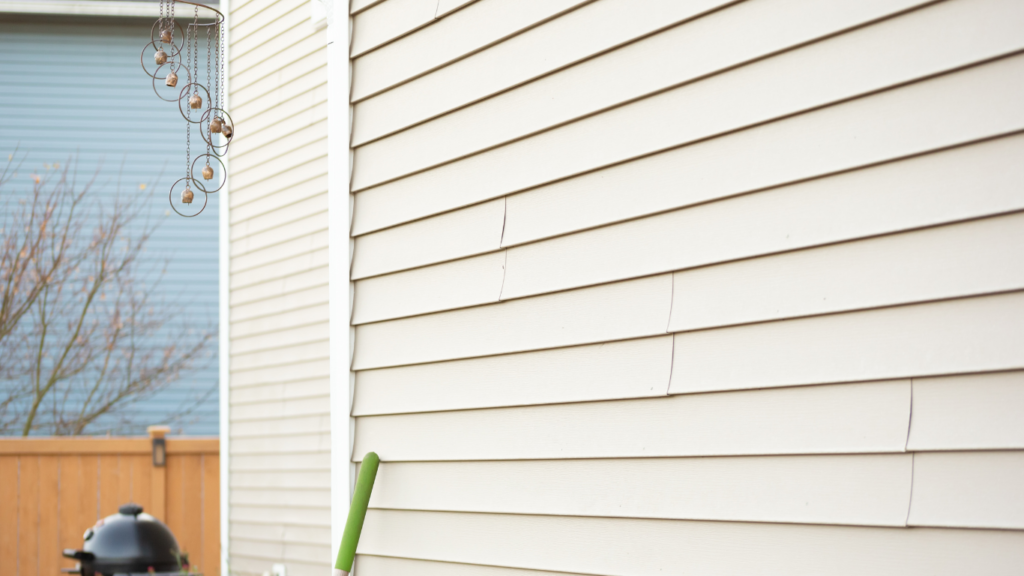
Homeowners in Arlington, VA and the surrounding areas are constantly looking for ways to improve comfort, energy efficiency, durability, and curb appeal. One of the most impactful upgrades you can make to your home’s exterior is insulated siding. This modern siding solution combines style, performance, and protection in one system, making it an increasingly popular choice for Northern Virginia homes. At Painter Roofing, we specialize in high-performance exterior upgrades designed to handle Arlington’s climate and enhance long-term home value. In this in-depth guide, we’ll explore the many insulated siding advantages, how insulated siding works, how it compares to other materials, and why it’s one of the smartest investments for homeowners in this region. What Is Insulated Siding Insulated siding looks similar to traditional vinyl or composite siding, but with a major performance upgrade. Each panel has a layer of rigid foam insulation permanently bonded to the back. This insulation fills the space between your siding and your wall sheathing, reducing heat transfer and strengthening your exterior envelope. The concept behind insulated siding advantages is simple but powerful: by wrapping your home in continuous insulation, you create a more comfortable, efficient, and durable structure. Why Arlington’s Climate Makes Insulated Siding So Valuable Northern Virginia experiences hot, humid summers and cold, variable winters. Homes in Arlington must deal with: Summer heat and humidity • Winter cold snaps and freezing rain • Heavy storms and high winds • Seasonal temperature swings Traditional siding offers very little insulation on its own, so your HVAC system works harder year-round. That’s why many homeowners are discovering the insulated siding advantages and upgrading to a smarter, more protective exterior system. Core Insulated Siding Advantages There are many insulated siding advantages that make this upgrade stand out from standard vinyl or fiber cement. Superior Energy Efficiency One of the most significant insulated siding advantages is reduced energy loss. The foam backing acts as a thermal barrier that minimizes heat escaping in winter and entering in summer. This leads to: Lower heating and cooling bills • Reduced energy waste • More consistent indoor temperatures • Less strain on HVAC equipment For Arlington homeowners, energy efficiency is one of the most valuable insulated siding advantages. Improved Indoor Comfort Insulated siding advantages go beyond utility savings. Because your walls are better protected from outdoor temperatures, rooms feel more comfortable year-round. You’ll notice: Fewer drafts • More even temperatures from room to room • Less need to constantly adjust the thermostat Comfort is one of the most appreciated insulated siding advantages among homeowners. Increased Structural Strength Insulated siding is thicker and more rigid than traditional vinyl. One of the often overlooked insulated siding advantages is improved impact resistance. The foam backing supports the panel, helping it: Resist dents from hail and debris • Hold its shape in extreme temperatures • Maintain a tight, secure fit This makes insulated siding ideal for homes in storm-prone areas. Noise Reduction Another one of the practical insulated siding advantages is sound dampening. The foam insulation absorbs outside noise, making your home quieter inside. This is especially valuable for homes near: Busy roads • Schools • Parks • Commercial areas Noise reduction is one of the lifestyle insulated siding advantages homeowners love. Moisture Protection Water intrusion is one of the biggest threats to any home. Insulated siding advantages include better moisture control and reduced risk of water damage. A tighter building envelope helps: Prevent rain penetration • Reduce condensation • Protect framing and insulation This supports a healthier, more durable home structure. Long-Term Durability Insulated siding is built to last. One of the long-term insulated siding advantages is extended lifespan compared to traditional siding materials. You’ll experience: Fewer repairs • Less warping and cracking • Better performance over time Durability is one of the core insulated siding advantages for Arlington homeowners. Increased Home Value Curb appeal and energy efficiency are major selling points. One of the financial insulated siding advantages is increased resale value. Buyers are attracted to homes that: Look modern and well-maintained • Offer lower energy costs • Have durable exterior materials Insulated siding helps your home stand out in the Arlington real estate market. Low Maintenance Unlike wood siding, insulated siding doesn’t need frequent painting or sealing. One of the convenient insulated siding advantages is low upkeep. You’ll only need: Occasional washing • Basic inspections • Minor maintenance Low maintenance is one of the lifestyle insulated siding advantages busy homeowners appreciate. How Insulated Siding Works With Your Home’s Insulation System Insulated siding doesn’t replace your existing insulation. Instead, it complements it by adding continuous exterior insulation. This reduces thermal bridging, which is when heat escapes through wall studs and gaps. The result is better overall performance and more complete insulated siding advantages. Insulated Siding vs Traditional Vinyl Siding Traditional vinyl siding is decorative and protective but offers almost no insulation value. Insulated siding advantages over vinyl include: Higher R-value • Greater strength • Better noise control • Improved energy efficiency • More realistic appearance The performance difference is why many homeowners upgrade. Insulated Siding vs Fiber Cement Fiber cement is durable but heavy and less energy-efficient. It also requires painting. Insulated siding advantages compared to fiber cement: Built-in insulation • Lower maintenance • Easier installation • Better thermal performance Styles and Design Options Insulated siding offers many aesthetic choices, including: Wood grain textures • Traditional clapboard • Cedar shake styles • Modern smooth finishes • Wide color selections You get all the insulated siding advantages without sacrificing design. Installation Process at Painter Roofing Our process includes: Removing old siding • Inspecting wall structure • Installing moisture barriers • Securing insulated siding panels • Sealing trim and edges • Final inspection Professional installation ensures you receive all insulated siding advantages. Cost vs Value of Insulated Siding Insulated siding costs more than standard vinyl, but the insulated siding advantages deliver long-term value through: Energy savings • Reduced maintenance • Fewer repairs • Higher resale value It’s an investment that pays off over time. Common Mistakes
Expert Siding Repair and Replacement Near You in Arlington, VA

Your home’s siding plays a critical role in protecting the structure, improving energy efficiency, and enhancing curb appeal. For homeowners in Arlington, VA and the surrounding areas, siding must withstand changing seasons, humidity, heavy rain, wind, and temperature fluctuations. Over time, siding can become damaged, worn, or outdated, leaving homeowners with an important decision to make: siding repair vs replacement. At Painter Roofing, we help homeowners evaluate their siding condition and determine the most practical, cost-effective solution. This guide explores the differences between siding repair vs replacement and explains how professional siding repair and replacement services can help you make the best decision for your home. Why Siding Condition Matters Siding does more than make your home look good. It serves as a protective barrier against moisture, pests, and weather-related damage. When siding begins to fail, it can allow water intrusion, mold growth, and structural deterioration. The integrity of your siding directly impacts your home’s energy performance, indoor comfort, and long-term value. Understanding siding repair vs replacement helps homeowners address problems early and avoid more expensive repairs down the road. Regular inspections and timely action can save thousands of dollars in potential damage to your home’s interior walls, insulation, and framing. Common Types of Siding in Arlington Homes Homes in Arlington feature a variety of siding materials, each with distinct characteristics and performance qualities. Common options include vinyl siding, fiber cement siding, wood siding, engineered wood, aluminum siding, and composite materials. Each type ages differently and presents unique considerations when evaluating siding repair and replacement. Vinyl siding remains popular due to its affordability and low maintenance requirements. Fiber cement offers superior durability and fire resistance. Wood siding provides timeless beauty but requires more upkeep. Understanding your specific siding material is essential when determining whether repair or replacement makes the most sense. Dutch Lap Siding vs Traditional Siding When comparing Dutch lap siding vs traditional siding, the main difference is the profile. Traditional siding offers flat, clean lines for a classic look, while the notched design creates deep shadows and added texture. This architectural detail can significantly enhance your home’s exterior character. Key Feature Traditional Siding Dutch Lap Siding Visual Profile Flat, smooth surface. Sculpted notch with shadows. Aesthetic Style Simple and modern. Historic and textured. Durability Easy to maintain. Extra rigidity and strength. The choice between Dutch lap siding vs traditional siding often comes down to personal preference and the architectural style of your home. Dutch lap provides dimensional interest that works beautifully on colonial and traditional homes, while traditional siding suits contemporary designs. Signs Your Siding May Need Attention Recognizing early warning signs is essential for protecting your home. Common indicators include cracks, warping, loose panels, fading color, bubbling paint, mold or mildew growth, increased energy bills, interior wall stains, and visible rot. You may also notice gaps between panels, pest intrusion points, or sections that sound hollow when tapped. These symptoms don’t always mean full replacement is required, which is why understanding siding repair and replacement is so important. A thorough professional inspection can determine the extent of damage and help you avoid unnecessary expenses while ensuring your home remains properly protected. What Is Siding Repair Siding repair involves fixing specific damaged areas while keeping the majority of the existing siding intact. Repairs may include replacing a few panels, sealing gaps, reattaching loose boards, addressing moisture damage, or repainting affected sections. This targeted approach focuses on restoring functionality and appearance in compromised areas. Siding repair is often ideal for localized damage caused by storms, debris, or minor wear. It allows homeowners to address immediate concerns without the disruption and expense of a complete replacement project. Benefits of Siding Repair Siding repair offers several advantages that make it an attractive option for many homeowners. It is typically more affordable than full replacement, faster to complete, and less disruptive to homeowners. Siding repair also preserves the original look of the home when the existing siding is still in good condition. For many Arlington homeowners, siding repair and replacement decisions favor repair when damage is minimal. Repair projects can often be completed in a single day, causing minimal disruption to your daily routine. Limitations of Siding Repair While siding repair can be effective, it is not always the best long-term solution. If damage is widespread, recurring, or related to aging materials, repeated repairs may become costly over time. Matching older siding materials can also be challenging, affecting appearance and creating a patchwork look. These limitations often shift decisions toward replacement. When repairs are needed frequently or when the underlying structure shows signs of deterioration, replacement becomes the more economical and practical choice. What Is Siding Replacement Siding replacement involves removing existing siding and installing a completely new system. This option allows homeowners to address underlying issues such as moisture damage, insulation gaps, and outdated materials. The process includes inspecting and repairing the substrate, adding new weather barriers, and installing fresh siding. Siding replacement provides a fresh start with modern materials designed for durability and energy efficiency. It offers an opportunity to upgrade to better-performing products and improve your home’s appearance. Siding Repair Services Maintaining the exterior of your home is essential for long-term protection, which is why professional siding repair services are vital for addressing cracks, rot, or storm damage. By hiring experts for your siding repair services, you ensure that your home remains energy-efficient and structurally sound while preventing minor issues from turning into costly full-scale replacements. Benefits of Siding Replacement Siding replacement offers long-term value that extends far beyond aesthetics. It improves protection against the elements, enhances energy efficiency, increases curb appeal, and can significantly boost home value. New siding comes with manufacturer warranties, providing peace of mind and financial protection. When evaluating siding repair and replacement, replacement often provides a better return on investment for aging or heavily damaged siding. Modern siding materials offer superior insulation properties, fade resistance, and durability. Cost Comparison Cost is one of the biggest factors homeowners consider when evaluating their options. Siding
Storm Resistant Siding Materials: A Complete Guide for Arlington, VA Homeowners

Severe weather is a reality for homeowners in Arlington, VA, and the surrounding areas. From powerful thunderstorms and high winds to heavy rain, hail, and seasonal temperature changes, your home’s exterior must withstand constant exposure to the elements. One of the most critical and often overlooked lines of defence is your siding. Choosing the right storm-resistant siding can make the difference between minor exterior wear and costly structural damage. At Painter Roofing, we help homeowners protect their properties with durable, high-performance exterior solutions. This comprehensive guide explains what storm-resistant siding is, why it matters in Northern Virginia, and which materials offer the best protection for your home. Why Storm-Resistant Siding Matters in Arlington, VA Arlington’s climate presents unique challenges for residential exteriors. Homeowners regularly deal with heavy rain and wind-driven storms, thunderstorms with hail, humid summers, freeze-thaw cycles in winter, and occasional severe weather events. Without proper protection, siding can crack, warp, loosen, or allow water infiltration. Over time, this leads to moisture damage, mould growth, insulation failure, and reduced property value. Installing resistant siding helps Arlington homeowners reduce storm-related repairs, prevent water intrusion, improve energy efficiency, increase home durability, enhance curb appeal, and protect long-term property value. Storm-resistant siding is not just an upgrade. It is an investment in your home’s safety and longevity. What Makes Siding Storm Resistant Not all siding materials perform the same during extreme weather. Actual storm-resistant siding is designed to withstand impact, moisture, and wind stress without failing. Key characteristics of resistant siding include: High impact resistance Strong wind-load ratings Moisture resistance Dimensional stability Secure fastening systems Low expansion and contraction Understanding these qualities helps homeowners choose resistant siding that performs well during Arlington’s most challenging weather conditions. Common Storm Damage to Siding Before choosing storm-resistant siding, it is helpful to understand how storms damage traditional siding materials. Common storm-related siding issues include: Cracked or shattered panels caused by hail Loose or missing siding from high winds Warping caused by moisture absorption Mould and rot behind siding Paint failure and fading Gaps that allow water infiltration Resistant siding materials are engineered to minimise or eliminate these problems, even during severe weather. Vinyl Storm Resistant Siding Vinyl siding is one of the most popular siding choices in Arlington, and modern versions offer enhanced storm resistance. Benefits of vinyl storm-resistant siding include impact absorption, moisture and rot resistance, low maintenance requirements, and affordability compared to other materials. High-quality vinyl siding can bend under impact and return to its original shape, making it a reliable, durable siding option when properly installed. Lower-grade vinyl may crack in extreme cold, and wind resistance depends heavily on installation quality. When installed correctly, vinyl siding offers dependable storm protection for many Arlington homes. Fibre Cement Storm Resistant Siding Fibre cement siding is one of the most durable, storm-resistant siding materials available. It offers excellent impact resistance, strong performance in high winds, resistance to moisture, rot, and insects, and non-combustible properties. Fibre cement performs exceptionally well against hail, wind-driven debris, and heavy rain. It does not warp or swell when exposed to moisture, making it an ideal resistant siding choice for Arlington homeowners who want maximum protection and long-term durability. Engineered Wood Storm-Resistant Siding Engineered wood siding combines wood fibers with resins to improve strength and durability. Advantages include greater impact resistance than traditional wood, resistance to moisture and pests, an attractive natural wood appearance, and lighter weight than fibre cement. Engineered wood siding is designed to withstand impact and resist swelling, making it a solid, resistant siding option when properly sealed and maintained. Periodic inspections and repainting help preserve its storm resistance over time. Metal Storm Resistant Siding Metal siding, including aluminium and steel, is becoming increasingly popular for storm protection. Metal storm-resistant siding offers exceptional wind and moisture resistance, non-combustible performance, and a long lifespan. Steel siding provides outstanding impact resistance, while aluminium performs well against wind and rain. Metal siding is among the strongest, most durable siding materials available, though it may dent under heavy impact and typically has a higher upfront cost. Composite Storm Resistant Siding Composite siding blends multiple materials to maximize durability and performance. Benefits of composite-resistant siding include high impact resistance, moisture resistance, minimal expansion and contraction, and a consistent appearance. Many composite products are engineered specifically for harsh environments, making them an excellent, resistant siding option for homes in Arlington and surrounding communities. Traditional Wood Siding and Storm Resistance Wood siding offers classic beauty but limited storm protection. It absorbs moisture, is susceptible to rot and insect damage, and requires frequent maintenance. Traditional wood siding is generally not considered resistant siding unless heavily treated and meticulously maintained. Many Arlington homeowners choose to upgrade from wood to more durable, resistant siding materials after experiencing repeated storm damage. Wind Resistance Ratings and Proper Installation Even the strongest storm-resistant siding materials can fail if improperly installed. Proper installation includes manufacturer-approved fastening systems, correct spacing for expansion, secure attachment to wall sheathing, and compliance with wind-load ratings and local building codes. Professional installation ensures your resistant siding performs as designed during severe weather. Water Resistance and Moisture Protection Water infiltration is one of the most damaging storm-related issues for homes. Effective storm-resistant siding systems include moisture barriers, flashing, sealed joints, and drainage planes that allow water to escape rather than become trapped. At Painter Roofing, we focus on complete exterior systems, not just siding panels, to provide long-term moisture protection. Energy Efficiency and Storm-Resistant Siding Many storm-resistant siding materials also improve energy efficiency. Benefits include reduced air infiltration, improved indoor comfort, lower heating and cooling costs, and decreased moisture-related issues. Resistant siding plays a vital role in maintaining a stable indoor environment year-round. Aesthetic Options for Storm-Resistant Siding Modern storm-resistant siding is available in a wide range of styles and colours. Homeowners can choose from wood-look textures, smooth or traditional profiles, and designs that complement both classic and modern homes. Durability does not require sacrificing curb appeal. Signs You Need to Upgrade to Storm-Resistant Siding You may
Siding Cleaning and Care: A Complete Guide for Arlington, VA Homeowners
Your home’s siding is one of the most important components of its exterior. It protects your property from the elements, improves curb appeal, and contributes to energy efficiency. But like every other exterior system, siding requires consistent upkeep to maintain its performance and beauty. For homeowners in Arlington, VA, and surrounding areas, understanding proper siding cleaning care is essential for keeping your home looking great and preventing long-term damage. At Painter Roofing, we help thousands of Northern Virginia homeowners preserve and protect their home exteriors through expert maintenance. This comprehensive guide explains everything you need to know about siding cleaning care, how often to clean it, common issues to watch for, and how to extend your siding’s lifespan regardless of material type. Whether your home features vinyl siding, fiber cement, wood, composite, or metal siding, this article will help you keep your property well-maintained throughout the year. Stay updated—join us on Facebook. Why Proper Siding Cleaning and Care Matters Many homeowners overlook siding until a problem appears—but consistent siding cleaning care helps prevent most major issues before they start. Without proper maintenance, siding can deteriorate rapidly, leading to: Mold and mildew growth Moisture infiltration Structural damage Pest infestations Cracked or warped panels Fading, staining, and discoloration Regular siding cleaning care not only enhances your home’s appearance but also protects your investment for years to come. Primary Reasons Siding Cleaning Care Is Essential Protection Against Moisture Arlington’s climate includes humidity, rainstorms, and snow. Dirt, algae, and debris trap moisture against siding, increasing the risk of rot, mold, or warping. Enhanced Curb Appeal Clean siding boosts your home’s appearance instantly. Regular washing removes stains, dirt, and buildup that make your home look aged or neglected. Preventing Structural Issues When moisture or pests penetrate damaged siding, repairs become more costly. Consistent siding cleaning care prevents these issues. Increased Lifespan Depending on material, siding can last 20–50+ years. Proper maintenance ensures you get the maximum lifespan. Improving Energy Efficiency Clean siding reflects sunlight better, reduces heat absorption, and works effectively with your home’s insulation. Understanding Different Siding Materials and Their Care Needs Not all siding is the same. Each material requires specific siding cleaning care techniques to keep it safe and intact. Using the wrong method—such as excessive pressure washing—can cause serious damage. Below is a breakdown of the most common siding materials in Arlington, VA and how to care for each one. Vinyl Siding Cleaning and Care Vinyl is durable and low-maintenance, but it still requires proper cleaning to avoid fading, mold, and warping. Key Tips Use mild detergent and a soft brush Avoid high-pressure washing Rinse from top to bottom Remove algae with a vinegar solution Fiber Cement Siding Cleaning and Care Fiber cement siding is strong and long-lasting but should be cleaned gently. Key Tips Use a soft cloth and soapy water Avoid harsh chemicals Rinse thoroughly Inspect caulking regularly Wood Siding Cleaning and Care Wood siding is beautiful and classic, but it demands consistent upkeep. Key Tips Clean with wood-safe cleaners Avoid oversaturation Re-stain or repaint every few years Monitor for insect activity Metal Siding Cleaning and Care Metal siding is durable and resistant to pests, but oxidation and staining can occur. Key Tips Clean with gentle soap Use non-abrasive materials Treat oxidation early Inspect for rust annually Signs Your Siding Needs Immediate Cleaning or Care As part of your siding cleaning care routine, look for warning signs such as: Mold or algae growth Dark streaks or stains Cracked or warped panels Bubbling or peeling paint Loose siding pieces Pest damage Dirt buildup Musty smells near exterior walls These issues signal that cleaning or repairs are necessary. How Often Should You Clean Your Siding? Your siding cleaning care frequency depends on factors that include Arlington’s climate, the siding material, your landscaping, and the age of the siding. General Guidelines Most homes should be cleaned once a year Homes with heavy tree coverage: twice a year Older siding may require more frequent cleanings Homes near busy roads accumulate dust faster DIY Siding Cleaning Care: Safe, Effective Steps Homeowners can perform basic cleaning if done safely and properly. Step 1: Gather Supplies Soft-bristle brush Garden hose Soapy water or mild cleaner Vinegar solution for mildew Ladder if needed Avoid harsh chemicals or abrasives. Step 2: Pre-Rinse the Siding Rinse from top to bottom to remove loose dirt and prepare the surface. Step 3: Apply Cleaning Solution Use a brush or cloth to gently scrub affected areas, especially the following: Stains Algae Dirt patches Areas beneath gutters Step 4: Rinse Thoroughly Rinse top-to-bottom to avoid streaks and residue. Step 5: Inspect the Siding Look for cracks, holes, warping, or areas needing repair. Safety Tips for Homeowners Proper siding cleaning care includes safety precautions such as the following: Avoiding pressure washers on wood or fiber cement Being cautious with ladders Keeping electrical areas dry Wearing gloves and eye protection Avoiding bleach unless heavily diluted If your home is multi-story, consider professional cleaning. Professional Siding Cleaning and Care: Why It’s Beneficial Professionals offer deeper cleaning, safer processes, and better results. Benefits No risk of damage Mold removal Expert inspections Correct cleaning methods Longer siding lifespan Improved overall appearance Painter Roofing provides full siding cleaning and exterior maintenance tailored for Arlington’s climate. Common Siding Problems in Arlington, VA Arlington homeowners frequently face issues like the following: Mold and Mildew High humidity encourages algae and mold growth. Storm Damage Windstorms crack or loosen siding panels. Pollen Buildup Spring creates heavy pollen accumulation on siding. UV Damage Summer heat can fade or weaken siding surfaces. Ice and Moisture Damage Freezing temperatures cause expansion cracks. Seasonal Checklist for Siding Cleaning Care Use this to keep siding protected year-round. Spring Clean pollen and mildew Inspect for winter cracks Refresh caulking Summer Remove dirt and grime Look for UV fading Check for insects Fall Clean leaves and organic matter Inspect for cracks Prepare for winter moisture Winter Avoid ice buildup Watch for moisture issues Maintain gutters How Siding Cleaning Care
Energy Efficient Siding Options For Arlington Homeowners
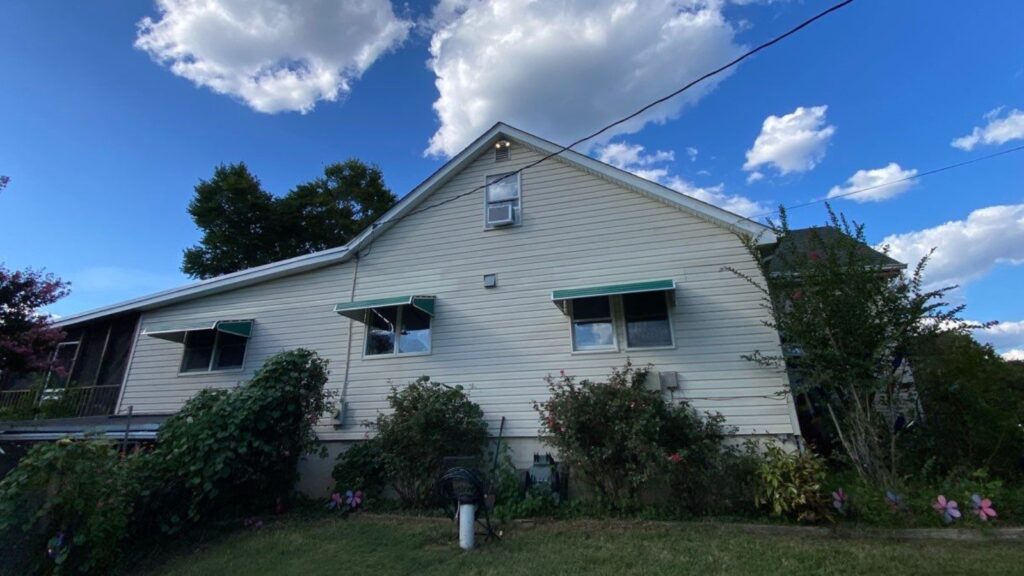
When it comes to upgrading your home, most Arlington, VA homeowners think about new roofs, updated windows, or modern HVAC systems. But one improvement that often gets overlooked can have a huge impact on both comfort and cost savings: energy-efficient siding. The right siding not only protects your home from harsh weather, but it also acts as insulation, helping reduce energy use year-round. In Arlington and surrounding areas where summers are hot and winters can be chilly, choosing a energy efficient siding is one of the smartest investments you can make. At Painter Roofing, we work with homeowners every day to find siding solutions that cut energy costs, improve curb appeal, and add long-term value. Modern siding installation can significantly reduce your energy bills. Discover energy-efficient siding options for Arlington homes. Energy-Efficient Siding Solutions Energy-efficient siding solutions are designed to help homeowners reduce energy consumption while enhancing the comfort of their homes. By improving insulation and providing better thermal protection, these siding options help maintain stable indoor temperatures throughout the year. Whether it’s through reflective properties or built-in insulating layers, these solutions reduce the strain on your heating and cooling systems, leading to lower energy bills and a more eco-friendly home. Why Energy Efficient Siding Matters The siding on your home is more than just an exterior finish—it acts as a protective shell and significantly influences your home’s thermal performance. Unlike traditional siding that allows outdoor temperatures to affect indoor comfort, energy-efficient siding helps keep your home’s climate stable. This reduces the workload on your heating and cooling system, lowers utility bills year-round, improves comfort, minimizes drafts and moisture issues, and can even decrease long-term maintenance and repair costs. For homeowners in Arlington, investing in energy-efficient siding is not only about enhancing curb appeal but also about creating a healthier, more cost-effective living environment. Key Features Of Energy-Efficient Siding Energy-efficient siding stands apart from standard materials due to its performance-focused design. Many products feature built-in insulation that boosts the home’s R-value and resists heat transfer. Moisture-resistant properties help prevent mold, rot, and water damage, while high durability ensures the siding can withstand Arlington’s shifting seasonal conditions without warping or cracking. Some materials even offer reflective technology to reduce heat absorption during hot summer months. Additionally, eco-friendly and recyclable materials make many of these siding options more sustainable. Understanding these important features can help homeowners make the best decision for long-lasting comfort and efficiency. Popular Energy-Efficient Siding Options Insulated Vinyl Siding Vinyl siding remains one of the most popular choices in Arlington. Insulated vinyl takes it a step further by including a foam backing that increases thermal resistance. This makes homes more efficient while still offering the affordability and variety vinyl is known for. Fiber Cement Siding Fiber cement is durable, weather-resistant, and offers excellent insulation when paired with proper underlayment. It’s ideal for homeowners who want a traditional look without sacrificing performance. Wood Siding With Insulated Panels Wood siding has natural insulating properties. When paired with modern insulated backing, it provides strong efficiency benefits along with classic curb appeal. Engineered Wood Siding This option delivers the look of real wood with added strength and resistance to moisture and pests. Many engineered wood products include insulation layers, making them highly effective as energy efficient siding. Metal Siding With Insulation Aluminum or steel siding is extremely durable. With insulated panels, it also provides excellent energy performance, reflecting heat in the summer and keeping warmth in during winter. Composite Siding Made from blends of recycled wood fibers and polymers, composite siding balances sustainability with thermal efficiency. It’s a great option for eco-conscious Arlington homeowners. Energy Efficient Siding in Baltimore, MD For homeowners in Baltimore, MD, energy-efficient siding is an excellent investment to combat the region’s hot summers and cold winters. With options like insulated vinyl and fiber cement, energy-efficient siding provides superior insulation, reducing heat loss in the winter and minimizing heat gain in the summer. This not only lowers energy costs but also enhances the overall comfort of your home, making it a smart choice for Baltimore’s climate. How Energy-Efficient Siding Saves Money Homeowners often wonder if the higher upfront cost of energy-efficient siding is worth it. The answer is yes. Studies show that properly installed siding can reduce heating and cooling bills by up to 20%. Over time, these savings add up, often covering the cost of the siding itself. In addition, homes with energy efficient upgrades generally have higher resale value. Potential buyers in Arlington are increasingly looking for properties that already include sustainable and cost-saving improvements. Local Benefits For Arlington And Surrounding Areas Homes in Arlington face unique weather challenges: humid summers, cold winters, and frequent storms. Energy-efficient siding provides specific advantages in our region: Summer Comfort: Reflective siding helps reduce heat gain, lowering AC costs. Winter Warmth: Insulated panels prevent drafts and keep warmth inside. Moisture Protection: High humidity means siding that resists water infiltration is essential. Noise Reduction: Many energy-efficient products also help reduce outdoor noise, an added benefit for Arlington’s busier neighborhoods. Installation Matters Even the best siding won’t perform well if it’s not installed correctly. Gaps, poor sealing, and improper underlayment reduce efficiency and shorten lifespan. At Painter Roofing, our installation process ensures that every piece of energy-efficient siding is fitted and sealed properly, maximizing performance and durability. Pairing Siding With Other Energy Improvements For even greater results, homeowners can pair siding upgrades with other energy-saving improvements throughout the home. Adding energy-efficient windows and doors, boosting attic insulation, sealing air leaks around the foundation, and updating HVAC systems can work together to reduce energy waste. These combined upgrades not only enhance home comfort but also create a more eco-friendly and cost-efficient living environment. Common Misconceptions About Energy-Efficient Siding Many homeowners hesitate due to misconceptions about siding upgrades. A common belief is that energy-efficient siding is too expensive; however, while initial costs may be higher, long-term savings often outweigh the investment. Some think vinyl is the only affordable option, but today’s market includes a wide range
Siding Styles and Textures: A Guide for Arlington Homeowners
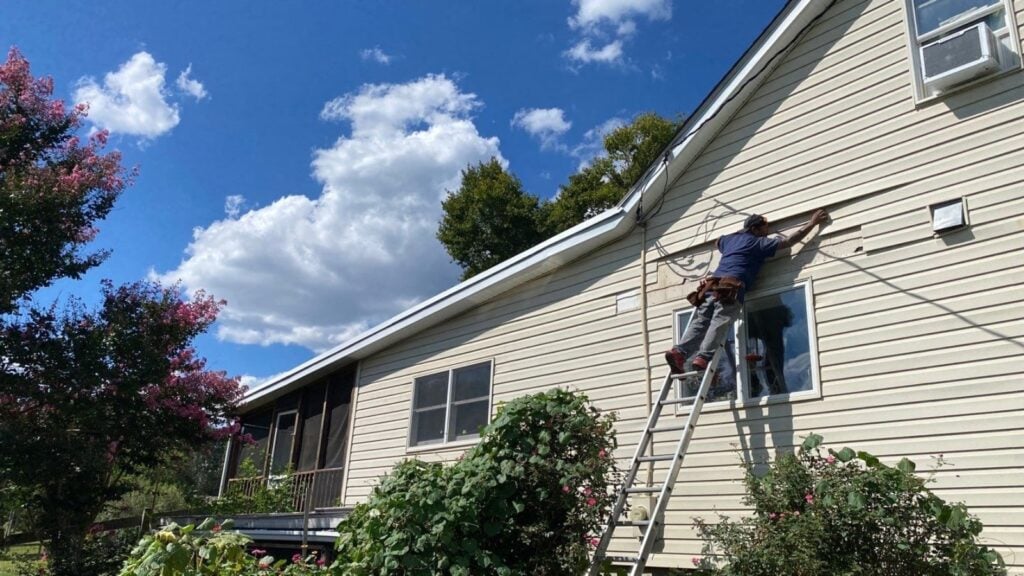
When you think about upgrading your home’s curb appeal, siding is one of the first features that comes to mind. It’s more than just an exterior covering—it protects your home from the elements, boosts energy efficiency, and defines the overall look of your property. With today’s wide variety of siding styles and textures, homeowners in Arlington, VA and the surrounding areas can choose designs that fit both function and personality. At Painter Roofing, we’ve helped countless families transform their homes with modern siding solutions. This guide will explain the most popular siding designs and textures, their pros and cons, and how to pick the best one for your home. Choosing the right siding style is crucial for both aesthetics and functionality. Learn more about different siding styles and textures available for your home. Why Siding Styles and Textures Matter The siding you choose plays a significant role in various aspects of your home. The right siding styles and textures can enhance your curb appeal, making your home stand out or blend seamlessly with the neighborhood. Durability is another factor, as certain materials are better suited to handle Virginia’s seasonal changes. Maintenance is also important, with some textures and finishes requiring more upkeep to keep them looking fresh. Additionally, updated siding can boost your home’s value and increase buyer confidence. Whether you’re looking for a sleek, modern look or a more rustic, traditional feel, the right siding helps bring your vision to life. Popular Siding Designs and Textures Vinyl Siding Vinyl siding is affordable, low maintenance, and available in various textures, such as smooth, wood grain, and board-and-batten. It’s resistant to pests and moisture but can crack in extreme cold and fade with sunlight. It lacks the premium feel of natural materials like wood. Fiber Cement Siding Fiber cement is durable, fire-resistant, and comes in wood, stucco, or smooth finishes. It lasts 30–50 years and holds paint well but has a higher installation cost and requires professional installation due to its weight. Wood Siding Wood siding offers timeless beauty and can be customized with stains or paint. It’s eco-friendly but requires frequent maintenance to prevent rot and termites. It’s more expensive than vinyl or fiber cement. Engineered Wood Siding Engineered wood mimics the look of natural wood but is more durable and resistant to pests and rot. It’s affordable but has a shorter lifespan than fiber cement and may need repainting every 20 years. Metal Siding Metal siding is durable, fireproof, and recyclable, with a modern aesthetic. It’s resistant to weather and pests but can dent from impacts and has fewer texture options compared to other materials. Stucco Siding Stucco offers a unique textured look and is fire-resistant with good insulation. It’s best for dry climates and can crack in wetter areas. It requires professional installation. Stone and Brick Veneer Stone and brick veneer are durable, elegant, and increase property value. They come in various textures but are expensive, heavy, and require professional installation with limited flexibility for updates. Mixing Siding Styles and Textures A popular trend in modern home design is combining different siding styles and textures to add visual interest and enhance curb appeal. Homeowners might pair smooth fiber cement panels with cedar shakes in gables, mix stone veneer with vinyl siding for a balanced look, or combine board-and-batten siding with horizontal lap panels to create dimension and character. Thoughtful combinations not only make a home stand out but also highlight architectural features, giving your Arlington home a unique and polished appearance. These combinations allow homeowners in Arlington and surrounding areas to achieve unique, custom designs. Choosing the Right Siding for Arlington Homes When selecting siding for Arlington homes, several factors should guide your decision. Consider the local climate—Virginia experiences hot summers, cold winters, and heavy rains, so siding materials must withstand seasonal changes. Budget is also important; vinyl offers a cost-effective option, while stone or fiber cement may require a larger upfront investment. Maintenance needs play a role as well, with busy homeowners often preferring low-maintenance vinyl or engineered wood. Style preferences should align with your home’s architecture, as traditional homes may look best with wood or brick textures, while modern designs pair well with metal or smooth fiber cement. Finally, consider resale value, since premium siding materials and attractive textures can make your home more appealing to potential buyers. Common Mistakes to Avoid When selecting siding for your home, it’s important not to prioritize aesthetics over performance. A material may look appealing but may not withstand Arlington’s seasonal weather. Ignoring maintenance needs is another common mistake—while wood siding offers classic beauty, it requires far more upkeep than vinyl or fiber cement. Skipping professional installation can also compromise even the best siding, leading to premature wear or failure. Finally, not considering resale value can be costly, as choosing materials that enhance curb appeal and durability today can provide a strong return when it comes time to sell. Why Work With Painter Roofing At Painter Roofing, we take pride in helping homeowners in Arlington, VA, and the surrounding areas select siding that perfectly balances style, durability, and efficiency. Our process begins with personalized consultations to match your home’s architectural style and your budget. We provide professional recommendations on materials, durability, and maintenance requirements, ensuring your siding performs well for years to come. Expert installation with meticulous attention to detail guarantees a flawless finish, while our warranties provide peace of mind. Beyond installation, we offer ongoing support to keep your siding looking its best. At Painter Roofing, we believe every home deserves siding that combines both beauty and high performance. Final Thoughts Siding is more than just an exterior covering—it’s a statement about your home. With today’s variety of siding styles and textures, Arlington homeowners can find options that deliver durability, energy efficiency, and visual appeal. From budget-friendly vinyl to premium stone veneer, the right choice enhances both protection and curb appeal. At Painter Roofing, we’re here to guide you through every step of the process, ensuring you choose