A new roof is one of the most important investments a homeowner can make. It protects the home from rain, wind, changing temperatures, and other outdoor elements while contributing to its appearance, energy efficiency, and overall value. However, a roofing project can feel overwhelming when homeowners are unfamiliar with the installation process.
Understanding what happens during a complete roof installation can make the experience easier to manage. Whether you are considering a new roof installation or replacing an aging roofing system, knowing what to expect can help you prepare for each stage. From the initial roof inspection and material selection to removing old roofing, preparing the roof deck, installing new materials, and completing the final cleanup, every stage plays an important role in the finished system.
Homeowners in Arlington, VA and the Surrounding Areas experience seasonal weather conditions that can affect roof performance. A professionally completed residential roof installation helps provide dependable protection while addressing the specific needs of the home.
Understanding a Complete Roof Installation
A roof replacement project involves installing a new roofing system designed to protect the home from moisture and outdoor exposure. Depending on the project, it may involve removing the existing roofing materials, inspecting the underlying deck, repairing damaged sections, and installing new protective layers and roofing materials.
A roof is more than the shingles or panels visible from the ground. It is a system made up of several components that work together to direct water away from the home and protect the structure beneath.
These components may include:
- Roof decking
- Underlayment
- Water-resistant protective barriers
- Drip edge and other edge components
- Flashing around roof transitions and penetrations
- Shingles, metal panels, or another roof covering
- Ridge caps and ventilation components
- Gutters and drainage features
Each component has a specific purpose. The decking supports the roofing assembly, underlayment provides an additional layer of protection, and the roof covering forms the exterior surface. Flashing helps protect areas where the roof connects to walls, chimneys, vents, and other features.
A properly planned complete roof installation considers the condition of the entire roof system instead of focusing only on the visible roofing material. This is especially important for homeowners planning a residential roof installation, as every component contributes to the roof’s overall performance.
Initial Roof Inspection and Evaluation
The first stage of a complete roofing project is a professional inspection. Before installation begins, the contractor needs to understand the existing roof’s condition, dimensions, layout, and potential problem areas.
Evaluating the Existing Roof
The roofing professional examines the roof surface for signs of aging, deterioration, storm damage, and moisture intrusion. Common issues may include missing shingles, cracked materials, damaged flashing, sagging sections, or visible signs of previous repairs.
The inspection may also include examining roof valleys, edges, vents, chimneys, and other areas where water can enter if the roofing components are damaged.
The contractor may evaluate attic conditions when accessible. Signs such as moisture stains, damp insulation, or visible daylight can provide additional information about the roof’s condition.
Measuring the Roof
Accurate measurements help determine how much roofing material is needed.
The contractor considers the roof’s total area, slope, number of sections, and overall complexity. Roofs with multiple levels, dormers, valleys, and other architectural features may require additional materials and installation time.
Measurements also help create a more accurate project estimate.
Identifying Potential Repairs
An inspection can reveal visible problems that may need attention before new roofing materials are installed.
For example, damaged decking, deteriorated flashing, or drainage concerns may need to be addressed as part of the project.
A thorough evaluation helps establish the scope of the roofing project and gives homeowners a clearer understanding of the work involved.
Reviewing the Roofing Estimate and Project Scope
After the inspection, homeowners typically receive a project estimate outlining the proposed roofing work.
The estimate should explain what the installation includes, which materials will be used, and how the contractor plans to complete the project.
Understanding the Included Work
A detailed roofing estimate may include:
- Removal of existing roofing materials
- Disposal of old roofing debris
- Roof deck inspection
- Replacement of damaged decking, if included or approved
- Underlayment installation
- New roofing material installation
- Flashing and edge components
- Ventilation work, when included
- Property protection
- Cleanup and final review
Homeowners should review the scope carefully to understand which services are included and which may involve additional costs.
Discussing Possible Hidden Conditions
Some roof problems cannot be fully identified until the existing roofing materials are removed.
For example, damaged wood decking may be hidden beneath shingles or underlayment. Moisture-related deterioration may also become visible only after the roof surface has been opened.
A complete roofing estimate should explain how unexpected findings will be documented and communicated.
Painter Roofing can help homeowners understand the planned work and the importance of addressing underlying issues before the new roofing system is installed.
Selecting the Right Roofing Materials
Material selection is an important part of a new roof installation. The roofing material affects the home’s appearance, durability, maintenance requirements, and overall project cost.
Homeowners should consider the property’s architectural style, budget, and long-term roofing goals when selecting a system.
Asphalt Shingles
Asphalt shingles are a common residential roofing option because they offer a range of colors, styles, and price points.
They can complement many home designs throughout Arlington, VA and the Surrounding Areas. Architectural shingles provide a dimensional appearance, while traditional three-tab shingles have a simpler profile.
Benefits of asphalt shingles may include:
- Wide selection of colors
- Compatibility with many residential roof designs
- Practical installation process
- Relatively straightforward maintenance
- Availability in different performance categories
Metal Roofing
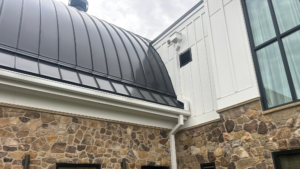
Metal roofing is another option for homeowners seeking a durable and distinctive roof.
Metal panels are available in different styles and finishes. Depending on the selected product, a metal roof may offer a modern appearance or a look that complements traditional architecture.
Metal roofing can provide long-term performance when the material and installation system are properly selected.
Slate Roofing
Slate is a natural roofing material known for its distinctive appearance and durability.
It can be suitable for certain homes where the structure can support its weight and the homeowner wants a premium roofing option.
Slate installation requires specialized experience because the material is different from conventional asphalt shingles.
Choosing a Suitable Roofing System
The best roofing material depends on the home’s design, structural conditions, maintenance expectations, and budget.
A professional contractor can explain the characteristics of available materials so homeowners can make an informed decision.
Preparing the Property Before Installation
Property preparation is an important part of a successful complete roof installation. Roofing work involves equipment, materials, noise, and debris, so preparing the surrounding area helps reduce unnecessary disruption.
Moving Vehicles
Homeowners should move vehicles away from the driveway or designated work area before the crew arrives.
This provides space for material deliveries, equipment, and debris containers. It also helps protect vehicles from accidental damage caused by falling roofing materials.
Protecting Outdoor Items
Outdoor furniture, planters, decorations, grills, and other movable items should be relocated away from the work zone.
Fragile items near the home may also need protection. Roofing work can create vibrations that may affect objects hanging on interior walls.
Protecting Landscaping
Trees, shrubs, flower beds, and other landscaping features should be identified before work begins.
The roofing crew may use protective coverings around vulnerable areas. Homeowners can discuss any special landscaping concerns with the contractor before installation day.
Preparing Children and Pets
Roof installation can be noisy. Hammering, material removal, and equipment movement may create significant sound throughout the day.
Children and pets should remain away from the work area. Noise-sensitive pets may be more comfortable in a quieter location during installation.
Planning for Access
The contractor may need access to the driveway, yard, or other areas around the home.
Homeowners should discuss access arrangements in advance and communicate any concerns about gates, parking, or outdoor spaces.
These preparations help make the roofing work more organized and reduce potential interruptions.
Material Delivery and Installation Scheduling
Before the roofing crew begins work, the necessary materials and equipment must be arranged.
Roofing materials may be delivered shortly before installation. Depending on the project, the delivery may include shingles, underlayment, flashing, ventilation components, and other supplies. A debris container may also be positioned near the property.
Confirming the Installation Date
The contractor should communicate the expected start date and provide information about the installation schedule.
Weather can influence roofing work. Rain, strong winds, and other unfavorable conditions may require adjustments to the schedule.
Homeowners should understand how the contractor communicates changes and how the project will be rescheduled if necessary.
Checking Material Selections
Before the installation begins, homeowners should confirm the selected roofing material and color. This is particularly important when the roofing material is visible from the street and contributes significantly to the home’s exterior appearance.
Proper planning helps avoid confusion when the materials arrive.
Removing the Existing Roofing Materials
For a full replacement project, the installation process often begins with removing the existing roofing materials.
This stage is commonly called roof tear-off.
Removing Old Shingles or Roofing Components
The crew removes the old roof covering and related materials included in the project scope.
The removal process exposes the roof deck so the contractor can evaluate its condition.
Old materials are collected and placed into a designated debris container or disposal area.
Managing Roofing Debris
Roof removal can create a substantial amount of debris.
Professional crews use organized methods to collect discarded roofing materials and limit the amount of debris left around the property.
Homeowners should expect noise and activity during this stage. Keeping vehicles, outdoor items, and people away from the work area is important.
Why Tear-Off Matters
Removing the old roofing materials allows the contractor to examine the underlying surface.
This is an important part of a complete roof installation because hidden damage may otherwise remain beneath the new roof.
The exposed deck provides an opportunity to identify problems before the new roofing system is installed.
Inspecting and Preparing the Roof Deck
The roof deck is the surface that supports the roofing system. It is commonly made from plywood, oriented strand board, or other suitable materials.
Once the existing roofing has been removed, the deck can be examined more closely.
Identifying Damaged Decking
The contractor checks for areas that may be soft, deteriorated, warped, or affected by moisture.
Damage can develop from previous leaks, prolonged moisture exposure, or aging materials.
A damaged deck may not provide the stable foundation needed for the new roofing system.
Repairing Problem Areas
If damaged decking is identified, the contractor may recommend replacing the affected sections.
The necessary repairs should be discussed with the homeowner, especially if the work was not fully visible during the initial inspection.
Addressing these concerns helps create a sound surface for the new roof.
Preparing the Surface
The roof deck should be appropriately prepared before the next installation stage.
The contractor may remove debris, verify that the surface is suitable, and make sure the roofing materials can be installed properly.
A stable and clean roof deck supports the long-term performance of the roof replacement.
Installing Underlayment and Protective Layers
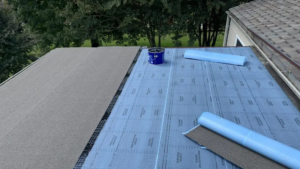
Underlayment is an important component of many residential roofing systems. It is installed beneath the primary roof covering and provides an additional layer of protection against moisture.
Understanding Underlayment
Underlayment helps protect the roof deck from water that may pass beneath the outer roofing material.
It can also provide temporary protection during portions of the installation process, depending on the material and conditions.
Common underlayment options include synthetic products and traditional felt-based materials.
Additional Water Protection
Certain areas of the roof may require additional protective layers based on the roof design and selected roofing system.
These areas can include valleys, eaves, and other locations that experience concentrated water flow.
The contractor selects suitable materials based on the roofing system and the home’s needs.
Proper Installation
Underlayment should be installed carefully to provide consistent coverage.
Overlapping sections and securing the material correctly help support its protective function.
The underlayment is one of several components that work together during a complete roof installation to help protect the home from moisture.
Installing Flashing and Roof Edge Components
Flashing is used to protect vulnerable areas where the roofing surface meets another structure or feature.
These areas may include chimneys, walls, vents, skylights, valleys, and roof edges.
Protecting Roof Valleys
Roof valleys are areas where two roof sections meet and channel water downward.
Because water can flow through these locations in concentrated amounts, proper valley protection is important.
The contractor installs suitable materials to help direct water away from the roof structure.
Sealing Chimneys and Walls
Where the roof meets a chimney or exterior wall, flashing helps prevent water from entering the connection.
These transitions require careful installation because they involve multiple surfaces and changes in roof geometry.
Protecting Roof Penetrations
Pipes, vents, and other roof penetrations create openings in the roof covering.
Flashing and compatible sealing components help protect these areas from water intrusion.
Installing Drip Edge
Drip edge is a metal component installed along selected roof edges.
It helps direct water away from vulnerable roof edges and toward the appropriate drainage areas.
Properly installed flashing and edge components are important parts of a reliable new roof.
Installing the New Roofing Material
After the roof deck and protective layers have been prepared, the crew begins installing the selected roofing material. This is one of the most visible stages of a residential roof installation.
The process varies depending on whether the home uses asphalt shingles, metal panels, slate, or another roofing system.
Asphalt Shingle Installation
For asphalt shingles, the crew typically begins at the lower portion of the roof and works upward.
Shingles are arranged in overlapping courses to help shed water. Proper alignment, fastening, and placement are important for the roof’s appearance and performance.
Starter shingles, field shingles, and ridge caps each serve a specific function within the roofing system.
Metal Roofing Installation
Metal roofing installation involves positioning panels and securing them using the selected fastening system.
Panel alignment, connections, and roof transitions are important considerations.
The installation team also addresses roof edges, ridges, valleys, and other areas where the panels meet different components.
Completing Roof Details
Regardless of the roofing material, the crew must carefully complete the details around vents, chimneys, valleys, and other features.
These areas require attention because they are more complex than the open roof surface.
The visible roof covering is a major part of the project, but its performance depends on the quality of the underlying components and connections.
Addressing Roof Ventilation
Roof ventilation helps manage heat and moisture within the attic or roof space.
A suitable ventilation system may include intake and exhaust components designed to support airflow.
Managing Attic Heat
During warmer weather, attic temperatures can rise significantly.
Proper ventilation may help reduce excessive heat buildup, depending on the home’s overall design and insulation.
Supporting Moisture Management
Moisture can enter attic spaces through various sources, including indoor humidity and outdoor conditions.
Ventilation, insulation, and air sealing work together to help manage moisture.
Reviewing Existing Ventilation
During a complete roof installation, the contractor may evaluate the existing ventilation components and discuss whether improvements are appropriate for the project.
Homeowners should understand which ventilation work is included in the roofing estimate.
Final Roofing Details and Quality Review
After the primary roofing material has been installed, the crew completes the remaining details.
These may include ridge caps, flashing adjustments, roof edge finishing, and other components specific to the selected roofing system.
Checking Roofing Alignment
The contractor reviews the roof surface for consistent alignment and a finished appearance.
For shingle roofs, this may include checking the arrangement of shingle courses and ridge caps.
For metal roofs, the review may include panel alignment and connections.
Reviewing Flashing and Transitions
Roof transitions, penetrations, and edges should receive careful attention.
The contractor checks these areas to identify visible concerns that need to be corrected before the project is finished.
Confirming Project Completion
The quality review helps confirm that the installation has progressed according to the agreed scope.
Any remaining work should be identified and communicated to the homeowner.
Cleanup and Debris Removal
Cleanup is an essential part of the roofing system installation process.
Roofing work can generate nails, shingle fragments, packaging, and other debris. A professional crew should take steps to remove these materials from the work area.
Removing Roofing Debris
The crew collects discarded materials and removes them from the property according to the project plan.
The driveway, yard, and surrounding work areas should be reviewed for debris.
Performing a Magnetic Nail Sweep
A magnetic tool can help collect loose roofing nails from areas around the home.
This is especially important in driveways, lawns, and other spaces where homeowners, children, or pets may walk.
Although a magnetic sweep is helpful, homeowners should still use caution around the work area until the cleanup is complete.
Reviewing Landscaping and Exterior Areas
The contractor should check the surrounding property for visible debris and review any areas that were protected during installation.
A thorough cleanup helps leave the property in a more orderly condition.
Final Walkthrough and Warranty Information
The final walkthrough gives homeowners an opportunity to review the completed roofing project with the contractor.
Reviewing the Finished Roof
The contractor may explain the work that was completed and discuss important roofing details.
Homeowners can ask about the selected materials, flashing, ventilation components, and maintenance recommendations.
Understanding Roofing Warranties
Roofing warranties may include material coverage and workmanship coverage.
Material warranties generally relate to the roofing product, while workmanship coverage relates to the installation performed by the contractor.
The terms, coverage periods, and exclusions can vary.
Homeowners should retain the warranty documents and understand how to contact the contractor if a concern develops.
Keeping Project Records
Useful records may include:
- The roofing estimate and contract
- Final project documentation
- Material information
- Warranty documents
- Approved changes to the original scope
- Photos or other project records
These documents can help homeowners maintain a clear history of the replacement project.
How Long Does a Complete Roof Installation Take?
The installation timeline depends on the size, complexity, and condition of the roof.
Some straightforward residential roofing projects may be completed within a short installation window, while larger or more complex roofs may require additional time.
Several factors can affect the schedule.
Roof Size and Design
Larger roofs generally require more materials and labor.
Multiple roof levels, steep slopes, dormers, valleys, and other architectural features may also increase installation time.
Roofing Material
Different roofing materials have different installation requirements.
Asphalt shingles, metal roofing, and slate may involve different techniques, equipment, and labor needs.
Weather Conditions
Rain, strong winds, and other unfavorable weather can interrupt roofing work.
Weather-related delays help protect workers and reduce the risk of exposing the home to moisture during installation.
Hidden Roof Damage
Damaged decking or other concealed issues may require additional work.
These conditions can affect the project schedule if repairs are needed before the new roofing material can be installed.
Property Access
Limited access to the home or roof may affect material delivery and debris removal.
A contractor can provide a more accurate installation window after evaluating the property and project scope.
Common Challenges During Roof Installation
A roofing process can involve challenges that homeowners should understand before work begins.
Unexpected Decking Damage
Damage beneath the old roofing materials may not be visible during the initial inspection.
If the contractor discovers deteriorated decking, repairs may be necessary before installation continues.
Weather Interruptions
Weather conditions may require the crew to pause work or adjust the schedule.
Homeowners should discuss how the contractor protects exposed roof areas and communicates schedule changes.
Material Delivery Delays
Material availability and delivery schedules can influence the start date.
Confirming material selections early can help reduce the likelihood of avoidable delays.
Complex Roof Features
Chimneys, skylights, dormers, and multiple roof sections require additional installation details.
These areas may increase the time needed to complete the project.
Clear communication with the contractor helps homeowners understand how these challenges may affect the schedule.
Benefits of a Professionally Completed Roof Installation
A new roofing system can provide several benefits when the materials and installation methods are appropriate for the home.
Improved Protection Against Weather
A properly installed roof helps protect the home from rain, wind, and outdoor moisture.
The roofing components work together to direct water away from the underlying structure.
Better Exterior Appearance
A new roof can improve the appearance of the home.
Homeowners can select colors and materials that complement the property’s exterior design.
Support for Energy Efficiency
Roofing materials, insulation, and ventilation can influence the home’s energy performance.
A well-planned roofing system may help reduce heat transfer and support more consistent indoor temperatures.
Reduced Need for Frequent Repairs
Replacing an aging or deteriorated roof can reduce the need for repeated repairs associated with worn roofing materials.
The actual maintenance needs depend on the selected material, installation quality, and exposure to weather.
Long-Term Home Value
A new roof can be an important feature when maintaining or preparing a home for sale.
A properly documented roofing project may also help prospective buyers understand the condition of the property’s exterior.
Preparing for Your Roofing Project with Painter Roofing
Homeowners in Arlington, VA and the Surrounding Areas can make their roofing projects easier by understanding the installation process and preparing their properties before work begins.
Painter Roofing helps homeowners evaluate roofing needs, review material options, and understand the scope of their roofing projects.
A successful complete roof installation involves careful planning, suitable materials, attention to the roof deck, proper flashing, organized installation, and thorough cleanup.
Whether you are replacing an aging asphalt shingle roof, upgrading to metal roofing, or planning a new roof installation for your home, knowing what to expect can help you feel more confident throughout the process.
Conclusion
A new roofing project is a detailed process that involves several stages, from the initial inspection and estimate to material selection, property preparation, roof removal, deck evaluation, and installation of the new roofing system.
Each component contributes to the roof’s ability to protect the home. Underlayment, flashing, roofing materials, ventilation, and drainage features must work together to provide dependable performance.
For homeowners in Arlington, VA and the Surrounding Areas, choosing a professional roofing contractor can help ensure the project is organized and completed with attention to important details. A carefully planned residential roof installation can help homeowners protect their property while improving its exterior appearance and long-term functionality.
If your roof is aging, damaged, or ready for replacement, contact Painter Roofing to discuss your complete roof installation project and explore the roofing options available for your home.