Improving your home’s energy efficiency is one of the smartest investments you can make as a homeowner. In Arlington, VA and the surrounding areas, seasonal temperature swings, humidity, and rising energy costs make insulation performance more important than ever. While many homeowners focus on attic or interior insulation, the exterior of your home plays a critical role in controlling heat loss, moisture intrusion, and overall comfort.
An exterior insulation upgrade can significantly improve your home’s thermal performance while protecting structural components from moisture and weather damage. At Painter Roofing, we help homeowners understand how exterior insulation systems work and how they can transform comfort, efficiency, and long-term durability.
This guide explains what an exterior insulation upgrade is, why it matters for Arlington homes, available materials, installation considerations, and long-term benefits.
Why Exterior Insulation Matters in Arlington, VA
Homes in Arlington experience hot, humid summers and cold winter nights. Without adequate insulation, heat escapes in winter and enters the home in summer, forcing HVAC systems to work harder.
Traditional interior insulation does not always address thermal bridging caused by wall studs, roof framing, and exterior penetrations. An exterior insulation upgrade adds a continuous thermal layer around the building envelope, dramatically reducing energy loss.
For homeowners in Arlington and nearby communities, an insulation upgrade improves comfort, lowers energy bills, and protects against moisture-related issues common in this climate.
What Is an Exterior Insulation Upgrade
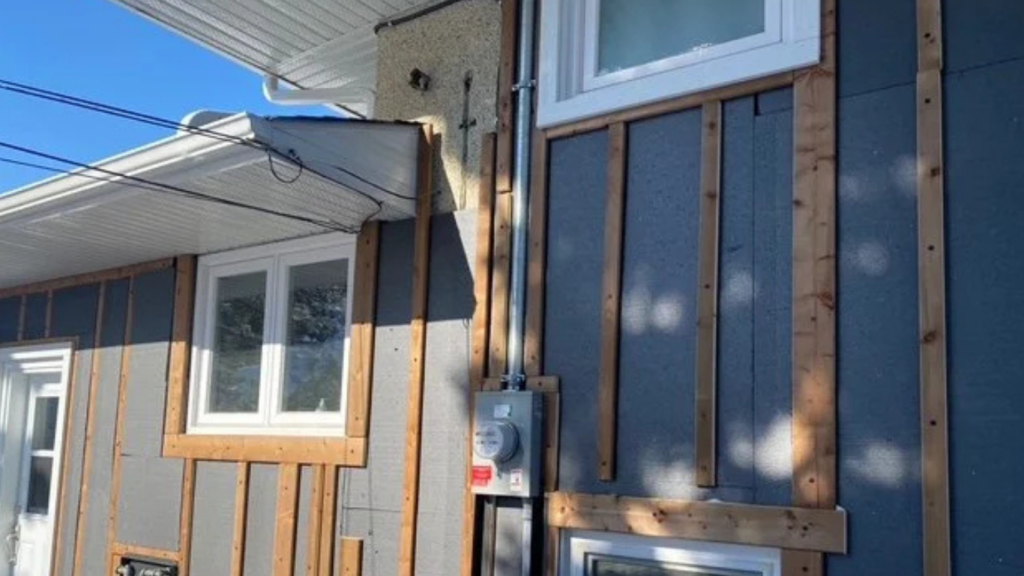
An exterior insulation upgrade involves adding insulation materials to the outside of the home’s walls, roof assembly, or both. This insulation is typically installed beneath siding, stucco, or other exterior finishes.
Unlike interior insulation, exterior insulation creates a continuous barrier that minimizes heat transfer through framing members. This approach enhances thermal performance and reduces air leakage.
An exterior insulation upgrade also improves moisture management by keeping wall cavities warmer and reducing condensation risks.
How Exterior Insulation Improves Energy Efficiency
One of the primary benefits of an exterior insulation upgrade is improved energy efficiency.
Exterior insulation reduces thermal bridging, limits heat flow, stabilizes indoor temperatures, and lowers HVAC demand. Homeowners often notice more consistent temperatures throughout the house after completing an insulation upgrade.
In Arlington’s climate, this translates to reduced heating costs in winter and lower cooling costs in summer.
Common Signs Your Home Needs an Exterior Insulation Upgrade
Many homeowners are unaware that insulation deficiencies exist until symptoms appear.
Common signs include uneven indoor temperatures, cold walls in winter, high energy bills, excessive HVAC runtime, moisture issues inside walls, and drafty rooms.
If your home exhibits these issues, an exterior insulation upgrade may be an effective solution.
Types of Exterior Insulation Materials
There are several materials used for an exterior insulation upgrade. Each offers unique performance characteristics.
Rigid Foam Board Insulation
Rigid foam boards are one of the most popular materials used in an insulation upgrade.
They provide high R-values, excellent moisture resistance, and long-term durability. Common types include expanded polystyrene, extruded polystyrene, and polyisocyanurate.
Rigid foam boards are lightweight and compatible with many siding systems.
Mineral Wool Insulation
Mineral wool is another effective exterior insulation material.
It offers excellent thermal performance, fire resistance, soundproofing benefits, and water repellency. Mineral wool is breathable, allowing moisture vapor to escape while maintaining insulation performance.
This makes it an excellent option for an insulation upgrade in moisture-prone climates like Northern Virginia.
Insulated Sheathing Panels
Insulated sheathing combines structural sheathing with built-in insulation.
These panels simplify installation and improve air sealing. Insulated sheathing panels are increasingly used in modern exterior insulation upgrade projects.
Exterior Insulation and Moisture Control
Moisture management is critical for exterior insulation systems.
An insulation upgrade keeps wall assemblies warmer, reducing condensation inside wall cavities. Properly installed systems include water-resistive barriers, flashing, and drainage planes to direct moisture away from the structure.
This approach reduces the risk of mold, rot, and structural damage.
Exterior Insulation Upgrade and Siding Replacement
An insulation upgrade is often completed during siding replacement.
Removing old siding provides direct access to wall assemblies, making it the ideal time to add insulation. Homeowners benefit from improved energy performance without disturbing interior walls.
Painter Roofing frequently recommends combining siding upgrades with exterior insulation for maximum value.
Exterior Insulation and Roofing Systems
Exterior insulation upgrades can also be incorporated into roofing systems.
Roof insulation improves thermal performance, reduces ice dam formation, and protects roof decking from temperature extremes. Exterior roof insulation is particularly beneficial for flat or low-slope roofs.
Exterior Insulation Upgrade for Older Homes
Many homes in Arlington were built before modern energy codes.
Older homes often lack continuous insulation and suffer from air leakage and thermal bridging. An insulation upgrade allows homeowners to improve performance without altering historic interior features.
This makes it an excellent solution for older properties.
Exterior Insulation Upgrade and Air Sealing
Air leakage significantly impacts energy efficiency.
Exterior insulation systems often include air barriers that reduce uncontrolled air movement. When combined with proper sealing around windows, doors, and penetrations, an insulation upgrade dramatically improves airtightness.
Energy Savings from an Exterior Insulation Upgrade
Homeowners who complete an exterior insulation upgrade often see energy savings ranging from 15 to 30 percent.
Savings depend on existing insulation levels, home size, HVAC efficiency, and installation quality. Over time, these savings offset the cost of the upgrade.
Comfort Improvements from Exterior Insulation
Beyond energy savings, an exterior insulation upgrade enhances comfort.
Benefits include more stable indoor temperatures, fewer drafts, warmer walls in winter, cooler interiors in summer, and improved sound reduction.
Homeowners frequently report a noticeable difference in comfort after upgrading exterior insulation.
Impact on Home Value
An exterior insulation upgrade increases home value by improving energy efficiency and durability.
Energy-efficient homes are more attractive to buyers, especially in competitive markets like Arlington. Documented upgrades can support higher resale values and faster sales.
Exterior Insulation Upgrade and Sustainability
Reducing energy consumption benefits both homeowners and the environment.
An exterior insulation upgrade lowers greenhouse gas emissions by reducing heating and cooling demand. Sustainable insulation materials further enhance environmental benefits.
Installation Considerations
Proper installation is critical for a successful exterior insulation upgrade.
Key considerations include insulation thickness, compatibility with existing siding, proper flashing, fastening systems, and local building codes.
Professional installation ensures long-term performance and moisture protection. Stay updated—join us on Facebook.
Exterior Insulation Upgrade vs Interior Insulation
While interior insulation upgrades are common, they have limitations.
Interior insulation does not eliminate thermal bridging and often requires interior wall removal. An exterior insulation upgrade provides superior performance without disrupting living spaces.
Common Mistakes to Avoid
Improper installation can compromise insulation performance.
Common mistakes include insufficient insulation thickness, improper moisture barrier placement, poor fastening methods, and ignoring ventilation requirements.
Working with experienced professionals helps avoid these issues.
Final Thoughts
An exterior insulation upgrade is more than an energy improvement. It is a comprehensive solution that enhances comfort, durability, and efficiency.
For homeowners in Arlington, VA and the surrounding areas, investing in exterior insulation is a smart way to protect your home from temperature extremes and rising energy costs.
At Painter Roofing, we are committed to helping homeowners make informed decisions about exterior upgrades that deliver lasting results.
Related FAQ :
Why Arlington Homeowners Choose Painter Roofing
Homeowners in Arlington and the surrounding areas choose Painter Roofing because we offer local climate knowledge, honest recommendations, skilled installation teams, and high-quality materials.
We help homeowners plan and execute exterior insulation upgrades that deliver long-term comfort and value.
Long-Term Benefits of an Exterior Insulation Upgrade
An exterior insulation upgrade provides lasting benefits.
These include lower energy bills, improved comfort, moisture protection, reduced maintenance needs, and increased property value.
For Arlington homeowners, it is one of the most effective ways to future-proof their home
Why Professional Expertise Matters?
An exterior insulation upgrade involves multiple building components.
Professional contractors understand how insulation interacts with siding, roofing, windows, and moisture control systems. This expertise ensures optimal performance.
At Painter Roofing, we approach exterior insulation upgrades as part of a complete exterior system.