Replacing your roof is one of the biggest investments you’ll make as a homeowner. It’s not just about fixing leaks or boosting curb appeal—it’s about selecting the right roofing system that will protect your family and property for decades. With a wide variety of roof replacement materials available today, it can be overwhelming to determine which option is best suited for your needs.
At Painter Roofing, we help homeowners in Arlington, VA, and the surrounding areas make informed decisions about roof replacement. This guide provides a detailed comparison of popular roofing materials, their pros and cons, and how to choose the best fit for your home.
Before replacing your entire roof, consider Gaco Western roof coating as a cost-effective alternative. Explore our guide to roof replacement materials and coating options available for Arlington homes and businesses.
Why Roof Replacement Materials Matter
The type of roofing material you choose impacts far more than your home’s appearance. It influences durability, determining how well your roof withstands storms, snow, and extreme heat. Energy efficiency is another factor, as quality materials can reduce heating and cooling costs.
Maintenance needs vary by material, affecting the time and money required to keep your roof in top condition. Resale value is also influenced, since a high-quality roof made from premium materials can boost buyer confidence. Finally, longevity differs widely roofing materials can last anywhere from 15 to 100 years depending on the type.
Selecting the right materials ensures your home remains protected while providing peace of mind for decades.
Asphalt Shingles
Asphalt shingles are the most common roofing choice across the U.S. and remain a popular option in Arlington, VA, due to their affordability. They come in various colors and styles, making them versatile enough to suit many home designs. They are easy to install and repair, with a moderate lifespan of 15–30 years. However, asphalt shingles are susceptible to damage from high winds and can deteriorate faster under intense sunlight, which can shorten their lifespan compared to other materials.
Metal Roofing
Metal roofing has become increasingly popular for its sleek appearance and durability. Metal roofs last 40–70 years, making them a long-term investment. They are fire-resistant, wind-resistant, and reflect sunlight, lowering cooling costs. Metal roofs are lightweight compared to other materials, which can ease installation. However, they come with a higher upfront cost than asphalt shingles, and they can be noisy in heavy rain unless properly insulated. Dents can also occur from hail or falling branches.
Slate Roofing
Slate is one of the oldest and most durable roof replacement materials available. Known for its elegance and premium look, slate can last 75–100 years with minimal maintenance. It’s highly resistant to fire and extreme weather, making it ideal for Arlington’s climate. However, slate roofing comes with a hefty price tag and requires specialized installation due to its heavy weight. Homes in upscale areas of Arlington and surrounding communities often opt for slate due to its unmatched durability and prestige.
Clay and Concrete Tile
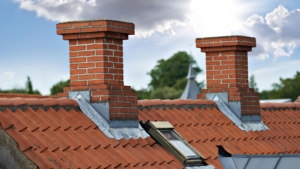
Clay and concrete tiles offer a distinctive, Mediterranean aesthetic. These tiles are fire-resistant and can withstand insects, which makes them a good choice for hot climates. They have a lifespan of 50–100 years and add unique curb appeal to homes. However, they are heavy and may require structural reinforcement to support their weight. The tiles can also crack under impact, and their cost is significantly higher than asphalt shingles.
Wood Shingles and Shakes
Wood roofing provides a rustic, natural look that is especially popular in historic districts. It offers good insulation properties and can last 30–50 years with proper maintenance. However, wood shingles and shakes require frequent upkeep to prevent mold, rot, and insect damage. They are also not fire-resistant unless treated, making them less ideal in areas prone to wildfires.
Synthetic Roofing Materials
Synthetic roofing materials are designed to replicate the look of slate, tile, or wood but with fewer drawbacks. These materials are lighter, less expensive, and more durable than their natural counterparts.
They offer a wide variety of designs to match different home styles but have a shorter lifespan of 30–50 years compared to natural materials. While they are gaining popularity, synthetic materials may not offer the same premium feel as natural products.
Flat Roofing Materials
Homes with low-sloped or flat roofs require specialized materials for optimal performance. TPO (Thermoplastic Polyolefin) is affordable, energy-efficient, and highly durable, making it a popular choice. EPDM (rubber roofing) is cost-effective and long-lasting but less resistant to punctures.
Modified bitumen offers a strong, flexible solution ideal for roofs with frequent foot traffic. Flat roof systems demand professional installation to ensure proper sealing, drainage, and long-term performance.
Comparing Roof Replacement Materials Side by Side
| Material | Lifespan | Cost Level | Maintenance Needs | Style Appeal | Climate Suitability |
| Asphalt Shingles | 15–30 years | Low | Low | Versatile, budget-friendly | All climates |
| Metal Roofing | 40–70 years | Moderate–High | Low | Sleek, modern, traditional | Hot & storm-prone regions |
| Slate Roofing | 75–100 years | High | Very low | Premium, timeless | Cold, wet, or storm areas |
| Clay/Concrete Tile | 50–100 years | High | Low | Distinctive, Mediterranean | Hot climates |
| Wood Shakes/Shingles | 30–50 years | Moderate | High | Rustic, natural charm | Dry, cooler climates |
| Synthetic Materials | 30–50 years | Moderate | Low | Mimics slate, tile, wood | All climates |
Factors to Consider When Choosing Roof Material Types
When selecting roof material types, several key factors should guide your decision. Budget is important, but homeowners should balance upfront costs with long-term value. The style of your home should also be considered, as materials need to complement your architecture.
Arlington’s climate with rain, snow, and hot summers makes durability essential, and maintenance requirements vary among different materials. Finally, consider resale value, since premium roofing materials often increase a home’s market appeal.
Mistakes Homeowners Make When Choosing Materials
Common mistakes can shorten a roof’s lifespan and reduce return on investment. Some homeowners choose the cheapest option without considering long-term costs, while others overlook local climate conditions when selecting materials.
Ignoring the weight limits of existing structures or skipping professional guidance can also lead to installation issues and premature wear. Avoiding these pitfalls is essential for a durable, high-performing roof.
Why Work With Painter Roofing
At Painter Roofing, we specialize in helping Arlington, VA homeowners select and install the right roof replacement materials with confidence. Our approach includes in-depth consultations tailored to your needs, honest comparisons of material options, and expert installation that meets local building codes.
We also provide warranties to protect your investment and offer maintenance advice to keep your roof performing for decades. We believe that choosing roof material types should be a confident decision—not a gamble.
Final Thoughts
Choosing the right roof restoration materials is one of the most important decisions you’ll make as a homeowner. Each option has unique benefits, costs, and maintenance requirements. By carefully considering your goals, climate, and home design, you can invest in a roof that protects your home and enhances its value for decades.
At Painter Roofing in Arlington, VA, we’re here to guide you through the process, from material selection to expert installation.
Contact Painter Roofing today to schedule your consultation and discover which roof restoration materials are the perfect fit for your home.
FAQs About Roof Restoration Materials
What is the most affordable material?
The most affordable materials often include vinyl, laminate, and basic wood products. These options are budget-friendly and provide decent durability for their cost, making them great choices for homeowners looking to save money while still maintaining quality.
What material lasts the longest?
Materials like stone, stainless steel, and high-quality hardwood are known for their long lifespan. Stone surfaces, such as granite or marble, can last decades with minimal maintenance, while steel and hardwood resist wear and aging effectively.
Are premium materials worth it?
Premium materials, such as high-end wood, marble, or custom metals, can provide unmatched durability and aesthetic appeal. They are often worth the investment for homeowners seeking long-term value, luxury, and enhanced home resale value, but may not always be necessary for every project.
Can I mix materials?
Yes, mixing materials is a common and effective design strategy. Combining elements like wood, metal, and glass can create contrast and a more personalized, dynamic look. However, it’s important to ensure the materials complement each other and suit the overall design theme.