Buying a home is a significant investment, and understanding the property’s condition before finalizing the transaction can help homeowners avoid unexpected expenses. While buyers often focus on the home’s interior, layout, and location, the roof and exterior deserve just as much attention. These components protect the structure from weather, moisture, and long-term deterioration. A professional inspection before purchase can help identify existing problems and provide a clearer picture of the maintenance or repairs the property may need.
For buyers in Arlington, VA, and the surrounding Northern Virginia communities, a thorough property evaluation is especially valuable. Seasonal temperature changes, heavy rainfall, summer storms, and winter weather can all affect roofing materials, gutters, siding, windows, and other exterior features. Damage that is not immediately visible may lead to leaks, structural concerns, or costly repairs after closing.
Understanding what an inspection before purchase involves, which warning signs deserve attention, and how inspection findings can influence a buying decision can help prospective homeowners make informed choices.
Why an Inspection Before Purchase Matters
A home may appear well-maintained from the street while concealing problems that require professional attention. Missing shingles, deteriorated flashing, damaged gutters, and moisture intrusion are not always easy to identify from the ground. Some issues may also be hidden beneath roofing materials or inside attic spaces.
An inspection before purchase gives buyers an opportunity to learn more about the property’s current condition before accepting responsibility for future maintenance and repair costs. It can help reveal visible defects, identify areas that require additional evaluation, and establish a starting point for future maintenance.
Protecting Your Investment
A home’s roof is one of its most important protective systems. It helps prevent rainwater from entering the structure and protects insulation, ceilings, walls, and framing from moisture. When roofing materials fail, the resulting damage can extend beyond the roof itself.
A professional assessment can help identify problems such as deteriorating shingles, damaged roof edges, loose flashing, and signs of previous leaks. Addressing these issues before purchase may help buyers plan for necessary repairs and avoid surprises after moving in.
For homeowners purchasing property in Arlington, where homes may range from older residences to newer construction, understanding the roof’s condition is particularly important. Roofing materials, installation methods, ventilation systems, and maintenance histories can vary considerably from one property to another.
Identifying Hidden Repair Expenses
Unexpected repairs can put pressure on a new homeowner’s budget. A roof that appears serviceable may have reached the later stages of its expected lifespan, while a gutter system may be improperly positioned or damaged in ways that allow water to collect near the foundation.
An inspection before purchase can help identify visible concerns that may affect the property’s near-term maintenance requirements. Buyers can use the findings to estimate potential expenses, request additional assessments, or discuss repair responsibilities with the seller when appropriate.
Inspection results do not guarantee that every concealed problem will be discovered. However, a thorough evaluation can reduce uncertainty and help buyers make decisions based on better information.
What a Roof Inspection Should Cover Before Buying a Home
The roof should be evaluated as a complete system rather than as a collection of individual shingles. Its performance depends on the condition of the roofing materials, flashing, drainage components, ventilation, and underlying structure.
During an inspection before purchase, a qualified roofing professional may evaluate accessible areas of the roof and identify visible signs of damage or deterioration. The exact scope depends on the roof’s design, accessibility, weather conditions, and the professional’s inspection methods.
Shingles and Roofing Materials
Roofing materials are constantly exposed to sunlight, precipitation, temperature changes, and wind. Over time, these conditions can cause materials to deteriorate.
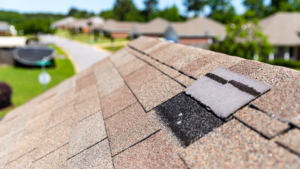
For asphalt shingle roofs, visible warning signs may include missing shingles, curling edges, cracking, bald spots, or excessive granule loss. Metal roofing may require attention to loose fasteners, damaged panels, corrosion, or deteriorated seams. Other roofing systems may have different maintenance needs based on their material and installation requirements.
An inspection before purchase can help determine whether the roof appears to be in serviceable condition or whether visible deterioration warrants repairs or a more detailed evaluation.
Buyers should also ask whether documentation is available for previous roof replacements or repairs. Invoices, warranties, permits where applicable, and maintenance records may help establish the roofing system’s history.
Flashing and Roof Penetrations
Flashing is installed around vulnerable roof areas, including chimneys, skylights, plumbing vents, and wall intersections. These transitions are especially important because water can enter through gaps or deteriorated seals.
During an assessment, a roofing professional may look for loose, bent, corroded, or improperly installed flashing. They may also identify signs of previous patching or sealant failure.
Problems around roof penetrations can allow water to enter the attic or wall cavities. Even a small leak may cause insulation damage, staining, or wood deterioration if it continues over time.
Roof Valleys and Drainage Areas
Roof valleys collect water from adjoining roof slopes and direct it toward the drainage system. Because these areas handle concentrated water flow, damaged roofing materials or poorly maintained valley flashing can increase the risk of leaks.
The inspection may also consider how water moves off the roof and whether debris is obstructing important drainage paths. Buyers should pay attention to areas where leaves, branches, or accumulated debris may retain moisture.
A reliable drainage system helps protect both the roof and the property’s exterior.
Roof Edges, Fascia, and Soffits
Roof edges help direct water into gutters and protect vulnerable parts of the structure. Fascia boards support gutter attachments, while soffits cover the underside of roof overhangs and may provide ventilation to the attic.
Rotting wood, peeling paint, sagging gutter attachments, damaged soffit panels, or evidence of animal activity may indicate that repairs are necessary.
A comprehensive inspection before purchase should consider these connected exterior components because damage in one area can affect the performance of another. For instance, deteriorated fascia may weaken gutter support, increasing the risk of drainage problems.
Signs of Roof Leaks and Water Damage
Water damage can be one of the most expensive problems discovered after buying a home. Some leaks create obvious stains, while others allow moisture to accumulate in concealed areas before visible symptoms develop.
An inspection before purchase should include attention to accessible areas where signs of water intrusion may be present.
Ceiling Stains and Peeling Paint
Brown or yellow ceiling stains may indicate previous or active water intrusion. Peeling paint, bubbling drywall, and damaged wall finishes can also suggest moisture exposure.
However, these symptoms do not automatically confirm that the roof is leaking. Plumbing leaks, condensation, and other building problems may produce similar signs. The underlying cause should be investigated before repairs are planned.
Buyers should request information about any visible stains, including whether the seller has repaired the source of the moisture and whether supporting documentation is available.
Attic Moisture and Insulation Problems
When attic access is safe and available, the inspection may include a review of visible framing, insulation, ventilation, and signs of moisture. Water staining on roof decking, damp insulation, mold-like growth, or deteriorated wood may indicate a problem that requires further assessment.
Poor ventilation can contribute to condensation, while roof leaks may allow rainwater to enter the attic. Both conditions can affect the building’s performance if left unresolved.
A roofing professional can help identify roofing-related concerns and recommend additional evaluation when the cause of moisture is uncertain.
Mold-Like Growth and Musty Odors
Persistent musty odors or visible mold-like growth may indicate a moisture problem. These conditions should not be dismissed simply because the roof looks acceptable from the outside.
An inspection before purchase may identify evidence of moisture, but determining the presence, extent, and cause of microbial growth may require a qualified specialist. Buyers should seek appropriate follow-up assessments when these warning signs appear.
Evaluating Gutters and Downspouts
Gutters and downspouts help direct rainwater away from the roofline and foundation. When these components are damaged, blocked, or improperly positioned, water may overflow onto siding, collect around the home’s base, or contribute to soil erosion.
During an inspection before purchase, buyers should pay attention to the condition and apparent performance of the drainage system.
Common Gutter Problems
Visible concerns may include sagging sections, loose fasteners, separated joints, rust, holes, accumulated debris, and signs of overflow. Gutters should be securely attached and positioned to collect water flowing from the roof.
A gutter system that has pulled away from the fascia may require repairs or replacement. Damaged fascia behind the gutter may also need attention before the system can be securely reinstalled.
Downspout Placement and Water Flow
Downspouts should carry water away from the building rather than release it directly beside the foundation. Poor drainage can contribute to erosion, basement moisture, or other water-management concerns, depending on the site’s grading and soil conditions.
An inspection can help identify visible drainage problems and determine whether further evaluation is advisable. Buyers should also look for signs of recurring water accumulation near the home’s foundation.
Siding, Windows, and Other Exterior Components
The home’s exterior envelope includes more than its roof. Siding, exterior trim, windows, doors, and other transitions work together to limit moisture entry and help maintain indoor comfort.
A roof may be in good condition while other exterior components need repairs. Evaluating these areas during an inspection before purchase helps buyers develop a more complete understanding of the property’s maintenance needs.
Siding Damage and Moisture Exposure
Cracked, loose, warped, or missing siding can leave parts of the exterior vulnerable to weather. Peeling paint, soft wood trim, and discoloration may also indicate moisture exposure or material deterioration.
The inspection should consider whether siding is securely installed and whether visible gaps or damaged joints could allow water to enter behind the exterior surface.
Not every cosmetic defect indicates structural damage, but unexplained deterioration deserves attention. Repairs may involve replacing individual sections, improving water-management details, or investigating concealed materials.
Windows, Doors, and Exterior Seals
Windows and exterior doors can develop problems involving deteriorated caulking, damaged weatherstripping, failed seals, or water intrusion around the frame. These issues may affect energy efficiency and allow moisture to damage nearby trim or interior finishes.
Buyers should look for signs of staining beneath windows, soft or deteriorated framing, drafts, and difficulty operating doors or windows.
A qualified contractor can help distinguish routine maintenance from more extensive repairs. Where the source of moisture is uncertain, additional investigation may be needed before the buyer commits to a repair plan.
Chimneys and Other Roof-to-Wall Transitions
Chimneys and wall intersections create areas where multiple materials meet. Flashing, masonry joints, caps, and surrounding roofing materials may deteriorate at different rates.
During an inspection before purchase, visible cracks, missing mortar, damaged chimney caps, or signs of leakage around the chimney should be documented. Structural or masonry concerns may require a specialist in addition to a roofing professional.
These details matter because water entering at a roof-to-wall transition can travel into concealed spaces and cause damage away from the original entry point.
The Difference Between a General Home Inspection and a Roofing Inspection
A general home inspection typically evaluates multiple major systems and components throughout a property. This may include the roof, foundation, electrical systems, plumbing, heating and cooling equipment, and interior finishes, subject to the inspector’s scope and applicable standards.
A dedicated roofing inspection focuses more closely on the roofing system and its visible components. Depending on the service, it may provide more detailed information about roofing materials, flashing, drainage, visible installation concerns, and recommended repairs.
An inspection before purchase does not always require separate specialists for every part of the property. However, when the general inspector identifies significant roof concerns, a dedicated roofing assessment can help clarify the scope and urgency of the issue.
Buyers should understand that neither type of inspection is necessarily destructive or exhaustive. Concealed defects may remain undetected, and some areas may be inaccessible or unsafe to inspect.
For this reason, inspection findings should be reviewed alongside seller disclosures, available repair records, and any recommendations for further evaluation.
Roof Age, Remaining Service Life, and Replacement Planning
The age of a roof is an important factor when evaluating a property, but it should not be the only consideration. Two roofs of the same age can have different conditions depending on material quality, installation workmanship, ventilation, weather exposure, and maintenance history.
An inspection before purchase can help buyers understand the roof’s visible condition and whether replacement planning may be appropriate.
Understanding Roof Lifespan
Different roofing materials have different expected service lives. Asphalt shingles, metal roofing, tile, slate, and other systems vary in durability, maintenance requirements, and repair methods. Even within one material category, product quality and installation conditions can affect performance.
Buyers should avoid assuming that a roof is in good condition solely because the seller reports that it is relatively new. Likewise, an older roof is not automatically defective. Its actual condition and the presence of specific problems are more informative than age alone.
Planning for Future Replacement
If the roof is approaching the end of its expected service life, buyers may want to account for potential replacement costs in their long-term budget. A professional can explain the visible issues, likely maintenance needs, and conditions that could affect replacement timing.
Replacement planning may also involve reviewing the roof’s design, ventilation, underlayment where assessable, drainage, and compatibility with the home’s exterior.
Knowing about a potential replacement before closing can help buyers compare properties more realistically and prepare for future expenses.
How Inspection Findings Can Affect a Home Purchase
Inspection results can influence how buyers evaluate a property’s value, condition, and financial requirements. The findings do not automatically determine whether a transaction should proceed, but they can provide important information for decision-making.
Prioritizing Repairs
Not every defect requires immediate replacement or extensive work. Some issues may involve routine maintenance, while others may create an increased risk of water intrusion or further deterioration.
Inspection findings can help buyers prioritize concerns based on their severity, potential consequences, and need for additional evaluation.
For example, a loose gutter section may require a relatively straightforward repair, while widespread roofing deterioration or evidence of ongoing leakage may require a more detailed assessment.
Discussing Repairs With the Seller
Depending on the purchase agreement and local transaction practices, buyers may be able to discuss repairs, credits, or other arrangements with the seller. The available options depend on the contract, negotiation, financing requirements, and applicable law.
Clear inspection documentation can support these discussions. Buyers should keep copies of the inspection report, photographs, contractor estimates, and relevant repair records.
Real estate professionals and legal advisers can help buyers understand their contractual rights and obligations.
Reviewing Insurance and Financing Considerations
Roof condition can sometimes affect insurance eligibility, coverage terms, or underwriting requirements. Lenders and insurers may request documentation or additional evaluations depending on the property’s condition and their individual requirements.
An inspection before purchase can help identify potential concerns early, giving buyers time to contact the relevant professionals and clarify any requirements before closing.
Buyers should confirm insurance and financing conditions directly with their providers rather than assuming that a satisfactory general inspection guarantees approval.
Preparing for an Inspection Before Purchase
Buyers can make the inspection process more useful by gathering relevant information and ensuring that the professionals involved can access appropriate areas safely.
Collect Available Property Records
Ask for documentation related to roof installation, repairs, storm damage, warranties, and previous exterior renovations. Records may include contractor invoices, permits where applicable, product information, and maintenance documentation.
These materials can help establish what work has been performed and whether any repairs may still be covered by a transferable warranty. Warranty terms vary, and transferability should be confirmed with the manufacturer or provider.
Arrange the Appropriate Professionals
Start with a qualified general home inspector and review any concerns identified in the report. If the roof or exterior requires closer attention, arrange a specialized assessment with a qualified contractor.
For roofing concerns in Arlington, VA, Painter Roofing can help homeowners understand roofing conditions, repair needs, and maintenance considerations. The specific services available should be confirmed when scheduling an assessment.
Avoid Unsafe DIY Roof Evaluations
Buyers should not climb onto a roof or attempt to inspect steep, wet, fragile, or otherwise hazardous areas themselves. Walking on roofing materials can cause damage, and falls can result in serious injuries.
Professional inspections use appropriate methods based on access, weather, roof design, and safety conditions. When an area cannot be safely accessed, the inspector should explain the limitation and whether further evaluation is recommended.
Common Mistakes Buyers Should Avoid
A rushed evaluation can leave important issues unresolved. Buyers should avoid relying exclusively on the property’s curb appeal, accepting verbal assurances without supporting records, or treating a general inspection as a guarantee that no defects exist.
Another common mistake is focusing only on the cost of immediate repairs without considering the underlying cause. Replacing damaged interior drywall, for instance, will not resolve a roof leak if the water-entry point remains uncorrected.
Buyers should also avoid assuming that a seller’s recent repair automatically resolves the original problem. Supporting documentation and an appropriate follow-up assessment can help establish whether the work addressed the source of the issue.
An inspection before purchase is most useful when buyers review the findings carefully, understand inspection limitations, and seek additional professional guidance when significant concerns are identified.
Why Local Experience Matters in Arlington, VA
Homes in Arlington and the surrounding Northern Virginia communities vary in age, architectural style, roofing material, and exterior construction. Older homes may have multiple layers of repairs or aging materials, while newer properties may have installation details or drainage conditions that still require attention.
Local weather also places ongoing demands on roofing and exterior systems. Heavy rainfall can expose drainage problems, wind can loosen roofing materials, and winter conditions can contribute to moisture-related deterioration. Tree coverage and accumulated debris may create additional maintenance requirements for some properties.
A local roofing professional can help homeowners understand common roofing and exterior concerns while considering the specific property being evaluated.
Painter Roofing serves homeowners in Arlington, VA, and surrounding areas with roofing and exterior services. Whether a property needs routine maintenance, targeted repairs, or further evaluation, understanding its condition before purchase can help buyers plan more effectively.
Making Informed Decisions With a Professional Inspection
Buying a home involves more than choosing a desirable neighborhood or finding a floor plan that suits your needs. The condition of the roof and exterior can influence future maintenance costs, protection from the elements, and the overall ownership experience.
A thorough inspection before purchase helps buyers identify visible defects, investigate signs of moisture intrusion, evaluate drainage components, and better understand the condition of the property’s exterior. It can also reveal when additional expertise is needed before the transaction moves forward.
For homeowners considering a property in Arlington, VA, and the surrounding areas, taking time to review inspection findings can help reduce uncertainty and support better financial planning. Roof age, visible deterioration, repair history, and the condition of gutters, siding, flashing, and other components should all be considered as part of the property’s overall evaluation.
An inspection before purchase is an important step toward making a confident home-buying decision. With clear documentation, appropriate professional evaluations, and a realistic understanding of future maintenance needs, buyers can move forward with a better picture of the property they are preparing to call home.