

Gutter Guard Benefits for Homeowners in Arlington, VA and Surrounding Areas

When it comes to protecting your home, one of the most important yet overlooked systems is your gutter system. Gutters play a critical role in directing rainwater away from your roof, walls, foundation, and landscaping. When gutters become clogged or damaged, the resulting water issues can lead to costly repairs and serious structural problems. That’s why more homeowners throughout Northern Virginia are discovering the value of installing gutter guards. At Painter Roofing, we proudly serve homeowners in Arlington, VA and the surrounding areas, providing professional roofing and gutter solutions designed for long-term protection. In this in-depth guide, we’ll explore the many gutter guard benefits, explain why they are essential for homes in our region, and help you understand how they protect your property year-round. Understanding the Importance of Gutters Gutters are designed to collect rainwater from your roof and channel it safely away from your home. Without an effective gutter system, water would pour directly off your roof, soaking the soil around your foundation and splashing against your siding. Over time, this uncontrolled water flow can cause erosion, foundation settling, basement leaks, and exterior damage. In Arlington, VA, frequent rainfall, heavy storms, and seasonal debris make gutter maintenance especially challenging. Leaves, pine needles, seed pods, twigs, and dirt can quickly accumulate, leading to blockages. This is where gutter guards become invaluable, offering homeowners a smarter way to protect their gutter systems and prevent costly damage. Common Gutter Problems Faced by Homeowners in Arlington, VA Homes in Arlington and the surrounding areas experience unique environmental challenges. Tree-lined streets, fluctuating weather conditions, and seasonal storms contribute to clogged and overwhelmed gutters. Some of the most common problems include leaf and debris buildup, overflowing gutters during heavy rain, standing water in gutter channels, ice dams forming in winter, sagging or detached gutters, mold and mildew growth, and pest infestations. Each of these issues can escalate into serious home damage if left untreated. One of the most impactful gutter guard benefits is how effectively they eliminate these risks before they become major repair expenses. What Are Gutter Guards? Gutter guards are protective systems installed over or inside your gutters to block debris while allowing water to flow freely. They act as a filter, preventing leaves, twigs, and dirt from entering the gutter channel and creating blockages. There are several types of gutter guards available, including mesh screens, micro-mesh systems, foam inserts, reverse curve guards, and brush-style guards. Each system offers different levels of protection, but all aim to provide homeowners with long-lasting gutter performance and reduced maintenance. At Painter Roofing, we carefully evaluate your home’s structure, roof design, and surrounding environment to recommend the best gutter guard system for your needs. The Most Valuable Gutter Guard Benefits for Homeowners Homeowners throughout Arlington, VA are increasingly investing in gutter protection due to the wide range of gutter guard benefits. These advantages extend far beyond convenience and provide significant long-term value. One of the most obvious gutter guard benefits is a dramatic reduction in the need for gutter cleaning. Traditional gutters require cleaning at least two to four times per year in Northern Virginia. With gutter guards installed, debris accumulation is minimized, allowing homeowners to spend less time on ladders and more time enjoying their homes. Clog-free gutters allow rainwater to flow smoothly through the system, preventing backups and overflow. This improved drainage ensures that water is safely directed away from your home’s foundation, siding, and landscaping. By preventing standing water and debris buildup, gutter guards help protect gutters from rust, corrosion, sagging, and premature failure. This significantly extends the life of your gutter system and reduces replacement costs. Fewer cleanings and repairs mean lower long-term maintenance expenses. Over time, many homeowners find that gutter guards pay for themselves through reduced service calls and fewer home repairs. How Gutter Guards Protect Your Roof System Clogged gutters are one of the leading causes of roof damage. When gutters become blocked, water can back up beneath shingles and roof decking, leading to rot, leaks, and mold growth. During winter, trapped water can freeze, creating ice dams that force water under roofing materials and into your home. Ice dams are a major concern for homeowners in Arlington, where winter temperatures fluctuate and snow melt is common. One of the most important gutter guard benefits is their ability to prevent water buildup, reduce ice dam formation, and preserve the integrity of your roof. By keeping gutters flowing freely, gutter guards help extend the life of your roofing system and minimize costly repairs. Preventing Foundation Damage and Basement Leaks Your home’s foundation depends on proper water drainage to remain stable. When gutters overflow, rainwater saturates the soil surrounding your foundation, increasing hydrostatic pressure and forcing moisture through foundation walls. This can result in foundation cracks, basement leaks, mold growth, structural instability, and soil erosion. Gutter guards play a crucial role in preventing these issues by ensuring water is properly directed away from your home. Protecting your foundation is one of the most critical gutter guard benefits for homeowners in Northern Virginia. Protecting Siding, Fascia, and Exterior Walls Overflowing gutters don’t just affect your foundation — they can severely damage your home’s exterior. Constant water exposure can cause wood rot, peeling paint, mold growth, and staining. Vinyl and fiber cement siding can warp, discolor, and deteriorate when exposed to repeated moisture. Fascia boards behind your gutters are especially vulnerable, often rotting unnoticed until major repairs are required. By preventing clogs and overflow, gutter guards preserve the beauty and integrity of your home’s exterior. This is another powerful example of the long-term gutter guard benefits. Reducing Pest and Insect Problems Clogged gutters create standing water and moist debris, making them an ideal breeding ground for mosquitoes, ants, birds, rodents, and other pests. Installing gutter guards eliminates these inviting conditions, significantly reducing the risk of infestations. For homeowners in Arlington, where mosquitoes and pests thrive in warm, humid conditions, this is one of the most appreciated gutter guard benefits. Improving Home Safety Cleaning
Gutter Drainage Solutions for Homes Expert Services
Water management is one of the most critical — yet often ignored — aspects of protecting a home. For homeowners in Arlington, VA and nearby areas, heavy rain, clay-rich soil, mature landscaping, and seasonal storms create ongoing drainage challenges. Without effective gutter drainage solutions, rainwater can collect around your home and cause foundation damage, basement leaks, erosion, and exterior deterioration. At Painter Roofing, we help homeowners implement proven drainage systems designed for long-term protection. This 2026-updated guide explains how gutter drainage systems work, common problems, and the most effective gutter drainage solution for Arlington-area homes. Why Gutter Drainage Solutions Matter for Arlington Homes Gutters are designed to collect rainwater but that’s only half the job. If water isn’t discharged properly, it ends up pooling around your foundation. In Arlington, sudden downpours and slow-draining soil increase the risk of water intrusion. According to storm water experts, unmanaged runoff is one of the leading causes of foundation deterioration. Proper gutter drainage solution help: Prevent foundation cracks and shifting Reduce basement moisture and leaks Protect siding and exterior finishes Preserve landscaping and grading Lower long-term repair costs How Gutter Drainage Systems Work A complete gutter drainage system includes: Roof surface – directs rainwater Gutters – collect runoff Downspouts – move water downward Drainage discharge systems – carry water away safely When one component fails, the entire system becomes ineffective. That’s why professional gutter drainage solutions address the whole system — not just the gutters. Gutter Installation Services Common Gutter Drainage Problems in Arlington Many homeowners don’t realize they have a drainage issue until damage appears. Common problems include: Water pooling near the foundation Overflowing or sagging gutters Clogged downspouts Basement dampness Soil erosion around the home Winter ice buildup Most of these issues are caused by outdated or poorly designed drainage layouts. Foundation Damage Caused by Poor Drainage When water collects near foundation walls, it creates hydrostatic pressure. Over time, this pressure leads to: Hairline and structural cracks Foundation shifting Interior leaks Mold and mildew growth Well-designed gutter drainage solution move water far enough away to eliminate this risk. Downspout Placement and Performance Downspouts are the most overlooked component of drainage systems. Poor placement results in: Water dumping next to the foundation Erosion at discharge points Saturated soil around the home Professional drainage planning ensures water is released several feet away from the structure. Downspout Extensions as a Drainage Solution Downspout extensions are one of the most cost-effective gutter drainage solution. Benefits include: Immediate improvement in water flow Reduced foundation moisture Flexible or rigid installation options Extensions should discharge at least 6–10 feet from the foundation whenever possible. Underground Gutter Drainage Solution For homeowners who want better performance and cleaner aesthetics, underground drainage systems are ideal. These systems use buried piping to redirect water toward slopes, dry wells, or drainage zones — keeping yards clean and foundations dry. French Drains and Gutter Drainage Integration French drains work exceptionally well when connected to gutter systems. Best for homes with: Poor soil drainage Sloped yards Recurring basement moisture This integrated approach manages both surface and subsurface water. Splash Blocks and Surface Drainage Splash blocks sit beneath downspouts and help disperse water. While simple, they are effective when: Properly positioned Paired with correct grading Regularly maintained They’re often the first step before advanced gutter drainage solution are installed. Gutter Slope and Alignment Issues Standing water in gutters signals improper slope. Gutters must be pitched toward downspouts to function correctly. Professional adjustment ensures smooth flow and prevents overflow damage. Gutter Size and Capacity Considerations Some homes simply outgrow standard gutter systems. Larger roofs or steep pitches may require: Oversized gutters Additional downspouts Enhanced drainage layouts Upgrading capacity is a critical gutter drainage solution for storm-prone areas. Gutter Guards and Drainage Performance Clog-free gutters improve water movement. However, poorly chosen gutter guards can restrict flow. Professional selection ensures guards support — not hinder — drainage performance. Ice Dams and Winter Drainage Issues Winter introduces freeze-thaw cycles that can block drainage. Effective gutter drainage solution combined with proper insulation and ventilation reduce ice dam formation and winter water damage. Soil Conditions and Drainage Clay-heavy soils common in Arlington drain slowly. In these cases, underground piping or dry wells are often the most reliable gutter drainage solution. Dry Wells as a Drainage Solution Dry wells collect and disperse water underground. They are ideal for: Small yards Poor surface drainage Long-term water control Correct sizing and placement are critical for performance. Landscaping and Gutter Drainage Solution Improper grading or compacted soil can trap water near foundations. Professional drainage solutions often include grading adjustments to improve runoff flow. Signs You Need Better Gutter Drainage Solution Watch for these warning signs: Persistent foundation moisture Basement dampness Eroded soil Overflowing gutters Mildew odors Cracked foundation walls InterNACHI home drainage guidance DIY vs Professional Gutter Drainage Solution Basic solutions like splash blocks can be DIY-friendly. However, underground systems and French drains require professional expertise to avoid costly mistakes. Why Professional Assessment Matters Every home has unique drainage needs. At Painter Roofing, we assess roof size, soil conditions, yard slope, and existing systems before recommending customized gutter drainage solution. Roof Inspection Services Gutter Drainage Solution and Home Value Effective drainage protects your home’s structure and appearance. Homes with reliable drainage systems experience fewer repairs, better curb appeal, and higher resale value. Siding Protection & Exterior Care Maintenance of Gutter Drainage Systems Even the best systems need upkeep. Annual inspections help ensure downspouts, underground lines, and discharge points remain clear and functional. Cost Considerations Costs vary based on complexity, materials, and layout. While advanced systems require upfront investment, they prevent far more expensive foundation repairs long-term. Why Arlington Homeowners Choose Painter Roofing Homeowners trust Painter Roofing for our local expertise, honest assessments, quality materials, and long-term solutions — not temporary fixes. Long-Term Benefits of Proper Gutter Drainage Solution Benefits include: Reduced foundation risk Drier basements Healthier landscaping Lower maintenance costs Peace of mind 9. FAQ Section 1. What are the best gutter drainage solution for
Gutter Leaf Protection Systems: A Complete Guide for Arlington, VA Homeowners

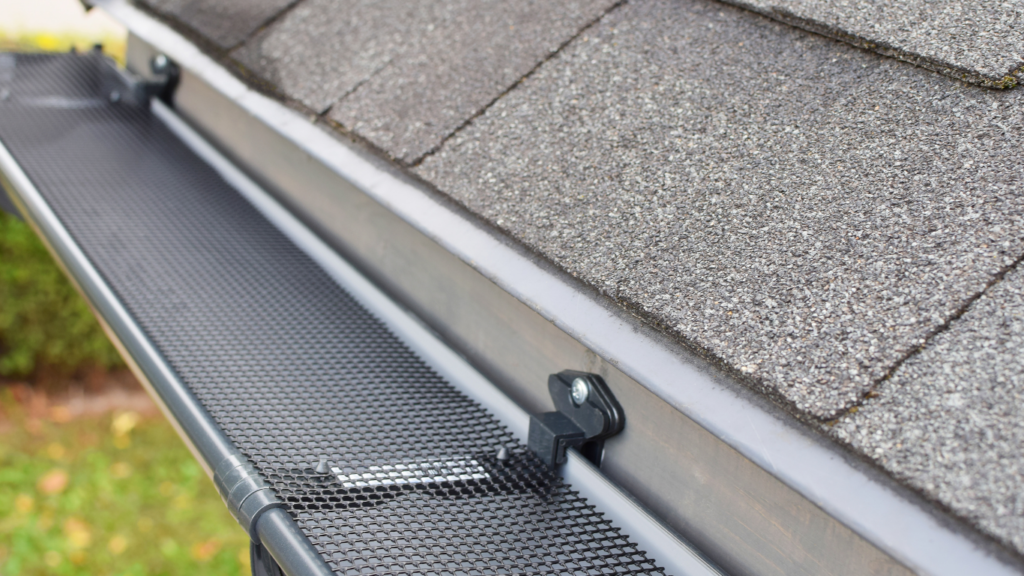
Gutters are one of the most critical yet overlooked systems protecting your home. They manage rainwater, direct it away from your foundation, and prevent moisture damage to roofing, siding, and landscaping. For homeowners in Arlington, VA and the surrounding areas, where mature trees, heavy rainfall, and seasonal debris are common, clogged gutters are an ongoing concern. That’s where gutter protection systems come in. At Painter Roofing, we regularly help homeowners reduce maintenance, prevent water damage, and extend the lifespan of their gutters with professional gutter protection solutions. This guide explains how gutter leaf protection works, the different systems available, common problems they solve, and how Arlington homeowners can choose the right option for their homes. Why Gutter Leaf Protection Matters in Arlington, VA Arlington neighbourhoods are known for beautiful tree canopies, but falling leaves, pine needles, seed pods, and small branches can quickly overwhelm unprotected gutters. When debris accumulates, water can no longer flow freely through the gutter system. Clogged gutters lead to overflow, which can cause foundation erosion, basement leaks, fascia rot, siding damage, roof edge deterioration, and landscape washout. In winter, trapped debris can contribute to ice dams and add gutter weight. Installing gutter protection helps homeowners prevent these issues while reducing the need for frequent gutter cleaning. How Gutter Leaf Protection Works Gutter leaf protection systems are designed to keep debris out while allowing water to flow into the gutter and downspouts. While designs vary, most gutter protection solutions work by either blocking debris entirely or filtering water through a protective surface. When properly selected and installed, these systems dramatically reduce clogs and improve drainage performance. Understanding how different gutter protection systems function helps homeowners make informed decisions. Common Gutter Problems Without Leaf Protection Before exploring gutter leaf protection options, it’s essential to understand the problems they are designed to solve. Common issues include clogged gutters, overflowing water, sagging gutters, downspout blockages, pest infestations, mould and mildew growth, ice dams, and premature gutter failure. Gutter protection addresses these problems by preventing debris buildup before it starts. Types of Gutter Leaf Protection Systems There are several types of gutter leaf protection systems available, each with its own advantages and limitations. The best choice depends on roof type, gutter design, surrounding trees, and budget. Understanding these systems helps Arlington homeowners choose adequate gutter protection. Screen Gutter Guards Screen guards are one of the most common gutter leaf protection options. They consist of metal or plastic screens installed over the gutter opening. The screen blocks larger debris while allowing water to pass through. Benefits include affordability, ease of installation, and basic debris protection. However, smaller debris, such as pine needles, can still pass through, and screens may require occasional cleaning. Screen systems provide basic gutter protection for many Arlington homes. Mesh Gutter Guards Mesh gutter guards use finely perforated metal sheets to filter debris. These systems offer improved gutter leaf protection by blocking smaller particles while allowing rainwater to flow into the gutter. Mesh guards are durable, corrosion-resistant, and practical for homes with heavy tree coverage. Proper installation is essential to prevent water from overflowing the gutter during heavy rainfall. Reverse Curve Gutter Guards Reverse curve systems direct water around a curved surface into the gutter while debris slides off the edge. These systems provide solid gutter leaf protection against large debris and leaves. They are especially effective for heavy leaf fall. However, reverse curve guards may struggle with intense rainfall if improperly sized or installed. Professional installation is critical for optimal performance. Foam Gutter Inserts Foam inserts fit directly inside the gutter, blocking debris while allowing water to flow through the foam material. They are easy to install and relatively affordable. Foam inserts provide basic gutter protection but may degrade over time and need to be replaced. They are less effective in areas with heavy debris or prolonged moisture exposure. Brush Gutter Guards Brush guards consist of large cylindrical brushes placed inside the gutter. They block leaves and debris while allowing water to flow around the bristles. Brush systems offer simple gutter leaf protection but may trap smaller debris within the bristles. Periodic cleaning is still required to maintain performance. Micro-Mesh Gutter Leaf Protection Systems Micro-mesh systems are among the most advanced gutter leaf protection options available. They use a wonderful stainless steel mesh to block even the most minor debris during heavy rainfall. Micro-mesh gutter protection systems are ideal for Arlington homes surrounded by trees and provide long-term, low-maintenance performance when professionally installed. Benefits of Installing Gutter Leaf Protection Installing gutter leaf protection provides numerous benefits for homeowners. These benefits include reduced maintenance, fewer clogs, improved water flow, protection against water damage, extended gutter lifespan, and enhanced safety by reducing the need for ladder use. For many Arlington homeowners, gutter protection eliminates the need for seasonal gutter cleaning. Gutter Leaf Protection and Water Flow Performance A common concern among homeowners is whether gutter leaf protection restricts water flow. High-quality systems are designed to withstand heavy rainfall while preventing debris from entering. Proper sizing, installation angle, and roof pitch compatibility all play a role in water flow performance. Professional installation ensures gutter protection works effectively even during intense storms. Gutter Leaf Protection and Ice Dam Prevention Winter weather presents additional challenges for gutters. Clogged gutters contribute to ice dams by trapping melting snow at the roof edge. Gutter leaf protection helps maintain water flow, reducing ice buildup and gutter strain. While no system eliminates ice dams, gutter protection helps minimise winter-related gutter damage. Gutter Leaf Protection and Pest Prevention Open, debris-filled gutters create ideal nesting areas for pests. Birds, rodents, insects, and mosquitoes are commonly found in clogged gutters. Gutter protection reduces standing water and nesting material, making gutters less attractive to pests. This added benefit improves home hygiene and reduces maintenance concerns. Material Considerations for Gutter Leaf Protection Gutter leaf protection systems are made from various materials, including aluminium, steel, plastic, foam, and composite materials. Durable materials resist corrosion, UV exposure, and weather damage. Metal systems typically offer
Gutter Repair Common Issues: What Arlington, VA Homeowners Need to Know

Gutters play a critical role in protecting your home from water damage, yet they are one of the most overlooked exterior systems. For homeowners in Arlington, VA and the surrounding areas, changing seasons, heavy rain, falling leaves, and winter weather can take a serious toll on gutter systems. When problems go unnoticed, small concerns can quickly turn into costly repairs. At Painter Roofing, we regularly help homeowners identify and resolve common gutter repair issues before they cause major damage. This comprehensive guide explains the most frequent gutter problems, what causes them, warning signs to watch for, and how proper repairs can protect your home for years to come.Stay updated—join us on Facebook Why Gutters Are So Important for Arlington Homes Your gutter system is designed to collect rainwater from the roof and direct it safely away from your home’s foundation. When gutters fail, water can overflow or leak into areas where it doesn’t belong. In Arlington’s climate, gutters must handle heavy rainstorms, clogged debris from trees, freezing temperatures, and sudden temperature shifts. Unaddressed gutter repair issues can lead to foundation damage, roof leaks, siding deterioration, landscape erosion, and even interior water damage. Maintaining a functional gutter system is one of the most cost-effective ways to protect your home. Common Causes of Gutter Repair Problems Understanding what causes gutter problems helps homeowners prevent future damage. The most common causes of gutter repair Problems include age and wear, lack of regular maintenance, improper installation, storm damage, clogged downspouts, and sagging due to excess debris or standing water. Over time, even well-installed gutters can develop problems if they are not properly maintained or inspected. Clogged Gutters Clogging is one of the most frequent gutter repair issues homeowners experience. Leaves, pine needles, twigs, roof granules, and debris can build up in gutters, blocking water flow. When water cannot drain properly, it overflows and spills down the sides of the home. Signs of clogged gutters include water pouring over the edge during rain, sagging gutter sections, visible debris buildup, and plants growing inside the gutter system. Clogged gutters increase the risk of fascia rot, foundation damage, and basement leaks. Regular cleaning helps prevent this common gutter repair issue. Sagging or Pulling Away Gutters Sagging gutters are another widespread gutter repair issue in Arlington homes. This problem often occurs when gutters are weighed down by debris, standing water, or ice buildup. Over time, fasteners loosen, and the gutter begins to pull away from the fascia board. Warning signs include visible gaps between the gutter and roofline, uneven gutter alignment, and water pooling in certain sections. Sagging gutters reduce drainage efficiency and increase the likelihood of leaks and overflow. Prompt gutter repair prevents further structural damage. Leaking Gutter Joints and Seams Many gutter systems are made up of multiple sections connected by joints and seams. These connection points are especially vulnerable to leaks. Leaking seams are a common gutter repair issue caused by sealant failure, corrosion, expansion and contraction, or improper installation. Homeowners may notice dripping water from joints, staining on siding, or erosion below leaking sections. Repairing or resealing joints early prevents more extensive gutter damage. Cracked or Split Gutters Cracks and splits are serious gutter repair Problems that compromise the system’s ability to manage water. Cracks can form due to age, extreme temperature changes, impact from falling branches, or ice expansion in winter. Even small cracks can worsen over time as water pressure forces them to expand. Visible cracks, peeling paint near gutters, or consistent dripping during rainfall indicate this type of gutter repair issue. Rust and Corrosion Metal gutters, especially older steel systems, are prone to rust and corrosion. Rust weakens the gutter material and creates holes that allow water to leak. Corrosion is a common gutter repair issue in areas where moisture remains trapped due to debris buildup or poor drainage. Once rust becomes widespread, replacement may be more cost-effective than repeated repairs. Improper Gutter Slope Gutters rely on proper slope to guide water toward downspouts. If the slope is incorrect, water can pool instead of draining. Improper slope is a subtle but damaging gutter repair issue. Standing water increases the risk of sagging, leaks, and mosquito breeding. Professional adjustment restores proper pitch and ensures efficient drainage. Downspout Problems Downspouts are essential for directing water away from your home. When they fail, gutter systems cannot function properly. Common downspout gutter repair issues include clogs, disconnections, crushing, or improper placement. If water exits too close to the foundation, it can cause erosion or basement leaks. Signs of downspout issues include overflowing gutters, water pooling near the foundation, and visible blockages. Ice Dams and Winter Gutter Damage Winter weather creates unique gutter repair issues for Arlington homeowners. Ice dams form when snow melts and refreezes at the roof edge, trapping water behind it. This trapped water can back up into gutters and under roofing materials. Ice buildup adds significant weight to gutters, increasing the risk of sagging or detachment. Proper insulation, ventilation, and gutter maintenance help reduce winter-related damage. Storm Damage to Gutters Strong winds, heavy rain, and falling debris can all cause sudden gutter repair issues. Storm damage may result in dented gutters, loosened fasteners, detached sections, or clogged systems. After severe weather, homeowners should inspect gutters for visible damage and drainage problems. Prompt repairs prevent storm-related issues from escalating. Gutter Fastener and Hanger Failures Fasteners and hangers secure gutters to the fascia board. Over time, these components can loosen or corrode. Loose fasteners are a common gutter repair issue that leads to sagging, misalignment, and eventual gutter failure. Replacing damaged hangers and reinforcing attachment points restores gutter stability. Fascia and Soffit Damage from Gutter Issues Unresolved gutter repair issues often lead to secondary damage. Overflowing or leaking gutters can rot fascia boards, damage soffits, and compromise roof edges. This type of damage is more expensive to repair than addressing gutter problems early. Regular inspections help catch gutter repair issues before they affect other exterior components. DIY Repairs vs Professional Gutter Repair Feature
Gutter Cleaning Frequency: How Often Arlington Homeowners Should Schedule Gutter Maintenance
When it comes to home maintenance, few tasks are more ignored—and more essential—than cleaning your gutters. Clogged gutters don’t just create an eyesore; they can lead to roof leaks, siding rot, and even foundation damage. That’s why understanding the right gutter cleaning frequency is critical, especially for homeowners in Arlington, VA and surrounding areas like Falls Church, Alexandria, and McLean. At Painter Roofing, we’ve seen firsthand the consequences of skipped cleanings: water damage in attics, cracked foundations, insect infestations, and expensive roof repairs. So, how often should you clean your gutters? The answer depends on your local environment, roof design, and tree coverage. This in-depth guide walks you through everything Arlington homeowners need to know about gutter maintenance frequency, why it matters, and how to build a year-round plan that works. Why Gutter Cleaning Frequency Matters in Arlington In Northern Virginia, we experience all four seasons—rainstorms in spring, falling leaves in autumn, and even ice in winter. These seasonal shifts directly impact your gutters’ performance. When gutters clog with leaves, pine needles, or roof granules, they can’t carry water away properly. That’s when trouble begins: Water overflows and soaks into your fascia Ice dams form in winter Basement flooding becomes more likely Mosquitoes and pests breed in standing water Consistent gutter maintenance frequency helps prevent these issues before they start. What Is the Ideal Gutter Cleaning Frequency? For most Arlington homeowners, we recommend cleaning your gutters at least twice per year—once in the spring and again in the fall. However, this is just a baseline. Here’s a more detailed breakdown by scenario: Condition Recommended Gutter Cleaning Frequency Light tree coverage 2 times per year Moderate tree coverage 3–4 times per year Heavy tree coverage Every 2–3 months After a storm Immediately after major events With gutter guards 1–2 times per year (for inspection) Your home’s surroundings directly affect the right gutter maintenance frequency. A property under dense oaks and maples needs more frequent attention than one in a newer development with minimal landscaping. Spring Gutter Cleaning Spring is the first critical season for gutter care in Arlington. After winter’s snow and ice, your gutters may be full of roof debris, hardened granules, or fallen branches. Spring matters because it prepares gutters for heavy April and May rain, removes winter buildup and ice dam residue, and prevents overflow during storm season. Skipping this step can put your home at risk just as the wet season arrives. Consistent gutter cleaning frequency in spring protects your roof and siding from costly damage. Fall Gutter Cleaning Fall is arguably the most important time of year for gutter maintenance in Arlington and nearby neighborhoods. Between September and November, trees drop an overwhelming amount of leaves, needles, and seeds that settle right into your gutters. Fall cleanings should be scheduled once 70% of leaves have fallen, include flushing downspouts and checking for clogs, and ensure your system is winter-ready. Maintaining a solid gutter maintenance frequency in fall can mean the difference between a safe home and serious ice damming during the winter months. Additional Cleanings After Storms Northern Virginia experiences its share of windstorms, flash floods, and even the occasional hurricane. After severe weather, gutters often fill with debris in a matter of hours. Storm-related cleaning should include checking for shingle granules in gutters, removing branches or roofing debris, and inspecting for detached or sagging gutters. An emergency gutter cleaning frequency schedule is useful for homeowners in Arlington, especially during active storm seasons. Signs You’re Not Cleaning Gutters Often Enough Not sure if you’re waiting too long between cleanings? Some red flags include water spilling over the gutter during rain, mold or algae growth on siding, pools of water near the foundation, gutters pulling away from fascia, and visible plants or weeds growing in gutters. Any of these symptoms are signs that your gutter maintenance frequency needs to increase immediately. How Roof Type Affects Gutter Maintenance Frequency Different roofing materials shed debris at different rates. Asphalt shingles lose granules over time, filling gutters with sand-like particles. Wood shakes shed debris more frequently, especially during storms. Metal roofing’s smooth surface helps debris slide off but still collects leaves, while tile roofing can trap debris between tiles, which then washes into gutters. Your roof pitch also matters—flat or low-slope roofs often deposit more water and material into the gutters, requiring more frequent cleanings. If you’re unsure how your roof impacts your gutter cleaning intervals, Painter Roofing can provide a professional inspection and custom maintenance plan. What Happens If You Don’t Clean Your Gutters? Neglecting your gutters can create a chain reaction of expensive and hazardous issues. Backed-up water can soak into your underlayment and decking, causing leaks and mold. Overflowing gutters cause water to pool around the base of your home, which can erode soil and crack your foundation over time. Excess water can also kill plants and wash away mulch or topsoil, while clogged gutters promote the formation of dangerous ice dams in winter that tear shingles and allow water into the attic. Additionally, standing water attracts pests such as birds, mosquitoes, and rodents. All of these risks reinforce that proper gutter cleaning frequency isn’t just cosmetic—it’s structural. DIY vs. Professional Gutter Cleaning Some Arlington homeowners choose to clean their own gutters, but it comes with risks such as ladder falls, missed clogs, and lack of safety equipment. Hiring a professional ensures full system inspection, safe and insured labor, downspout flushing, damage identification, and recommendations for repairs or gutter guard upgrades. For optimal safety and consistency in your gutter care frequency, it’s best to hire professionals at least once a year. Gutter Guards: Do They Reduce Cleaning Frequency? Yes—but they don’t eliminate it entirely. Gutter guards help block leaves, twigs, and debris, reduce how often you need cleanings, and lower the risk of winter clogs. However, even with guards installed, we still recommend one to two cleanings per year to check for buildup and
Gutter Installation Process: A Step-by-Step Guide for Arlington Homeowners

Rainwater is harmless—until it starts damaging your home. That’s where gutters come in. Gutters guide water away from your foundation, siding, and roof, keeping everything dry and protected. But having gutters is only part of the equation. What really matters is the gutter installation process. At Painter Roofing, we often hear from Arlington homeowners who are unsure about what goes into installing new gutters or upgrading their old system. That’s why we’ve created this complete guide. From planning and materials to placement and final inspection, this article will walk you through each step of the gutter setup process. Whether you’re replacing worn-out gutters or starting fresh on a new build, understanding the full process helps ensure you make the right decisions for your property—and get lasting results. Why Proper Gutter Installation Matters A poorly installed gutter system can cause significant damage to your home. Water that isn’t directed properly may lead to foundation cracks, mold growth, soil erosion, or roof rot. That’s why a precise, professional gutter installation is essential. Proper installation helps prevent water pooling near the foundation, protects soffits, fascia, and siding, reduces basement moisture and leaks, extends the roof’s lifespan, and prevents erosion around landscaping. For Arlington homeowners, neglecting gutters often results in costly repairs that far exceed the original installation investment. Initial Assessment and Planning Every successful gutter installation process begins with a full inspection of the home’s roofline, fascia boards, downspout outlets, and water drainage patterns. At this stage, a technician will measure the roof length and slope, evaluate the home’s architecture and elevation, check existing water flow patterns or trouble spots, discuss any issues you’ve noticed, like overflowing or clogging, and identify areas that need extra protection, such as roof valleys or corners. In Arlington, where both seasonal storms and dense tree coverage can affect water flow, careful planning is key to ensuring long-term gutter performance. Selecting the Right Materials The next step in the gutter installation process is choosing your materials. Painter Roofing helps you select the best fit for your budget, style, and durability needs. Common gutter materials include aluminum, which is lightweight, rust-resistant, and popular for residential use; copper, which offers a premium look and is highly durable, developing a patina over time; vinyl, which is affordable and rustproof but less durable in extreme weather; and galvanized steel, which is strong but prone to rust if not properly maintained. You’ll also choose the style (K-style, half-round, or box-style) and color that match your home’s exterior. Material choice isn’t just cosmetic—it affects the entire gutter setup process, including attachment methods, slope angles, and lifespan. Measuring and Cutting Precision is everything in the gutter installation process. Gutters that are too short or poorly sloped will not drain correctly. In this stage, the exact lengths of gutter sections are measured for each roofline segment. Angled cuts are made for corners and joins, and miters are prepped to allow for smooth transitions. Downspout holes are cut in appropriate spots for optimal drainage. This part of the job is often done on-site using portable cutting tools to ensure a perfect fitment for your Arlington property. Before attaching anything, the fascia boards (the area behind the gutter) must be inspected and prepared. Rotten or soft wood must be replaced, as secure mounting is essential to withstand heavy rain. Your roofer will replace damaged fascia if needed, ensure a straight, level surface for attachment, confirm proper drip edge placement under shingles, and apply sealants to potential water entry points. Skipping this step can lead to sagging gutters or water seeping behind the system, creating long-term issues for Arlington homes. Hanging the Gutters Now comes the core step in the gutter setup process—mounting the gutters themselves. This is done using hangers or brackets spaced evenly (typically every 2–3 feet), a subtle slope of about 1/4 inch for every 10 feet toward the downspout, and secure end caps, seam joints, and sealants to prevent leaks. The gutters must look straight from ground level but be angled just enough to keep water moving. When installed correctly, the system blends in seamlessly while providing top-notch performance. Downspout Placement and Attachment Downspouts carry water from the gutters to the ground—and away from your home. Their placement is crucial to proper drainage. Best practices for downspouts during the gutter setup process include placing one every 30–40 feet of gutter, directing water at least 5 feet away from your foundation, avoiding areas where water could pool or erode landscaping, and using extensions or splash blocks to control flow. In Arlington neighborhoods, where sloped lawns and driveways vary, custom downspout placement ensures safe drainage for your specific property. Testing and Final Inspection No gutter setup process is complete without thorough testing. This ensures everything is functioning correctly and ready to handle rain. The crew will pour water into the highest gutter point and watch the flow, check for any leaks, sagging, or pooling, ensure downspouts are directing water properly, and tighten all brackets while sealing any final gaps. A final walk-through gives you peace of mind that the system will work when you need it most—especially during Arlington’s rainy season. Optional Add-Ons: Guards, Screens, and Leaf Filters If your home is surrounded by trees, like many Arlington properties, adding gutter protection is a smart move. While not required, they can significantly reduce maintenance needs. Add-ons during the gutter installation process may include gutter guards, which are mesh or solid covers that block debris; leaf filters, which are fine screens that prevent clogs but let water through; and downspout filters, which stop leaves before they enter underground drains. Discussing these with your installer ensures everything fits your system and doesn’t interfere with drainage. Maintenance Tips After Installation Even the best gutter system needs some care. Once your steps to install gutters is complete, follow these maintenance tips to keep your system functioning properly. Clean out gutters twice a year, or more often if you have overhanging trees, and rinse downspouts to ensure clear flow. In winter,