Your roof is your home’s first line of defense against rain, wind, snow, hail, and extreme temperatures. When unexpected damage occurs, delaying repairs can quickly turn a minor issue into a major restoration project. Missing shingles, storm damage, fallen tree limbs, or sudden leaks require immediate attention to minimize water intrusion and protect your home’s structure.
This is where rapid response roofing becomes essential. A fast response helps stabilize damaged areas, prevent additional deterioration, and give homeowners peace of mind while permanent repairs are planned.
At Painter Roofing, we proudly provide dependable rapid response roofing services for homeowners throughout Arlington, VA and the surrounding Northern Virginia communities. Our experienced team understands that roofing emergencies rarely happen at convenient times, which is why prompt inspections and temporary protection are critical after severe weather or unexpected damage.
This guide explains everything homeowners should know about rapid response roofing, including common roofing emergencies, the importance of immediate action, inspection procedures, temporary protection methods, and how proactive maintenance helps reduce future emergencies.
What Is Rapid Response Roofing?
Rapid response roofing refers to the immediate assessment and temporary stabilization of a damaged roofing system following storms, accidents, or other emergencies.
The primary goals include:
- Preventing additional water intrusion
- Protecting the home’s interior
- Minimizing structural damage
- Identifying safety concerns
- Preparing for permanent repairs
Rapid response focuses on protecting your property during the critical hours immediately following roof damage.
Why Speed Matters After Roof Damage
Even a small opening in your roof can allow rainwater to enter the attic and living spaces.
Water intrusion may eventually damage:
- Roof decking
- Rafters
- Ceiling drywall
- Insulation
- Flooring
- Electrical systems
- Interior finishes
- Personal belongings
Professional rapid response roofing helps reduce these risks before additional storms arrive.
Common Roofing Emergencies
Several situations require immediate professional attention.
Storm Damage
Northern Virginia experiences severe weather throughout the year.
Storms may produce:
- Strong winds
- Heavy rainfall
- Hail
- Lightning
- Falling branches
These conditions often create roofing emergencies requiring prompt inspections.
Fallen Trees
Trees and large limbs can puncture roofing systems during storms.
Damage may include:
- Broken rafters
- Roof decking failure
- Crushed shingles
- Structural damage
- Interior water intrusion
Quick rapid response roofing services help stabilize these damaged areas until permanent repairs begin.
Wind Damage
Powerful winds may:
- Remove shingles
- Lift flashing
- Damage ridge caps
- Loosen vents
- Expose roof decking
Prompt repairs prevent wind-driven rain from entering the home.
Hail Damage
Large hailstones may create:
- Bruised shingles
- Cracked roofing materials
- Damaged flashing
- Broken skylights
- Granule loss
Some hail damage may not be visible from the ground, making professional inspections essential.
Sudden Roof Leaks
Leaks can develop unexpectedly due to:
- Aging materials
- Storm damage
- Flashing failures
- Clogged valleys
- Ice dams
Fast response minimizes interior damage.
Warning Signs That Require Rapid Response Roofing
Homeowners should contact a roofing professional immediately if they notice:
- Active ceiling leaks
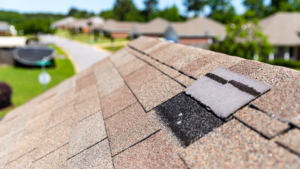
- Missing shingles
- Sagging roof sections
- Water stains
- Exposed roof decking
- Fallen tree damage
- Interior dripping
- Visible daylight in the attic
- Loose flashing
- Storm debris on the roof
Ignoring these warning signs often increases repair costs.
The First Steps After Roof Damage
Safety should always come first.
Homeowners should:
- Stay away from damaged areas.
- Avoid climbing onto the roof.
- Document visible damage with photographs.
- Protect valuable belongings indoors if water is entering.
- Contact a trusted roofing contractor promptly.
Painter Roofing recommends allowing trained professionals to inspect damaged roofs safely.
How Rapid Response Roofing Works
Professional rapid response roofing follows a systematic process to stabilize your home.
Initial Safety Assessment
Contractors first determine whether the roof is safe to inspect.
They evaluate:
- Structural stability
- Visible hazards
- Storm debris
- Electrical concerns
- Tree impacts
Safety remains the highest priority.
Roof Inspection
Once conditions are safe, technicians perform a detailed inspection.
Areas evaluated include:
- Shingles
- Flashing
- Roof decking
- Gutters
- Vents
- Skylights
- Valleys
- Chimneys
Painter Roofing performs thorough inspections to identify both obvious and hidden damage.
Temporary Protection
If permanent repairs cannot begin immediately, temporary protection may include:
- Emergency roof tarping
- Sealing exposed areas
- Securing loose materials
- Covering roof openings
These temporary measures help prevent additional weather damage.
Preventing Water Intrusion
Water is one of the greatest threats following roof damage.
Without immediate protection, moisture may spread throughout the home and affect:
- Attic insulation
- Drywall
- Wood framing
- Flooring
- Cabinets
- Electrical wiring
Professional rapid response roofing significantly reduces the likelihood of widespread water damage.
Why Professional Roof Inspections Matter
Storm damage is not always easy to identify.
Professionals recognize subtle problems such as:
- Lifted shingles
- Flashing separation
- Hidden punctures
- Soft decking
- Vent damage
- Underlayment failures
Early detection helps prevent expensive future repairs.
Temporary Repairs Buy Valuable Time
Temporary stabilization is not intended to replace permanent roofing repairs.
Instead, it allows homeowners time to:
- Schedule permanent work
- Order roofing materials
- Complete insurance documentation
- Prevent additional damage
Rapid response creates a safer environment until restoration begins.
Common Roofing Materials Requiring Emergency Repairs
Different roofing systems respond differently to severe weather.
Professional rapid response roofing may involve:
- Asphalt shingles
- Metal roofing
- Slate roofing
- Cedar shake roofing
- Flat roofing systems
- Synthetic roofing materials
Each roofing material requires specialized repair techniques to minimize additional damage.
Arlington’s Weather Creates Unique Roofing Challenges
Homes throughout Arlington and Northern Virginia experience changing weather throughout the year.
These conditions include:
- Heavy rain
- High winds
- Snow
- Ice
- Humid summers
- Freeze-thaw cycles
- Severe thunderstorms
Routine inspections combined with rapid response roofing help homeowners minimize weather-related damage while extending the lifespan of their roofing systems.
Why Homeowners Trust Painter Roofing
Painter Roofing proudly serves Arlington, VA and the surrounding Northern Virginia communities with dependable roofing and exterior home improvement services.
Homeowners choose Painter Roofing because we provide:
- Professional roof inspections
- Storm damage assessments
- Emergency roof stabilization
- Roof repairs
- Roof replacements
- Gutter services
- Siding repair
- Exterior restoration
- Honest recommendations
- Skilled craftsmanship
- Outstanding customer service
Our experienced team understands that every minute counts after roof damage occurs, and we are committed to delivering dependable rapid response roofing solutions that protect your home from additional damage.
Rapid Response Roofing and Insurance Claims
After severe weather damages your roof, contacting your insurance provider is often one of the first steps. However, before permanent repairs begin, homeowners are expected to take reasonable measures to prevent additional damage to the property.
One of the key advantages of rapid response roofing is that it helps demonstrate responsible property maintenance. Temporary protective measures, such as roof tarping or securing loose materials, can reduce further damage while your insurance claim is being processed.
Painter Roofing recommends homeowners:
- Photograph all visible damage
- Record the date and time of the storm
- Save repair invoices and inspection reports
- Contact their insurance provider promptly
- Schedule a professional roof inspection
Accurate documentation helps support a smoother claims process.
Roof Tarping as Temporary Protection
Roof tarping is one of the most common temporary solutions used during rapid response roofing.
Heavy-duty waterproof tarps help protect:
- Roof decking
- Attic insulation
- Ceilings
- Interior walls
- Flooring
- Furniture
Although tarps are not permanent repairs, they provide valuable protection while roofing materials are ordered and repair schedules are finalized.
Protecting Your Attic
Roof damage often affects the attic before other areas of the home.
Without immediate action, moisture can damage:
- Insulation
- Wooden rafters
- Roof decking
- HVAC components
- Stored belongings
Professional rapid response roofing helps keep attics dry while reducing the likelihood of mold and structural deterioration.
Preventing Mold Growth
Moisture trapped inside the home creates ideal conditions for mold.
Within a relatively short period, wet building materials may begin developing mold colonies that affect:
- Drywall
- Ceiling materials
- Insulation
- Wood framing
- Indoor air quality
Prompt roofing response significantly reduces moisture exposure and helps protect your family’s living environment.
Protecting Gutters During Emergencies
Storms frequently damage more than the roof itself.
Gutters may become:
- Bent
- Detached
- Clogged
- Crushed by branches
Damaged gutters cannot properly direct water away from the home, increasing the risk of foundation and siding damage.
Painter Roofing inspects gutter systems as part of comprehensive storm evaluations.
Flashing Is Often Overlooked
Roof flashing protects vulnerable areas around:
- Chimneys
- Skylights
- Plumbing vents
- Roof valleys
- Wall intersections
Strong winds can loosen flashing even when shingles appear intact.
Professional rapid response roofing inspections help identify flashing damage before hidden leaks develop.
Hidden Damage Can Become Expensive
Some storm damage is not immediately visible.
Problems may exist beneath roofing materials, including:
- Wet underlayment
- Soft roof decking
- Loose fasteners
- Structural movement
Early inspections help uncover these hidden concerns before they require extensive repairs.
Why Homeowners Should Avoid DIY Emergency Roof Repairs
Although homeowners naturally want to protect their property quickly, emergency roof repairs present significant risks.
Potential hazards include:
- Slippery roofing materials
- Wet surfaces
- Unstable decking
- Electrical hazards
- Falling debris
- Steep roof slopes
Professional roofing crews have specialized equipment and safety training to perform emergency work safely.
Seasonal Maintenance Reduces Roofing Emergencies
Routine maintenance remains one of the best ways to reduce the need for rapid response roofing.
Painter Roofing recommends seasonal inspections throughout the year.
Spring
- Check for winter storm damage
- Inspect flashing
- Examine attic ventilation
- Clean gutters
Summer
- Inspect shingles for heat damage
- Trim overhanging branches
- Repair loose sealants
Fall
- Remove leaves from gutters
- Inspect roof penetrations
- Prepare for winter weather
Winter
- Monitor snow accumulation
- Watch for ice dams
- Check ceilings for leaks
Regular maintenance often identifies problems before emergencies occur.
Roof Maintenance Extends System Lifespan
Preventative maintenance benefits every roofing material.
Routine inspections help preserve:
- Asphalt shingles
- Metal roofing
- Slate roofs
- Cedar shake roofs
- Flat roofing systems
One of the long-term advantages of combining maintenance with rapid response roofing is maximizing the overall life expectancy of your roofing investment.
Storm Preparation Tips
While severe weather cannot be prevented, homeowners can reduce potential damage by preparing in advance.
Helpful steps include:
- Trim tree limbs near the roof
- Secure outdoor furniture
- Clean gutters regularly
- Schedule annual roof inspections
- Replace damaged shingles promptly
- Keep emergency contact numbers available
Preparation helps reduce storm-related roofing emergencies.
Why Homeowners Choose Painter Roofing
Painter Roofing proudly serves homeowners throughout Arlington, VA and the surrounding Northern Virginia communities with dependable roofing and exterior home improvement services.
Homeowners trust Painter Roofing because we provide:
- Comprehensive roof inspections
- Storm damage assessments
- Emergency roof tarping
- Roof repairs
- Roof replacements
- Gutter installation and repair
- Siding services
- Exterior restoration
- Professional rapid response roofing
- Honest recommendations
- Skilled craftsmanship
- Outstanding customer service
Our experienced team is committed to protecting your home quickly and professionally whenever unexpected roof damage occurs.
Long-Term Benefits of Rapid Response Roofing
Investing in prompt rapid response roofing provides important long-term advantages.
These include:
- Reduced repair costs
- Less interior water damage
- Improved structural protection
- Lower mold risk
- Better insurance documentation
- Greater homeowner safety
- Faster restoration
- Increased peace of mind
Acting quickly after roof damage often prevents thousands of dollars in additional repairs.
Creating a Roofing Emergency Plan
Every homeowner should prepare for roofing emergencies before they occur.
A complete emergency plan should include:
- Annual roof inspections
- Routine gutter cleaning
- Tree maintenance
- Emergency contractor contact information
- Insurance policy review
- Safe evacuation procedures during severe storms
- Prompt post-storm inspections
Having a trusted contractor like Painter Roofing available before an emergency occurs makes the recovery process much less stressful.
Final Thoughts on Rapid Response Roofing
Roof damage can happen without warning, whether from severe storms, fallen trees, high winds, hail, or unexpected leaks. Responding quickly is the most effective way to minimize additional damage, protect your home’s structural integrity, and reduce costly repairs.
Professional rapid response roofing provides immediate inspections, temporary protection, and expert guidance while permanent repairs are planned. Fast action not only safeguards your home from water intrusion but also gives homeowners confidence during stressful situations.
For homeowners throughout Arlington, VA and the surrounding Northern Virginia communities, Painter Roofing proudly provides dependable rapid response roofing, comprehensive roof inspections, storm damage restoration, roof repairs, roof replacements, gutter services, and complete exterior home improvement solutions. With experienced professionals, quality craftsmanship, and exceptional customer care, Painter Roofing is dedicated to protecting your home when you need it most.